The Ash vs. Oak Flooring: Choosing Between Two Lighter Hardwoods
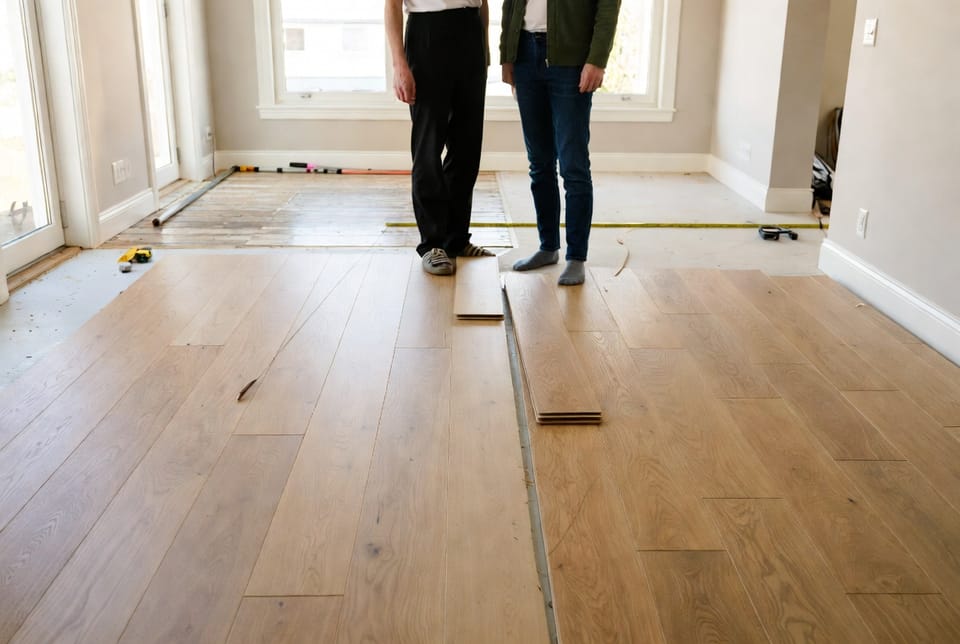
When it comes to selecting light hardwood flooring, few options rival Ash and Oak in popularity, versatility, and timeless appeal. Both deliver the warmth and natural beauty homeowners crave while offering excellent durability for high-traffic areas. Yet they are not identical. Understanding the nuanced differences between Ash flooring and Oak flooring empowers you to make a confident, informed decision that suits your lifestyle, design vision, and long-term needs.
Choose the Right Light Hardwood Today – Call Now!
This comprehensive guide explores every key aspect — from hardness ratings and grain patterns to color tones, stability, and real-world applications — so you can choose with clarity and peace of mind. Whether you’re renovating a modern open-concept home or updating a classic family space, the right light hardwood will enhance your interior for decades.
Why Light Hardwoods Like Ash and Oak Remain Top Choices
Light-colored hardwoods continue to dominate interior design trends because they make rooms feel larger, brighter, and more welcoming. They pair beautifully with both neutral and bold color palettes and reflect natural light effectively.
Ash and Oak stand out among lighter species due to their:
- Exceptional strength-to-weight ratio
- Beautiful natural grain
- Ability to accept stains for customized looks
- Proven track record in residential and light commercial installations
Both species belong to the hardwood family and deliver superior performance compared to softwoods or engineered alternatives in terms of longevity and character.
Hardness Comparison: Ash Edges Out Oak
One of the most critical factors when choosing flooring is Janka hardness rating, which measures resistance to denting and wear.
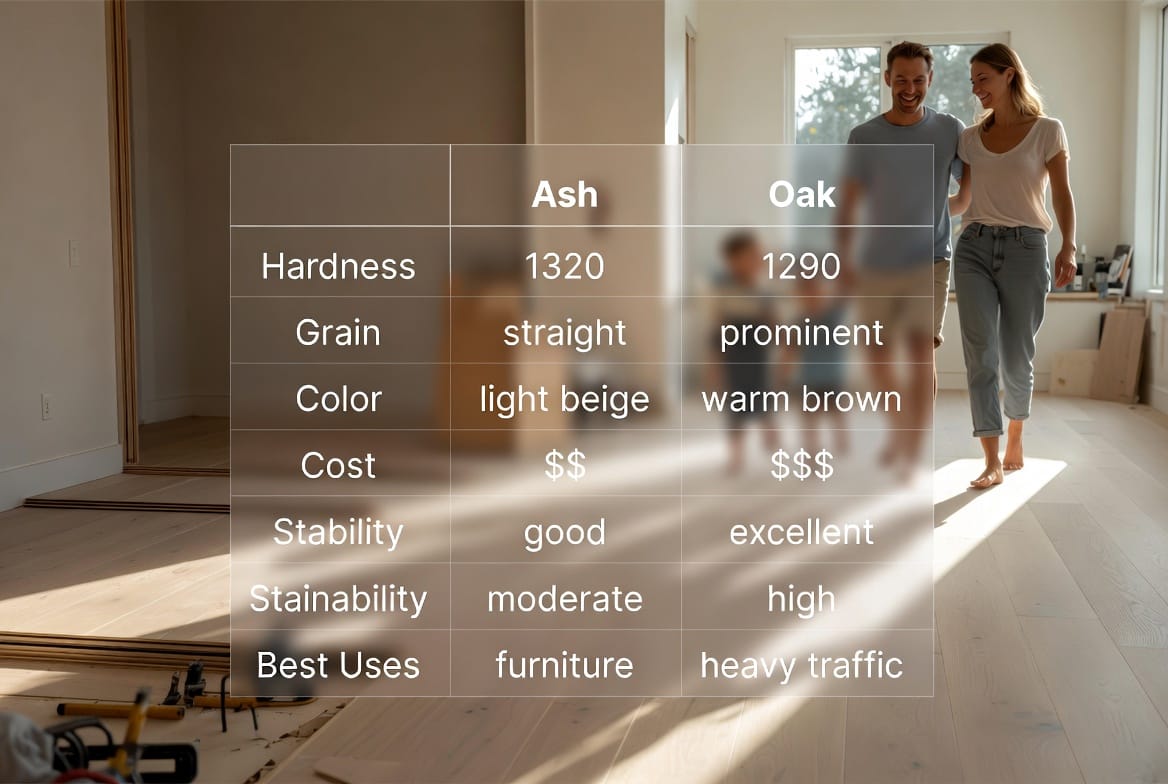
- Ash: 1320 Janka rating
- Oak (White Oak commonly referenced): 1290 Janka rating
Ash is slightly harder, making it particularly suitable for households with active children, pets, or frequent foot traffic. This modest advantage translates into better long-term resistance to scratches and dents from everyday use.
Oak remains impressively durable and has been a trusted standard in American homes for generations. Its hardness still far exceeds many popular species, ensuring it performs reliably in living rooms, bedrooms, and hallways.
Pro Tip: For maximum peace of mind in busy homes, Ash provides that extra margin of toughness without sacrificing beauty.
Grain Patterns: Distinct Personalities
Grain pattern dramatically influences the final aesthetic of your floor.
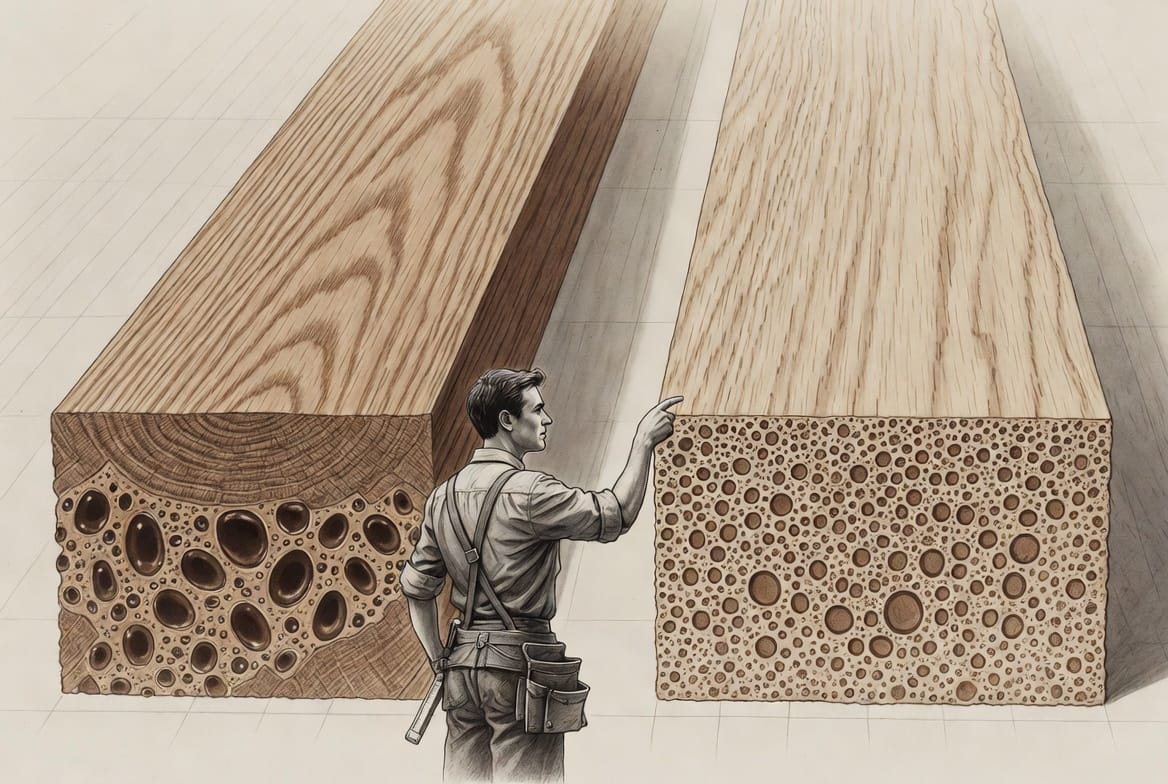
Ash features a more open and pronounced grain with bold, sweeping lines and visible pores. This creates a dynamic, contemporary look that adds visual interest and movement to any room. The open grain accepts stains exceptionally well, allowing deeper penetration for richer, more uniform coloration.
Oak displays a subdued yet distinctive grain with tighter, more refined patterns and characteristic ray flecks (especially in White Oak). This results in a softer, more traditional appearance that feels warm and understated — perfect for classic or transitional interiors.
Which suits you better?
- Choose Ash for modern, bold, or minimalist spaces that benefit from strong visual texture.
- Choose Oak for elegant, timeless, or cozy environments where subtlety enhances the overall design.
Color Tones and Stainability
Ash naturally presents as a lighter, cooler tone with creamy to pale brown hues and occasional olive undertones. Its lighter base makes it ideal when you want maximum brightness or plan to apply light stains.
Oak offers warmer, golden-amber undertones that develop a beautiful patina over time. Even lighter grades of Oak carry more inherent warmth than Ash, creating a cozy glow in any lighting.
Both species are highly stain-friendly, but Ash’s more open grain often produces more consistent stain results with less blotching. This makes Ash easier to customize if you desire a specific shade — from pale whitewashed looks to richer mid-tones.
Stability and Performance Factors
Dimensional stability refers to how well wood resists expansion and contraction with humidity changes.
- Oak generally exhibits excellent stability thanks to its dense structure, performing admirably across seasonal humidity swings.
- Ash offers very good stability, though slightly less than Oak in extreme conditions. Proper installation and climate control mitigate any differences significantly.
Both species work well with radiant heating systems when installed correctly, and both benefit from professional acclimation before installation.
Durability Summary:
- Excellent scratch resistance for both
- Strong impact resistance
- Suitable for most residential applications
- Ash slightly better for very high-traffic zones
Cost Considerations and Value
Pricing varies by grade, width, and region, but generally:
- Ash often provides outstanding value with competitive pricing relative to its performance.
- Oak commands a slight premium in many markets due to its legendary reputation and demand.
Both represent smart long-term investments that increase home value and offer superior ROI compared to laminate or lower-grade flooring. When properly maintained, either can last 30–50+ years.
Best Applications for Ash vs. Oak Flooring
Ash Flooring shines in:
- Contemporary open-plan homes
- Homes with pets and children
- Areas where you want a bright, airy feel
- Modern kitchens and living rooms
- Spaces seeking bold visual texture
Oak Flooring excels in:
- Traditional and transitional homes
- Bedrooms and formal dining areas
- Environments desiring warmth and heritage character
- Offices and libraries
- Projects emphasizing subtle elegance
Many designers combine both species in different zones of the same home for intentional contrast and flow.
Maintenance and Longevity Tips
Both Ash and Oak floors are easy to maintain with regular sweeping, occasional damp mopping, and periodic refinishing. Use felt pads on furniture, control indoor humidity between 35-55%, and schedule professional cleaning every few years to preserve their beauty.
With proper care, your light hardwood floors will develop a rich, lived-in character that only improves with time.
Environmental and Sustainability Notes
Responsible sourcing matters. Both Ash and Oak can be sustainably harvested when purchased from reputable suppliers certified by organizations like the Forest Stewardship Council (FSC). Ash trees, in particular, have faced challenges from emerald ash borer in some regions, making responsible forestry practices even more important.
Making Your Final Decision
Choosing between Ash and Oak ultimately comes down to your priorities:
- Need maximum hardness and open grain drama? → Ash
- Prefer classic warmth and proven heritage? → Oak
- Want versatility and brightness? → Either works beautifully with the right stain
Many homeowners discover that both species complement each other perfectly across different rooms, creating a cohesive yet interesting home.
Pick the Right Light Hardwood for Your Home
The perfect flooring choice combines beauty, performance, and personal style. Both Ash and Oak deliver outstanding results when selected thoughtfully.
Ready to explore your options? Our flooring experts are here to help you compare samples, review layouts, and find the ideal light hardwood for your space.
Ready for Beautiful, Durable Light Hardwood? Call Now