The Bamboo Flooring Truth: Understanding Strand-Woven vs. Traditional Bamboo for Durability
In today's eco-conscious world, homeowners are increasingly turning to sustainable materials that don't compromise on style or longevity. Bamboo flooring stands out as a popular choice, offering a natural aesthetic that rivals traditional hardwoods while being kinder to the planet. But not all bamboo floors are created equal. This comprehensive guide dives deep into the differences between traditional bamboo and strand-woven bamboo, focusing on their durability. Whether you're renovating your kitchen, living room, or entire home, understanding these options ensures you make an informed decision for lasting beauty and performance.
Discover the Strongest Bamboo for Your Home – Call Now
As a renewable resource harvested from fast-growing grass rather than trees, bamboo regenerates quickly – often in just 3-5 years – making it an eco-friendly flooring option. Yet, its durability can vary significantly based on processing methods. We'll explore why strand-woven bamboo often outperforms traditional bamboo in high-traffic areas, along with essential tips on acclimation and installation to avoid common pitfalls. Rest assured, with the right knowledge, bamboo can provide decades of reliable service.
What Makes Bamboo Flooring Eco-Friendly and Appealing?
Bamboo's appeal lies in its sustainability and versatility. Unlike hardwoods that take decades to mature, bamboo is a grass that thrives in tropical climates, requiring minimal pesticides or fertilizers. This makes it a top pick for environmentally aware consumers seeking green building materials.
- Rapid Renewability: Bamboo can be harvested without killing the plant, promoting ongoing growth and carbon sequestration.
- Aesthetic Variety: Available in natural, carbonized, or stained finishes, it mimics the look of oak, maple, or exotic woods.
- Cost-Effectiveness: Generally more affordable than solid hardwoods, with prices ranging from $3 to $8 per square foot.
However, durability is where choices diverge. Traditional bamboo flooring, made from sliced stalks laminated together, offers a softer surface ideal for low-traffic spaces. In contrast, strand-woven bamboo undergoes a high-pressure process that enhances strength, making it suitable for busy households or commercial settings.
Unpacking Traditional Bamboo Flooring: Pros, Cons, and Durability Insights
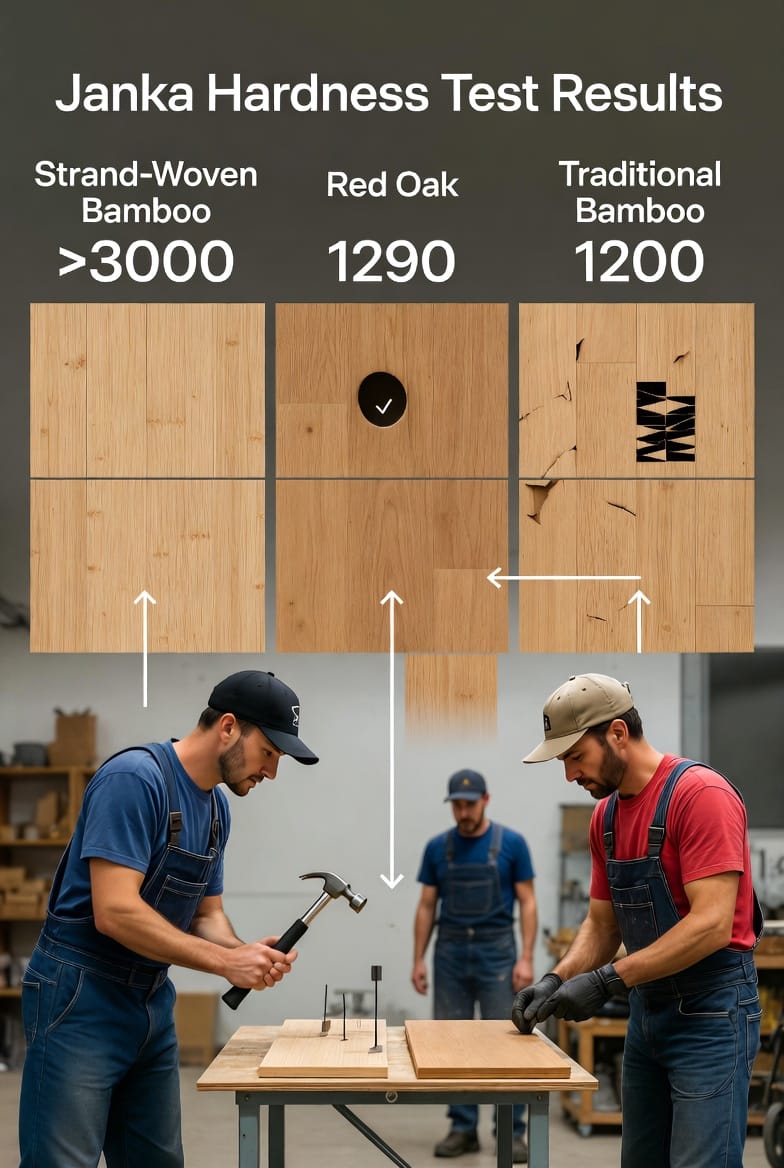
Traditional bamboo flooring is crafted by slicing mature bamboo poles into strips, boiling them to remove sugars, and then laminating them horizontally or vertically. This method preserves the natural grain, resulting in a visually appealing floor with a Janka hardness rating around 1,200-1,300 – comparable to softer woods like fir.
While it's a solid entry-level option, its limitations become apparent in demanding environments. The material's natural flexibility can lead to dents and scratches from furniture, pets, or high heels. Homeowners often report visible wear within 5-10 years in high-use areas.
Key Pros of Traditional Bamboo:
- Natural Look: Retains the authentic bamboo node patterns for an organic feel.
- Ease of Installation: Can be glued, nailed, or floated over subfloors.
- Affordability: Lower processing costs translate to budget-friendly pricing.
Key Cons and Risks:
- Lower Durability: Prone to moisture-related swelling if not properly sealed.
- Dent Susceptibility: Softer composition means everyday impacts can mar the surface.
- Limited Lifespan: May require refinishing or replacement sooner in active homes.
To mitigate these, always choose high-quality products with multiple UV-cured finish layers. Proper maintenance, like using felt pads under furniture, can extend its life significantly.
The Superior Strength of Strand-Woven Bamboo Flooring
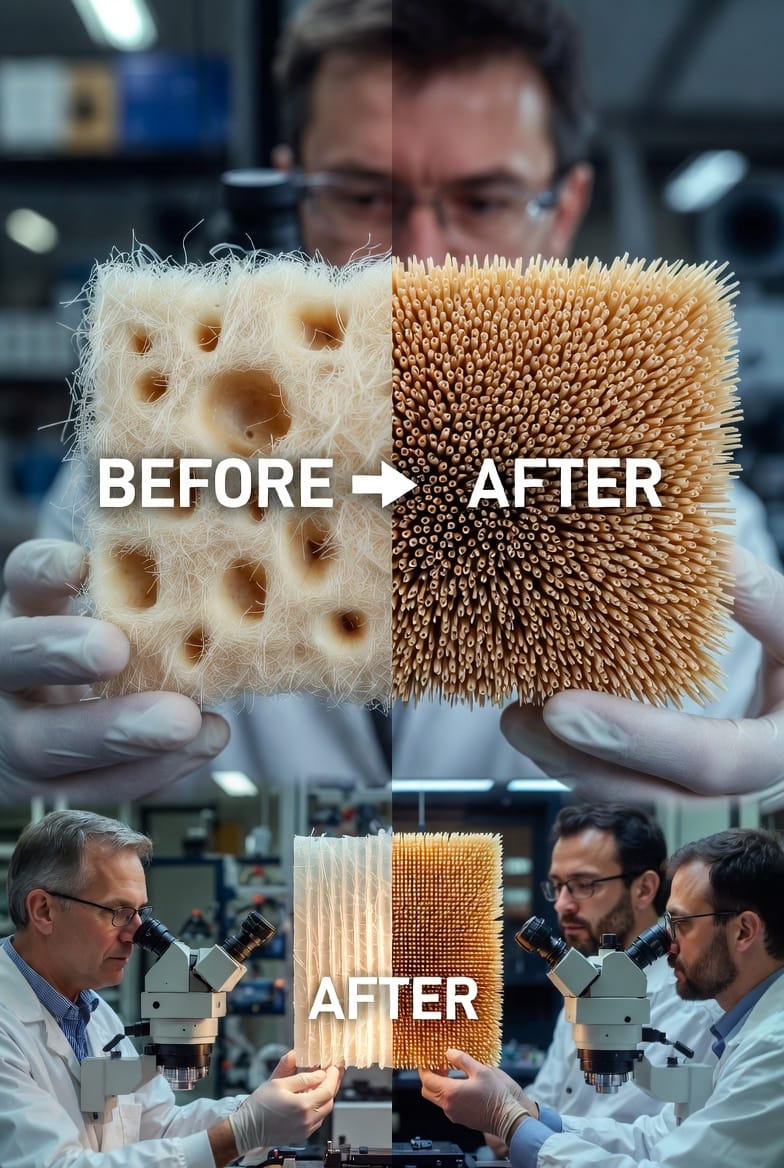
Enter strand-woven bamboo, a game-changer for those prioritizing longevity. This type is produced by shredding bamboo stalks into strands, mixing them with resin, and compressing them under extreme heat and pressure. The result? A dense, uniform material with no visible grains, boasting a Janka hardness exceeding 3,000 – harder than red oak (1,290) and even some exotic hardwoods.
This manufacturing process eliminates weak points, creating a floor that's exceptionally resistant to wear. Families with kids or pets find it holds up beautifully, with minimal denting even under heavy furniture.
Advantages of Strand-Woven Bamboo:
- Extreme Durability: Ideal for kitchens, hallways, and offices where traffic is constant.
- Moisture Resistance: The compression reduces porosity, though not fully waterproof.
- Eco-Upgrades: Uses more of the bamboo plant, minimizing waste.
Of course, it's not without considerations. The denser structure can make it slightly more challenging to cut during installation, and it may feel harder underfoot – a plus for stability but potentially less forgiving for standing long periods.
Durability Face-Off: Traditional vs. Strand-Woven Bamboo
When comparing durability, the numbers speak volumes. The Janka hardness test, which measures resistance to denting by embedding a steel ball into the wood, reveals stark differences.
- Traditional Bamboo: Rates 1,200-1,300, suitable for bedrooms or low-traffic zones but risks dents from impacts.
- Strand-Woven Bamboo: Scores 3,000+, outperforming red oak and providing peace of mind in bustling homes.
- Real-World Implications: In tests, strand-woven withstands drops from heavier objects without marking, while traditional may indent.
Factors like finish quality (aluminum oxide coatings add scratch resistance) and subfloor preparation also play roles. For ultimate durability, opt for strand-woven in humid climates or areas prone to spills.
Beyond hardness, consider expansion rates. Bamboo, being hygroscopic, absorbs moisture, so improper handling can lead to buckling. This is where acclimation shines.
Essential Acclimation: Preparing Your Bamboo for Success
Acclimation is non-negotiable for any bamboo flooring to prevent warping or gaps. It involves allowing the planks to adjust to your home's temperature and humidity for 72-96 hours before installation.
Step-by-Step Acclimation Guide:
- Unpack and Stack: Remove packaging and stack planks in the installation room, away from direct sunlight.
- Monitor Conditions: Ideal humidity: 35-55%; temperature: 60-80°F. Use a hygrometer to check.
- Time It Right: Extend to a week in extreme climates for best results.
Skipping this can result in costly issues like cupping. Rest assured, following manufacturer guidelines ensures a stable, beautiful floor.
Installation Requirements: DIY or Pro for Optimal Results
Installation method impacts durability, so choose wisely based on your subfloor and skill level.
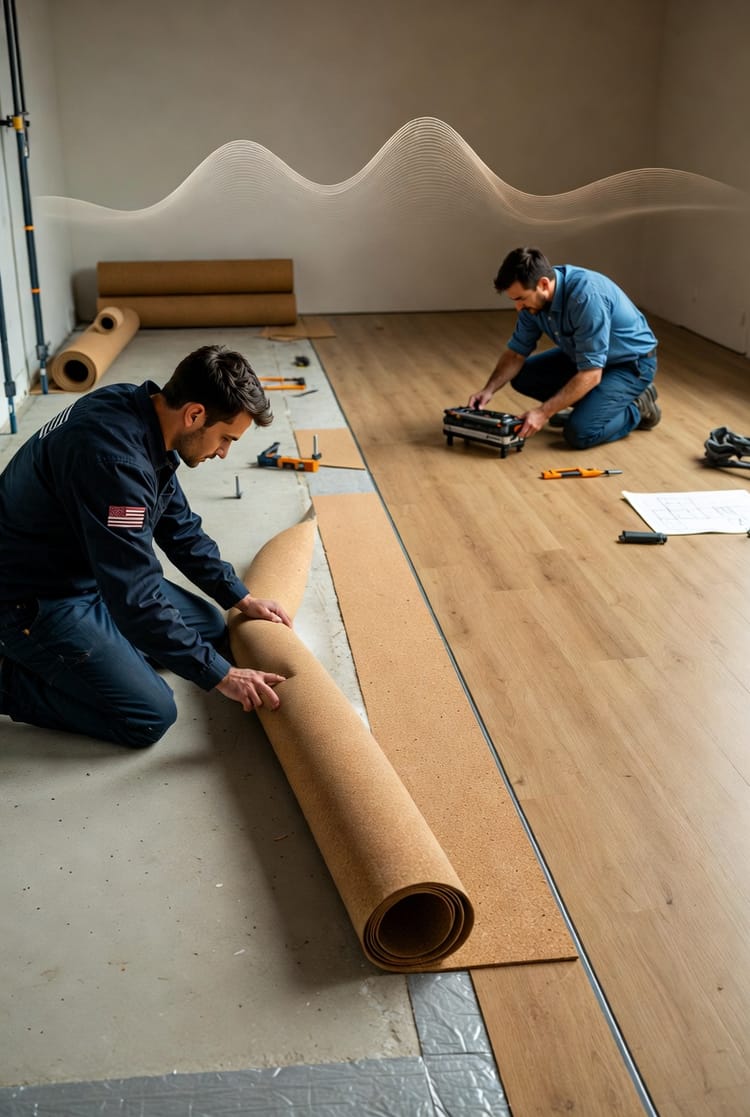
Floating Installation: Click-lock systems for easy DIY over concrete or existing floors; great for strand-woven's density. Glue-Down: Provides stability on plywood subfloors; recommended for traditional bamboo to prevent movement. Nail-Down: Traditional method for wood subfloors, enhancing solidity.
Professional Tips to Avoid Risks:
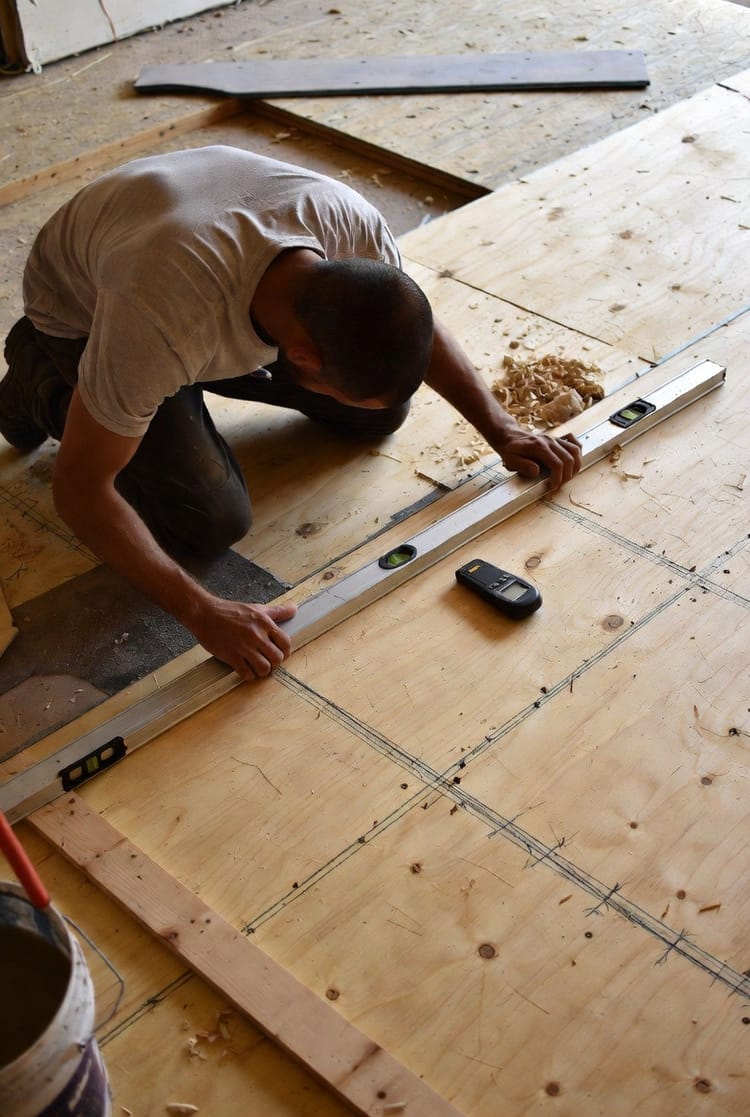
- Subfloor Prep: Ensure it's level, clean, and dry – unevenness can cause squeaks.
- Expansion Gaps: Leave 1/4-1/2 inch around perimeters to accommodate natural movement.
- Tools Needed: Quality saws for cutting dense strand-woven; moisture barriers for below-grade installs.
Hiring experts minimizes errors, especially with strand-woven's rigidity. Common mistakes, like inadequate adhesive, can void warranties.
Maintenance and Long-Term Care for Bamboo Floors
To preserve durability, regular care is key. Both types benefit from sweeping or vacuuming to remove grit, and damp mopping with pH-neutral cleaners.
- Preventive Measures: Use rugs in entryways, trim pet nails, and avoid excessive water.
- Refinishing Options: Strand-woven's hardness allows multiple sandings; traditional may need more frequent touch-ups.
- Warranty Insights: Most offer 25-50 years, contingent on proper installation and maintenance.
In humid areas, dehumidifiers help maintain stability, ensuring your investment lasts.
Environmental and Health Benefits of Choosing Bamboo
Beyond durability, bamboo supports healthier homes. It's low in VOCs when unfinished or with low-emission adhesives, improving indoor air quality. As a carbon sink, it contributes to sustainable living.
Certifications like FSC ensure ethical sourcing, reassuring you of its eco-credentials.
Common Myths Debunked: Is Bamboo Really Durable?
Myth: All bamboo is soft. Truth: Strand-woven rivals hardwoods. Myth: It's not for bathrooms. Truth: With proper sealing, it's viable in moderate-moisture areas. Myth: Installation is tricky. Truth: Pros handle it seamlessly.
Armed with facts, you can confidently select the right type.
Making the Right Choice for Your Home
Ultimately, strand-woven bamboo excels for durability in active spaces, while traditional bamboo suits serene settings. Factor in your lifestyle, budget, and aesthetics.
For personalized advice, reach out to specialists who understand these nuances.
Secure Long-Lasting Bamboo Beauty – Call for Expert Help