The Attic Autopsy: A Forensic Guide to Wildlife Entry Points and the Damage Left Behind
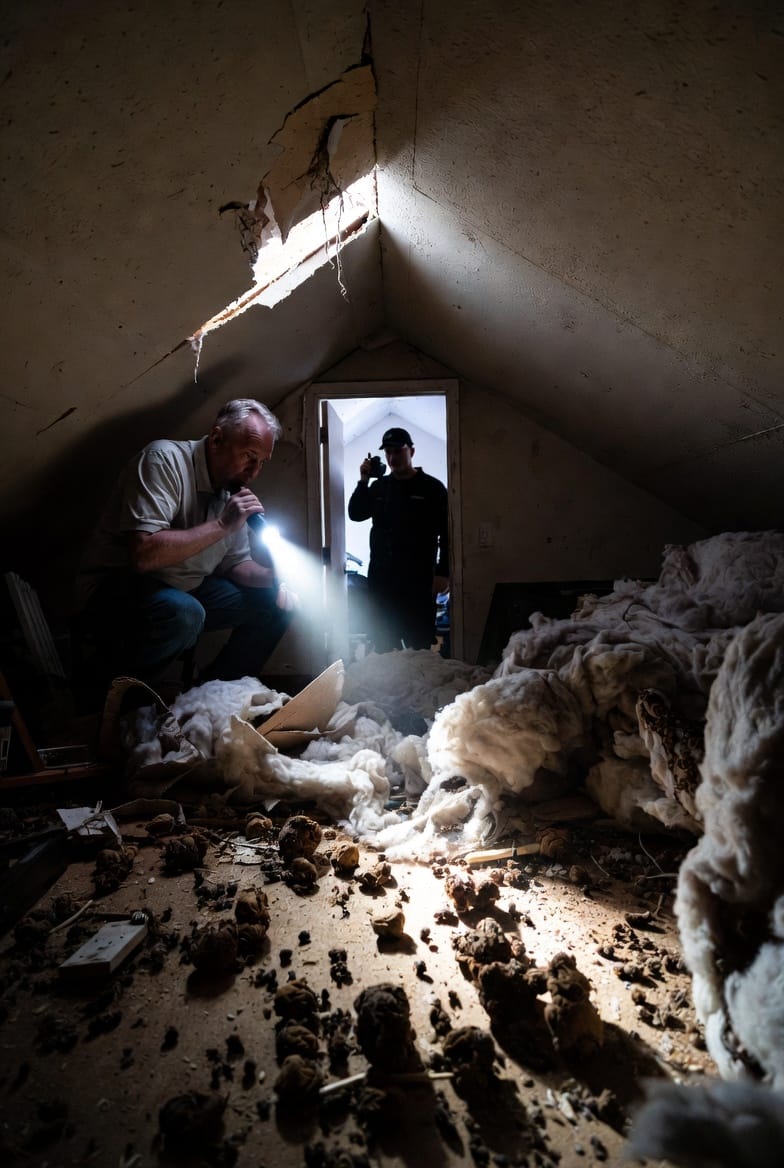
As a homeowner, discovering unwelcome guests in your attic can feel like stumbling upon a crime scene. But don't worry—armed with the right knowledge, you can conduct your own attic autopsy to uncover signs of wildlife intrusion. This comprehensive guide empowers you to inspect your attic safely and methodically, identifying entry points, droppings, nesting materials, and secondary damage. By understanding these clues, you'll prevent minor issues from turning into major headaches like structural weakening or health risks. We'll walk you through each step with an authoritative, reassuring approach, ensuring you're equipped to spot problems early. Remember, while self-inspection is a great start, professional help is often the best way to resolve persistent wildlife issues.
Stop Attic Intruders Today – Professional Removal & Cleanup Call
Why Conduct an Attic Autopsy?
Attics are prime real estate for wildlife seeking shelter, warmth, and food. Common culprits include rodents like mice and rats, squirrels, raccoons, bats, and even birds. These animals don't just pass through—they leave behind a trail of evidence that can compromise your home's integrity. An attic autopsy is essentially a forensic examination: you're the detective piecing together how they got in, what they've done, and how to evict them.
Ignoring these signs can lead to escalated problems, such as chewed electrical wires sparking fires, contaminated insulation spreading allergens, or structural damage from gnawing. According to industry experts, early detection can save homeowners thousands in repairs. This guide is designed to be your SEO-optimized resource for wildlife entry points in attics, helping you search terms like attic wildlife damage identification lead straight to actionable advice.
Safety First: Preparing for Your Inspection
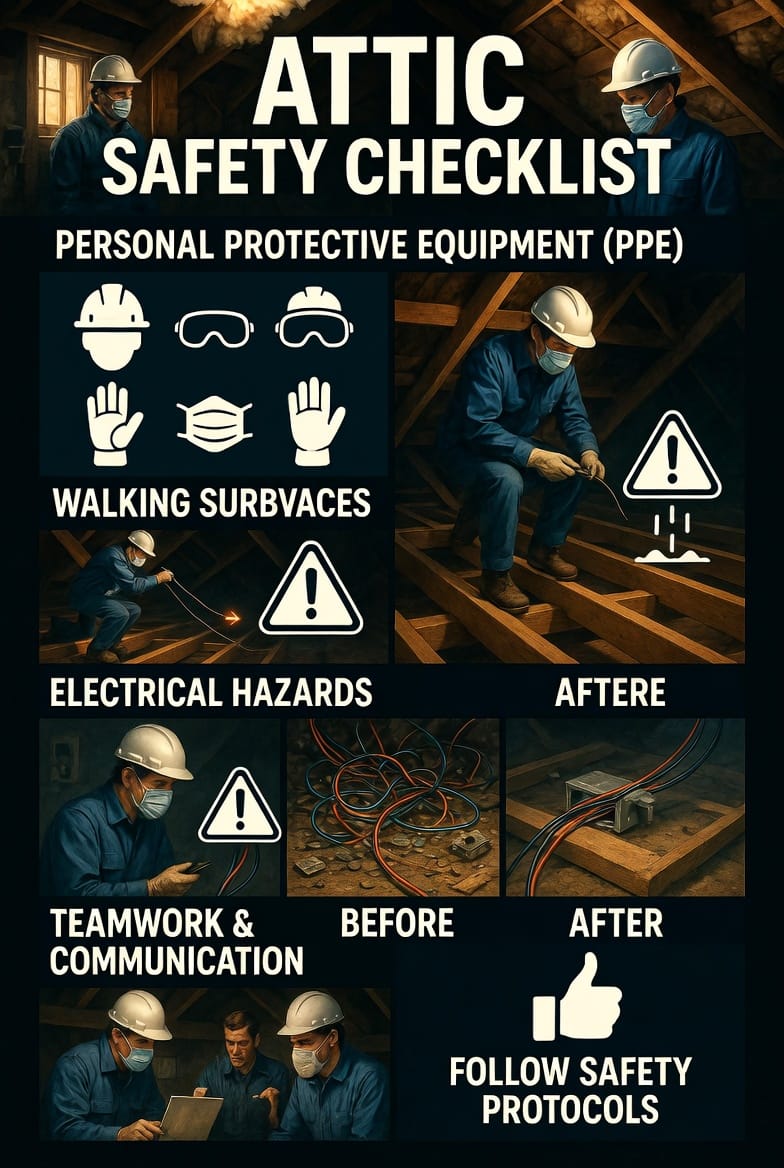
Before venturing into your attic, prioritize safety. Attics can be hazardous with uneven flooring, exposed wiring, and potential biohazards from animal waste. Approach this like a professional forensic team—methodical and protected.
- Gather Essential Gear: Wear personal protective equipment (PPE) including gloves, a dust mask or respirator, safety goggles, and long-sleeved clothing to avoid contact with droppings or insulation fibers.
- Lighting and Tools: Use a strong flashlight or headlamp for visibility in dark corners. Bring a notebook, camera, or smartphone to document findings.
- Structural Awareness: Step only on joists or beams to avoid falling through the ceiling. Check for weak spots or water damage beforehand.
- Health Precautions: If you suspect heavy contamination, especially from bats or rodents, consider postponing until a pro assesses risks like hantavirus or histoplasmosis.
- Timing and Backup: Inspect during daylight hours when animals are less active. Have a partner nearby for assistance or emergencies.
By preparing thoroughly, you'll conduct a safe, effective inspection that minimizes risks and maximizes insights.
Identifying Entry Points: The Breach in Your Defenses
Wildlife doesn't magically appear—they exploit vulnerabilities in your home's exterior. Entry points are often small but telling, and spotting them is the first step in your forensic guide.
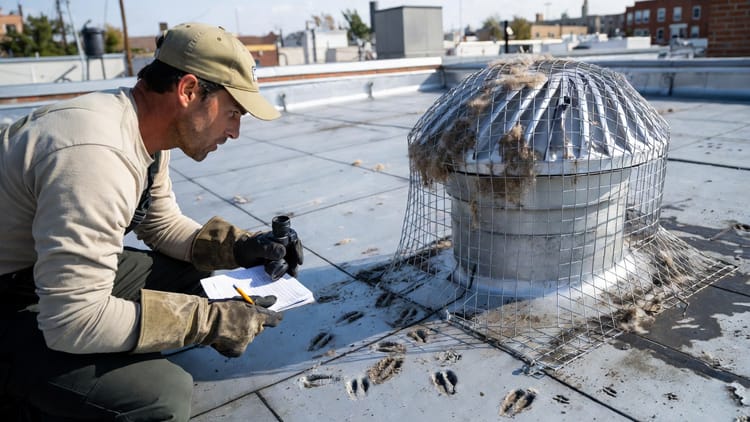
Start by examining the attic's perimeter, including eaves, vents, soffits, and rooflines. Look for gaps larger than a quarter-inch, as mice can squeeze through dime-sized holes, while rats need nickel-sized ones. Squirrels and raccoons require larger openings, often 3-4 inches.
Key signs include:
- Gnaw Marks: Fresh chew marks on wood or plastic, with tooth impressions varying by animal—rodents leave parallel grooves, squirrels create larger, irregular bites.
- Daylight Peeks: Visible light streaming through cracks or holes during the day indicates a breach.
- Grease Stains: Oily smears from fur rubbing against edges, common with rats.
- Debris Trails: Sawdust or wood shavings below potential entry points from gnawing activity.
Differentiate between active and old entries: Fresh gnaw marks are light-colored wood, while older ones darken with age. Seal suspected points temporarily with steel wool or hardware cloth, but consult pros for permanent fixes to avoid trapping animals inside.
Decoding Droppings: Nature's Calling Cards
Animal droppings, or guano and scat, are among the most reliable indicators of wildlife presence. Their size, shape, and composition reveal the culprit, much like fingerprints at a crime scene.
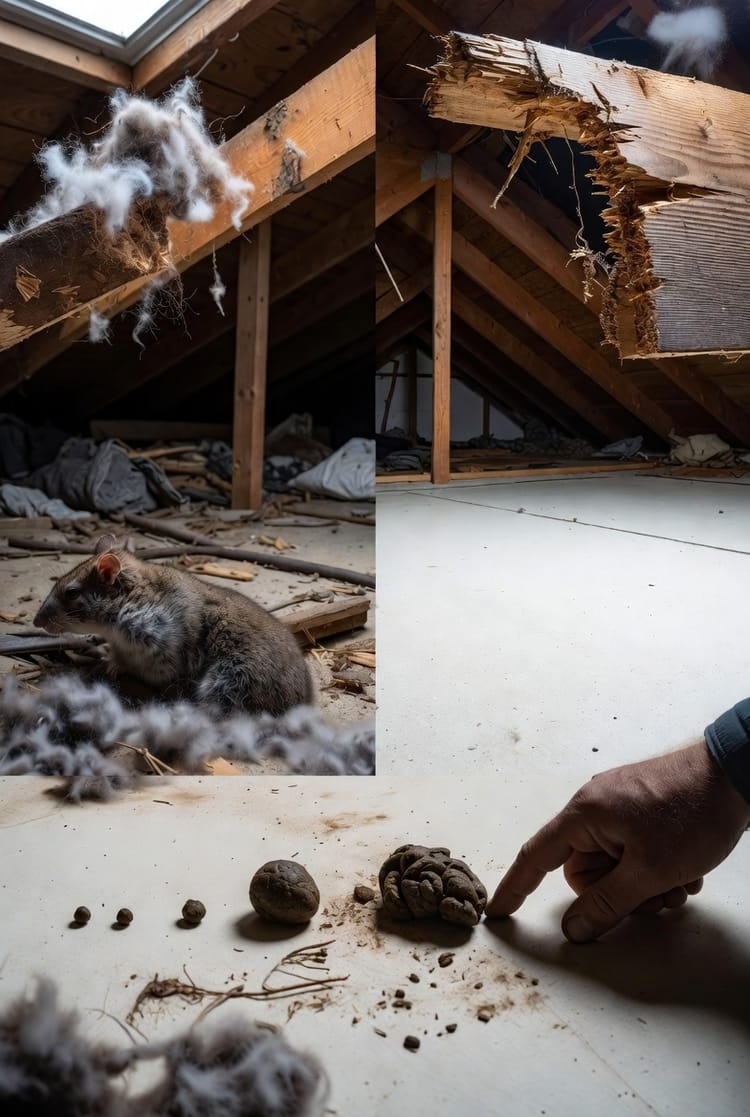
- Rodent Droppings: Mouse pellets are rice-sized (about 1/4 inch), dark, and pointed at both ends. Rat droppings are larger (1/2-3/4 inch), blunt-ended, and often found in clusters. Fresh ones are shiny and soft; old ones are dry and crumbly.
- Bat Guano: Shiny, segmented like mouse droppings but crumbles to reveal insect parts (bats eat bugs). Often piled below roosts, with a musty ammonia smell.
- Squirrel Scat: Barrel-shaped, about 1/2 inch, similar to rat but less uniform, sometimes containing nut shells.
- Raccoon Latrines: Larger piles (2-3 inches per piece), tubular with blunt ends, often containing seeds or fur—raccoons designate "latrine" areas.
Quantity matters: A few droppings might indicate a transient visitor, but accumulations suggest an established infestation. Always handle with care—use gloves and avoid stirring dust to prevent airborne pathogens.
Uncovering Nesting Materials: The Hidden Hideouts
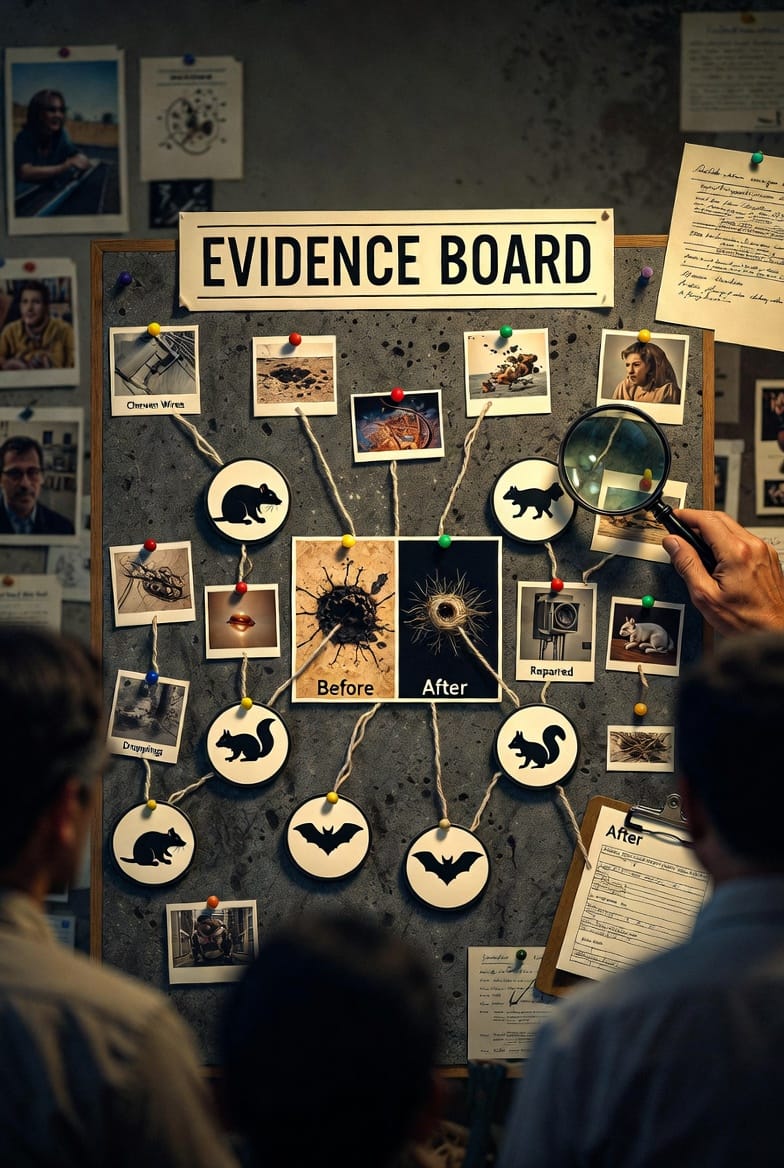
Wildlife builds nests for breeding and shelter, using scavenged materials that clutter your attic. Identifying these helps confirm species and assess infestation duration.
Common nesting signs:
- Shredded Insulation: Piles of torn fiberglass or cellulose, often urine-soaked and compacted into beds—rodents and squirrels are notorious for this.
- Gathered Debris: Leaves, twigs, paper, or fabric scraps. Birds use feathers and string; raccoons incorporate trash.
- Location Clues: Rodent nests are hidden in corners or boxes; bat roosts hang from rafters; squirrel nests are bulkier in eaves.
- Odors and Stains: Musty smells or yellow urine marks indicate active use.
Nests can harbor parasites like fleas or mites, so document without disturbing. Removing them yourself risks spreading contaminants—better to note and call experts.
Spotting Secondary Damage: The Ripple Effects
Beyond entry and waste, wildlife causes cascading harm that threatens your home's safety and value. This secondary damage is often the costliest aspect.
- Chewed Wires and Pipes: Exposed copper in electrical cables (fire hazard) or gnawed plumbing leading to leaks. Rodents chew constantly to file teeth.
- Soiled Insulation: Urine and feces saturate materials, reducing R-value and promoting mold. Bats' guano can corrode wood.
- Structural Weakening: Gnawed beams or joists compromise support. Squirrels enlarge holes, inviting water intrusion.
- Allergen Buildup: Dust from droppings and nests exacerbates allergies or asthma.
- Parasite Infestations: Ticks, mites, or fleas jump to human areas.
Quantify damage: Measure affected areas and photograph for insurance claims. Early intervention prevents escalation—sealing entries and cleaning up halts progression.
When to Call in the Professionals
While this guide equips you for a thorough self-inspection, some situations demand expert intervention. If you find extensive damage, live animals, or health risks, don't hesitate. Professionals use specialized tools like endoscopes for hidden areas and ensure humane removal compliant with laws (e.g., bat protections).
Signs it's time for pros:
- Overwhelming odors or large droppings piles.
- Electrical issues or water damage.
- Suspected endangered species like bats.
Rest assured, addressing wildlife promptly restores your attic to a safe, pest-free space.
Conclusion: Empowering Your Home Defense
Conducting an attic autopsy transforms you from passive homeowner to proactive guardian. By mastering identification of entry holes, guano differentiation, nesting materials, and secondary damage, you're safeguarding your property and family. Regular inspections—ideally biannually—keep intrusions at bay.
Restore Your Attic – Expert Inspection & Humane Removal – Call Today