The Armadillo Digging Problem: Managing These Nocturnal Burrowers in Southern Landscapes
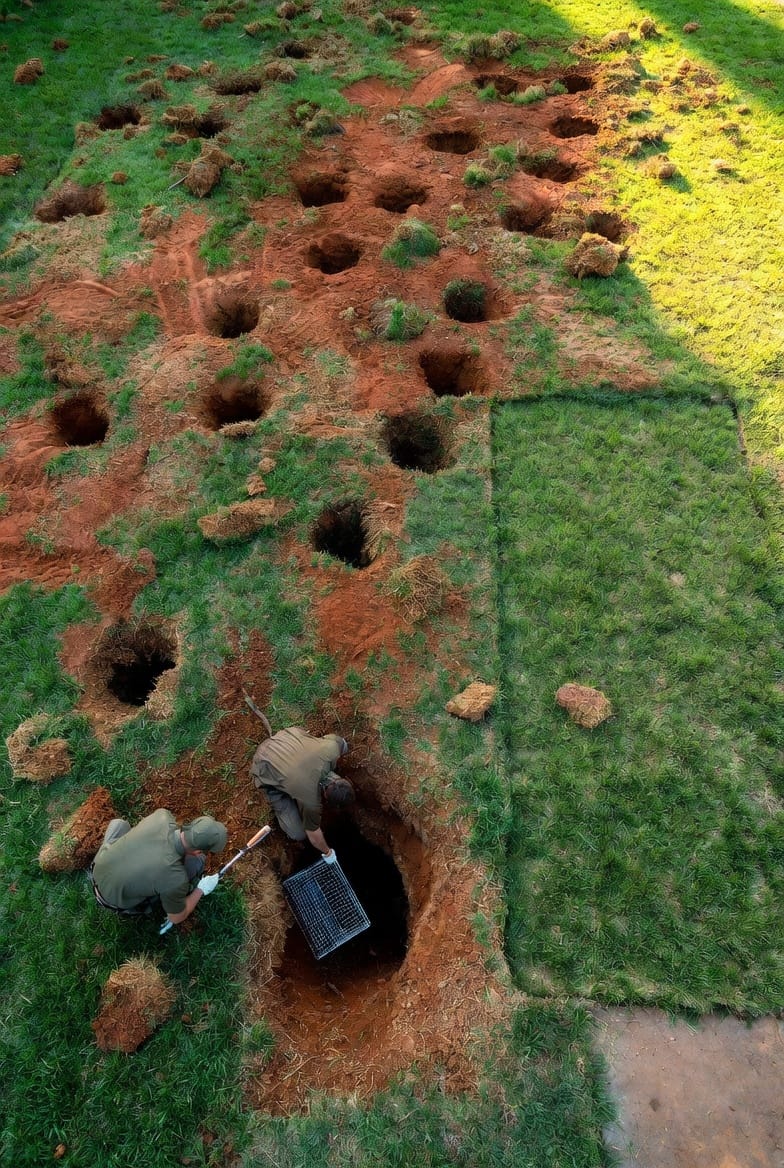
Southern homeowners know the frustration all too well. Overnight, a once-pristine lawn becomes a patchwork of craters and upheaval. Armadillo digging is more than a minor annoyance—it is a persistent regional nuisance that disrupts landscapes, undermines property value, and creates safety hazards across Texas, Florida, Louisiana, Georgia, and beyond.
End the Digging Destruction – Call Our Armadillo Specialists Today
These armored nocturnal burrowers follow their instincts with relentless precision. Understanding their behavior is the first step toward effective, long-term management. With the right knowledge and humane solutions, you can reclaim your yard without harm to the animal or your peace of mind. Our wildlife removal specialists have helped thousands of Southern families resolve armadillo digging issues quickly and permanently.
Understanding Armadillo Behavior: Nocturnal Hunters in Search of Grubs
Armadillos are primarily nocturnal, emerging after sunset to forage when temperatures are cooler and prey is most active. Their powerful front claws and sensitive snouts are perfectly adapted for digging for grubs—the soft-bodied larvae of beetles that live just beneath the soil surface. A single armadillo can excavate dozens of small conical holes in one night, each up to eight inches deep, as it probes for this high-protein food source.
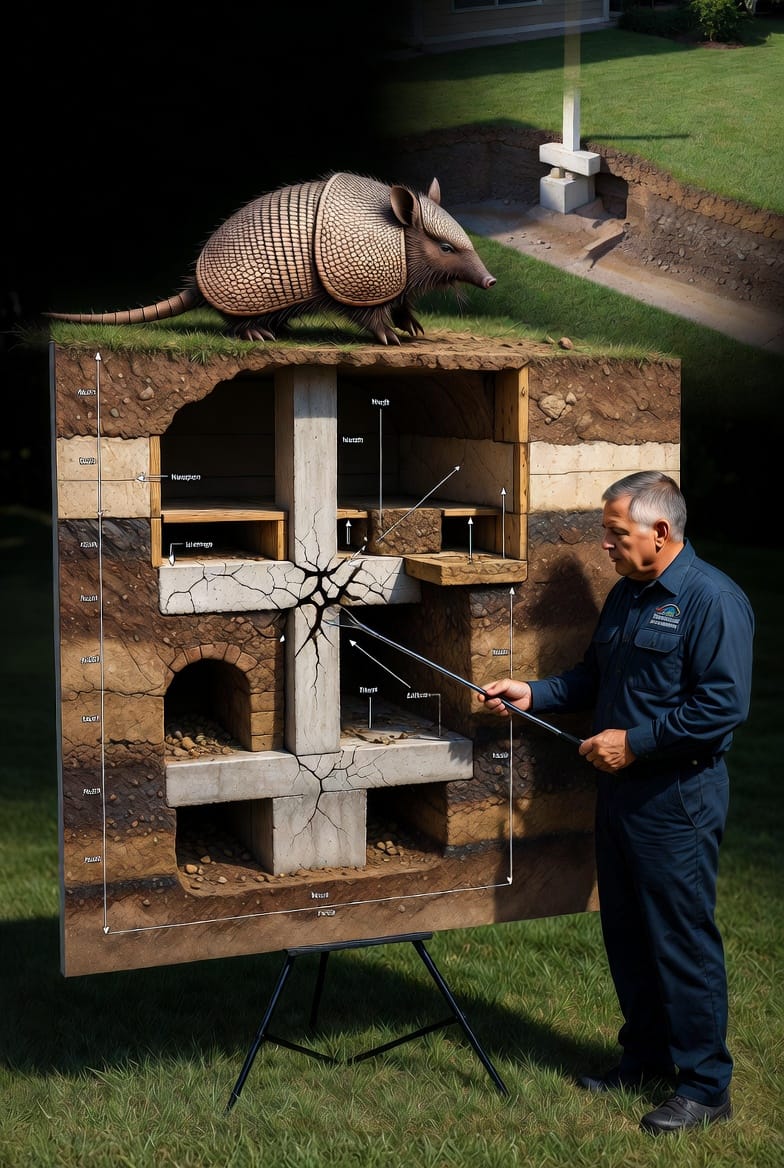
In Southern landscapes, the combination of warm, moist soil and abundant insect life creates ideal conditions. The nine-banded armadillo, now widespread across the region, also constructs larger burrows for shelter and nesting. These tunnels can extend ten to twenty feet horizontally and reach depths of two to four feet, often placed beneath structures for protection.
Because they are solitary and territorial, one animal can create an extensive network of tunnels and feeding holes within weeks. Their poor eyesight is offset by an exceptional sense of smell, allowing them to locate grubs from several yards away. This burrowing behavior is not random; it follows predictable patterns tied to food availability and safety.
Homeowners often notice the damage only in the morning, when fresh mounds of displaced soil appear. Repeated activity compacts surrounding earth and weakens root systems, setting the stage for larger problems.
The Damage Caused by Armadillo Activity: More Than Just Unsightly Holes
The visible signs of armadillo digging are only the beginning. Each conical hole destroys turf, invites weeds, and creates tripping hazards for children and pets. Over time, extensive foraging turns manicured lawns into uneven, patchy surfaces that are difficult and expensive to repair.
More serious risks emerge when armadillos burrow under structures. Tunnels beneath foundations, patios, sidewalks, or retaining walls can cause settling, cracking, and costly structural damage. In extreme cases, undermined slabs shift, leading to uneven floors or water intrusion during heavy Southern rains.
Gardens and landscaping suffer as well. Vegetable beds are uprooted, ornamental plants lose stability, and irrigation lines can be severed by persistent digging. The disturbed soil also promotes erosion on slopes and around drainage areas.
Property values can decline when prospective buyers see widespread armadillo damage. Insurance policies rarely cover wildlife-related issues, leaving homeowners responsible for both repair and prevention. The stress of recurring overnight destruction affects quality of life and outdoor enjoyment.
Why Southern Landscapes Are Especially Vulnerable
The nine-banded armadillo thrives in the mild winters and extended growing seasons of the South. Soft, workable soils in coastal plains and river valleys make digging effortless. Abundant rainfall keeps the ground moist, drawing insects closer to the surface.
Urban expansion has pushed armadillos into suburban yards where natural predators are fewer and food sources are plentiful. Once established, their population expands steadily because females produce identical quadruplets each year.
This regional pattern means Southern homeowners face a higher risk than those in northern climates. Early intervention is essential before the armadillo digging problem escalates from seasonal nuisance to year-round crisis.
Humane Trapping and Exclusion: Proven Methods That Work
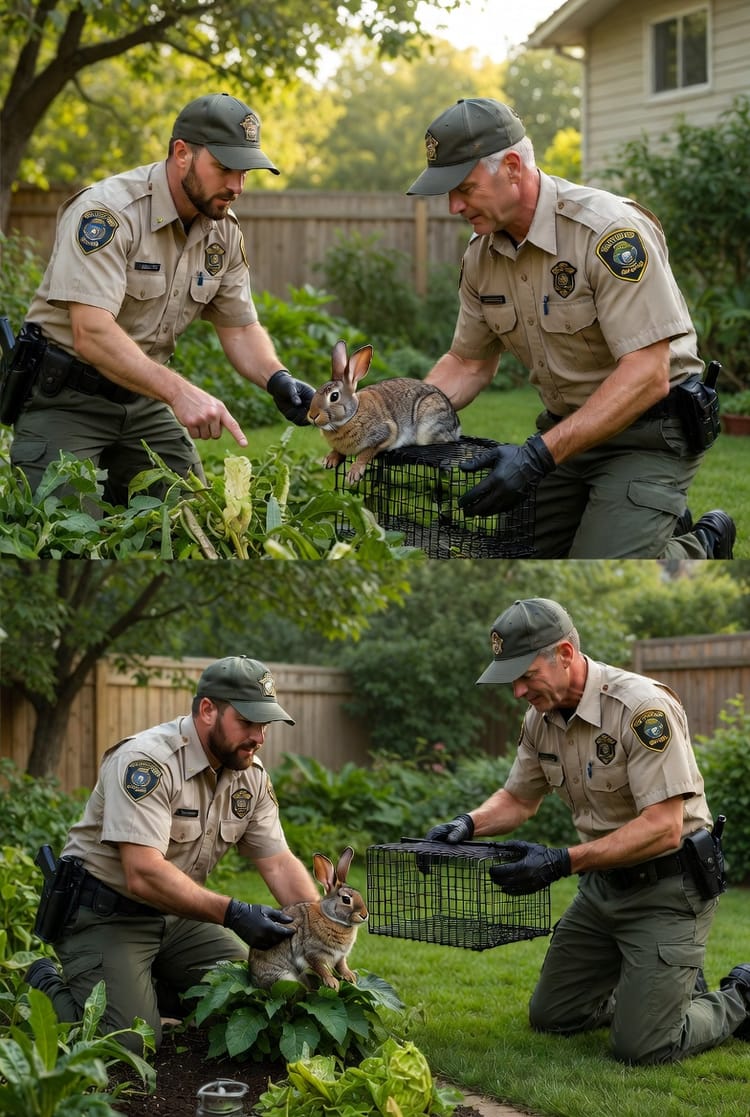
Effective management focuses on humane, targeted solutions rather than broad eradication. Humane trapping uses baited live traps placed along travel routes near active burrows. Grubs, earthworms, or commercially prepared lures attract the animal without causing stress. Once captured, the armadillo is relocated to suitable habitat far from residential areas, following all state and federal guidelines.
Exclusion techniques prevent re-entry. Heavy-gauge wire mesh buried at least eighteen inches deep and extending outward at a 90-degree angle creates an underground barrier. Above-ground fencing with a smooth outward curve stops climbing attempts. These barriers are installed around vulnerable structures, gardens, and high-value landscaping.
When combined, trapping and exclusion deliver immediate relief and long-term protection. Professional installation ensures proper depth, overlap, and anchoring so the solution lasts for years.
Integrated Management Strategies: Addressing the Root Causes
Long-term success requires more than removal—it demands prevention. Our approach includes three coordinated steps that target both the animal and its incentives to return.
- Grub control reduces the primary food source. Targeted, pet-safe treatments applied at the correct soil depth eliminate larvae without harming beneficial insects or the environment. Healthier turf follows naturally.
- Exclusion fencing creates physical barriers that armadillos cannot bypass. Custom designs blend seamlessly with existing landscaping while providing maximum protection.
- Live trapping and relocation removes the current burrower humanely. Monitoring ensures no new animals move in during the transition period.
Additional preventive measures include removing brush piles, sealing crawl spaces, and maintaining consistent lawn moisture levels that discourage surface foraging. Regular property inspections catch early signs of activity before damage spreads.
Restoring Your Landscape After Armadillo Activity
Once the animals are managed, professional restoration begins. Soil is backfilled and compacted properly, new sod or seed is installed, and irrigation is adjusted for even recovery. Within weeks, the yard regains its lush, level appearance. Many clients report that the repaired areas are healthier than before because grub populations have been brought under control.
When to Call the Professionals
DIY attempts often fail because armadillos quickly learn to avoid poorly placed traps or incomplete barriers. Homeowners risk injury from improper handling or accidental contact with wildlife diseases.
Our armadillo specialists bring the right equipment, local knowledge, and guaranteed results. We assess each property individually, develop a customized plan, and stand behind our work with follow-up visits. Peace of mind comes standard.
Southern families deserve yards they can enjoy without constant worry. Armadillo digging does not have to define your landscape. With expert guidance and humane techniques, you can protect your investment and restore the beauty of your outdoor space.
Our team remains on call throughout the region, ready to respond quickly when signs of activity appear. Early action saves time, money, and frustration.
Stop the digging destruction. Your Southern landscape deserves expert care—let us deliver it.
Protect Your Southern Lawn from Armadillos – Call Now!