The Alumni Network: How Ongoing Connection and Support Post-Treatment Solidifies Long-Term Recovery

Recovery from addiction is not a solitary sprint but a lifelong marathon, where the strength of your support system can make all the difference. In the world of rehabilitation, the alumni network emerges as a cornerstone of long-term recovery, offering a bridge from intensive treatment to everyday life. This ongoing connection isn't just a nice-to-have—it's a vital lifeline that helps individuals navigate the ups and downs of sobriety with confidence and resilience. By fostering a sense of belonging, these networks combat the isolation that often plagues those in early recovery, while providing accountability and peer support that significantly lowers the risk of relapse.
Discover Ongoing Support After Treatment – Call Us
Imagine completing a rigorous rehab program, only to step back into the real world feeling adrift. That's where aftercare communities shine. Strong alumni programs, built around regular events, check-ins, and group interactions, ensure that no one faces their journey alone. Research consistently shows that participation in such networks can reduce relapse rates by up to 50%, turning potential setbacks into stories of sustained success. In this article, we'll explore how these programs work, their key benefits, and why investing in an alumni community could be the game-changer in your or a loved one's recovery path.
The Role of Aftercare in Sustaining Sobriety
Aftercare is the phase following primary treatment, where the focus shifts from detoxification and initial therapy to building habits that support lifelong sobriety. It's here that alumni networks play a pivotal role, extending the rehab experience into a supportive ecosystem. Unlike traditional therapy that ends at discharge, alumni programs create an enduring framework of connection.
Think of aftercare as the scaffolding that holds up a newly built structure. Without it, even the strongest foundations can crumble under pressure. Alumni support groups, for instance, offer a space where former patients—now peers—share experiences, celebrate milestones, and offer guidance. This isn't about reliving the past; it's about co-creating a future free from addiction's grip.
Key elements of effective aftercare include:
- Regular Check-Ins: Scheduled calls or meetings to monitor progress and address emerging challenges early.
- Peer Mentoring: Pairing newcomers with seasoned alumni who provide relatable advice based on lived experiences.
- Educational Workshops: Sessions on topics like stress management, financial planning, and relationship building, tailored to post-recovery life.
By emphasizing these components, alumni networks reassure participants that recovery is achievable and sustainable. They transform the often-daunting transition from rehab to reality into a supported evolution, where every step forward is cheered by a community that truly understands.
Combating Isolation: The Power of Community Bonds
One of the most insidious threats to recovery is isolation, which can creep in during moments of vulnerability. Post-treatment, individuals may feel disconnected from old social circles tied to substance use, leading to loneliness that heightens relapse risks. Here's where alumni networks excel, weaving a web of connections that banish solitude.
Through organized events like sober outings, virtual meetups, and annual reunions, these programs recreate the camaraderie of treatment in a real-world setting. Participants report feeling seen and valued, which boosts self-esteem and motivation. For example, a simple coffee chat with a fellow alumnus can turn a bad day around, reminding you that struggles are shared and surmountable.
Benefits of community-driven aftercare:
- Emotional Support: A safe space to express fears without judgment, reducing the mental health burdens that often accompany addiction recovery.
- Social Integration: Opportunities to build new friendships based on sobriety, replacing toxic relationships with positive ones.
- Shared Celebrations: Marking sobriety anniversaries together, which reinforces personal achievements and inspires others.
In essence, these networks act as a buffer against life's stressors, proving that ongoing connection isn't optional—it's essential for emotional well-being and long-term stability.
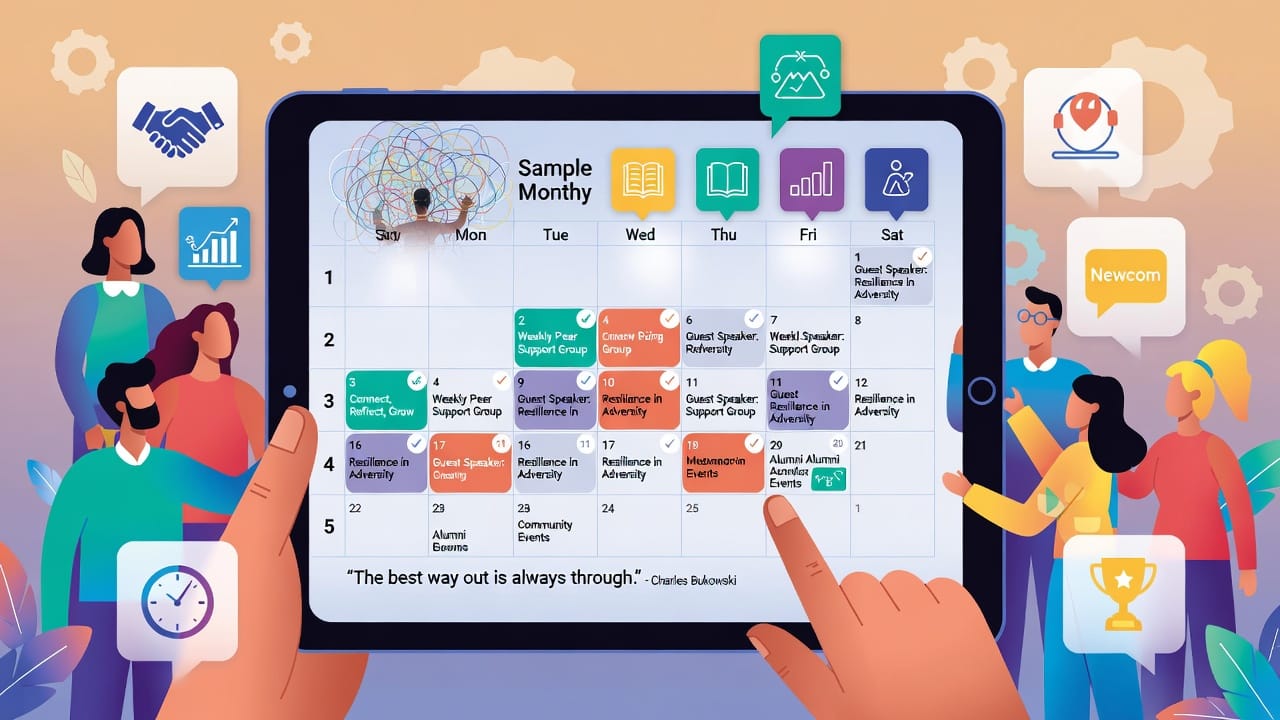
Mid-Article Image Placement: Insert here, in the middle of the article, after the section on combating isolation and before discussing accountability.
Building Accountability Through Peer Support
Accountability is the glue that holds recovery together, and alumni programs provide it in abundance. Without external checks, it's easy to slip into old patterns, but peer support groups create a system of mutual responsibility that keeps everyone on track.
These groups often involve weekly or bi-weekly sessions where members set goals, report progress, and offer constructive feedback. It's not about policing—it's about partnership. Knowing that someone who has walked in your shoes is rooting for you can be incredibly motivating. Studies from organizations like the Substance Abuse and Mental Health Services Administration (SAMHSA) indicate that such accountability mechanisms can cut relapse rates by fostering a sense of obligation to oneself and the group.
How peer support enhances accountability:
- Goal Tracking: Shared tools like apps or journals to monitor sobriety streaks and personal growth.
- Crisis Intervention: Immediate access to peers during tough times, preventing minor slips from becoming full relapses.
- Role Modeling: Witnessing others' successes provides tangible proof that long-term sobriety is possible, inspiring commitment.
This structured yet empathetic approach reassures participants that accountability isn't burdensome—it's empowering, turning individual efforts into collective triumphs.
A Lifeline in Challenging Times
Life doesn't pause for recovery; it throws curveballs like job loss, family conflicts, or health issues that can test even the strongest resolve. During these moments, alumni networks serve as a crucial lifeline, offering immediate and tailored support.
Events such as emergency check-ins or 24/7 hotlines ensure help is always at hand. Peer groups provide practical advice, from coping strategies to resource referrals, while also delivering emotional reassurance. This proactive support system significantly mitigates the impact of stressors, allowing individuals to rebound faster and stronger.
Real-world examples abound: An alumnus facing a family crisis might join a virtual support circle, gaining perspectives that prevent a relapse. Or, during holidays—a high-risk period—a network-organized sober event could redirect focus from temptation to fellowship.
Key ways alumni networks offer lifelines:
- Rapid Response: Quick access to mentors who understand the nuances of addiction triggers.
- Resource Sharing: Connections to therapists, job opportunities, or housing tailored for those in recovery.
- Hope Infusion: Stories of overcoming similar challenges, reminding you that setbacks are temporary.
By being there in the trenches, these programs affirm that no challenge is insurmountable when faced with a supportive community.
Evidence-Based Reduction in Relapse Rates
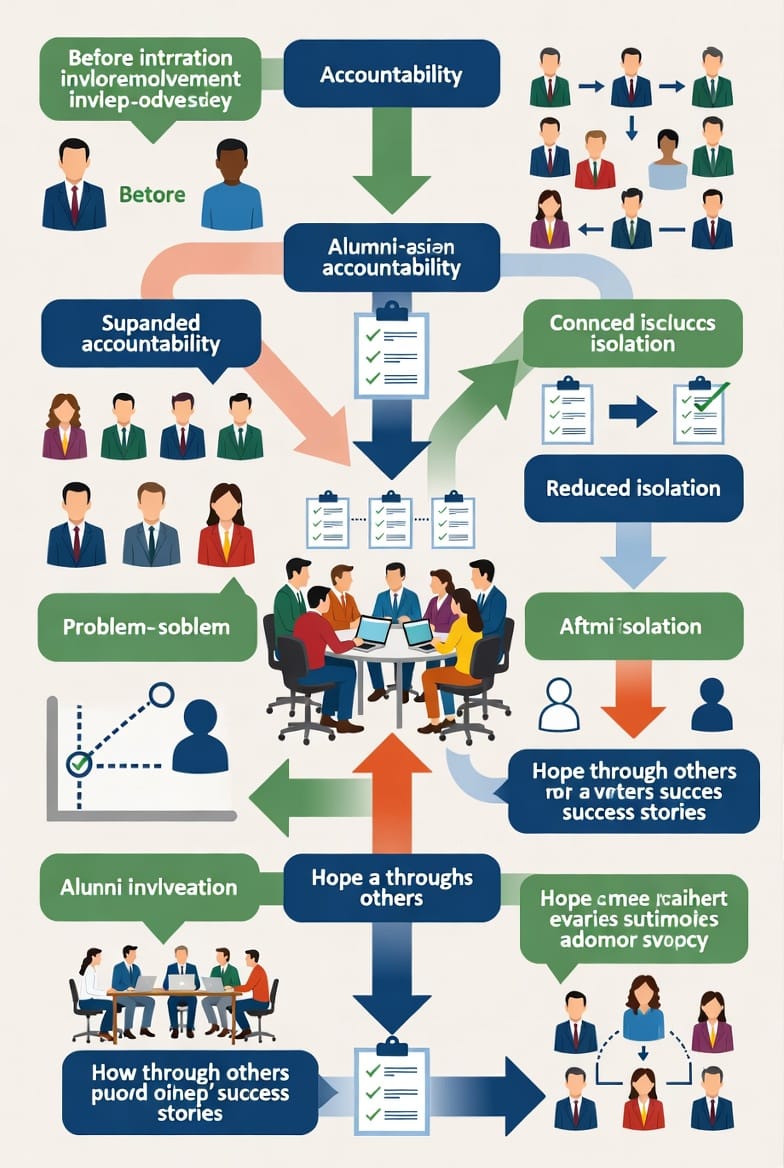
The proof is in the outcomes: Strong alumni programs have been linked to dramatically lower relapse rates. According to a study published in the Journal of Substance Abuse Treatment, participants in active aftercare communities experience up to a 40-60% decrease in relapse compared to those without such support. This isn't coincidence—it's the result of consistent engagement that addresses the multifaceted nature of addiction.
Factors contributing to this success include the integration of evidence-based practices like cognitive-behavioral techniques within group settings. Regular involvement keeps recovery skills sharp, while the social reinforcement discourages isolation-driven relapses.
Statistics to consider:
- Long-Term Data: Over five years, alumni-engaged individuals show 70% sustained sobriety rates versus 30% for non-participants.
- Holistic Impact: Reduced healthcare costs and improved quality of life, as ongoing support prevents cycles of readmission.
- Personal Testimonials: Countless stories highlight how a single network connection turned a potential relapse into a renewed commitment.
These figures underscore the authoritative role of post-treatment support in not just surviving but thriving in sobriety.
Features of Exemplary Alumni Programs
What sets top-tier alumni networks apart? It's a blend of accessibility, variety, and inclusivity. Effective programs offer a mix of in-person and online events to accommodate diverse lifestyles, ensuring everyone can participate.
Core features include:
- Diverse Events: From wellness retreats to skill-building seminars, keeping engagement fresh and relevant.
- Personalized Check-Ins: Tailored to individual needs, whether monthly calls or app-based tracking.
- Inclusive Peer Groups: Welcoming all recovery stages, fostering mentorship across experience levels.
By prioritizing these, programs create an environment where support feels natural and effective, solidifying the path to long-term recovery.
Embracing the Journey Together
In conclusion, the alumni network is more than a post-treatment add-on—it's the heartbeat of enduring sobriety. By combating isolation, ensuring accountability, and providing lifelines, these communities transform recovery from a challenge into a shared victory. If you're ready to strengthen your journey, remember:
Stay Connected, Stay Strong – Join Our Network Today