The Air Abrasion Alternative: Minimally Invasive Drill-Free Dentistry for Early Cavities and Sealants
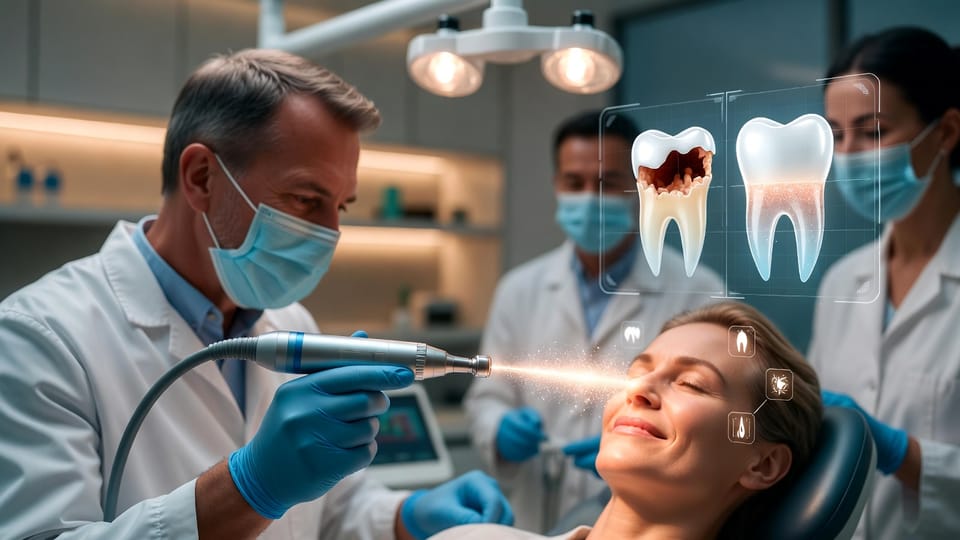
In the world of modern dentistry, patients are increasingly seeking treatments that prioritize comfort, precision, and preservation of natural tooth structure. Air abrasion emerges as a groundbreaking alternative, offering a drill-free approach to handling early cavities and sealants. This minimally invasive technique uses a fine stream of particles to gently remove decay, eliminating the heat, vibration, and noise associated with traditional drills. For many, it means no need for anesthesia, especially with small cavities, making dental visits far less daunting. As we explore this innovative technology, you'll discover how it can enhance your oral health journey with reassurance and efficiency.
844) 578-2871
Discover Gentle Air Abrasion Today – Call Us!
Understanding Air Abrasion Technology
At its core, air abrasion is a sophisticated method that resembles a miniature sandblaster tailored for dental precision. It propels a controlled stream of abrasive particles—typically aluminum oxide or silica—at high speed toward the affected tooth area. This stream selectively erodes decayed enamel and dentin while leaving healthy tissue intact. Unlike conventional drilling, which generates friction-induced heat and uncomfortable vibrations, air abrasion operates coolly and quietly, often described by patients as a gentle "whooshing" sensation.
Developed in the mid-20th century but refined with today's advanced materials, this technology has gained traction in progressive dental practices. It's particularly appealing for those who experience dental anxiety, as the absence of the drill's whirring sound reduces psychological stress. Studies from reputable dental associations highlight its efficacy in early intervention, where preserving tooth integrity is paramount. By targeting only the decayed portions, air abrasion aligns with the principles of minimally invasive dentistry, ensuring longer-lasting natural teeth.
Consider the mechanics: The handpiece, ergonomically designed for accuracy, allows dentists to adjust particle size, speed, and pressure. This customization ensures treatment is tailored to each patient's needs, from superficial stains to incipient cavities. Importantly, the process generates minimal aerosol compared to high-speed drills, enhancing safety in clinical settings.
The Benefits of Going Drill-Free
Switching to air abrasion brings a host of advantages that make it a preferred choice for both patients and practitioners. Here's a breakdown in key areas:
- Enhanced Comfort: Without the drill's heat and vibration, treatments are often painless, reducing or eliminating the need for local anesthesia. This is especially beneficial for children and sensitive individuals.
- Preservation of Tooth Structure: Traditional methods can remove more healthy enamel than necessary. Air abrasion's precision targets only decay, maintaining the tooth's natural strength and aesthetics.
- Reduced Noise and Anxiety: The quiet operation transforms the dental experience, helping patients feel more at ease and encouraging regular check-ups.
- Faster Procedures: For early cavities, sessions are quicker, allowing you to return to your day with minimal disruption.
- Versatility in Applications: Beyond cavities, it's ideal for preparing surfaces for sealants, removing old composites, and even cosmetic enhancements like stain removal.
Patients often report a sense of empowerment knowing their treatment aligns with cutting-edge, patient-centered care. In fact, feedback from clinical trials underscores higher satisfaction rates, with many noting it feels like a "spa-like" dental visit rather than a clinical ordeal.
How Air Abrasion Works in Practice
The procedure begins with a thorough examination, often using digital imaging to pinpoint early decay. Once identified, the dentist isolates the area with a rubber dam or suction to contain particles. The handpiece is then positioned, and the particle stream is activated, gently abrading the decay in layers. Real-time monitoring ensures complete removal without over-preparation.
Post-abrasion, the site is cleaned, and restorative materials like composites or sealants are applied seamlessly. The entire process for a small cavity might take just 10-20 minutes, compared to longer drill-based sessions. Safety measures include protective eyewear for all involved and high-volume evacuation systems to manage any airborne particles.
What sets this apart is its biocompatibility—particles are biocompatible and non-toxic, posing no long-term risks. Dentists trained in this technique emphasize its role in preventive care, catching issues before they escalate.
Ideal Cases for Air Abrasion
This technology shines in specific scenarios where minimal intervention yields maximum results. It's not a one-size-fits-all solution but excels in:
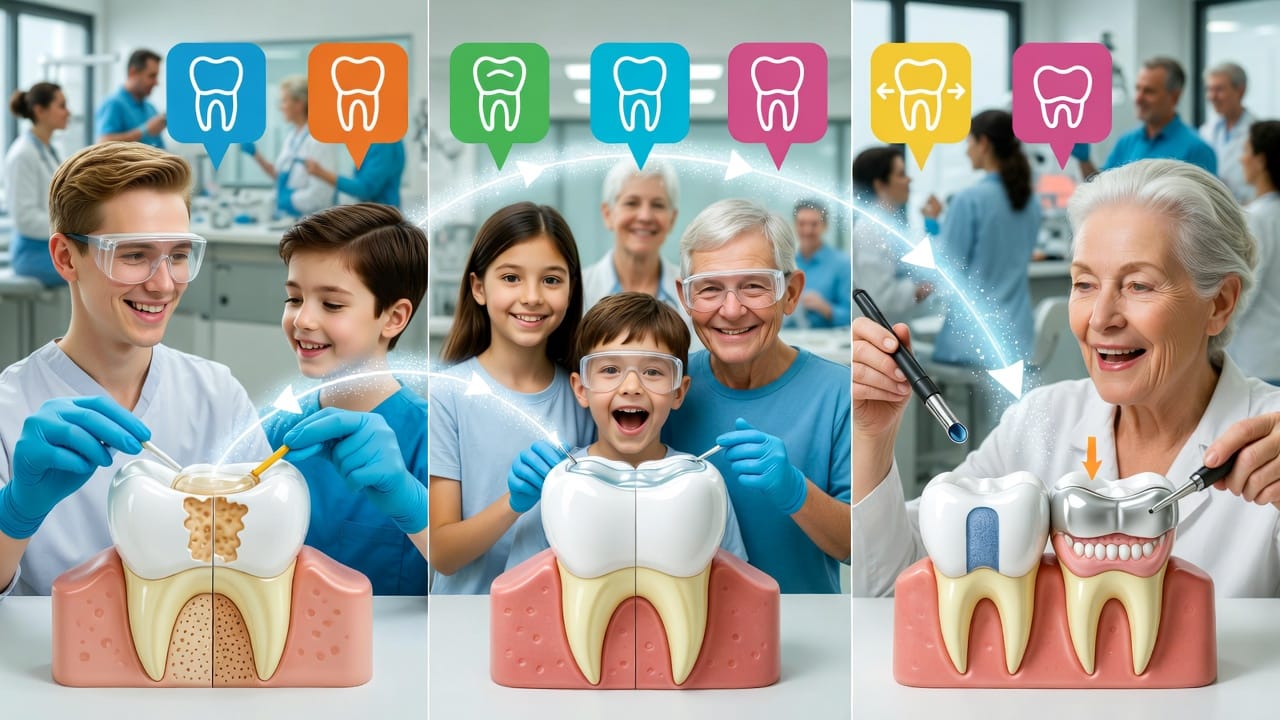
- Small Pit-and-Fissure Cavities: These early-stage decays in tooth grooves are precisely removed without affecting surrounding areas, preventing further progression.
- Preparing Teeth for Sealants: Air abrasion creates an ideal micro-rough surface for sealants to bond effectively, offering long-term protection against cavities in molars.
- Removing Old Composite Fillings: Gently eroding outdated restorations without damaging underlying tooth structure, facilitating smooth replacements.
For patients with enamel defects or those seeking cosmetic touch-ups, it's a game-changer. Pediatric dentistry particularly benefits, as children tolerate it well, fostering positive lifelong habits.
Comparing Air Abrasion to Traditional Drilling
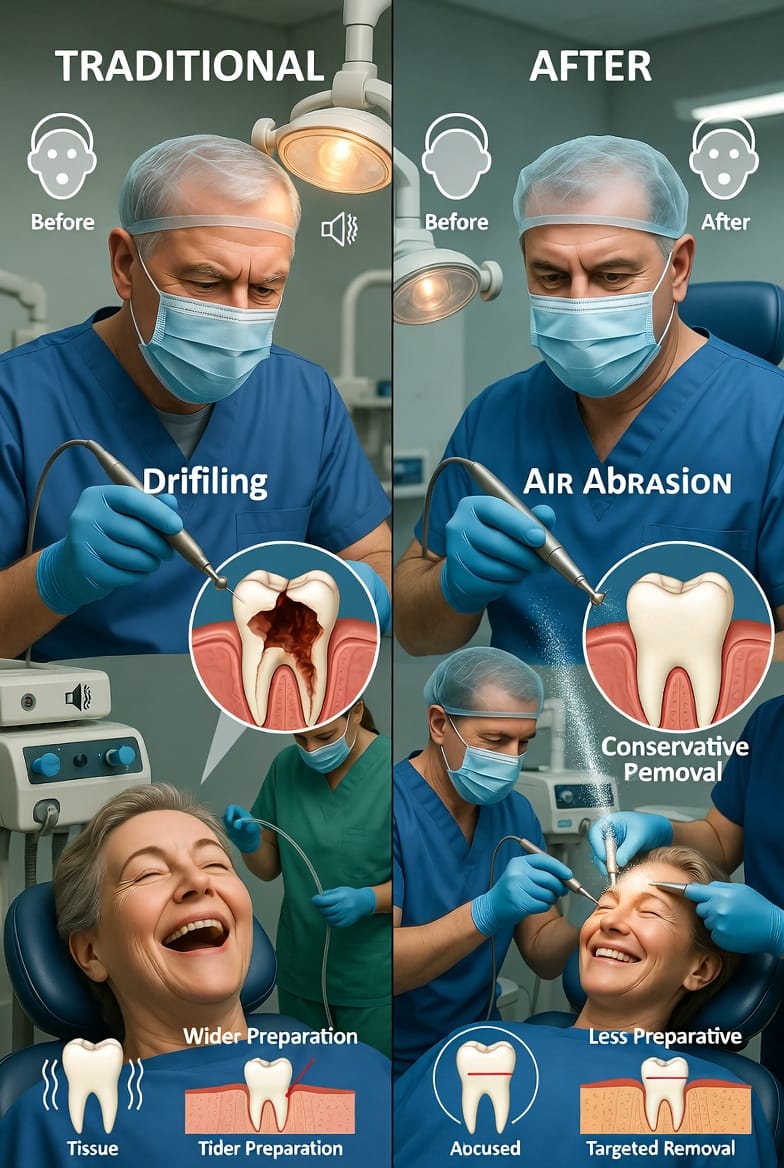
When weighing options, the differences are stark. Traditional drills, while effective, often require more aggressive removal, leading to larger fillings and potential weakening of the tooth. Air abrasion, conversely, is conservative, reducing the risk of micro-fractures from heat.
In terms of patient experience, drills can cause discomfort even with anesthesia, whereas air abrasion's non-contact method minimizes sensitivity. Cost-wise, while initial equipment investment is higher for practices, patient savings come from fewer follow-ups due to preserved structure.
Research from journals like the Journal of the American Dental Association supports its superiority for early lesions, with success rates comparable to or exceeding drilling in longevity of restorations.
Safety, Effectiveness, and Long-Term Outcomes
Safety is paramount in any dental procedure, and air abrasion meets rigorous standards. The particles used are inert and fully evacuated, with no evidence of systemic absorption. For those with respiratory concerns, modern systems incorporate HEPA filtration.
Effectiveness is proven through decades of use, with high bond strengths for subsequent fillings. Long-term, patients enjoy healthier teeth, as less removal means less chance of future complications like root canals.
It's worth noting potential limitations: Not suitable for deep cavities or large restorations, where drills or lasers might be needed. However, for early detection—emphasized in routine check-ups—it's unparalleled.
Who Can Benefit from This Approach?
Virtually anyone with early decay can benefit, but it's especially reassuring for:
- Anxious Patients: The gentle nature alleviates fears.
- Children and Teens: Builds trust in dental care.
- Seniors: Preserves remaining tooth structure.
- Those with Sensitivities: Avoids triggers like noise.
If you're proactive about oral health, incorporating air abrasion into your routine can prevent escalation of minor issues.
Frequently Asked Questions
To address common queries:
- Is air abrasion painful? Rarely; most feel only mild pressure.
- How long does it last? Restorations are durable, often matching drill-prepped ones.
- Insurance coverage? Many plans cover it as a standard cavity treatment.
- Any side effects? Minimal, like temporary sensitivity, far less than drilling.
These insights stem from extensive clinical experience, ensuring you're informed and confident.
In embracing air abrasion, you're choosing a path of innovation and comfort in dentistry. Experience a gentler approach to cavity treatment.
Transform Your Smile Gently – Call for Air Abrasion