Taking the First Step: A Guide to Understanding Rehabilitation and Recovery Pathways

Taking the first step toward rehabilitation can feel overwhelming, yet it is often the most courageous and life-changing decision a person or family ever makes. Whether you are personally struggling with substance use or watching a loved one face addiction, know this: recovery is possible, and you are not alone. This compassionate guide explores the full journey of healing—from recognizing the need for help to building a sustainable future—while highlighting evidence-based treatment frameworks, the critical role of medical supervision, and the power of long-term aftercare planning.
Start Your Recovery Journey Today – Call Now
At every stage, hope remains the guiding light. With the right support, individuals reclaim their health, relationships, and purpose. Our focus here is simple: to provide clear, reassuring information so you can move forward with confidence and clarity.
Recognizing the Need for Change
Many people reach a turning point when the consequences of substance use begin to outweigh any temporary relief it once provided. Physical dependence, emotional distress, strained relationships, and declining health are common signals that professional rehabilitation is needed.
It is completely normal to feel fear, shame, or uncertainty at this stage. These emotions do not define you—they are part of the human experience. The important truth is that acknowledging the problem opens the door to real solutions. Recovery pathways are designed to meet people exactly where they are, offering personalized support without judgment.
The Recovery Journey: A Personalized Path
Recovery is not a single event but a continuous, empowering process. It involves healing the body, mind, and spirit while developing new skills for lasting wellness. Every journey is unique, yet all share common milestones that build upon one another.
With professional guidance, individuals learn to replace harmful patterns with healthy coping strategies. Progress may include improved sleep, restored energy, stronger relationships, and renewed self-confidence. The key is patience and the knowledge that setbacks are learning opportunities, not failures.

The Importance of Medical Supervision During Detox
Detoxification is the vital first phase of rehabilitation where the body safely eliminates substances. Without proper medical oversight, withdrawal symptoms can become intense and even dangerous. Professional supervision ensures safety and comfort every step of the way.
Under expert care, trained physicians and nurses monitor vital signs, manage discomfort with evidence-based medications when appropriate, and provide round-the-clock emotional support. This structured approach dramatically reduces risks and helps individuals complete detox with dignity and minimal distress.
Common withdrawal challenges—such as anxiety, nausea, or insomnia—are addressed proactively. The goal is not only physical cleansing but also preparing the mind for deeper therapeutic work that follows. Medical supervision transforms what could feel frightening into a manageable, hopeful beginning.
Exploring Treatment Frameworks
Effective rehabilitation programs offer flexible options tailored to individual needs, lifestyles, and recovery goals. Three primary frameworks stand out for their proven ability to support lasting change.
Inpatient Rehabilitation
Inpatient programs provide a fully immersive, 24/7 structured environment ideal for those requiring intensive support. Residents live on-site in a safe, substance-free setting while engaging in daily therapy, medical check-ins, and wellness activities.
Benefits include:
- Constant professional monitoring and immediate assistance
- Removal from triggering environments
- Focused time to build healthy routines and coping skills
- Peer community that fosters connection and shared growth
This level of care is especially reassuring for individuals with severe dependence or co-occurring mental health concerns.
Outpatient Treatment
Outpatient programs allow participants to receive high-quality care while maintaining responsibilities at home or work. Sessions occur several times per week, combining therapy, education, and support groups.
This framework suits those with stable living situations and strong external support. It promotes real-world application of recovery skills while preserving daily life connections. Flexibility and affordability make outpatient treatment an empowering choice for many.
Therapy as the Foundation
Therapy forms the heart of all recovery pathways. Evidence-based approaches such as cognitive-behavioral therapy help individuals identify triggers and develop healthier responses. Group sessions build community and reduce isolation, while family therapy repairs relationships and strengthens the home support system.
Each modality works together to address root causes, not just symptoms. The result is deeper healing and greater resilience against future challenges.
Building a Long-Term Aftercare Plan
Aftercare is the bridge that sustains recovery long after formal treatment ends. A thoughtful plan prevents relapse and reinforces new habits through ongoing support.
Key elements of a strong aftercare plan include:
- Continued individual or group therapy sessions
- Participation in peer support communities
- Regular medical and wellness check-ups
- Sober living arrangements when needed
- Development of personal wellness routines such as exercise, mindfulness, and hobby exploration
Creating this plan involves collaboration between the individual, clinical team, and family. It is customized, realistic, and adjustable as life evolves. With a solid aftercare strategy, graduates step confidently into their new chapter knowing help remains readily available.
The Vital Role of Family Support
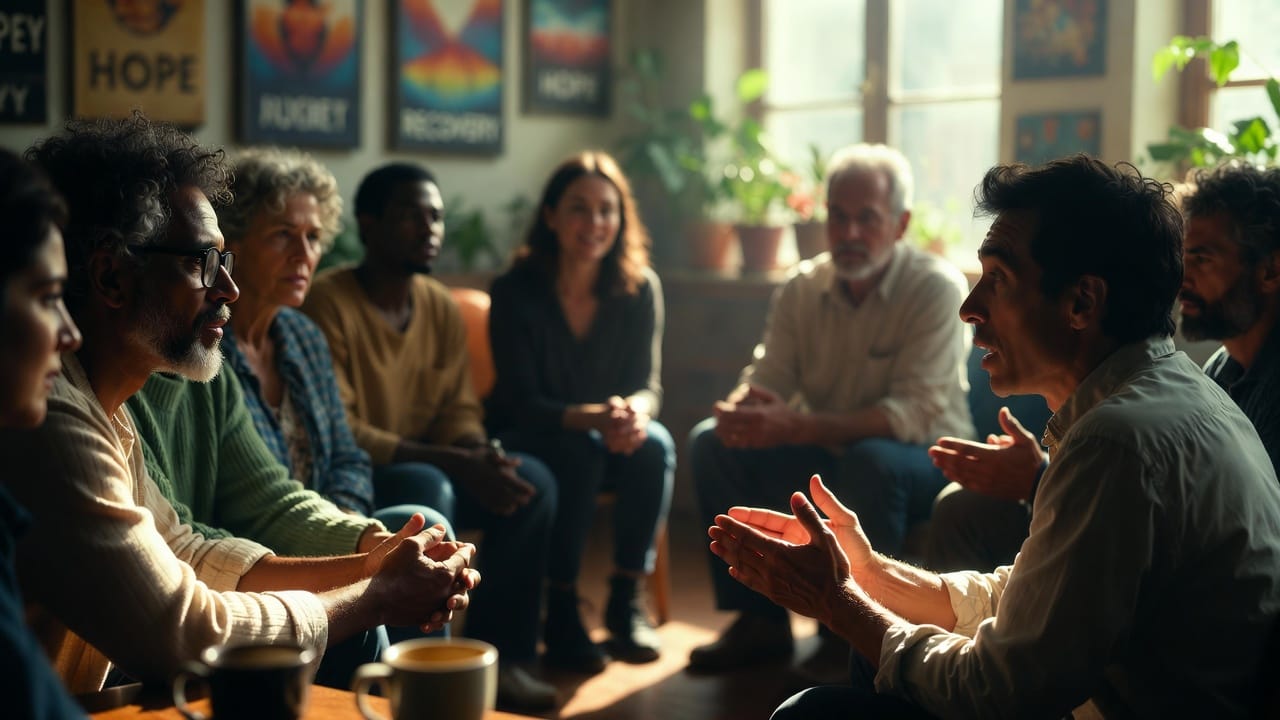
Families play an irreplaceable part in successful rehabilitation. Education about addiction helps loved ones replace blame with understanding. Participating in family sessions teaches healthy communication and boundary-setting that benefit everyone.
Simple acts—listening without judgment, celebrating small wins, and maintaining consistent encouragement—create a powerful safety net. When families heal alongside the individual, the entire household grows stronger.
Evidence-Based Hope: What Science and Experience Show
Evidence-based approaches consistently demonstrate that rehabilitation works. People who engage fully in treatment and aftercare experience significantly higher rates of sustained sobriety, improved mental health, and restored life satisfaction.
Success stories abound: professionals returning to meaningful careers, parents reconnecting with children, and individuals rediscovering joy in everyday moments. These outcomes prove that recovery is not only achievable but transformative.
Moving Forward with Confidence
The road ahead may include ups and downs, yet each challenge met with support becomes a stepping stone. Rehabilitation is about more than stopping substance use—it is about rebuilding a life filled with purpose, connection, and peace.
You or your loved one already possess the inner strength needed for this journey. Professional guidance simply helps unlock that potential safely and effectively.
Hope and help begin with a conversation. Reach out today. Your first step can lead to a future brighter than you ever imagined.
Take the First Brave Step – Speak to Us Today