Strategic Tree Removal: Enhancing Property Value, Safety, and Landscape Vision
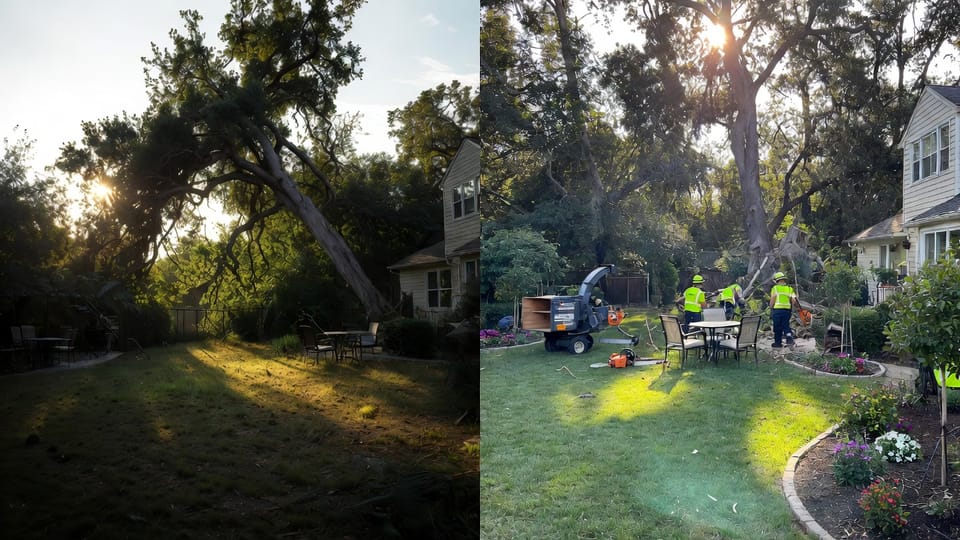
In the realm of property management, trees are often celebrated for their beauty, shade, and environmental benefits. However, not every tree aligns perfectly with a homeowner's long-term vision or safety needs. Strategic tree removal isn't about indiscriminately clearing land—it's a thoughtful, proactive approach to landscape management that can unlock hidden potential in your yard. By removing hazardous, diseased, or poorly placed trees, you can boost sunlight exposure, improve scenic views, create room for new plantings, and ultimately elevate your property value. This article explores how viewing tree removal as an investment rather than a chore can transform your outdoor space into a safer, more appealing haven.
Transform Your Landscape Safely – Free Consultation
As certified arborists with years of experience, we assure you that this process, when done professionally, minimizes risks and maximizes rewards. Let's delve into the key aspects of strategic tree removal, from identifying candidates to understanding its broader impacts on your home's ecosystem and market appeal.
Understanding the Need for Strategic Tree Removal
Trees are living assets, but like any investment, they require evaluation over time. A tree that was once a charming sapling might now pose safety hazards due to age, disease, or structural weaknesses. Proactive removal addresses these issues before they escalate, preventing costly emergencies like fallen branches during storms.
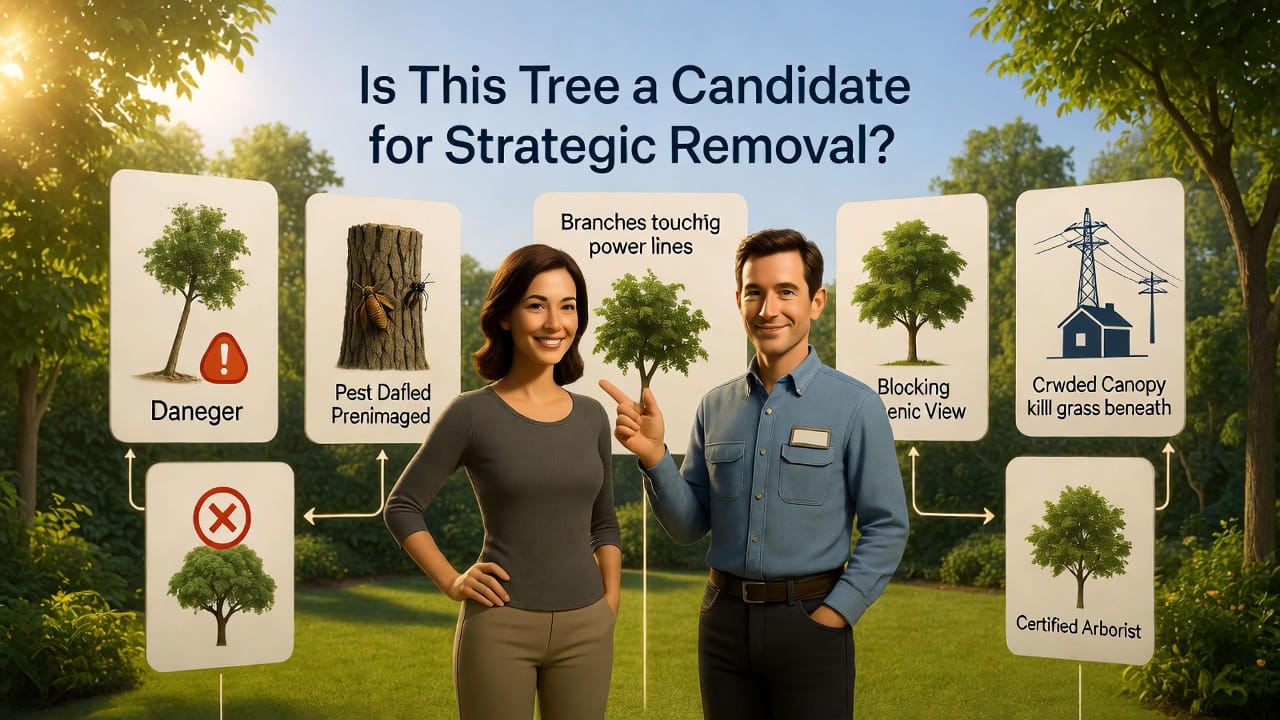
Consider the following scenarios where strategic removal becomes essential:
- Overcrowding and Competition: Dense tree canopies can stifle grass growth, leading to bare patches and erosion. Removing select trees allows remaining plants to thrive.
- Structural Interference: Trees too close to homes, power lines, or driveways can cause root damage to foundations or pose risks during high winds.
- Health Decline: Diseased trees, such as those infested with pests like emerald ash borers, can spread problems to healthy neighbors if not addressed promptly.
By framing removal as a step toward landscape optimization, homeowners can shift from reactive fixes to visionary planning. This mindset not only enhances daily enjoyment of your property but also appeals to potential buyers who value well-maintained spaces.
Boosting Property Value Through Thoughtful Removal
One of the most compelling reasons for strategic tree removal is its direct impact on property value. Real estate experts often note that curb appeal drives buyer interest, and a cluttered or hazardous yard can detract from that. Removing an obstructive tree can open up vistas, allowing natural light to flood indoor spaces and highlight architectural features.
Studies from organizations like the National Association of Realtors indicate that mature, healthy landscaping can add up to 15% to a home's value. Conversely, neglected trees signal potential liabilities. Here's how removal contributes positively:
- Enhanced Curb Appeal: An opened-up yard invites creative landscaping, such as installing patios or water features, making your property stand out in listings.
- Increased Usable Space: Freed-up areas can accommodate new plantings like fruit trees or flower beds, diversifying your garden and attracting pollinators.
- Market Differentiation: In competitive markets, properties with optimized landscapes sell faster and at higher prices, as buyers prioritize low-maintenance, safe environments.
Remember, the goal is balance—removing a tree isn't loss; it's an opportunity for renewal. Professional assessment ensures that only necessary removals occur, preserving the ecological benefits of your remaining trees.
Prioritizing Safety in Tree Removal Decisions
Safety is paramount in any landscape management strategy. Hazardous trees can lead to injuries, property damage, or even legal issues if they affect neighbors. Strategic removal mitigates these risks by identifying problems early.
Key safety considerations include:
- Storm Vulnerability: Trees with weak branches or shallow roots are prone to failure in severe weather, endangering homes and vehicles.
- Proximity to Utilities: Overgrown trees near power lines can cause outages or fires; utility companies often mandate clearances.
- Pedestrian and Play Areas: In family homes, removing trees that overhang play zones prevents accidents from falling debris.
Our authoritative advice: Don't wait for a crisis. Regular inspections by certified professionals can spot warning signs like cracks in trunks or fungal growth, allowing for safe, controlled removal. This proactive stance reassures you that your property remains a secure sanctuary for your loved ones.
The Process of Professional Tree Removal
Executing strategic tree removal requires expertise to ensure minimal disruption. Professionals follow a meticulous process, starting with assessment and ending with site restoration.
Step 1: Initial Evaluation
A certified arborist conducts a thorough inspection, evaluating the tree's health, location, and impact on the surroundings. Tools like resistographs measure internal decay without harm.
Step 2: Planning and Permitting
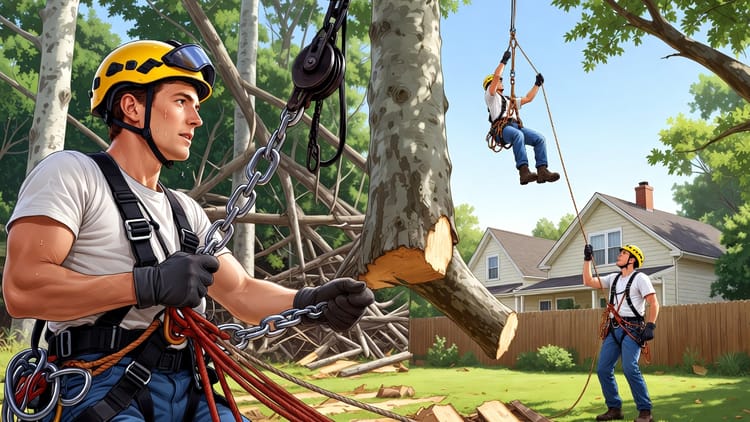
Depending on local regulations, permits may be needed. Planners map out felling directions to avoid structures, using ropes and harnesses for precision.
Step 3: Safe Execution
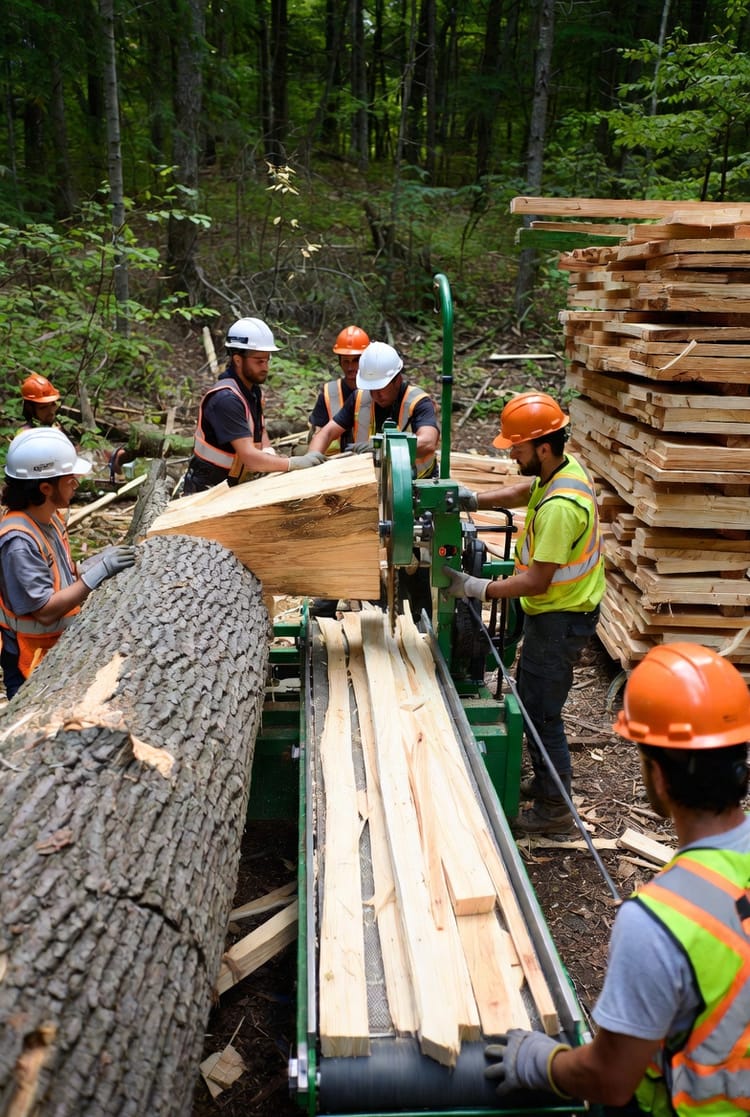
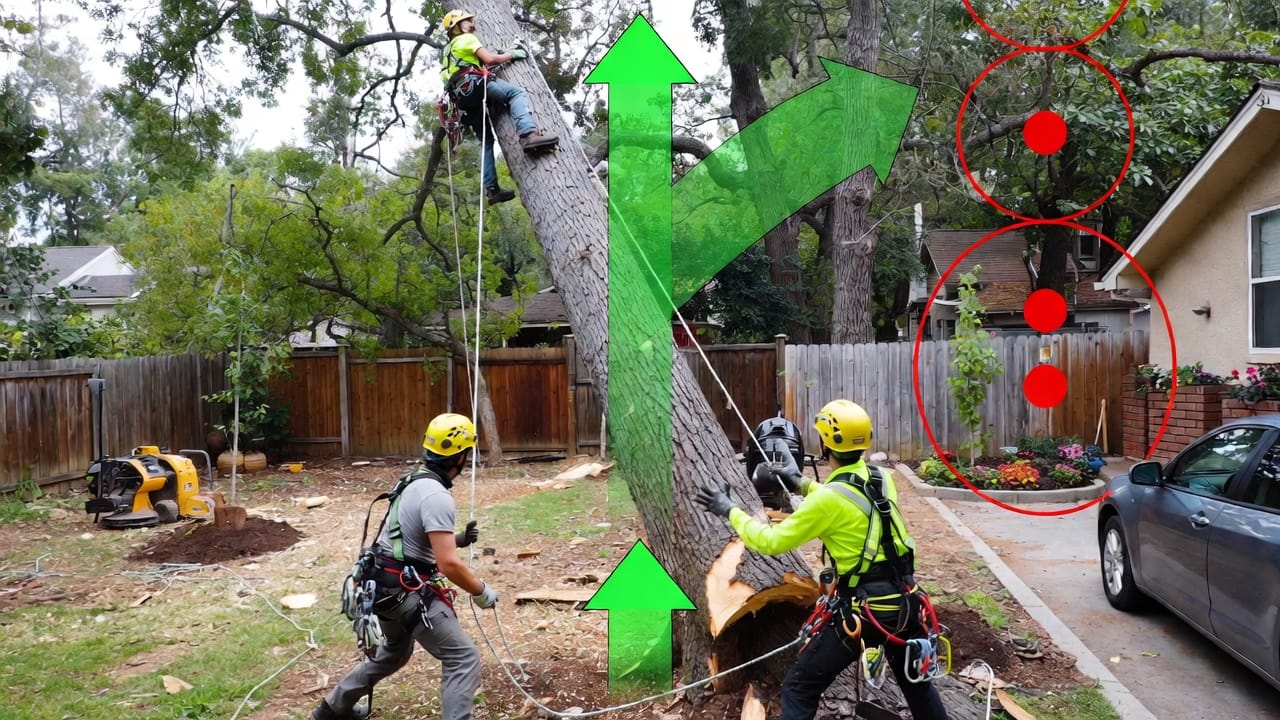
Using advanced equipment like chainsaws and cranes, teams remove the tree in sections if space is limited. Safety gear and ground crews ensure no bystanders are at risk.
Step 4: Cleanup and Restoration
Debris is chipped into mulch, stumps ground down, and the area prepped for new plantings. This leaves your yard ready for enhancement.
Throughout, the focus is on environmental responsibility—recycling wood and minimizing soil disturbance preserves your landscape's integrity.
Environmental and Aesthetic Benefits
Beyond value and safety, strategic tree removal supports ecological balance. Removing invasive species allows native plants to flourish, boosting biodiversity.
Aesthetically, it refines your landscape vision. Imagine transforming a shaded, unusable corner into a sunny herb garden or seating area. Improved sunlight promotes healthier lawns and reduces mold issues on home exteriors.
Homeowners often report a renewed sense of space and freedom post-removal, with opportunities for sustainable features like rain gardens or solar panels.
Common Myths About Tree Removal Debunked
Misconceptions can deter action, but let's set the record straight with facts:
- Myth: Removal Harms the Environment: Truth: Targeted removal of problematic trees enhances overall ecosystem health.
- Myth: It's Always Expensive: Truth: Preventive removal avoids pricier emergency services; many offer financing.
- Myth: DIY is Feasible: Truth: Professionals prevent accidents and ensure compliance with laws.
Armed with knowledge, you can make informed decisions confidently.
Integrating Removal into Long-Term Landscape Planning
View strategic tree removal as part of a broader plan. Collaborate with landscapers to select replacement species that suit your climate and goals, such as low-maintenance evergreens.
Regular maintenance, including pruning, complements removal efforts, ensuring your property evolves gracefully.
Case Studies: Real Transformations
Consider a suburban family whose overgrown oak blocked their pool view and posed storm risks. Post-removal, they installed a pergola and native shrubs, increasing their home's value by 10% per appraisal.
Another example: A commercial property removed diseased elms, opening space for parking and greenery, enhancing tenant appeal and reducing liability.
These stories illustrate how proactive steps yield tangible benefits.
Choosing the Right Professionals
Select arborists certified by bodies like the International Society of Arboriculture (ISA). Look for insured, experienced teams with positive reviews. Our experts at TreeCare Pros embody these qualities, offering consultations tailored to your needs.
Conclusion: Invest in Your Property's Future
Strategic tree removal is more than a service—it's a gateway to a safer, more valuable, and visually stunning property. By addressing hazards and unlocking space, you invest in longevity and appeal.
Invest in Safety & Curb Appeal – Call for Your Free Assessment