Solar + Storage as a Microgrid: Achieving Energy Independence During Extended Grid Outages
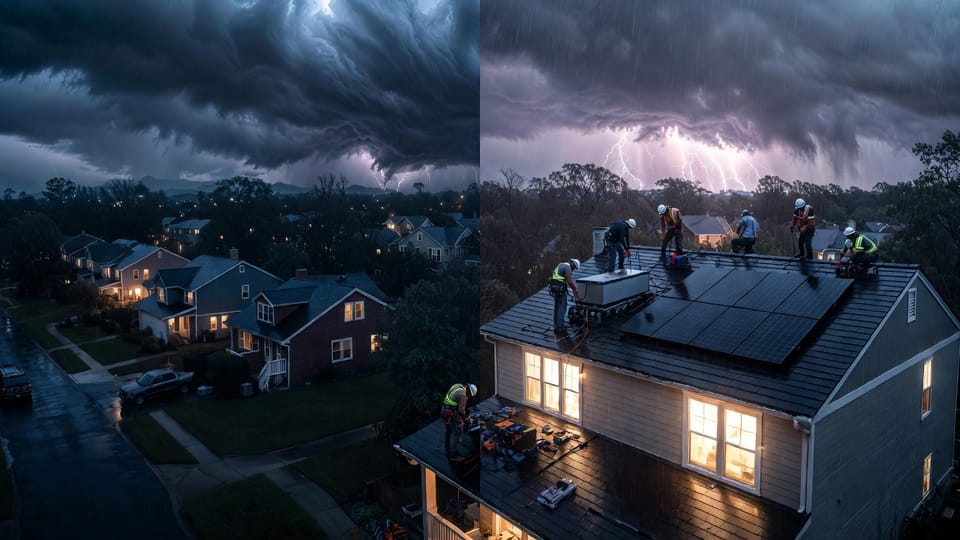
In an era where grid outages are becoming more frequent due to extreme weather, aging infrastructure, and increasing demand, achieving energy independence is no longer a luxury—it's a necessity. Imagine your home standing as a beacon of light and functionality while the rest of the neighborhood plunges into darkness. This is the power of solar + storage configured as a personal microgrid. With the right setup, your solar panels and batteries can seamlessly "island" your home from the grid, providing reliable power for essential loads directly from the sun and stored energy. In this comprehensive guide, we'll explore how this technology works, its benefits, setup considerations, and real-world resilience, empowering you to take control of your energy future.
Stay Powered During Outages – Get Your Free Design
Understanding Microgrids: Your Home's Energy Fortress
A microgrid is essentially a small-scale power grid that can operate independently or in conjunction with the main utility grid. Traditionally associated with large-scale applications like hospitals or military bases, microgrids are now accessible for residential use through solar + storage systems. At its core, this setup allows your home to disconnect—or "island"—from the grid during outages, relying solely on onsite generation and storage.
The key components include:
- Solar Panels: Capture sunlight to generate electricity in real-time.
- Battery Storage: Stores excess energy for use when the sun isn't shining or during high-demand periods.
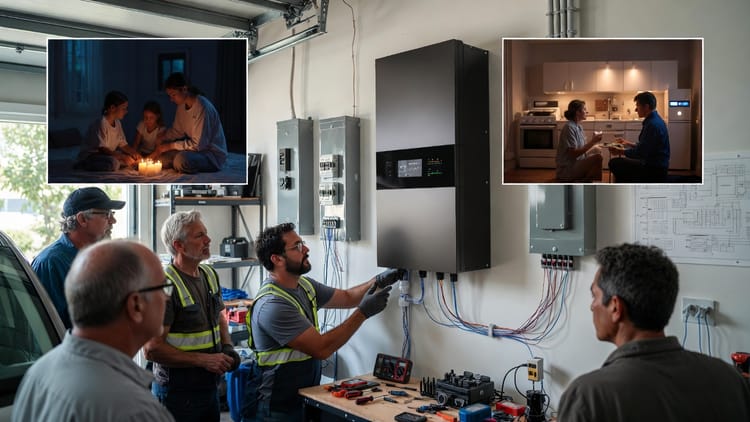
- Hybrid Inverter: The brain of the system, managing power flow and enabling seamless switching between grid-tied and off-grid modes.
- Critical Loads Panel: A sub-panel that isolates and powers essential appliances, ensuring non-essentials don't drain your reserves.
This configuration isn't just about backup power; it's about creating a resilient ecosystem that adapts to disruptions. According to industry reports, homes with properly sized solar + storage can maintain power for days, far outlasting traditional generators that rely on fuel supplies.
How Islanding Works: Seamless Transition to Independence
During a grid outage, a standard grid-tied solar system shuts down for safety reasons, preventing backfeeding electricity into the lines where utility workers might be repairing. However, with a hybrid inverter and battery storage, your system detects the outage in milliseconds and activates islanding mode. Here's how it unfolds:
- Detection and Isolation: The inverter senses the grid failure and disconnects your home from the utility lines, creating an isolated microgrid.
- Power Sourcing: Electricity flows directly from solar panels (if available) or batteries to your critical loads.
- Energy Management: Smart software prioritizes essentials, balancing supply and demand to extend runtime.
- Reconnection: Once the grid stabilizes, the system automatically resynchronizes, ensuring a smooth return to normal operation.
This process is automatic and safe, compliant with standards like UL 1741 SA for grid support. Reassuringly, modern systems include anti-islanding protections to avoid any risks to utility workers. For homeowners, this means uninterrupted access to lights, refrigeration, internet, and even medical devices—transforming potential chaos into calm continuity.
Sizing Your System for Extended Outages
Designing a solar + storage microgrid requires careful planning to match your needs. Start by assessing your essential loads—the appliances you can't live without. A typical setup might power:
- Refrigerator and freezer (500-800 watts combined).
- Lights in key areas (100-200 watts).
- Modem and router for connectivity (20-50 watts).
- Fans or small AC units (300-500 watts).
- Charging stations for devices (50-100 watts).
Next, calculate your daily energy consumption for these loads. For example, if your essentials use 5-10 kWh per day, pair that with solar production estimates based on your location's sunlight hours. Batteries like the Tesla Powerwall (13.5 kWh usable) or Enphase IQ Battery (10 kWh) can store enough for multiple days, especially when recharged by solar during outages.
Factors influencing runtime:
- Battery Capacity: Larger banks extend autonomy; a 20-30 kWh system might last 3-5 days for basics.
- Solar Input: Even partial sunlight can recharge batteries, potentially making your microgrid indefinite.
- Efficiency: Energy-efficient appliances and LED lighting maximize reserves.
- Weather Variability: Account for cloudy days by oversizing slightly for reliability.
Authoritatively, studies from the National Renewable Energy Laboratory (NREL) show that well-designed systems can achieve 90-100% uptime during prolonged blackouts, far surpassing diesel generators prone to fuel shortages and maintenance issues.
Benefits Beyond Backup: Economic and Environmental Wins
Investing in a solar + storage microgrid delivers multifaceted advantages. Financially, it reduces utility bills through net metering (selling excess power back to the grid) and qualifies for incentives like the federal Investment Tax Credit (ITC), which covers 30% of costs through 2032. During outages, you avoid spoilage losses—estimated at $200-500 per event for groceries alone—and productivity dips from lost work or connectivity.
Environmentally, this setup cuts your carbon footprint by shifting to renewable sources. Unlike fossil fuel generators, solar + storage produces zero emissions during operation, aligning with global sustainability goals. Reassuringly, batteries are recyclable, with manufacturers like LG and Sonnen offering end-of-life programs.
Resilience extends to community impact: Your microgrid can support neighbors in emergencies, fostering goodwill. In regions prone to hurricanes or wildfires, such as California or Florida, these systems have proven lifesaving, maintaining power for weeks when grids fail.
Installation and Maintenance: A Straightforward Path
Professional installation ensures your microgrid complies with local codes and maximizes performance. The process typically involves:
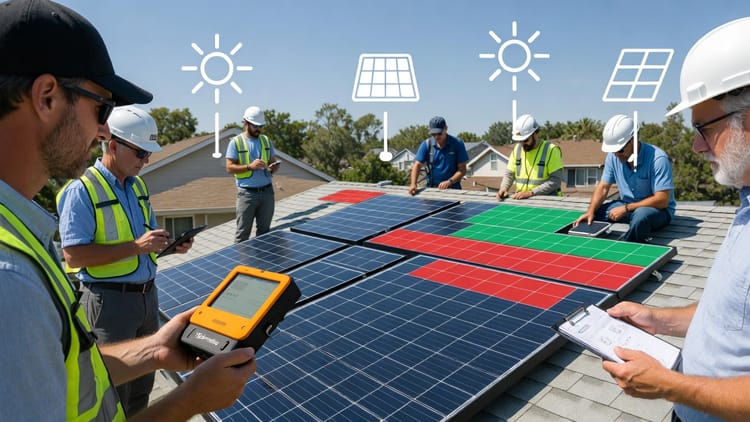
- Site assessment for solar viability.
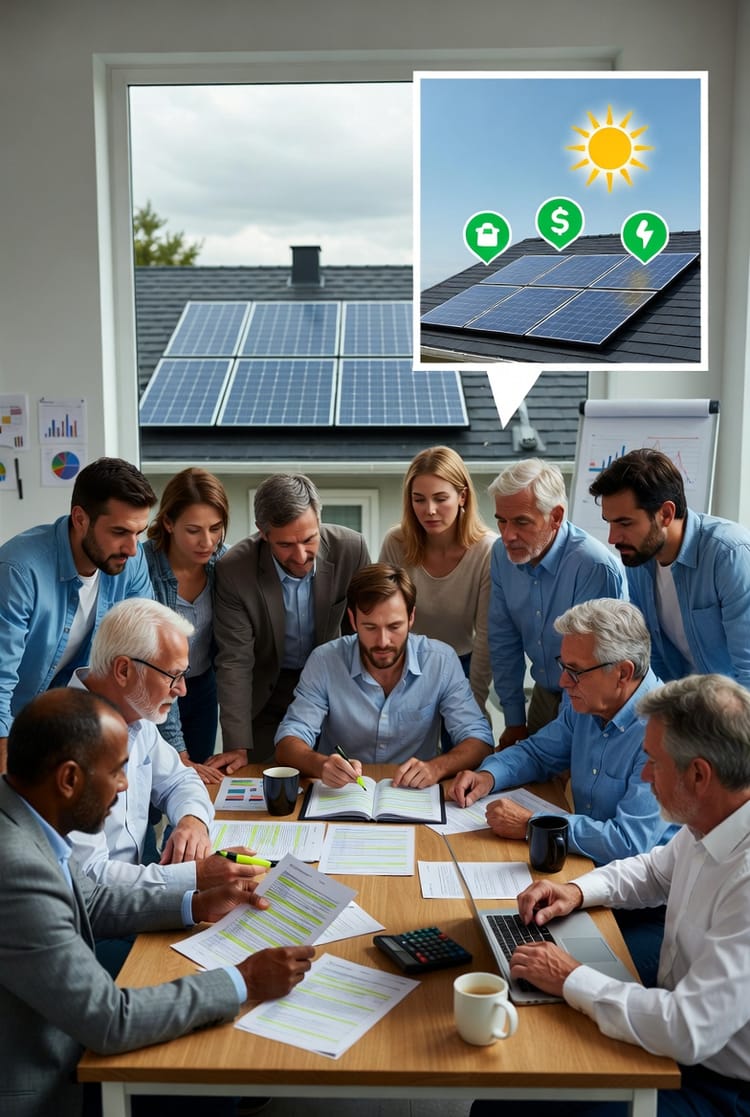
- Custom design based on your energy audit.
- Permitting and interconnection agreements.
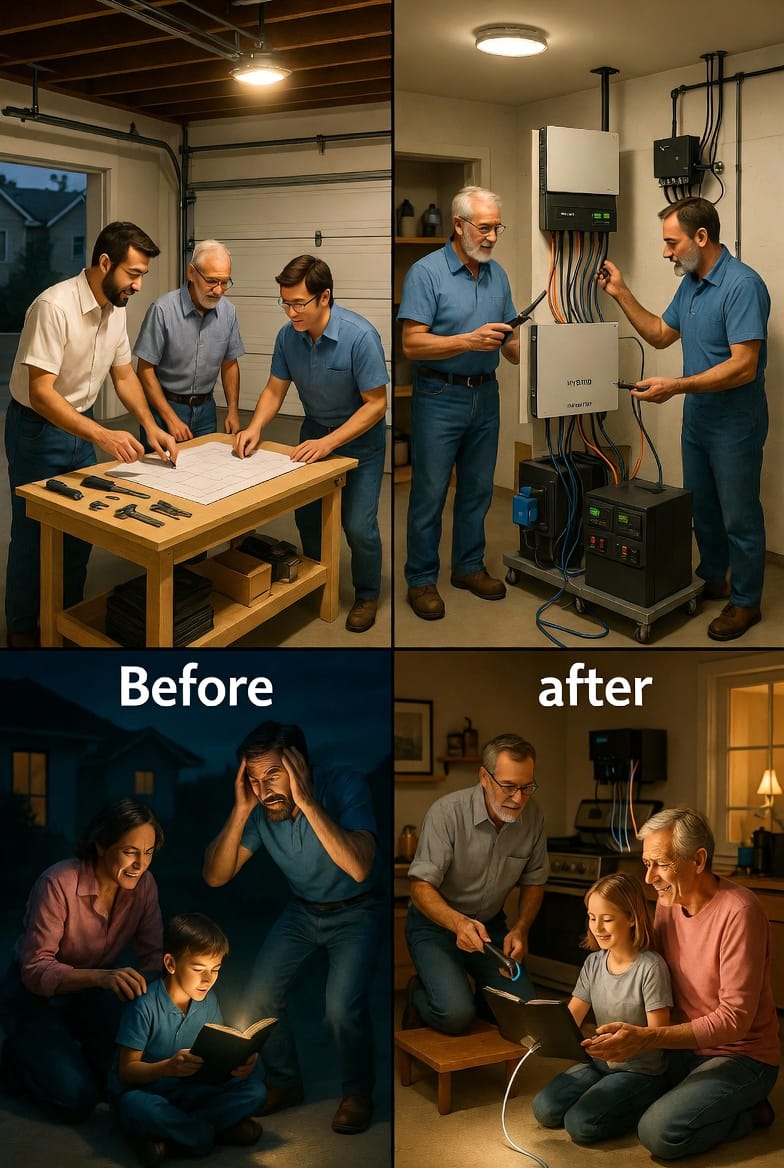
- Installation of panels, batteries, inverter, and critical loads panel.
- Commissioning and app setup for monitoring.
Costs range from $20,000-$50,000 for a 5-10 kW system with 10-20 kWh storage, offset by rebates and financing options with low-interest loans or leases. Maintenance is minimal: Batteries last 10-15 years with warranties, and panels 25+ years. Regular software updates enhance efficiency, and monitoring apps alert you to issues proactively.
Common myths debunked:
- Myth: Solar doesn't work at night. Reality: Batteries store daytime energy for 24/7 use.
- Myth: It's too complicated. Reality: User-friendly apps make management intuitive.
- Myth: Not reliable in bad weather. Reality: Oversized systems handle variability.
With expert guidance, transitioning to a microgrid is seamless and empowering.
Real-World Case Studies: Proven Resilience
Consider Texas's 2021 winter storm, where millions endured days without power. Homes with solar + storage, like those using Sonnen or Generac PWRcell systems, kept essentials running, avoiding frozen pipes and food loss. In Puerto Rico post-Hurricane Maria, microgrids powered communities for months, demonstrating scalability.
A California family shared: "Our 8 kW solar array and 27 kWh batteries kept us going for five days during wildfires. We charged devices, ran the fridge, and even hosted neighbors—true energy independence."
These stories underscore that solar + storage isn't speculative; it's a tested solution for extended grid outages.
Overcoming Challenges: Risks and Mitigations
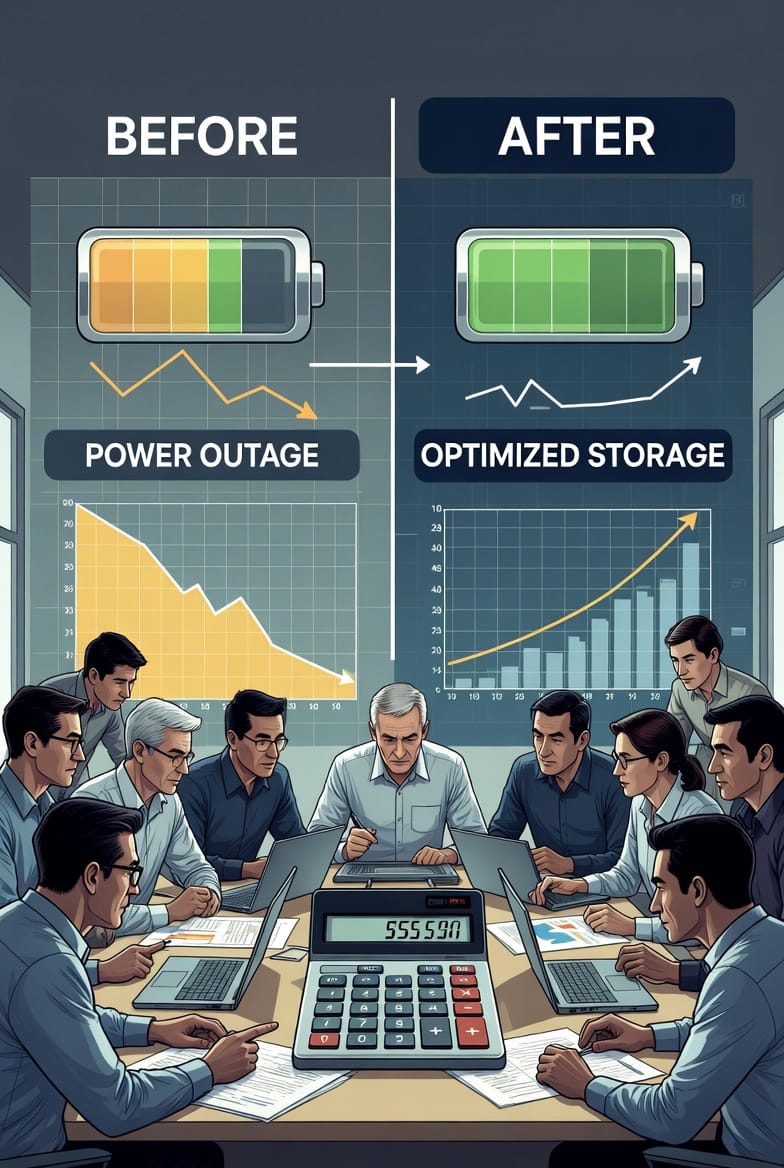
While robust, microgrids have considerations. Upfront Costs can be high, but incentives and savings recoup investments in 5-10 years. System Sizing Errors risk insufficient power; mitigate with professional audits. Battery Degradation occurs over time, but warranties cover 70-80% capacity retention.
Reassuringly, advancements like solid-state batteries promise longer life and faster charging. Always choose certified installers to avoid subpar performance.
Future-Proofing Your Energy
As climate events intensify, energy independence via solar + storage microgrids will become standard. Innovations like vehicle-to-home (V2H) integration with EVs add extra storage layers.
In summary, configuring solar + storage as a microgrid empowers you to island from the grid, powering essentials for days—or indefinitely with solar recharge. It's a smart, sustainable path to resilience.
Island from the Grid Forever – Start Your Solar + Storage System