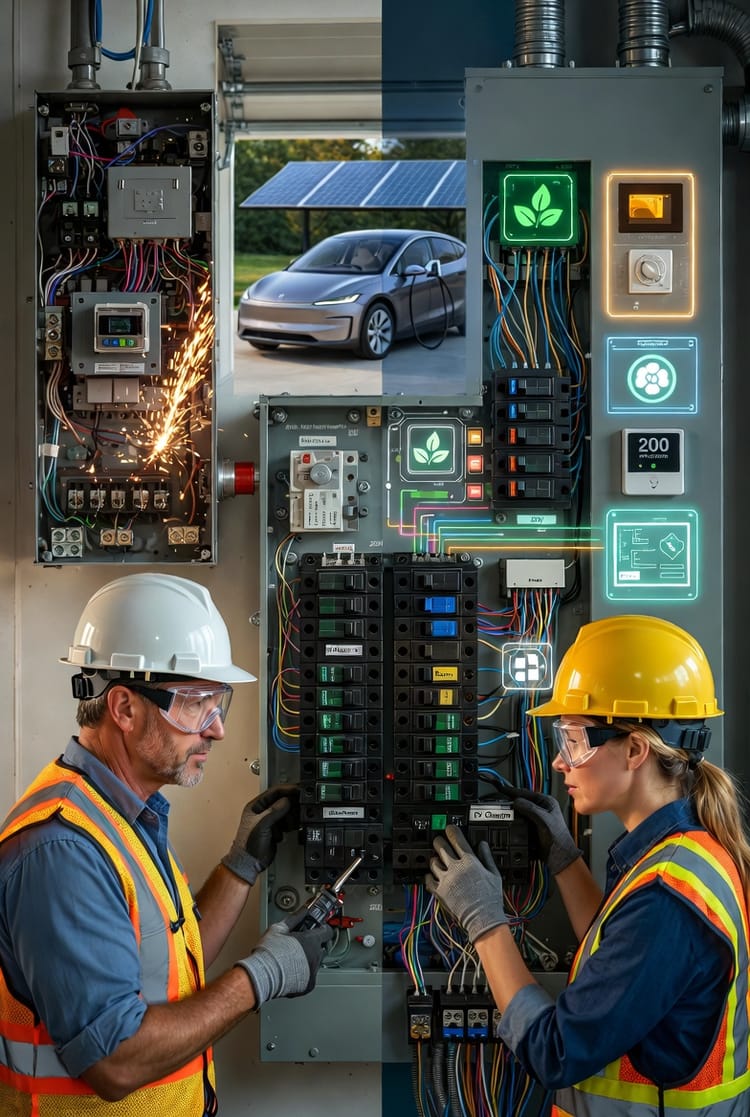
Rewiring a Historic Home: Balancing Preservation, Safety, and Modern Electrical Demands
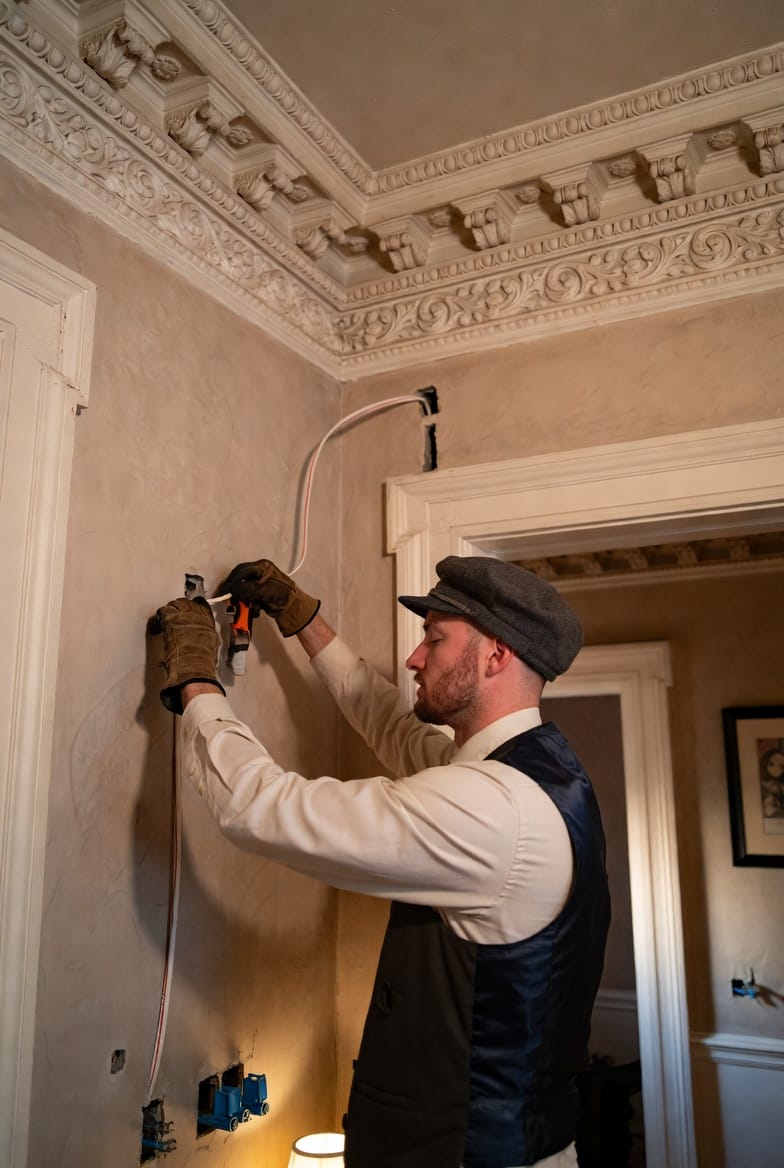
Historic homes charm us with their timeless architecture, intricate details, and stories etched into every beam and brick. Yet, beneath the surface, outdated electrical systems like knob-and-tube wiring or early Romex wiring pose significant risks in today's power-hungry world. Rewiring these treasures requires a delicate dance: honoring the past while embracing modern safety standards and electrical demands. In this comprehensive guide, we'll explore the unique challenges of updating electrical systems in older properties, proven techniques for seamless integration, and strategies to meet current codes without compromising character. Whether you're restoring a Victorian manor or a mid-century bungalow, understanding these elements ensures your home remains a safe, functional sanctuary for generations.
Update Wiring Without Losing Character – Call Today
Understanding the Challenges of Historic Wiring
Older homes, particularly those built before the 1960s, often feature knob-and-tube wiring—a system using porcelain knobs and tubes to insulate wires running through walls and ceilings. While innovative for its era, it lacks grounding, can't handle high loads from modern appliances, and deteriorates over time, leading to fire hazards. Similarly, early Romex wiring, introduced in the 1950s, may have aluminum conductors prone to oxidation and overheating.
Key challenges include:
- Limited Capacity: These systems were designed for basic lighting and minimal outlets, not for today's smart homes with HVAC, home theaters, and EV chargers.
- Structural Constraints: Thick plaster walls, lath construction, and ornate moldings make invasive rewiring risky, potentially damaging irreplaceable features.
- Code Compliance: Modern building codes demand grounded outlets, GFCI protection in wet areas, and sufficient amperage—often clashing with preservation guidelines from historic societies.
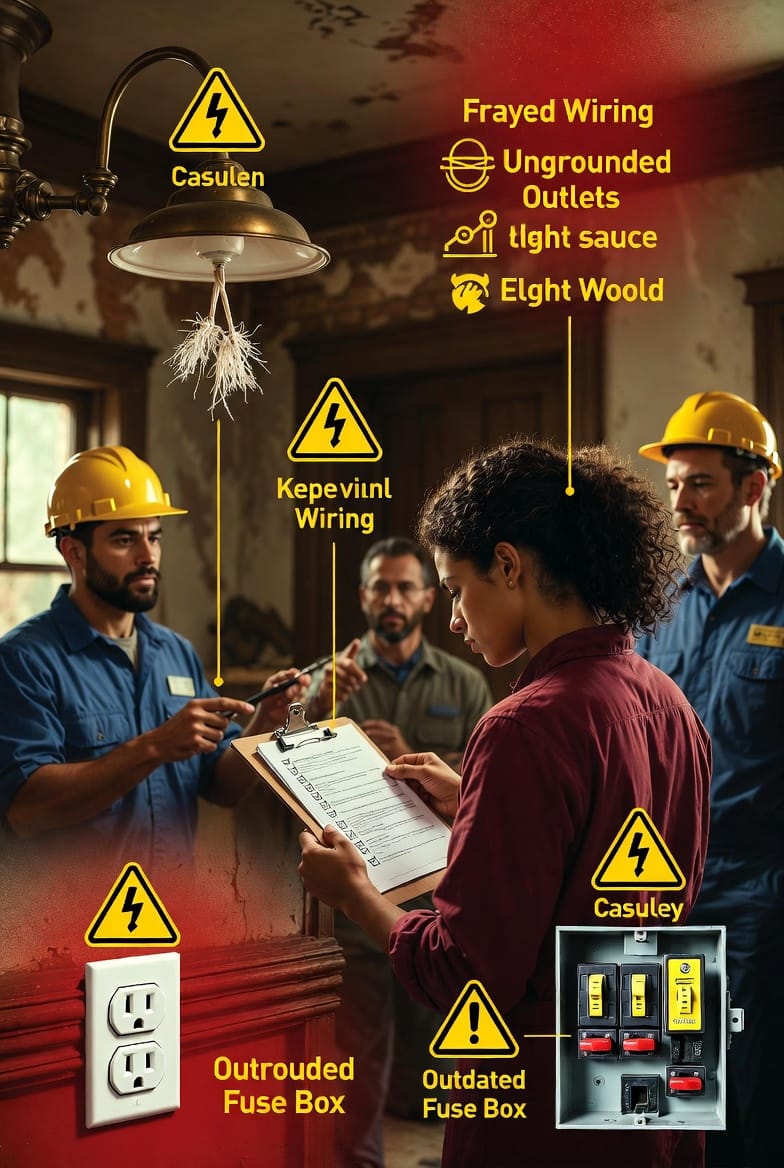
- Hidden Dangers: Insulation breakdown, rodent damage, or improper DIY additions amplify risks like electrical shocks or fires.
Navigating these requires expertise. A professional electrician familiar with historic renovations can assess your system through non-destructive methods, such as thermal imaging, to identify issues without unnecessary demolition.
Assessing Your Home's Electrical Needs
Before diving into rewiring, a thorough evaluation is essential. Start with a home electrical inspection tailored to historic properties. This involves checking the service panel, wiring integrity, and load requirements.
Consider these steps:
- Inventory Appliances and Usage: Calculate your household's amp draw—modern homes need at least 200-amp service, up from the 60-amp fuse boxes common in older builds.
- Identify Red Flags: Look for flickering lights, warm outlets, or frequent breaker trips as signs of overload.
- Preservation Priorities: Document architectural elements like original light fixtures or wall sconces to integrate them into the new system.
- Budget Planning: Factor in costs for permits, materials, and potential plaster repairs, averaging $10,000–$30,000 for a full rewire depending on home size.
By addressing these early, you avoid costly surprises and ensure the project aligns with both safety and aesthetic goals.
Techniques for Discreetly Running New Wiring
The art of rewiring lies in invisibility—updating without scars. Modern methods allow electricians to snake new NM-B cable (non-metallic sheathed) through existing paths, minimizing cuts.
Proven strategies include:
- Fishing Wires Through Cavities: Using flexible fish tapes or glow rods, pros route cables via attics, basements, or behind baseboards, preserving wall integrity.
- Surface-Mounted Conduits: For exposed areas, opt for decorative raceways that blend with millwork, painted to match surroundings.
- Wireless Alternatives: Incorporate smart switches and outlets that reduce wiring needs, like Zigbee or Wi-Fi enabled devices.
- Trenchless Upgrades: Directional boring under floors or through joists avoids opening walls entirely.
These approaches not only safeguard historic fabric but also enhance efficiency, allowing for features like USB outlets without altering the home's facade.
Upgrading Service Panels Without Damage
The heart of any electrical system is the service panel. In historic homes, upgrading from fuse boxes to circuit breakers is non-negotiable for safety, but it must be done thoughtfully.
Essential upgrades:
- Panel Replacement: Install a 200-amp or higher panel in an accessible location, often the basement, to handle increased demands.
- Grounding and Bonding: Add grounding rods and ensure all circuits are bonded, preventing shocks.
- Arc-Fault Circuit Interrupters (AFCIs): Mandatory in bedrooms, these detect arcs that could ignite fires.
- Minimal Disruption: Use flush-mounted panels or relocate them to utility closets, coordinating with architects to maintain symmetry.
Throughout, collaborate with preservation experts to ensure changes comply with local historic district rules, turning potential conflicts into opportunities for enhancement.
Meeting Modern Codes While Preserving Character
Balancing NEC (National Electrical Code) requirements with historic integrity is achievable. Codes evolve to prioritize safety, but variances exist for landmarks.
Tips for harmony:
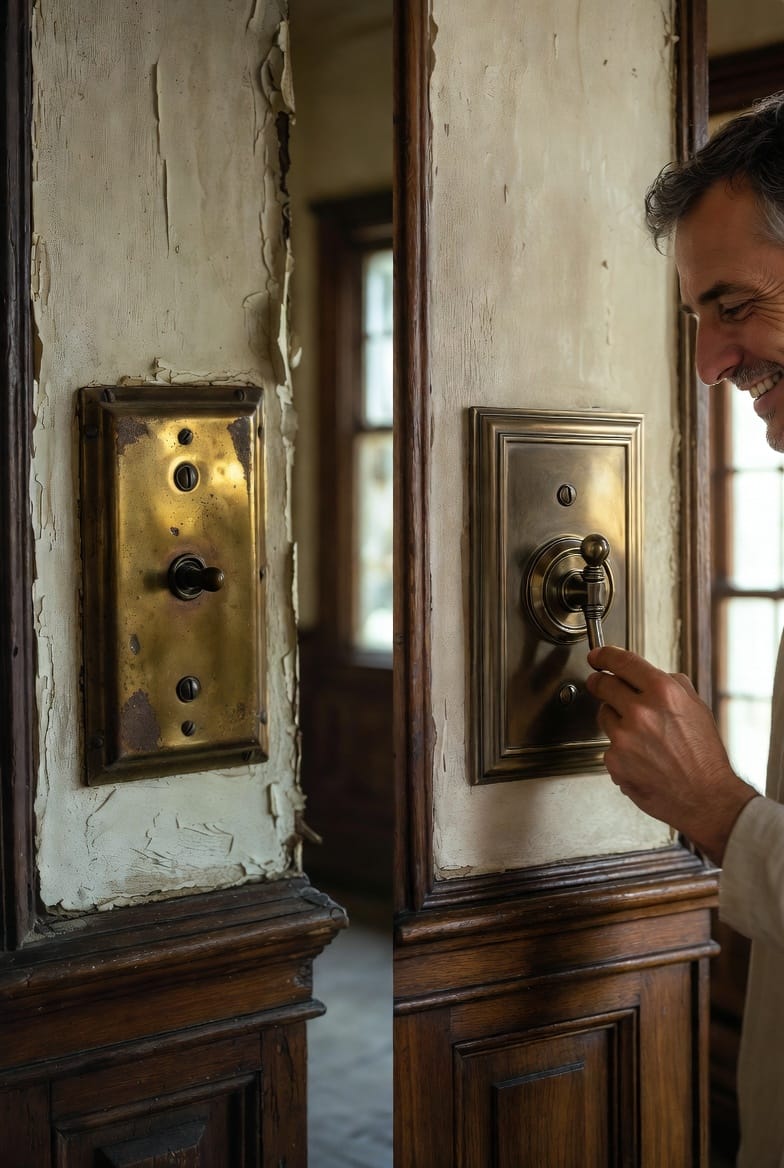
- Vintage-Compatible Fixtures: Choose UL-listed replicas of period lighting that incorporate LED bulbs for energy efficiency.
- Hidden Outlets: Install floor or furniture-integrated receptacles to avoid wall clutter.
- Smart Home Integration: Wire for IoT devices discreetly, using low-voltage cabling that doesn't require deep wall penetrations.
- Energy Efficiency Boosts: Add insulation during wiring access to reduce loads, qualifying for rebates.
This fusion not only meets codes but elevates the home's value, blending old-world charm with contemporary convenience.
Common Pitfalls and How to Avoid Them
Even with planning, pitfalls lurk. Overloading circuits, ignoring permits, or using subpar materials can lead to failures.
Avoid these:
- DIY Overconfidence: Historic wiring demands licensed pros to prevent code violations or accidents.
- Ignoring Asbestos or Lead: Test for hazards before work; abatement adds time but ensures health.
- Aesthetic Compromises: Resist generic fixes—custom solutions preserve authenticity.
- Future-Proofing Oversights: Plan for expansions like solar panels or home offices.
With vigilance, these risks become manageable, transforming your project into a success story.
Safety First: Protecting Your Investment
Prioritizing safety isn't just regulatory—it's about peace of mind. Updated wiring reduces fire risks by up to 50%, per NFPA data, while enhancing resale appeal.
Incorporate ongoing maintenance:
- Annual inspections.
- Surge protection for electronics.
- Education on load management.
Remember, a well-rewired historic home isn't a museum piece; it's a living, breathing space adapted for modern life.
Case Studies: Successful Historic Rewires
Real-world examples inspire. A 1920s Craftsman in Seattle saw its knob-and-tube replaced with minimal wall openings, adding smart lighting while retaining original sconces. Cost: $15,000; result: safer, smarter home.
In Boston, a Federal-style townhouse upgraded to 400 amps discreetly, integrating EV charging without exterior changes. These stories prove preservation and progress coexist.
Cost Considerations and ROI
Rewiring investments pay off. Expect $8–$20 per square foot, influenced by home age and complexity. ROI includes lower insurance premiums, energy savings, and increased property value—up to 5% boost in historic markets.
Financing options: Home equity loans, grants for historic properties, or tax credits via the National Trust for Historic Preservation.
Choosing the Right Electrician
Select partners with historic expertise. Look for certifications in preservation wiring, references from similar projects, and insurance coverage.
Questions to ask:
- Experience with knob-and-tube?
- Methods for minimal invasiveness?
- Code and preservation compliance?
A trusted team turns challenges into triumphs.
Final Thoughts
Rewiring a historic home is a rewarding endeavor, safeguarding heritage while meeting modern needs. With careful planning, innovative techniques, and expert guidance, your property thrives safely and stylishly.
Warning & CTA: Safeguard your home's history and its future.
Safe, Code-Compliant Rewiring Starts Here – Call