Restoring Historic Roofs: Matching Materials and Craftsmanship for Period-Accurate Preservation
In the world of historic home preservation, the roof stands as a crown jewel—protecting the structure while defining its architectural era. Historic roof restoration is more than a repair job; it's a meticulous art that honors the past while ensuring longevity. For homeowners of Victorian, Colonial, or Craftsman-style properties, matching original materials and craftsmanship is essential to maintain authenticity and value. This article delves into the nuances of sourcing period-accurate materials like wood shingles, slate, and terracotta tiles, the specialized skills involved, and how to seamlessly incorporate modern upgrades without altering the aesthetic. With the right approach, your historic home can withstand time while staying true to its heritage. Rest assured, professional restorers make this process straightforward and rewarding.855) 321-3154
Restore Period-Perfect Beauty – Call Today!
The Importance of Period-Accurate Roofing in Historic Homes
Historic homes carry stories etched in their architecture, and the roof plays a pivotal role in that narrative. Neglecting or mismatching roofing materials can erode both structural integrity and cultural significance. Period-accurate preservation not only boosts curb appeal but also complies with heritage guidelines, potentially qualifying for tax incentives or grants.
Consider the environmental and economic benefits: Restoring rather than replacing conserves resources and reduces waste. A well-executed restoration can extend a roof's life by decades, safeguarding your investment. Whether dealing with a leaky slate roof or weathered wood shakes, prioritizing authenticity ensures your home remains a testament to its era.
- Architectural Integrity: Matching materials preserves the home's original silhouette and detailing.
- Property Value: Authentic restorations appeal to buyers seeking historical charm.
- Sustainability: Reusing or recreating materials minimizes the carbon footprint compared to new builds.
It's reassuring to know that with expert guidance, even complex restorations yield stunning, durable results.
Sourcing and Recreating Period Materials
Finding or recreating materials from bygone eras is the cornerstone of historic roof restoration. Modern suppliers often fall short, so specialists turn to salvaged stocks, artisan manufacturers, or custom fabrication to achieve precision.
Wood shingles, popular in Colonial and Shingle-style homes, demand high-grade cedar or redwood for their natural rot resistance. Sourcing from sustainable forests ensures environmental responsibility while matching the hand-split texture of originals. For slate roofs, common in Victorian and Gothic Revival structures, quarries in Wales or Vermont provide authentic slabs in hues like gray-green or purple. Terracotta tiles, seen on Mission or Mediterranean revivals, require kiln-fired clay molded to historical profiles.
Challenges arise with availability—rare slates might need importing—but solutions abound. Artisans can replicate tiles using 3D scanning for exact matches, blending old-world charm with reliability.
- Wood Shingles: Opt for FSC-certified cedar; hand-split for texture authenticity.
- Slate: Source from historic quarries; thickness and color variations add character.
- Terracotta Tiles: Custom molds ensure seamless integration with existing roofs.
By partnering with reputable suppliers, you avoid subpar substitutes that compromise longevity.

Mastering Specialized Craftsmanship for Installation
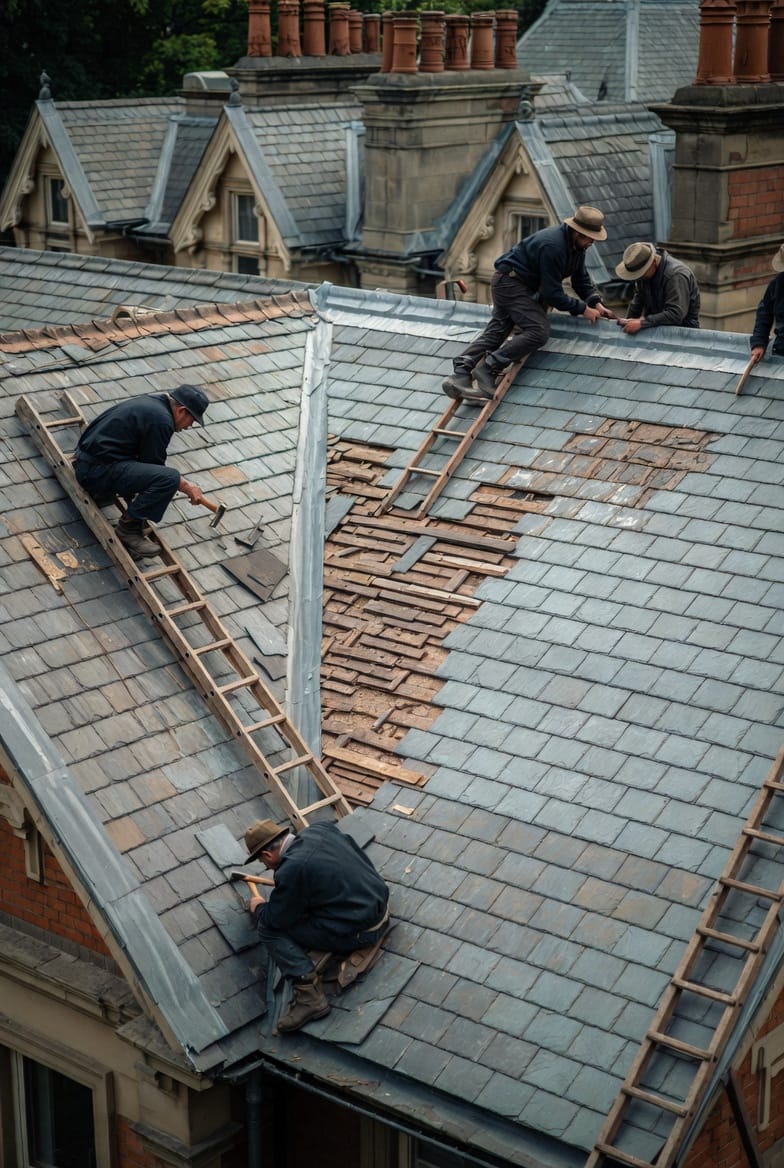
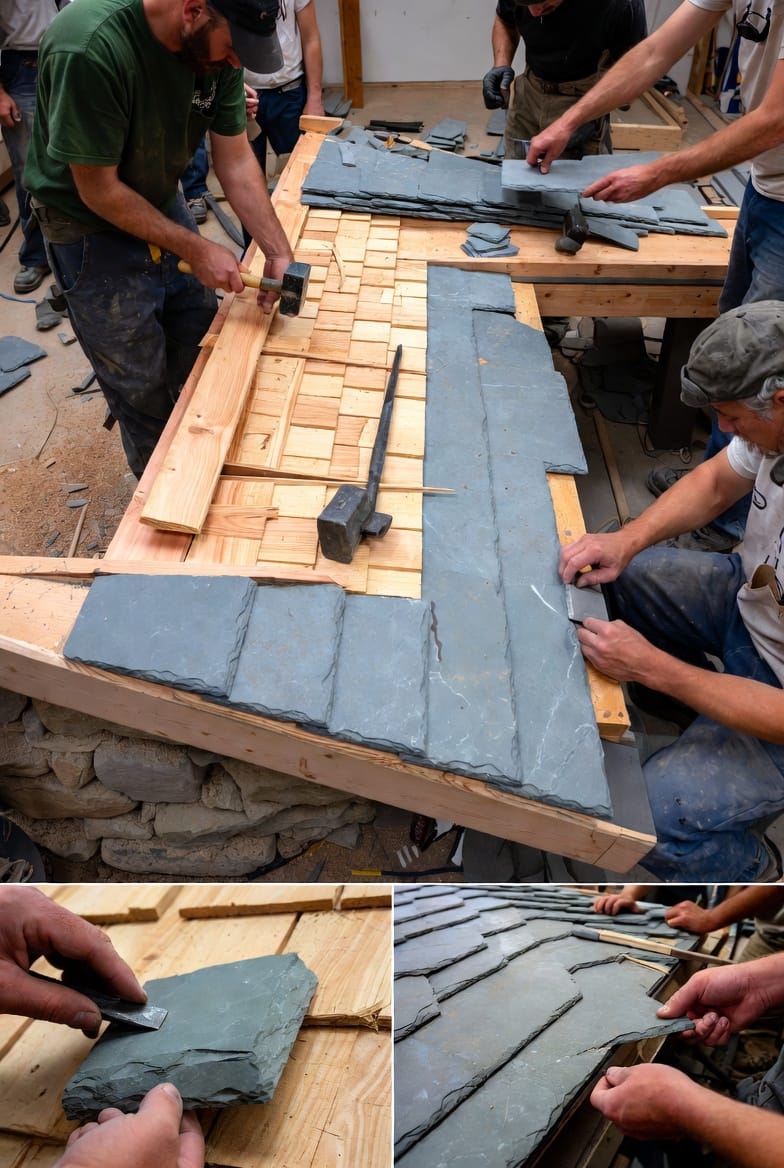
The true magic of historic roof restoration lies in the hands of skilled artisans. Unlike standard roofing, this work requires knowledge of antique methods to replicate original installations without modern shortcuts that could detract from authenticity.
For wood shingles, installers use copper nails and stagger patterns to mimic 19th-century techniques, allowing natural expansion. Slate demands expertise in "slating"—cutting and hooking tiles with precision to prevent leaks, often on steep pitches. Terracotta tiles involve interlocking systems that echo Spanish colonial styles, with careful alignment to avoid cracks.
Training is key: Many restorers hold certifications from organizations like the National Park Service or historic preservation societies. They assess underlying structures for rot or sagging, reinforcing as needed while preserving original timbers.
- Skill Sets Required: Proficiency in hand tools, material grading, and weatherproofing.
- Common Techniques: Nailing patterns, flashing integration, and edge detailing.
- Safety Considerations: Working at heights with heavy materials demands rigorous protocols.
Authoritative restorers bring decades of experience, turning potential pitfalls into polished outcomes.
Integrating Modern Underlayment and Ventilation Discreetly
Balancing history with modernity is crucial to meet building codes without sacrificing aesthetics. Modern underlayment and ventilation systems enhance durability, but they must remain invisible to preserve the roof's period look.
Underlayment evolves from traditional felt to synthetic membranes that offer superior waterproofing. Installed beneath shingles or tiles, these barriers prevent moisture intrusion while allowing breathability. For ventilation, low-profile ridge vents or soffit intakes promote airflow, reducing heat buildup and mold risks—essential for energy efficiency.
The key is discretion: Vents are color-matched and positioned out of sight, ensuring compliance without visual disruption. This hybrid approach extends roof life while honoring heritage.
- Underlayment Options: Self-adhering membranes for ice-prone areas; breathable synthetics for humid climates.
- Ventilation Strategies: Continuous ridge vents hidden under cap shingles; eave intakes blended into fascia.
- Code Compliance: Meets IRC standards for wind resistance and fire ratings.
Rest assured, these integrations are seamless, protecting your home's legacy for generations.
Challenges and Solutions in Historic Roof Restoration
Every restoration presents unique hurdles, from material scarcity to structural surprises. Yet, with strategic planning, these become opportunities for excellence.
Budgeting is a common concern—authentic materials cost more upfront but save long-term through reduced maintenance. Weather delays can extend timelines, so scheduling during mild seasons is advisable. Permitting in historic districts requires detailed plans, but experts navigate this efficiently.
Solutions include phased approaches: Start with critical sections, then expand. Insurance often covers storm damage, offsetting costs.
- Budget Tips: Factor in 20-30% contingencies; seek grants for historic properties.
- Timeline Management: Use 3D modeling for precise planning.
- Expert Collaboration: Involve architects and inspectors early.
These strategies ensure a smooth, stress-free process.
Benefits of Faithful Historic Roof Preservation
Investing in period-accurate roofing yields multifaceted rewards. Beyond aesthetics, it enhances energy efficiency—proper ventilation lowers cooling costs. Structural stability improves, preventing interior damage from leaks.
Culturally, it contributes to community heritage, fostering pride and tourism in historic neighborhoods. Environmentally, reusing materials aligns with sustainable practices, reducing landfill contributions.
- Energy Savings: Up to 15% reduction in utility bills.
- Longevity Gains: Restored roofs last 50+ years versus 20 for modern alternatives.
- Heritage Value: Boosts resale by 10-20% in preserved districts.
It's an authoritative choice that pays dividends in every sense.
Case Studies in Successful Restorations
Real-world examples illustrate the transformative power of expert work. A 1890s Queen Anne home in New England saw its slate roof revived using Welsh imports, integrating synthetic underlayment for code compliance. The result: A leak-free structure with unchanged Victorian charm.
In California, a Spanish Revival bungalow's terracotta tiles were recreated from salvaged molds, with hidden vents improving airflow. Homeowners reported cooler interiors and preserved authenticity.
These successes highlight how skilled intervention turns aging roofs into enduring assets.
Maintaining Your Restored Historic Roof
Post-restoration care is vital for longevity. Annual inspections catch minor issues early, while gentle cleaning removes debris without damaging materials.
Avoid harsh chemicals; opt for soft brushes and eco-friendly solutions. In snowy regions, install snow guards to prevent slides.
- Inspection Checklist: Check for loose tiles, flashing integrity, and gutter clogs.
- Seasonal Prep: Clear leaves in fall; inspect after storms.
- Professional Services: Schedule bi-annual tune-ups for peace of mind.
With diligent maintenance, your roof will thrive.
Preserve Your Home's Heritage with a Faithful Roof Restoration
When it comes to historic roof restoration, cutting corners isn't an option. Embrace materials and methods that honor the past while incorporating subtle modern enhancements for unmatched durability. Preserve your home's heritage with a faithful roof restoration.
Keep History Above Your Home – Call for Restoration!