Reading Your Solar Lease vs. Loan vs. Purchase Agreement: Key Terms and Long-Term Implications

Switching to solar energy can transform your home's power source while potentially slashing your electricity bills. But navigating the financing options—solar lease, solar loan, or cash purchase—requires a keen eye on the contracts. These agreements are packed with key terms that dictate your long-term financial implications, from ownership rights to incentive claims. In this comprehensive guide, we'll decode the complexities, highlight the pros and cons, and empower you to make an informed choice. Whether you're a first-time homeowner or a seasoned investor, understanding these models ensures your solar journey is both sustainable and savvy.
Clarify Your Solar Lease, Loan, or Purchase – Call Today!
Understanding Solar Financing Basics
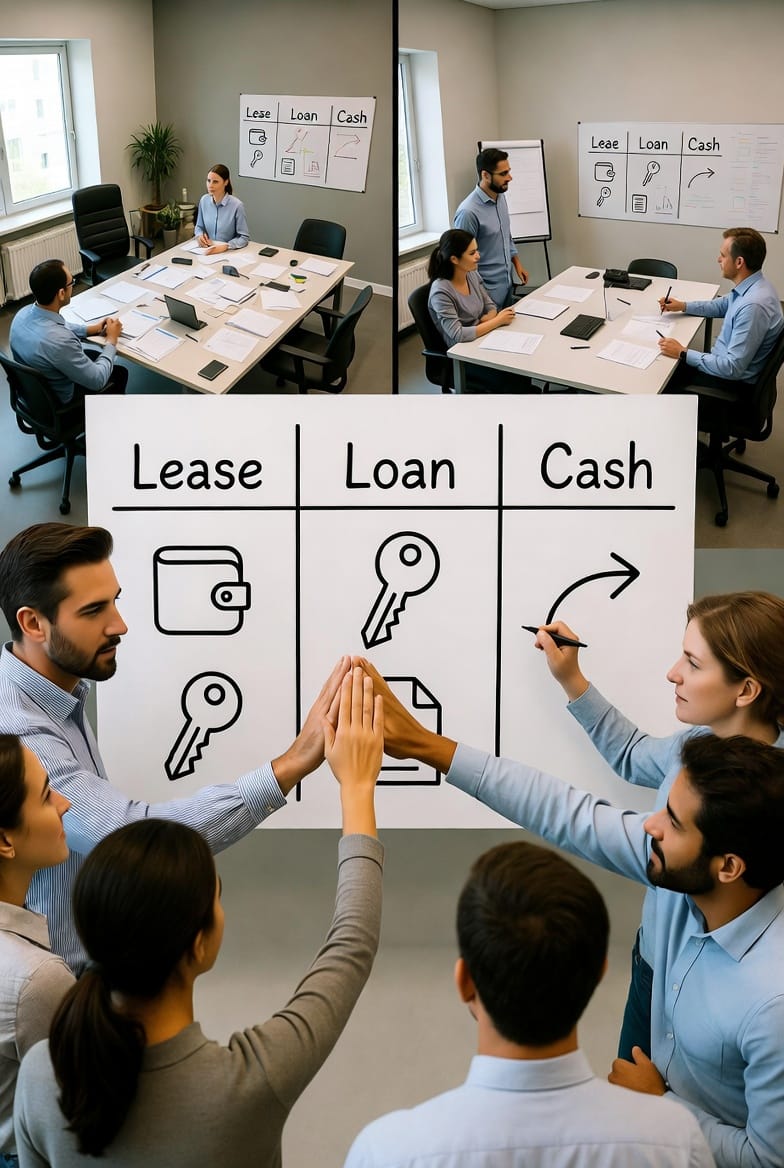
Before diving into the specifics, let's clarify the fundamentals. Solar financing allows you to install photovoltaic panels without bearing the full upfront burden. The three primary models—leasing, loans, and outright purchase—each offer unique pathways to harness renewable energy. Leasing appeals to those seeking minimal initial outlay, loans provide a balance of payments and ownership, and cash purchases deliver immediate control.
- Lease: You pay a fixed or escalating monthly fee to use the system, but the provider owns it.
- Loan: Borrow funds to buy the system, owning it while repaying over time.
- Cash Purchase: Pay in full upfront for complete ownership from day one.
By grasping these, you'll avoid common pitfalls like unexpected escalators or missed incentives. Rest assured, with careful review, solar can be a sound investment yielding decades of savings.
Decoding the Solar Lease Agreement
A solar lease is essentially a rental agreement for your rooftop panels. It's popular for its zero upfront cost, making solar accessible without dipping into savings. However, the fine print reveals nuances that could impact your wallet over 20-25 years.
Key Terms in a Lease Contract
- Lease Term: Typically 20 years; early termination often incurs hefty fees.
- Monthly Payment: Starts low but may include an escalator clause (e.g., 2-3% annual increase) to adjust for inflation.
- Production Guarantee: Ensures a minimum energy output; underperformance might trigger credits.
- End-of-Term Options: Buyout at fair market value, removal (at your cost), or renewal.
Pros of Leasing
- No Initial Investment: Ideal for budget-conscious households.
- Maintenance Included: The lessor handles repairs, reducing your hassle.
- Predictable Costs: Fixed payments shield against utility rate hikes.
Cons and Risks
- No Ownership: You can't claim the federal Investment Tax Credit (ITC)—the lessor does.
- Escalating Payments: Over time, costs could exceed savings if rates rise sharply.
- Home Sale Complications: Transferring the lease to buyers can deter potential purchasers.
Leases suit renters or those planning short-term stays, but long-haulers might find them limiting. Always scrutinize the buyout clause for flexibility.
Exploring the Solar Loan Agreement
Solar loans bridge the gap between leasing and buying outright. You finance the system through a lender, gaining ownership while spreading costs. This model empowers you to reap tax incentives and build equity.
Essential Loan Terms
- Loan Amount and Interest Rate: Covers system cost; rates vary (3-8%) based on credit.
- Repayment Period: 10-20 years; shorter terms mean higher payments but less interest.
- Collateral: Often secured by the panels or your home.
- Prepayment Penalties: Some loans charge for early payoff—avoid these if possible.
Advantages of Loans
- Ownership Benefits: Claim the 30% ITC and state rebates, accelerating payback.
- Energy Savings: Offset loan payments with reduced bills, often netting positive cash flow.
- Appreciation: Owned systems boost home value by about 4%, per studies.
Drawbacks to Consider
- Upfront Costs: Possible down payment (0-20%) and closing fees.
- Interest Accumulation: Total cost exceeds cash price due to borrowing.
- Credit Impact: Missed payments affect your score; ensure affordability.
Loans are reassuring for those committed to long-term residency, offering a path to debt-free ownership post-payoff.
The Cash Purchase Option: Full Control from the Start
Opting for a cash purchase means paying the full system cost upfront—typically $15,000-$30,000 after incentives. This straightforward approach maximizes long-term returns without ongoing payments.
Critical Elements in Purchase Agreements
- System Specifications: Details on panels, inverters, and warranties (25-30 years).
- Installation Timeline: Binding dates to avoid delays.
- Warranties and Guarantees: Coverage for defects and performance.
- Incentive Assignment: Ensures you receive all rebates.
Benefits of Buying Outright
- Immediate Ownership: Full control, including selling excess power via net metering.
- Highest ROI: No interest or fees; payback in 6-10 years through savings.
- Simplicity: No contracts post-installation; just enjoy the benefits.
Potential Downsides
- High Initial Outlay: Requires substantial liquid assets.
- Opportunity Cost: Funds tied up could yield elsewhere (e.g., stock market).
- Maintenance Responsibility: You're on the hook for repairs, though warranties help.
For those with reserves, cash purchases provide unmatched financial freedom and peace of mind.
Comparing the Three Models Side-by-Side
To make sense of these options, consider your priorities: budget, ownership, or simplicity?
- Upfront Cost: Lease ($0), Loan (Low-Medium), Cash (High).
- Ownership: Lease (Provider), Loan/Cash (You).
- Incentives: Lease (Provider), Loan/Cash (You).
- Long-Term Value: Lease (Limited), Loan (High with equity), Cash (Maximum).
A solar calculator can personalize this—input your usage and location for projections.
Navigating the Fine Print: Common Pitfalls
Contracts are dense, but spotting red flags is key.
- Arbitration Clauses: Limit your legal recourse; prefer options without.
- Automatic Renewals: Leases might extend silently—opt out if possible.
- Performance Metrics: Ensure guarantees are enforceable.
- Transfer Fees: Critical for leases if you sell your home.
Consult a neutral advisor to review; don't rely solely on installers.
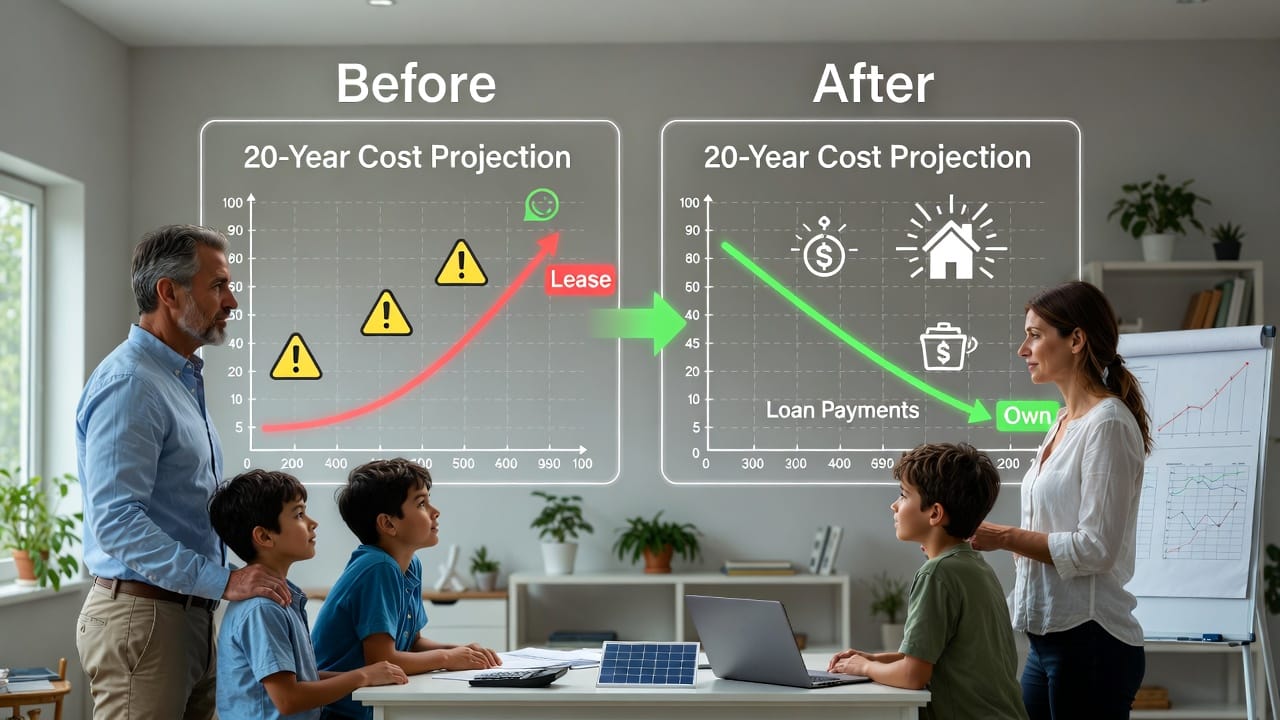
Long-Term Financial Implications
Over 25 years, choices compound.
- Lease: Cumulative payments might hit $50,000+, with no asset ownership.
- Loan: Total cost ~$25,000 (with interest), but you own a valuable system.
- Cash: Outlay $20,000, recoup via $100,000+ in savings.
Factor in inflation, utility rates, and home value boosts. Solar often yields 10-15% annual returns, rivaling investments.
Tax Incentives and Rebates: Maximizing Savings
The ITC offers 30% back on qualified costs for owners (loans/cash). States add rebates—e.g., California's SGIP. Leases miss these, as incentives go to lessors. Always verify eligibility.
Environmental and Lifestyle Perks
Beyond finances, solar reduces your carbon footprint by 25-50 tons over the system's life. It enhances energy independence, shielding against blackouts with batteries.
Choosing the Right Model for You
Assess your situation:
- Short-term? Lease.
- Building equity? Loan.
- Financially secure? Cash.
Run scenarios with tools like PVWatts for accurate estimates.
Final Thoughts: Empower Your Solar Decision
Solar is a wise step toward sustainability, but the financing model shapes your experience. By decoding key terms and weighing implications, you'll secure a deal that aligns with your goals. Remember, knowledge is power—review thoroughly.
Maximize Solar ROI with Smart Financing – Call Today!