Reading the Blades: A Visual Guide to Diagnosing Lawn Diseases and Fungal Issues
Your lawn is more than just grass — it's a living landscape that reflects the care and attention you invest in it. When brown patches, tan spots, or reddish threads suddenly appear, many homeowners reach for treatments without understanding the root cause. This approach often leads to wasted effort and recurring problems.
Stop Guessing – Get Pro Lawn Diagnosis Now – Call Today!
Accurate diagnosis is the foundation of effective lawn disease management. By learning to "read the blades," you gain the confidence to address turf diseases correctly and restore your yard's natural beauty. This comprehensive guide focuses on three prevalent fungal issues: Brown Patch, Dollar Spot, and Red Thread.
You'll discover detailed symptom descriptions, the specific environmental conditions that trigger each disease, and proven cultural practices alongside targeted treatments. With this knowledge, you can act decisively and prevent future outbreaks, keeping your lawn thick, green, and resilient year-round.
Lawn diseases thrive when conditions favor fungal growth, but the good news is that homeowners who master visual identification and responsive care rarely face severe damage. Whether you're dealing with a new home or maintaining an established turf, these insights empower you to protect your investment. Let's dive into the visual cues that reveal exactly what your lawn is trying to tell you.
Identifying Brown Patch: The Classic Summer Culprit
Brown Patch stands out as one of the most recognizable lawn fungal issues during warm, humid months. Caused by the fungus Rhizoctonia solani, it creates distinct circular patterns that can quickly expand if left unchecked.
Key symptoms to watch for include:
- Circular or irregularly shaped patches ranging from a few inches to several feet in diameter.
- Grass blades turning from a dark purplish-green to light brown or tan, often with a sunken, matted appearance.
- A distinctive "smoke ring" or grayish-white mycelium visible on the outer edges of patches during early morning dew.
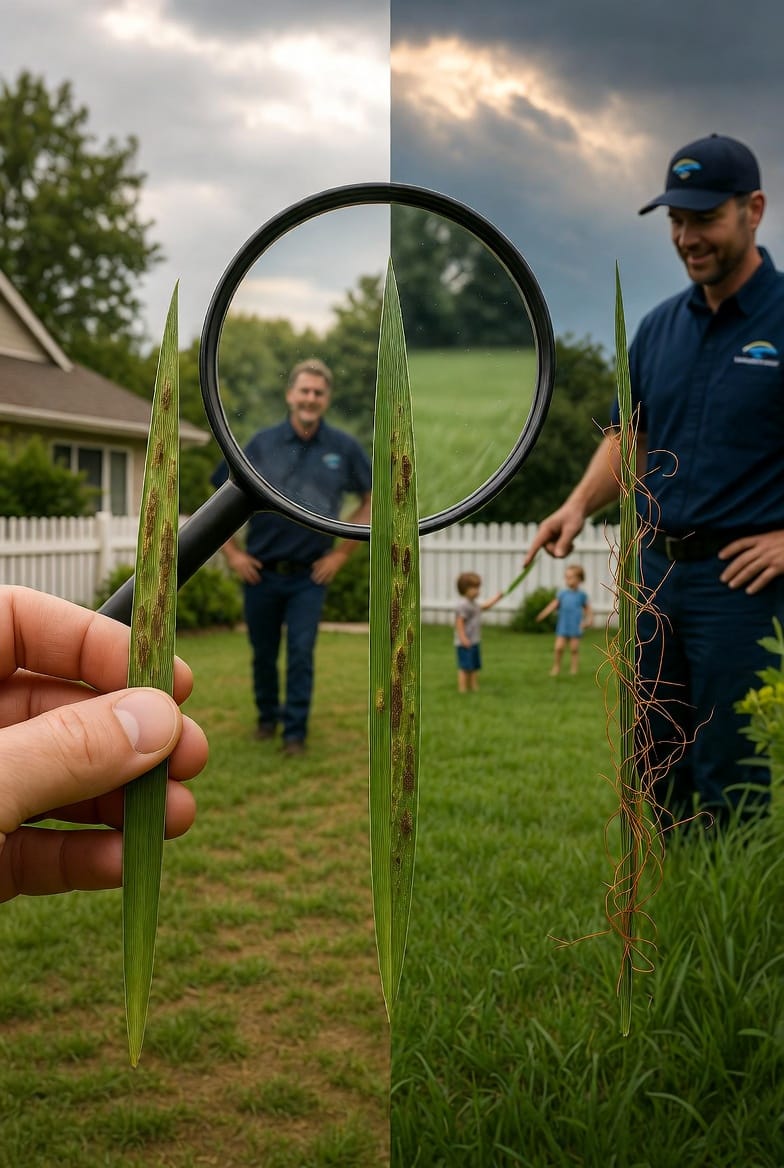
- Individual blades showing irregular tan lesions bordered by dark brown margins, sometimes resembling a burnt cigarette tip.
These visual markers make Brown Patch relatively straightforward to spot once you know what to look for. Walk your lawn early in the morning after a humid night, and examine both the overall pattern and close-up blade details.
Environmental conditions that promote Brown Patch development include prolonged periods of high humidity combined with temperatures between 70°F and 90°F. Nighttime temperatures staying above 60°F, excessive thatch buildup, poor soil drainage, and over-fertilization with nitrogen all create the perfect storm. Lawns that receive late-evening irrigation or sit in shaded, low-airflow areas are particularly vulnerable.
Homeowners in humid regions often notice symptoms accelerating after heavy summer rains or extended overcast periods. The fungus spreads through water splash and equipment, so avoiding foot traffic on wet grass helps limit its progress.
Cultural responses form the first and most sustainable line of defense. Begin by adjusting your watering schedule to early morning hours, allowing foliage to dry quickly. Raise your mowing height to promote deeper roots and reduce stress. Regular aeration and dethatching improve air circulation and reduce moisture-trapping layers in the soil.
When cultural practices alone aren't sufficient, targeted fungicide applications provide reliable control. Apply preventative treatments before peak humidity periods or curative options at the first sign of active mycelium. Consistent monitoring throughout the growing season prevents small issues from becoming widespread.
With these strategies, Brown Patch becomes a manageable challenge rather than a lawn-destroying threat. Many homeowners report full recovery within weeks when they combine proper diagnosis with responsive care, watching their turf regain its vibrant density.
Dollar Spot: Small Spots That Signal Bigger Stress
Dollar Spot earns its name from the characteristic small, coin-sized patches that dot affected lawns. The fungus Clarireedia jacksonii targets leaf tissue, creating bleached-out areas that can merge into larger irregular zones if conditions persist.
Look for these defining symptoms:
- Numerous small, straw-colored or tan spots roughly the size of a silver dollar, often slightly sunken in closely mowed turf.
- Larger patches up to 6 inches or more in higher-cut lawns as individual spots coalesce.
- Distinct lesions on grass blades featuring tan centers bordered by reddish-brown margins, sometimes with an hourglass shape.
- Fluffy white mycelium visible across affected areas during heavy morning dew.
These precise visual indicators help distinguish Dollar Spot from similar-looking issues like drought stress or insect damage. The presence of mycelium and the specific lesion patterns on individual blades provide clear confirmation.
Environmental conditions favoring Dollar Spot include daytime temperatures between 60°F and 85°F with high humidity and prolonged leaf wetness. Low soil nitrogen levels, drought stress alternating with excessive moisture, and poor air circulation around the turf canopy all contribute significantly. The disease often appears in late spring through early fall, especially following cool nights that produce heavy dews.
Lawns under nutrient stress show greater susceptibility, making proper fertility management essential. Shaded or compacted areas also retain moisture longer, extending the window for fungal activity.
Appropriate responses emphasize cultural adjustments first. Apply balanced nitrogen fertilizer to boost turf vigor without excess growth that invites other problems. Water deeply but infrequently to encourage strong root systems, and prune surrounding trees or shrubs to improve sunlight and airflow.
Fungicide applications prove highly effective when timed correctly. Preventative programs in high-risk periods protect vulnerable turf, while curative treatments halt active infections. Rotating active ingredients helps prevent resistance development, ensuring long-term efficacy.
Homeowners who address underlying stress factors alongside direct treatment typically see rapid improvement. The small spots fade, new growth fills in, and the lawn returns to uniform green health. This proactive approach not only resolves the current issue but builds greater resistance against future fungal challenges.
Red Thread: The Telltale Pink Threads of Nutrient Stress
Red Thread presents a unique visual signature that sets it apart from other turf diseases. The fungus Laetisaria fuciformis produces distinctive colorful structures that make identification straightforward during cool, moist periods.
Diagnostic symptoms include:
- Irregular or circular patches of blighted grass with a distinctive pink or reddish cast when wet.
- Straw-colored or bleached blades in affected areas once dry.
- Bright red, thread-like fungal structures (stromata) extending from leaf tips and sheaths, often binding blades together.
- Overall thinning and weakened appearance in patches ranging from several inches to a few feet across.
The red threads serve as the definitive marker — examine affected blades closely after rainfall or heavy dew to spot these gelatinous, coral-pink filaments.
Environmental conditions that drive Red Thread outbreaks center on cool, wet weather combined with low nitrogen fertility. Spring and fall periods with prolonged overcast skies and temperatures in the 50s to 70s°F create ideal growth conditions for the pathogen. Nutrient-deficient turf, particularly cool-season grasses like perennial ryegrass and fine fescues, shows the greatest vulnerability.
Stressed lawns from inadequate fertilization, poor soil health, or excessive thatch become prime targets. The disease rarely kills the entire plant but can severely thin stands, allowing weeds to invade.
Cultural and treatment responses focus heavily on restoring vigor through proper nutrition. Apply a nitrogen-rich fertilizer as soon as symptoms appear to stimulate healthy regrowth and suppress fungal activity. Maintain consistent mowing practices that remove no more than one-third of the blade at a time, and ensure adequate but not excessive irrigation.
In severe cases, fungicides provide additional support. Targeted applications during high-risk weather periods prevent escalation, while integrated programs combining fertility and chemical controls deliver the best outcomes.
Many homeowners notice dramatic improvement within days of addressing the underlying nitrogen deficiency. The red threads disappear, patches fill in with fresh green growth, and the lawn regains its uniform density and color.
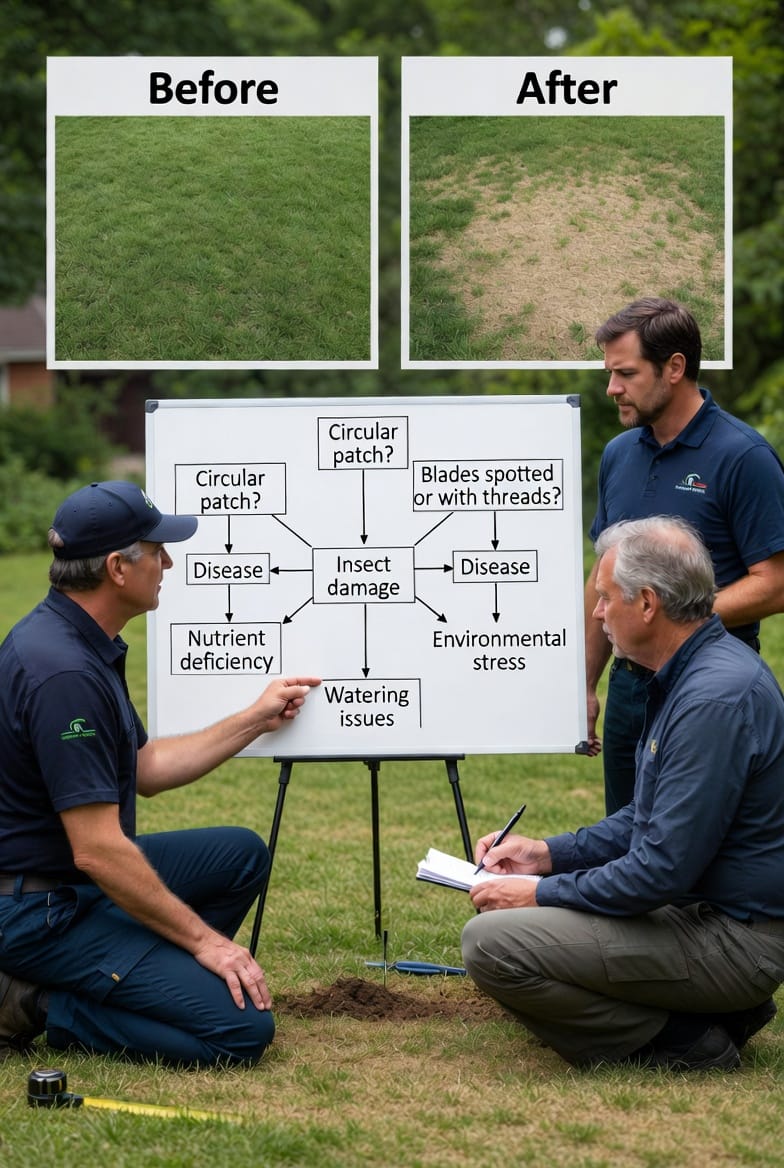
Using a Diagnostic Flowchart for Accurate Identification
Effective diagnosis follows a logical sequence of observations. Ask yourself these key questions when examining problem areas:
- Is the patch roughly circular, or irregular in shape?
- Are individual blades showing distinct spots, lesions, or thread-like structures?
- What time of year is it, and what are current weather patterns?
- Does the turf show signs of recent stress from drought, overwatering, or low fertility?
These decision points guide you toward the most likely culprit among Brown Patch, Dollar Spot, and Red Thread. Cross-reference with the detailed symptom descriptions above for confirmation.
Early morning inspections when dew is present reveal mycelium or threads most clearly. Document findings with photos from multiple angles to track progress or share with professionals if needed.
This systematic approach eliminates guesswork and ensures your response targets the actual issue rather than symptoms of a different problem.
Effective Treatment Responses: Cultural Practices and Fungicides
Cultural practices should always lead your management strategy. They address root causes, promote natural resilience, and reduce reliance on chemical interventions.
Core cultural steps include:
- Fertility management — Maintain balanced soil nutrition, with particular attention to nitrogen levels for preventing Dollar Spot and Red Thread.
- Watering discipline — Deep, infrequent irrigation in the morning hours minimizes leaf wetness duration.
- Mowing and thatch control — Proper height and regular dethatching/aeration improve airflow and reduce fungal habitat.
- Variety selection — Choose disease-resistant grass cultivars when overseeding or renovating.
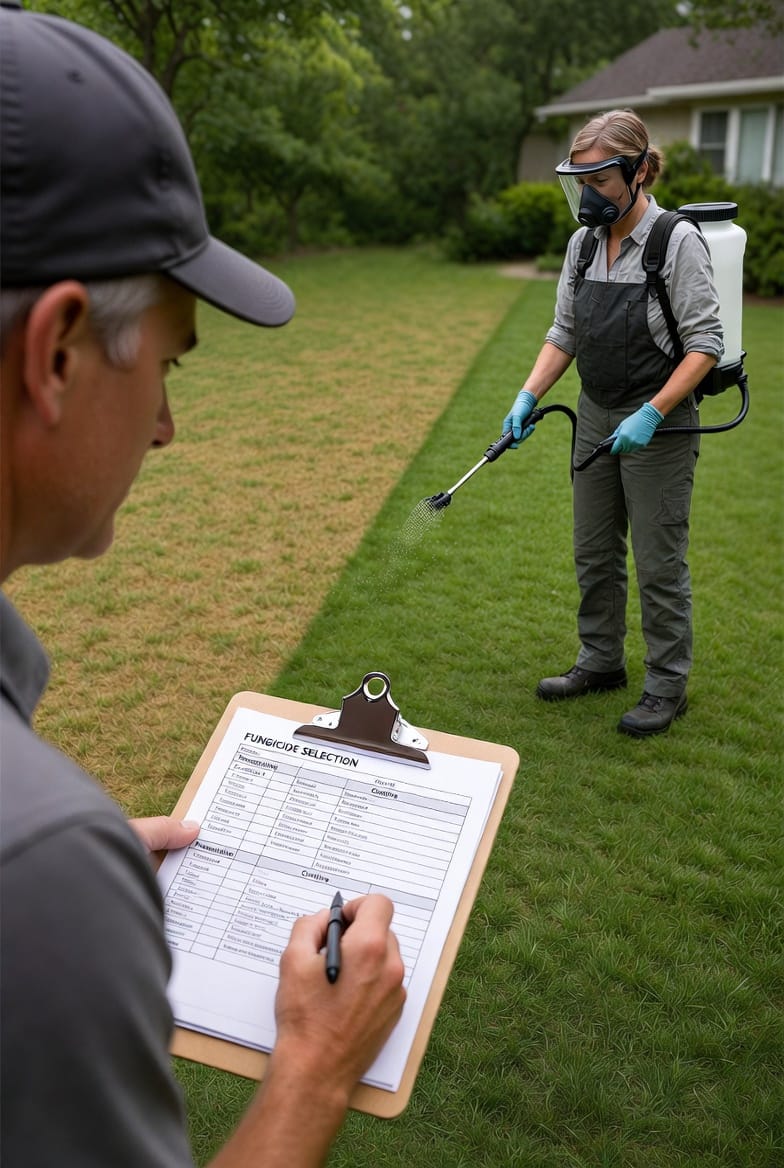
When conditions demand chemical support, select fungicides based on whether you need preventative protection or curative action.
Common options target specific diseases effectively when used according to label instructions. Preventative applications build protection before outbreaks, while curative treatments stop active infections. Always rotate modes of action to maintain long-term effectiveness and follow all safety guidelines.
Preventing Future Outbreaks for Lasting Lawn Health
Prevention beats treatment every time. Establish these habits to keep fungal issues at bay:
- Test soil annually and amend according to results.
- Maintain consistent fertilization throughout the growing season.
- Monitor weather patterns and adjust care routines proactively.
- Remove debris and improve overall yard airflow.
- Choose appropriate grass species for your climate and site conditions.
These foundational practices create an environment where strong, vigorous turf naturally resists disease pressure.
When Professional Assessment Provides the Best Path Forward
Even with the best home knowledge, some situations benefit from expert eyes. Complex cases, recurring problems, or large-scale damage warrant professional evaluation.
Don't just treat blindly — diagnose correctly. Send a clear photo of your lawn's symptoms to our experienced lawn care experts at (855) 321-3316 for a precise assessment and personalized treatment plan. Our team stands ready to help restore your lawn to its full potential with proven, reliable solutions tailored to your specific conditions.
With the right diagnosis and responsive care, your lawn can thrive beautifully season after season. Start reading the blades today — your greener tomorrow begins with understanding what you see.
Restore Your Green Lawn Fast – Expert Help Just a Call Away