Navigating Solar for Your Home: Understanding Systems, Incentives, and ROI
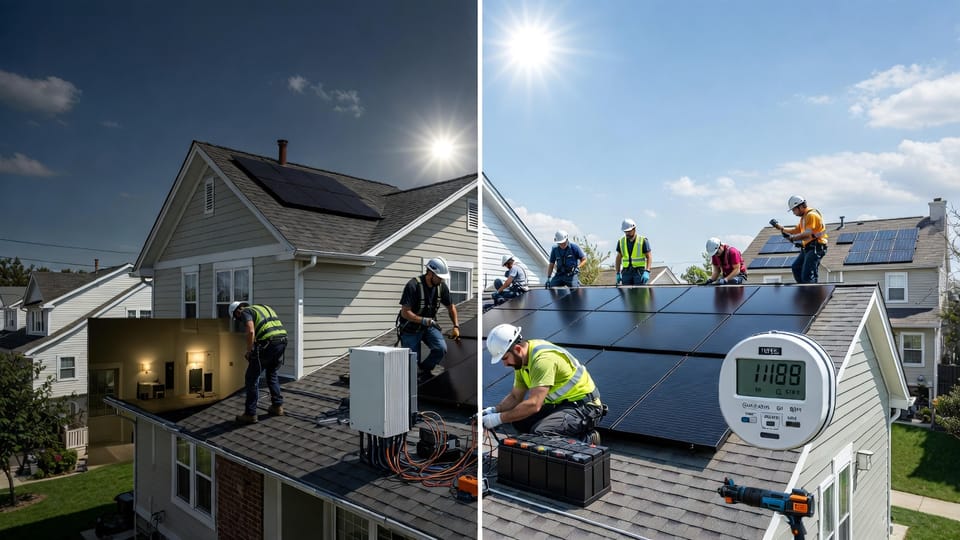
Switching to solar energy for your home can feel like a big step, but it's one that's increasingly accessible and rewarding. As homeowners seek ways to reduce energy bills, lower their carbon footprint, and gain independence from fluctuating utility rates, solar stands out as a reliable solution. In this comprehensive guide, we'll walk you through the essentials of home solar systems, from how they harness the sun's power to evaluating if your property is a good fit. We'll cover battery storage options, financing strategies, incentives, and calculating your return on investment (ROI)—all with clear, original insights to empower your decision-making. Rest assured, with the right knowledge, going solar can be a straightforward path to long-term savings and sustainability.
Unlock Solar Incentives & ROI – Call for Expert Advice
How Solar Energy Works: The Basics Demystified
At its core, solar power converts sunlight into usable electricity through a process that's both ingenious and efficient. Photovoltaic (PV) panels, typically mounted on your roof, contain cells made from semiconductor materials like silicon. When sunlight hits these cells, it knocks electrons loose, creating an electric current. This direct current (DC) is then converted to alternating current (AC) by an inverter, making it compatible with your home's appliances and outlets.
To make this tangible, imagine your home as a self-sustaining ecosystem. During the day, panels capture solar rays, feeding power directly to your electrical panel. Excess energy can flow back to the grid via net metering—a system where utilities credit you for surplus production—or be stored for later use. At night or on cloudy days, your home draws from the grid or stored reserves, ensuring seamless operation.
Key components include:
- Solar Panels: The workhorses, rated by wattage (e.g., 300-400W per panel). Monocrystalline panels offer high efficiency in limited space, while polycrystalline are more budget-friendly.
- Inverter: Central or micro-inverters optimize energy conversion; string inverters are common for cost-effectiveness.
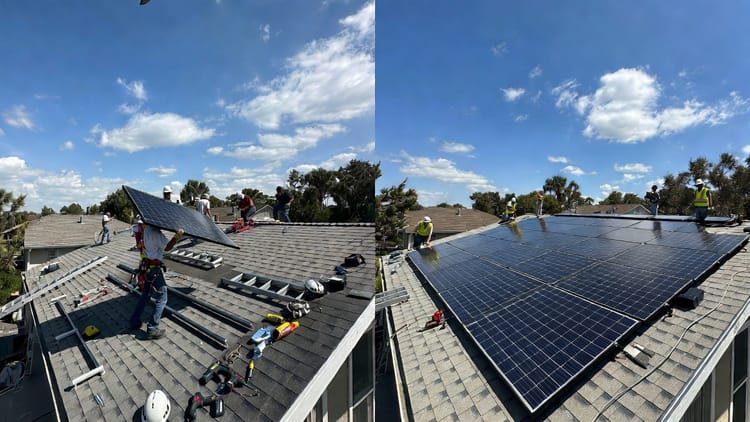
- Mounting System: Racks secure panels, tilted optimally for your latitude to maximize sun exposure.
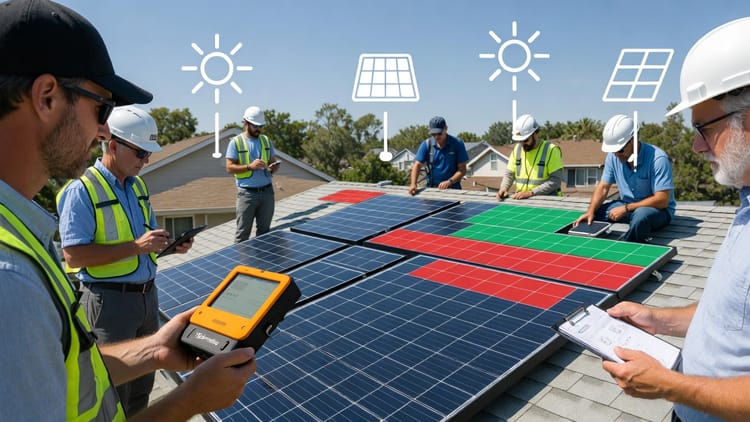
- Monitoring Tools: Apps and devices track production in real-time, helping you spot issues early.
This setup not only powers your lights and devices but also supports electric vehicles or heat pumps, amplifying your home's efficiency. With advancements in panel durability—many warranted for 25+ years—solar systems are built to withstand weather, providing peace of mind for decades.
Assessing Your Home's Solar Potential: Is It Right for You?
Before diving in, evaluating your home's solar viability is crucial. Not every property is identical, but most can benefit with proper planning. Start by considering your roof: South-facing orientations in the Northern Hemisphere capture the most sunlight, ideally with minimal shading from trees or buildings. A roof slope of 15-40 degrees is optimal, though ground-mounted systems work for flat or obstructed roofs.
Use these steps to gauge potential:
- Sunlight Hours: Check your location's average peak sun hours (typically 4-6 in the U.S.). Tools like solar irradiance maps (available from government sources) can help without needing professional software.
- Energy Usage: Review your utility bills for annual kWh consumption. A 5-10kW system might cover a typical household's 10,000-15,000 kWh yearly needs.
- Roof Condition: Ensure it's structurally sound; if repairs are needed, address them pre-installation to avoid future costs.
- Local Regulations: Zoning laws and HOA rules may influence placement, but many areas now favor solar-friendly policies.
If shading is an issue, technologies like solar optimizers can mitigate losses by allowing each panel to perform independently. For urban dwellers, community solar programs offer an alternative, sharing output from off-site arrays. Ultimately, a site assessment by experts can confirm viability, turning potential hurdles into tailored solutions.

Battery Storage Options: Enhancing Reliability and Independence
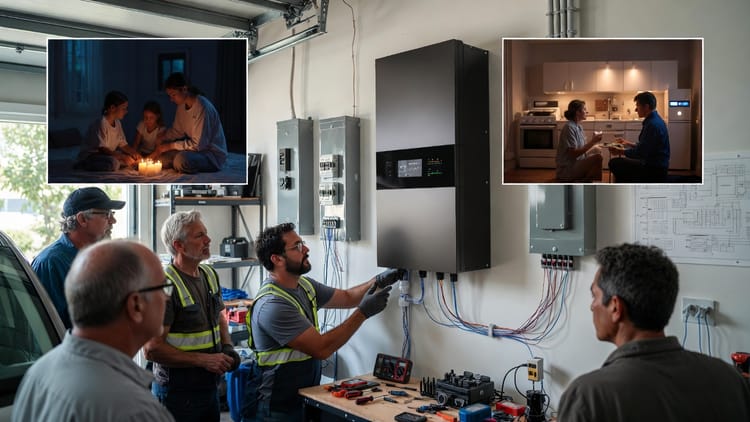
While solar panels generate power, battery storage ensures you can use it when the sun isn't shining. This addition transforms your system from grid-dependent to resilient, especially during outages or peak pricing hours. Popular options include lithium-ion batteries like Tesla Powerwall or LG Chem, which store excess daytime energy for evening use.
Consider these choices:
- Whole-Home Backup: Larger capacities (10-20kWh) power essentials like refrigerators and lights during blackouts.
- Partial Load Systems: Smaller units focus on critical appliances, ideal for budget-conscious setups.
- Scalable Solutions: Modular batteries allow expansion as needs grow, integrating seamlessly with existing solar arrays.
Benefits extend beyond emergencies: Time-of-use (TOU) optimization lets you draw from batteries during high-rate periods, slashing bills. However, weigh costs—batteries add $8,000-$15,000 to installations—against incentives that can offset up to 30%. Maintenance is minimal, with warranties covering 10+ years and 70% capacity retention. For off-grid enthusiasts, hybrid systems pair solar with batteries and generators for ultimate autonomy.
Financing Your Solar Journey: Affordable Paths Forward
Going solar doesn't require upfront cash; various financing options make it feasible for most budgets. Loans, leases, and power purchase agreements (PPAs) spread costs, often with immediate savings outweighing payments.
Break it down:
- Solar Loans: Secured or unsecured, with terms of 10-20 years at low interest (3-7%). Ownership means you claim incentives directly.
- Leases and PPAs: Pay a fixed monthly fee for the system or its energy output. The provider handles maintenance, but you forgo some tax benefits.
- Home Equity Lines: Leverage property value for favorable rates, though it ties to your mortgage.
Factor in return timelines: Many see payback in 6-10 years, after which energy is essentially free. Compare providers for transparent terms, avoiding hidden fees. With falling panel prices—down 89% since 2010—financing today locks in savings amid rising utility costs.
Unlocking Incentives: Boosting Your Solar Savings
Governments and utilities offer incentives to accelerate solar adoption, reducing barriers and enhancing ROI. At the federal level, the Investment Tax Credit (ITC) provides a 30% deduction on installation costs through 2032, stepping down thereafter. State-level rebates, such as property tax exemptions or performance-based incentives, vary but can add thousands in value.
Utility programs like net metering credit excess production at retail rates, effectively spinning your meter backward. Sales tax exemptions on equipment further lower entry points. While specifics differ by region, these perks make solar competitive with traditional energy. Research local offerings through utility websites or energy departments to maximize benefits without relying on third-party databases.
Calculating ROI: Long-Term Value and Payback
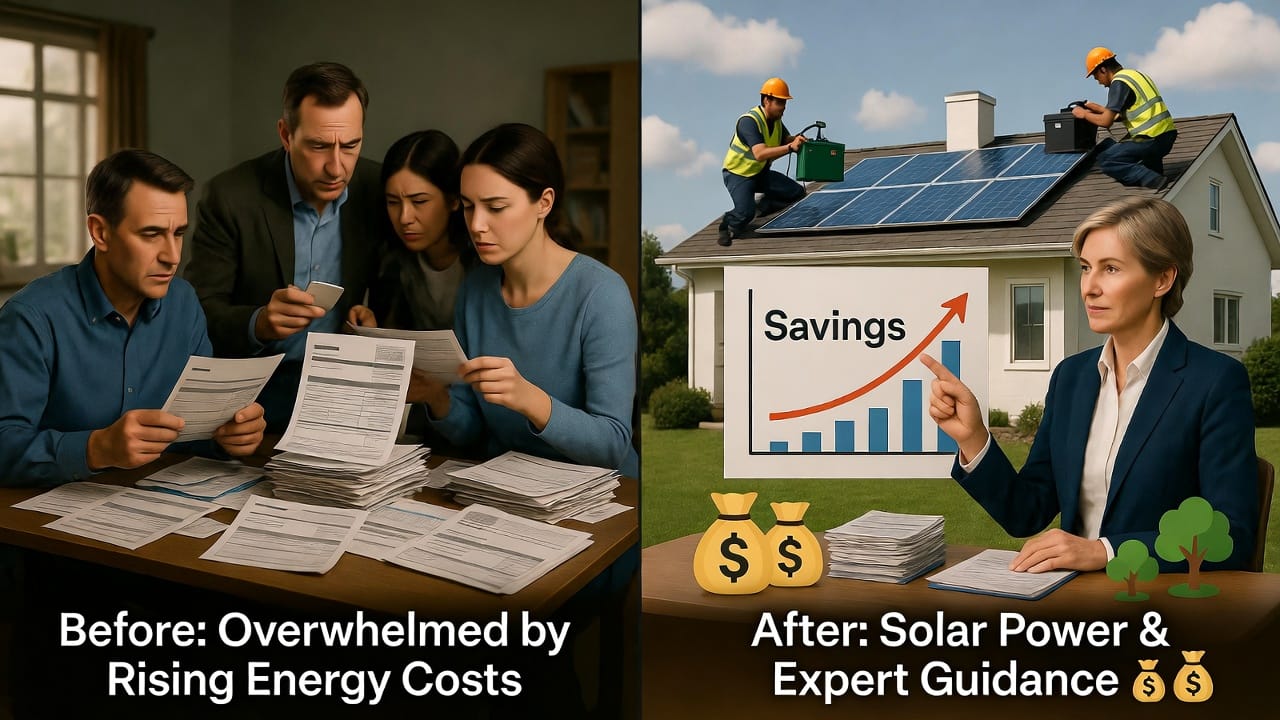
Understanding solar ROI involves more than initial costs; it's about lifetime savings. A typical 7kW system costs $20,000-$30,000 pre-incentives, but with credits, nets to $14,000-$21,000. Annual savings average $1,000-$2,000, depending on usage and rates.
To compute:
- Payback Period: Divide net cost by yearly savings (e.g., $15,000 / $1,500 = 10 years).
- Lifetime ROI: Over 25 years, savings could exceed $30,000, yielding 10-15% returns—better than many investments.
- Factors Influencing ROI: Electricity rates (higher = faster payback), system efficiency, and maintenance (minimal at $100-$200/year).
Account for inflation: Utility rates rise 2-3% annually, amplifying solar's edge. Tools like spreadsheets can model scenarios, incorporating variables like shading or battery additions for precise projections.
Maintenance and Longevity: Ensuring Peak Performance
Solar systems are low-maintenance, but routine care maximizes output. Annual inspections check for debris, wiring integrity, and inverter function. Cleaning panels twice yearly—more in dusty areas—prevents efficiency drops. Warranties cover defects, with performance guarantees ensuring 80-90% output after 25 years.
Common issues like bird nesting or shading are easily resolved, often via monitoring alerts. Professional services handle complex fixes, keeping downtime minimal.
Environmental and Lifestyle Benefits: Beyond the Numbers
Solar isn't just financial; it reduces emissions by offsetting fossil fuels—equivalent to planting 150 trees per system yearly. It enhances home value (up 4% on average) and fosters energy independence, appealing in volatile markets.
For families, it promotes sustainability education, while smart integrations like app controls add convenience.
Common Myths Debunked: Clearing the Air
Myth: Solar only works in sunny climates. Fact: It thrives in varied conditions, with Germany leading despite less sun.
Myth: Installation disrupts life. Fact: Most complete in 1-3 days with minimal intrusion.
Myth: It's too expensive. Fact: Incentives and financing make it affordable, with quick ROI.
Next Steps: Making Solar a Reality
Armed with this knowledge, you're ready to explore solar's fit for your home. Consult local installers for personalized quotes, comparing NABCEP-certified pros for quality assurance.
Discover Your Home’s Solar Potential – Call Today