Modernizing Your Home's Electrical System: Safety, Capacity, and Smart Home Readiness
In today's fast-evolving world, your home's electrical system is more than just a network of wires and outlets—it's the backbone of daily life, powering everything from essential appliances to cutting-edge smart devices. As homeowners increasingly adopt energy-intensive technologies like electric vehicles (EVs) and home automation, the need to modernize electrical infrastructure becomes critical. Outdated systems not only pose safety hazards but also limit your home's capacity to handle modern demands. This article explores the essentials of upgrading your home's electrical setup, focusing on safety, enhanced capacity, and readiness for smart living. By addressing these upgrades proactively, you can ensure a reliable, efficient, and future-proof home environment.
Protect Your Family from Electrical Risks – Call Today
Whether you're dealing with flickering lights, frequent breaker trips, or planning for sustainable tech integrations, modernizing isn't just an option—it's a smart investment in your property's value and your family's well-being. We'll break down key areas like replacing old wiring, incorporating protective devices, panel upgrades, and EV preparations, all while emphasizing code-compliant practices that prioritize safety without the jargon of external regulations.
Why Modernize Your Electrical System?
Homes built decades ago were designed for simpler electrical loads—think basic lighting, a few outlets, and minimal appliances. Fast-forward to now, and the average household juggles high-wattage gadgets, home offices, entertainment systems, and even renewable energy sources. Without modernization, these demands can overload systems, leading to inefficiencies, higher energy bills, and serious risks like electrical fires.
Consider the statistics: Aging electrical systems contribute significantly to home hazards, with issues like worn insulation or insufficient grounding amplifying dangers. Modernizing addresses these by boosting capacity—ensuring your home can support more devices without strain—and enhancing safety through advanced protections. It also paves the way for smart home readiness, allowing seamless integration of IoT devices, voice assistants, and automated lighting.
The benefits extend beyond functionality. A modernized system can reduce energy waste, lower utility costs, and increase your home's resale value. Buyers today prioritize homes that are "future-ready," meaning equipped for EVs, solar panels, and smart tech. Ignoring upgrades isn't just inconvenient; it could lead to costly emergencies or compliance issues during inspections. The good news? With professional intervention, these updates are straightforward and transformative.
- Increased Safety: Reduces risks from faults, overloads, and environmental factors.
- Enhanced Capacity: Supports more circuits and higher amperage for modern lifestyles.
- Smart Integration: Enables easy addition of Wi-Fi-enabled devices and automation.
- Cost Savings: Prevents breakdowns and optimizes energy use over time.
- Property Value Boost: Appeals to eco-conscious buyers seeking efficient homes.
By viewing modernization as an essential maintenance step, you're not just fixing problems—you're investing in peace of mind.
The Risks of Outdated Wiring and How to Update It
Old wiring, often found in homes over 50 years old, is a silent threat. Materials like knob-and-tube or aluminum wiring degrade over time, with insulation cracking, connections loosening, and efficiency dropping. This can result in overheating, arcing, or even fires if not addressed. Symptoms include dimming lights when appliances run, warm outlets, or a burning smell—clear signs that your system is struggling.
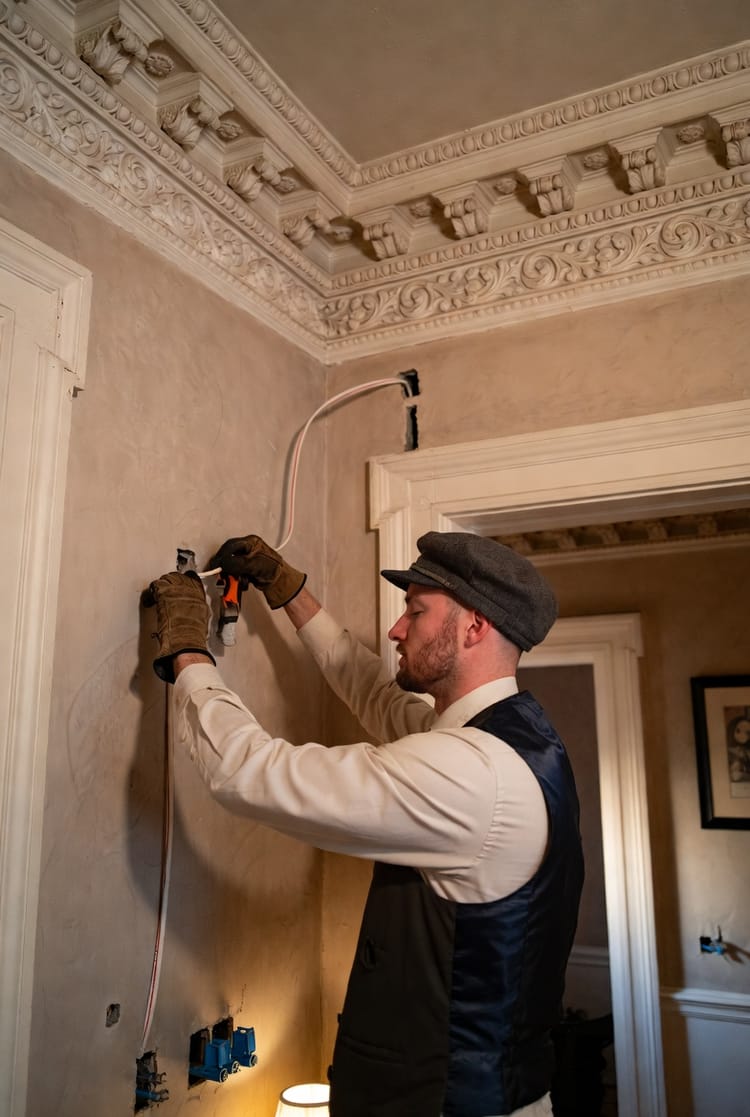
Updating old wiring involves replacing it with modern copper alternatives, which offer superior conductivity and durability. This process ensures your home meets current demands without compromising safety. Professionals assess your setup, identifying weak points and rerouting as needed to avoid hidden dangers like rodent damage or moisture exposure.
Critically, skipping this upgrade invites unnecessary risks. For instance, in high-moisture areas like kitchens or bathrooms, outdated wiring heightens electrocution hazards. Modern alternatives incorporate grounded circuits, reducing shock potential and supporting grounded appliances. The upgrade also future-proofs your home for expansions, like adding a home theater or workshop.
To approach this safely:
- Inspect for visible wear, such as frayed cords or discolored outlets.
- Prioritize high-load areas first, like the kitchen or laundry room.
- Integrate surge protection to shield against power spikes.
Remember, a thorough rewiring isn't about aesthetics—it's about creating a resilient foundation that adapts to your evolving needs.
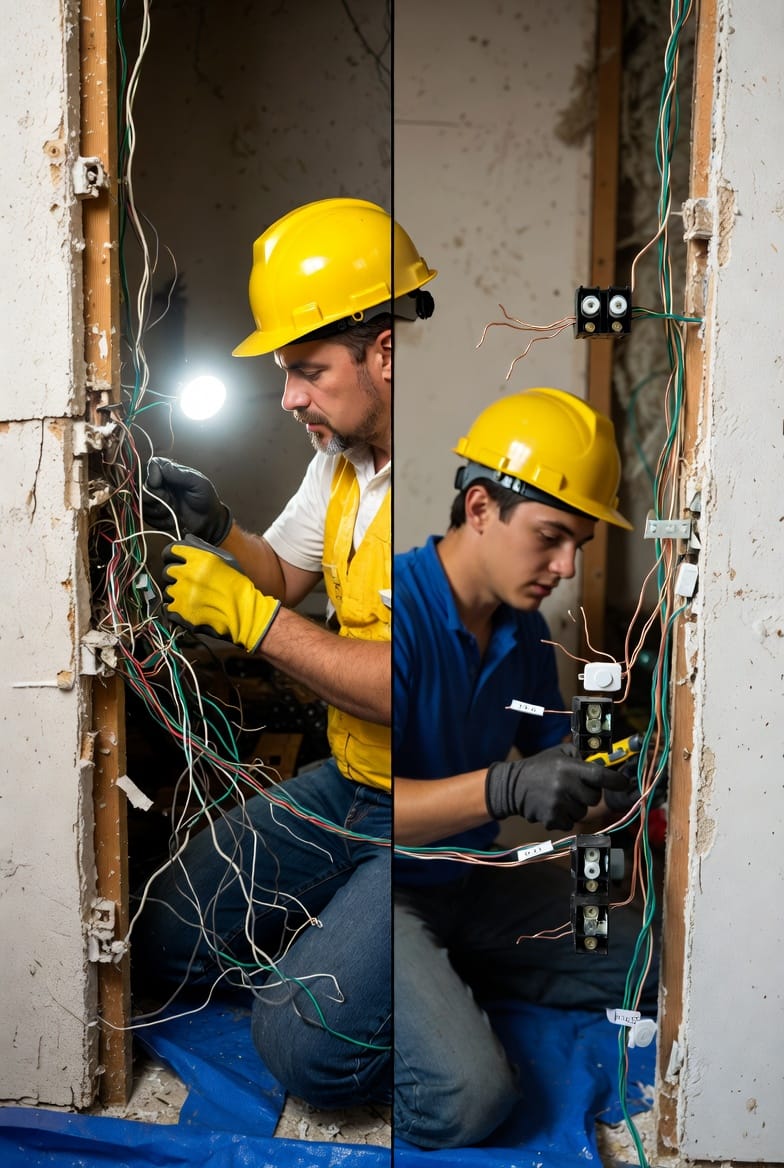
While the initial investment might seem daunting, the long-term payoffs in reliability and reduced repair costs make it worthwhile. Homeowners who modernize report fewer outages and greater confidence in their system's performance.
Adding AFCIs and GFCIs for Superior Protection
No modernization is complete without advanced protective devices like Arc Fault Circuit Interrupters (AFCIs) and Ground Fault Circuit Interrupters (GFCIs). These aren't mere add-ons; they're essential safeguards against common electrical threats.
AFCIs detect dangerous arcing—sparks from damaged wires or loose connections—that could ignite fires. Installed in bedrooms, living areas, and hallways, they interrupt power instantly upon detection, preventing disasters before they start. GFCIs, on the other hand, monitor for ground faults, where current leaks to unintended paths, like through water. They're crucial in wet zones such as bathrooms, kitchens, and outdoors, cutting power in milliseconds to avert shocks.
Why are these critical? Older homes often lack them, leaving you vulnerable to faults that standard breakers miss. Upgrading incorporates these into your outlets or panel, ensuring comprehensive coverage. For smart home enthusiasts, some models even include app connectivity for remote monitoring.
Potential pitfalls if ignored include increased fire risks from unseen arcs or shocks in everyday scenarios, like using a hairdryer near a sink. By adding these, you're not just complying with safety best practices—you're actively protecting lives and property.
Installation tips:
- Replace standard outlets with GFCI versions in high-risk areas.
- Combine AFCIs with smoke detectors for layered defense.
- Test monthly to maintain functionality.
This step alone can dramatically lower your home's risk profile, offering reassurance in an unpredictable world.
Upgrading Your Electrical Panel: The Heart of Your System
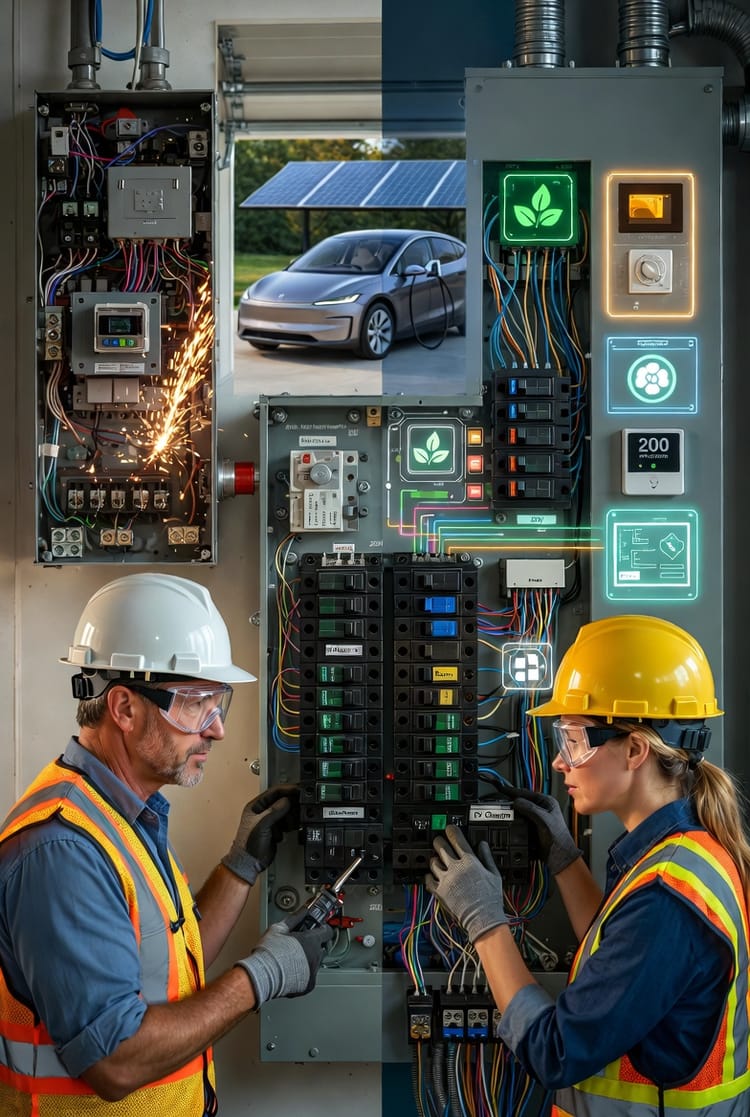
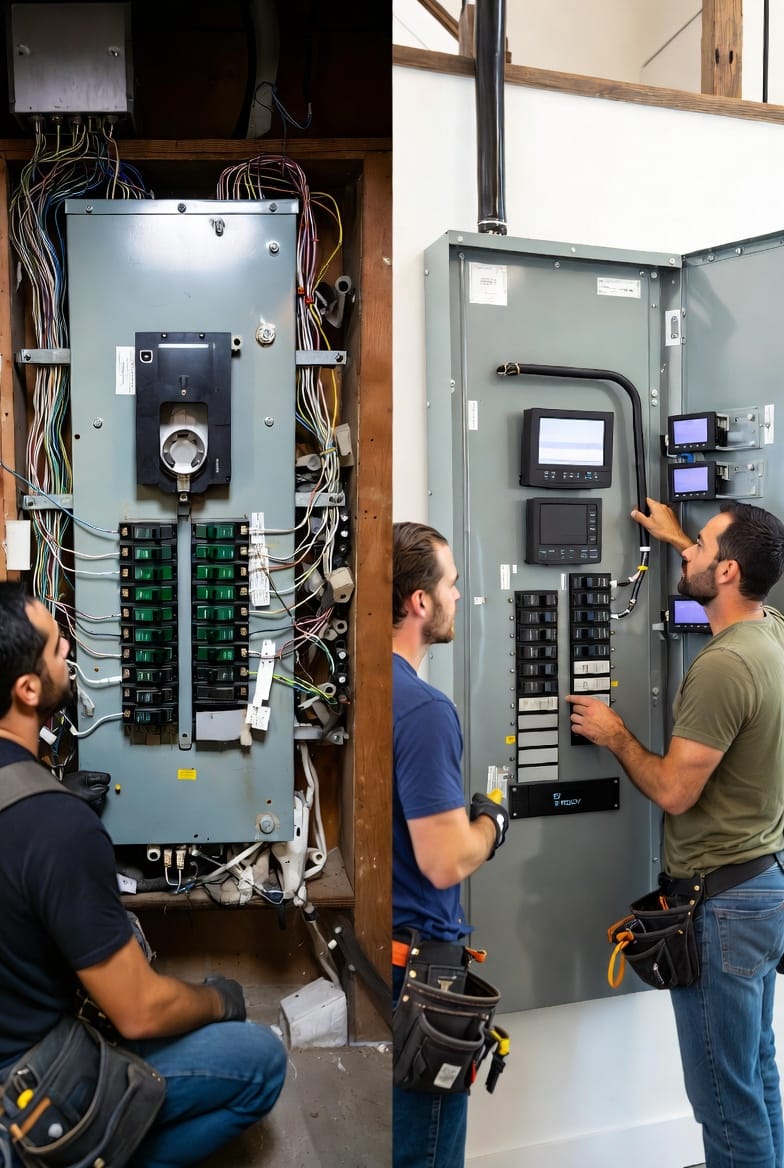
The electrical panel, often called the breaker box, is the command center distributing power throughout your home. If yours is outdated—say, a 60-amp fuse box from the mid-20th century—it's ill-equipped for today's 200-amp needs. Upgrading to a modern panel increases capacity, accommodates more circuits, and integrates smart features.
Signs you need an upgrade: Frequent tripping breakers, inability to add new appliances, or rust/corrosion. A new panel allows for dedicated circuits for heavy users like air conditioners or EVs, preventing overloads. It also supports sub-panels for expansions, like a garage workshop.
Critically, an undersized panel strains your entire system, heightening failure risks during peak usage. Modern panels include better labeling, easier maintenance, and compatibility with renewable integrations like solar inverters.
Benefits include:
- Scalability: Room for future additions without rewiring everything.
- Efficiency: Reduces energy loss from outdated components.
- Safety Features: Built-in surge protection and easier fault isolation.
Professional upgrades ensure seamless transitions, minimizing downtime.
Pre-Wiring for EV Chargers: Future-Proofing Mobility
As electric vehicles gain popularity, pre-wiring for EV chargers is a forward-thinking upgrade. This involves installing dedicated circuits and conduits from your panel to a garage or driveway spot, ready for Level 2 chargers that deliver fast, efficient power.
Why now? EVs require 240-volt lines, far beyond standard outlets. Without pre-wiring, retrofitting later means wall penetrations and disruptions. It also ensures capacity—your panel must handle the added load without taxing other circuits.
Risks of delaying: Overreliance on slow Level 1 charging, or unsafe extensions that could overheat. Pre-wiring aligns with green living, supporting incentives for sustainable tech.
Steps to consider:
- Assess your panel's amperage for compatibility.
- Choose conduit paths that allow easy future access.
- Opt for smart chargers with app controls for usage tracking.
This upgrade not only boosts convenience but positions your home as eco-friendly.
Integrating Smart Home Readiness
Modernization culminates in smart home preparedness. Updated wiring and panels support Wi-Fi thermostats, security cameras, and voice-controlled lights. Ensure low-voltage cabling for data-heavy devices and centralized hubs for seamless connectivity.
Challenges include compatibility—old systems may not handle the data flow. Solutions: Structured wiring panels that organize Ethernet and power.
Advantages:
- Convenience: Automate routines for energy savings.
- Security: Real-time monitoring deters threats.
- Sustainability: Optimize usage with smart meters.
Conclusion: Secure Your Home's Future Today
Modernizing your electrical system is an investment in safety, efficiency, and innovation. From updating wiring to EV preps, each step builds a robust, adaptable home. Prioritize professional expertise to avoid pitfalls.
Warning: Electrical work is not a DIY project— mishandling can lead to severe injuries or fires.
Safe, Smart, High-Capacity Wiring Starts Here – Call Now