Integrated Pest Management: The Professional's Blueprint for a Pest-Free Home
In today's fast-paced world, maintaining a pest-free home isn't just about reacting to invasions—it's about strategic foresight and professional expertise. Integrated Pest Management (IPM) emerges as the gold standard for homeowners seeking sustainable, effective solutions. This comprehensive approach combines science, prevention, and targeted action to minimize pest risks while prioritizing environmental safety and long-term results. Whether you're dealing with ants marching through your kitchen or rodents nesting in your attic, understanding IPM can transform your home into a fortress against unwanted intruders.
Build Your Home’s Ultimate Pest Defense – Call Today
As a leading authority in pest control, we've seen firsthand how IPM outperforms traditional methods. It's not merely a technique; it's a blueprint for success that empowers you to reclaim your space. In this guide, we'll delve into the IPM strategy cycle, explore essential techniques like exclusion and habitat modification, and provide actionable insights to keep your home protected year-round. Let's embark on this journey to a safer, healthier living environment.
Understanding the Core of Integrated Pest Management
At its heart, Integrated Pest Management is a holistic strategy that goes beyond quick fixes. Developed from agricultural practices and adapted for residential use, IPM focuses on understanding pest biology, monitoring environments, and applying controls only when necessary. This method reduces reliance on chemicals, promoting eco-friendly alternatives that safeguard your family, pets, and the planet.
Why choose IPM? Traditional pest control often involves blanket pesticide applications, which can lead to resistance, environmental harm, and recurring issues. In contrast, IPM emphasizes prevention and precision, ensuring pests are managed efficiently without unnecessary interventions. According to industry experts, homes implementing IPM see up to 90% fewer pest incidents over time, translating to peace of mind and cost savings.
The IPM Strategy Cycle: A Step-by-Step Breakdown
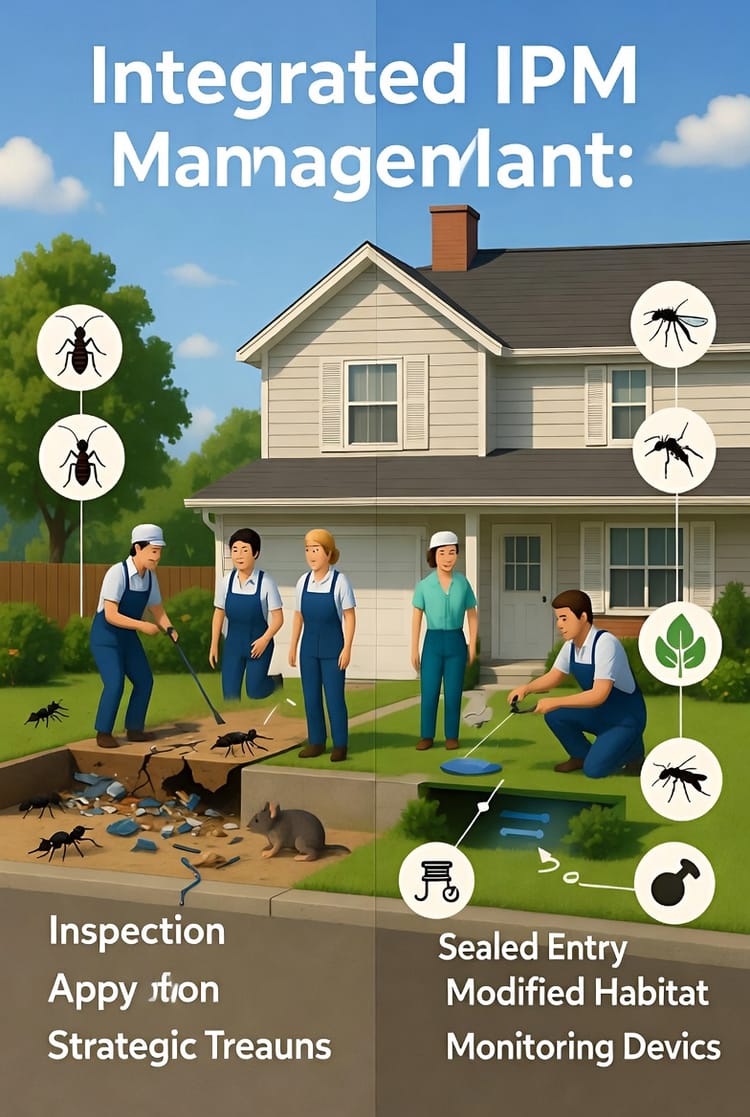
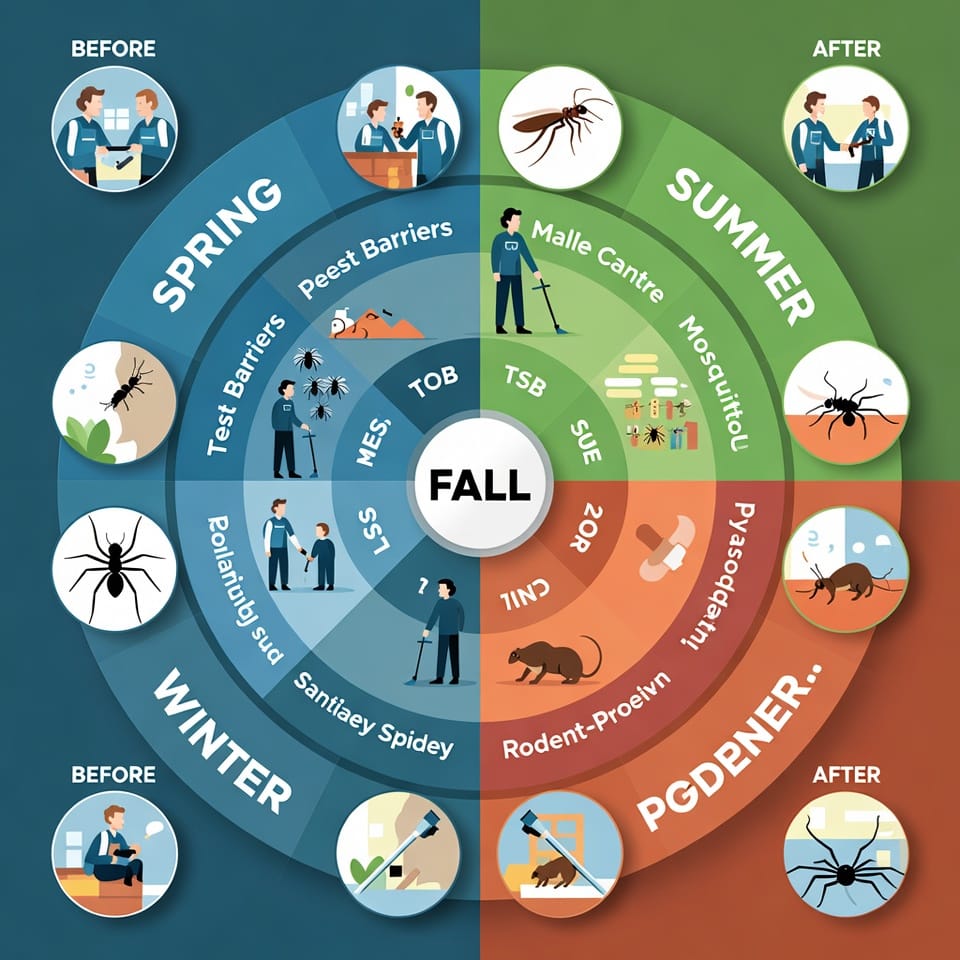
The IPM process unfolds in a cyclical manner, allowing for continuous improvement. This cycle includes four key phases: inspection, identification, prevention, and control. Each step builds on the last, creating a robust defense system tailored to your home's unique needs.
- Inspection: The foundation of any successful IPM plan. Professionals conduct thorough assessments to uncover potential vulnerabilities. This involves examining entry points, moisture sources, and food attractants both inside and out.
- Identification: Accurate pest identification is crucial. Misidentifying a species can lead to ineffective treatments. For instance, distinguishing between carpenter ants and termites requires expert knowledge to apply the right strategies.
- Prevention: Proactive measures to deter pests before they become problems. This phase focuses on eliminating attractants and sealing access.
- Control: When action is needed, IPM prioritizes the least invasive methods, escalating only as required.
By cycling through these steps regularly, homeowners can maintain a pest-free environment with minimal disruption.
The Inspection Phase: Your First Line of Defense
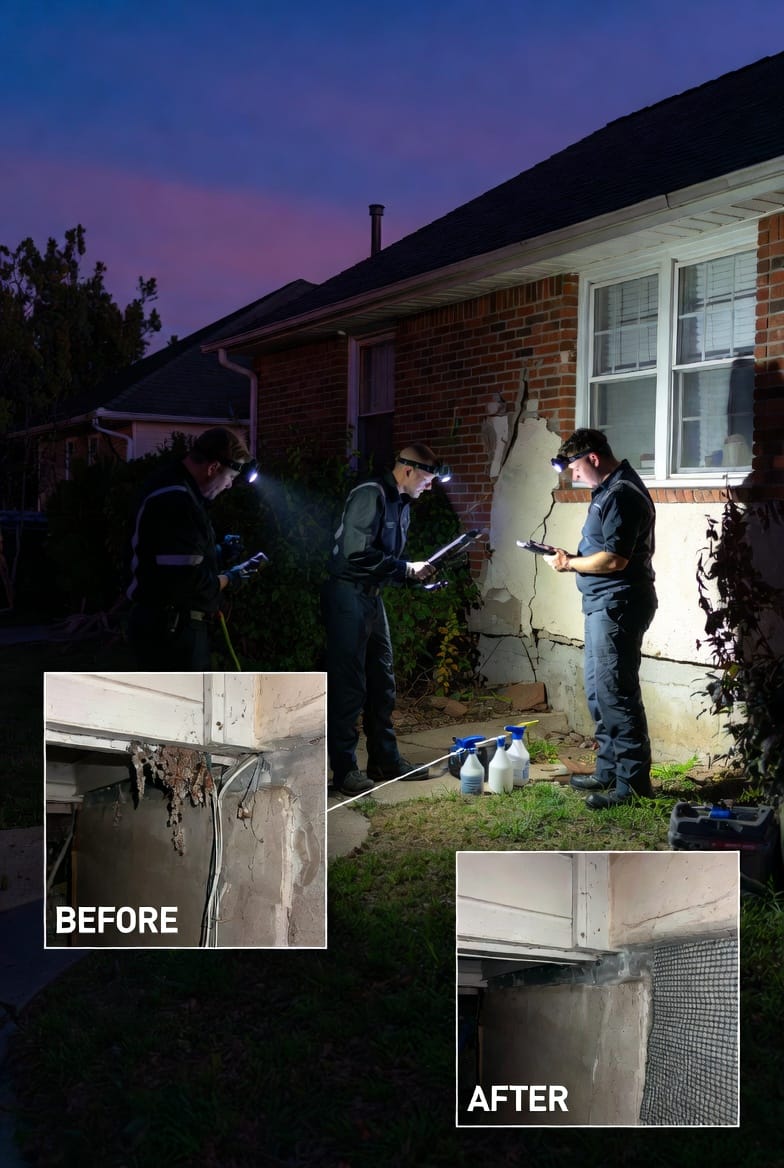
Inspection is where IPM truly begins. Imagine a detective meticulously combing a scene for clues—that's the essence of a professional IPM inspection. Technicians use specialized tools like moisture meters, thermal imaging cameras, and endoscopes to detect hidden issues.
Key areas to inspect include:
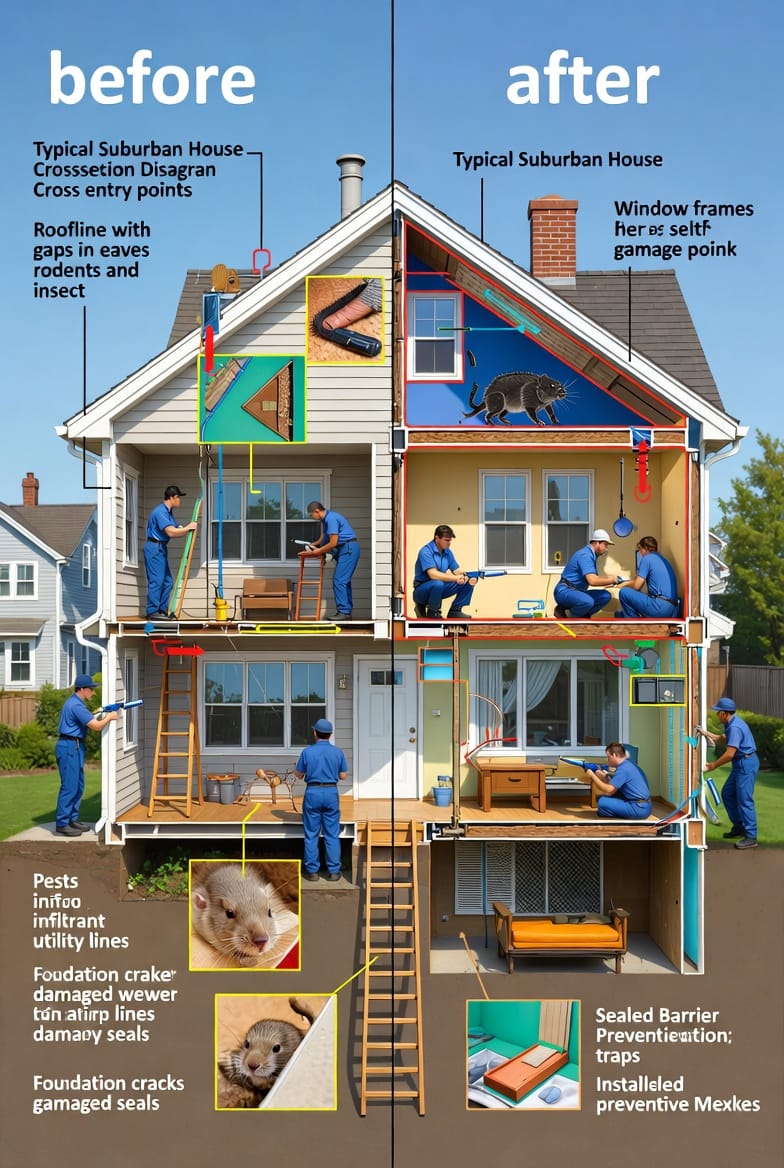
- Exterior Foundations: Cracks in concrete can serve as highways for ants and termites.
- Attics and Crawlspaces: Dark, humid areas ideal for rodents and spiders.
- Kitchen and Bathrooms: Sources of water and food residues that attract cockroaches and silverfish.
- Landscaping: Overgrown vegetation touching the home provides bridges for pests.
A thorough inspection not only reveals current infestations but also predicts future risks. For example, spotting early signs of wood decay can prevent costly termite damage. Homeowners are encouraged to perform basic checks, but professional eyes catch what amateurs miss, ensuring comprehensive coverage.
Identification: Knowing Your Enemy
Once potential issues are spotted, precise identification is paramount. Pests aren't one-size-fits-all; each species has unique behaviors, lifecycles, and vulnerabilities. For instance, bed bugs require different tactics than fleas, despite similar appearances.
Professionals rely on:
- Visual Cues: Droppings, shed skins, and damage patterns provide telltale signs.
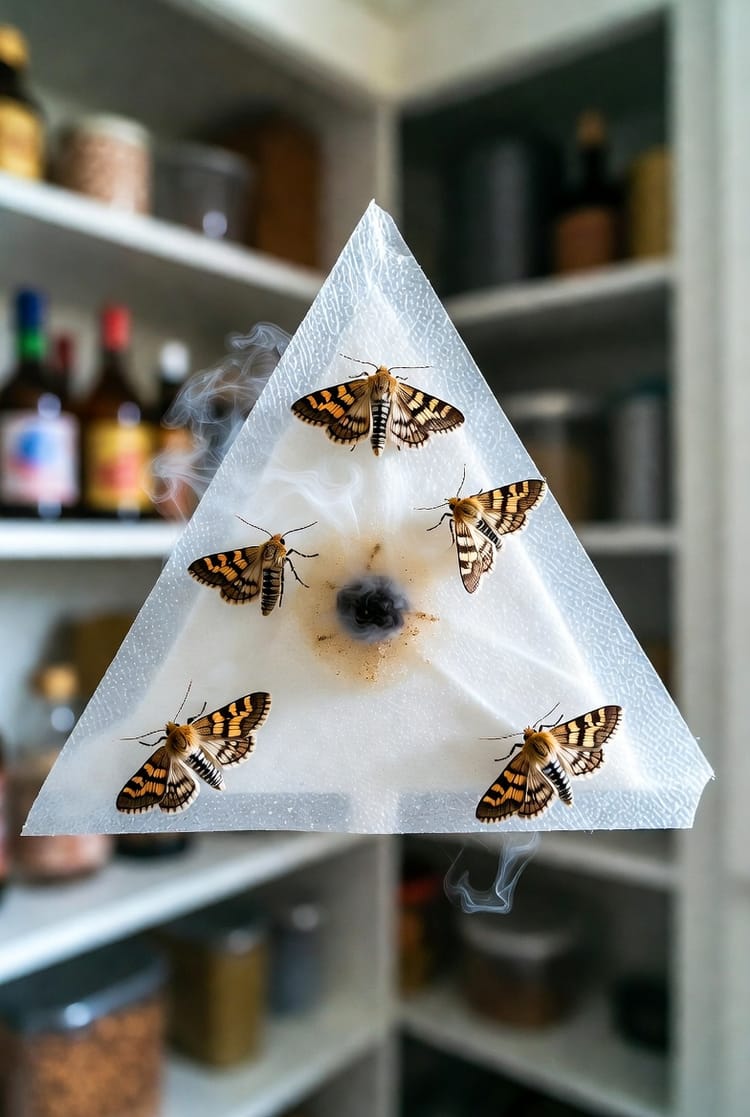
- Trapping and Monitoring: Sticky traps and pheromone lures help capture and identify specimens.
- Laboratory Analysis: In complex cases, samples are sent for expert confirmation.
Accurate ID prevents wasteful efforts. Treating for ants when you have termites could exacerbate damage. IPM's emphasis on knowledge ensures treatments are targeted and effective, reducing chemical use and enhancing safety.
Common household pests include:
- Rodents: Mice and rats, known for rapid reproduction and disease transmission.
- Insects: Ants, cockroaches, and beetles that contaminate food and surfaces.
- Arachnids: Spiders and scorpions, often harmless but alarming.
Understanding these foes allows for customized strategies, turning identification into a powerful tool.
Prevention: Building Barriers Against Pests
Prevention is the cornerstone of IPM, shifting focus from reaction to anticipation. By modifying your home's environment, you make it inhospitable to pests without harsh measures.
Exclusion Techniques: Sealing the Gaps
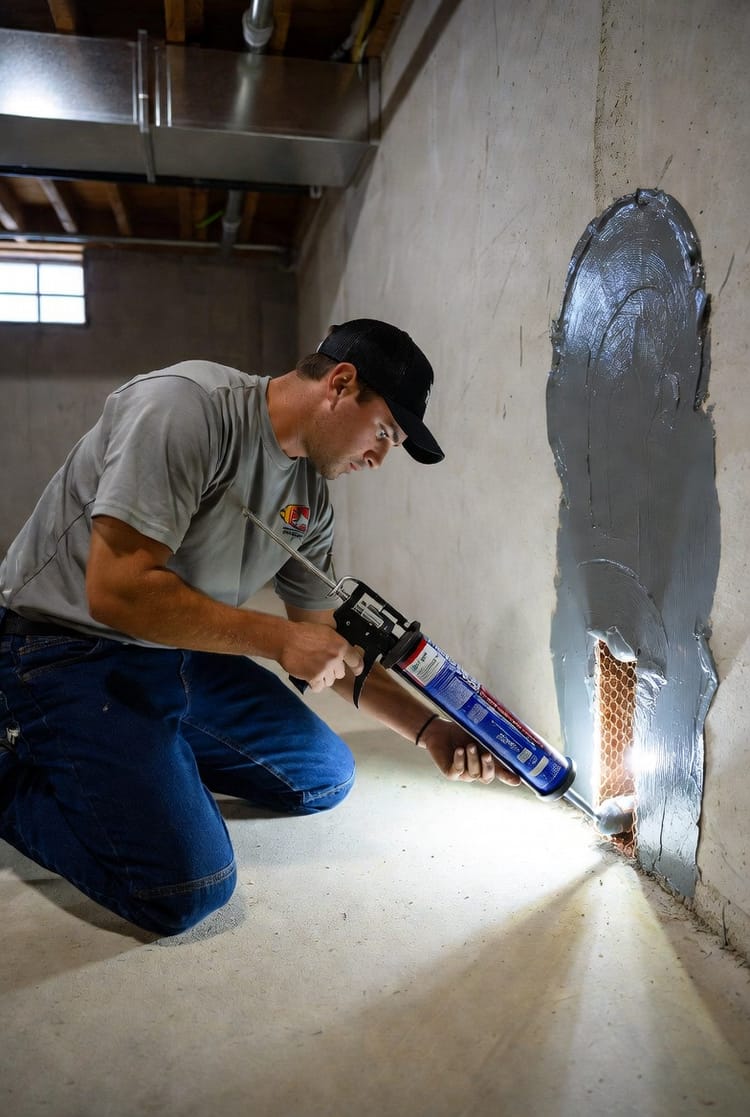
Exclusion involves physically blocking pest access. This is one of the most effective, non-toxic methods.
- Caulking and Sealing: Fill cracks in walls, foundations, and around pipes with durable sealants.
- Screening: Install fine-mesh screens on vents, windows, and chimneys.
- Door Sweeps and Weatherstripping: Prevent gaps under doors and around frames.
- Landscaping Adjustments: Trim branches away from the house and use gravel barriers to deter crawling insects.
These techniques create a impermeable shield, significantly reducing entry risks. Studies show that well-sealed homes experience 70% fewer pest intrusions.
Habitat Modification: Eliminating Attractants
Pests thrive in environments offering food, water, and shelter. Habitat modification disrupts this by:
- Sanitation Practices: Regularly clean crumbs, spills, and trash to remove food sources.
- Moisture Control: Fix leaks, use dehumidifiers, and ensure proper drainage to deny water access.
- Clutter Reduction: Store items in sealed containers and declutter to eliminate hiding spots.
- Outdoor Maintenance: Keep yards free of debris, standing water, and overgrown plants.
Simple changes like these can dramatically lower pest appeal. For families with children or pets, this approach is reassuring, as it minimizes exposure to hazards.
Control: Targeted Treatments When Needed
When prevention alone isn't enough, IPM turns to control measures. These are applied judiciously, starting with the least harmful options.
- Mechanical Controls: Traps, vacuums, and barriers physically remove or contain pests.
- Biological Controls: Introduce natural predators like ladybugs for aphids or nematodes for grubs.
- Chemical Controls: Use low-toxicity pesticides as a last resort, applied precisely to affected areas.
Targeted treatments ensure efficacy while protecting non-target species. For example, bait stations for rodents deliver poison only to the pests, sparing wildlife. Professional application guarantees safety and compliance with regulations.
Monitoring post-treatment is key to the cycle, assessing effectiveness and adjusting as needed. This adaptive approach keeps your home pest-free sustainably.
The Benefits of Professional IPM Implementation
Enlisting experts amplifies IPM's advantages. Professionals bring:
- Advanced Tools and Knowledge: Access to cutting-edge technology and ongoing training.
- Customized Plans: Tailored to your home's architecture, location, and pest history.
- Guaranteed Results: Many services offer warranties, ensuring follow-up if issues persist.
- Peace of Mind: Knowing your family is protected from health risks like allergies, bites, and diseases.
Homeowners who partner with pros report higher satisfaction and fewer recurrences. It's an investment in your property's value and your well-being.
Common Myths About IPM Debunked
Misconceptions can deter adoption. Let's clarify:
- Myth: IPM is Too Complicated: Reality—it's systematic and user-friendly with professional guidance.
- Myth: It Doesn't Work Fast Enough: IPM provides quick relief through targeted controls while preventing future issues.
- Myth: It's More Expensive: Long-term savings from reduced treatments outweigh initial costs.
- Myth: All Pests Require Chemicals: IPM minimizes chemical use, favoring natural alternatives.
Embracing facts empowers better decisions for a pest-free home.
Integrating IPM into Your Daily Routine
Make IPM a habit:
- Conduct monthly self-inspections.
- Maintain cleanliness and repairs.
- Educate family on pest prevention.
- Schedule annual professional assessments.
These steps foster a proactive mindset, ensuring lasting protection.
Case Studies: Real-World IPM Success
Consider a family plagued by ants. Through IPM, inspection revealed entry via unsealed windows. Identification confirmed sugar ants. Prevention sealed gaps and removed attractants. Control used baits sparingly. Result: Ant-free in weeks, no return.
Another case: Rodent infestation in an attic. Habitat modification cleared clutter, exclusion sealed vents, and traps provided control. The home remains rodent-free years later.
These stories highlight IPM's transformative power.
Environmental and Health Considerations in IPM
IPM aligns with sustainability by reducing pesticide runoff and preserving biodiversity. For health, it minimizes exposure to toxins, ideal for sensitive individuals. Choosing IPM supports a greener planet and healthier homes.
Future Trends in Pest Management
Advancements like AI-driven monitoring and bio-engineered controls promise even more precise IPM. Stay informed to leverage these innovations.
In conclusion, Integrated Pest Management is your blueprint for a pest-free home. By mastering the cycle of inspection, identification, prevention, and control—along with techniques like exclusion and habitat modification—you can achieve enduring results.
End Pest Problems for Good – Call Now for IPM Service