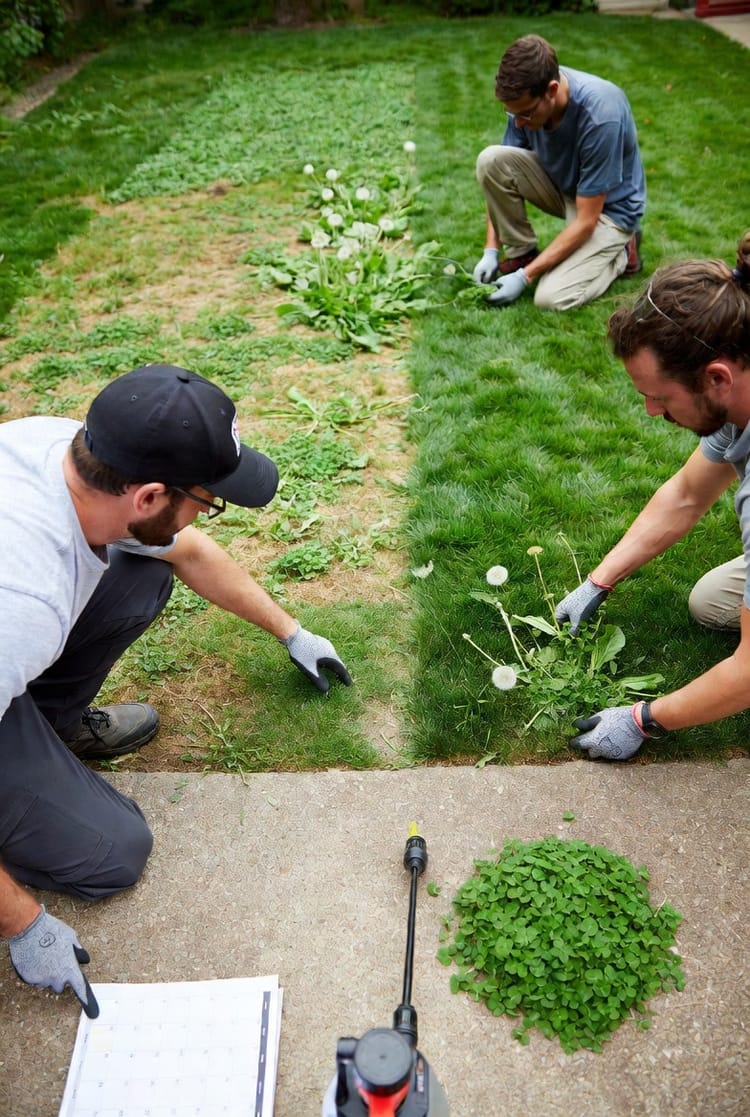
Hydro-Smart Landscaping: Cultivating a Lush Lawn with Minimal Water Input
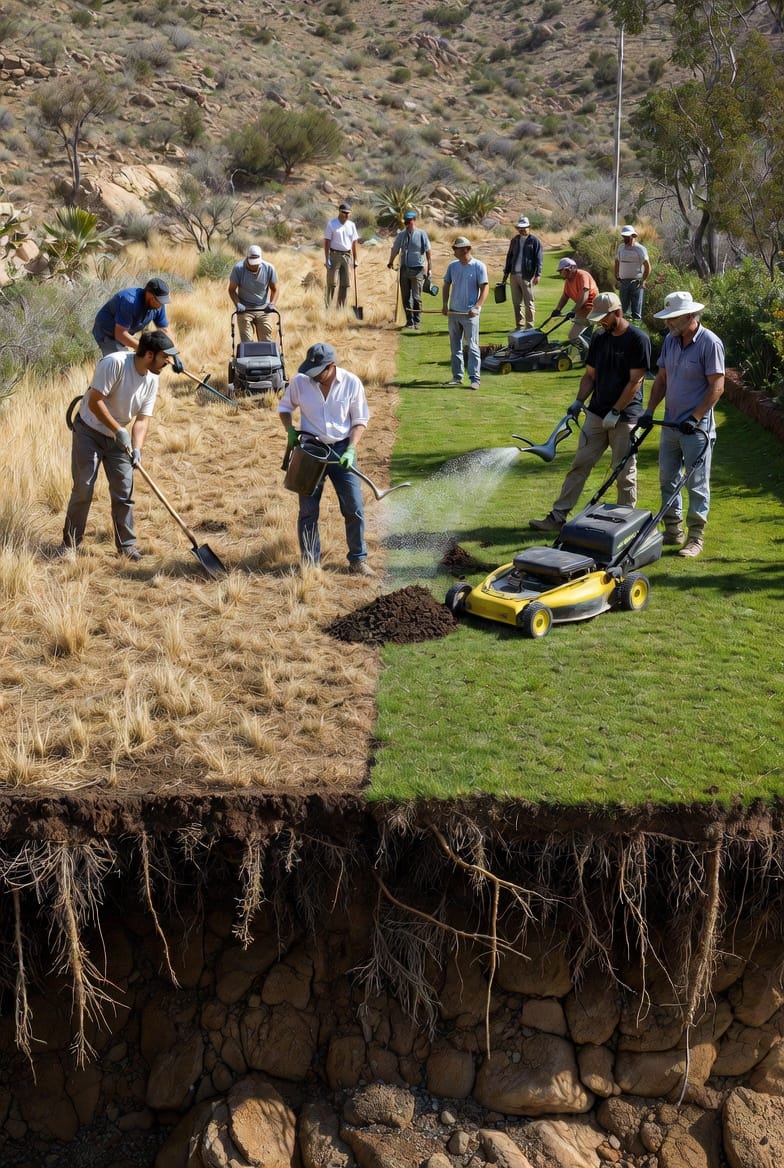
In an era where water conservation is not just a trend but a necessity, hydro-smart landscaping emerges as a game-changer for homeowners seeking a lush lawn without the guilt of excessive water use. This approach draws from xeriscaping principles, traditionally associated with low-water gardens, but ingeniously applied to turf areas. By focusing on drought-tolerant grass blends, optimized mowing practices, and strategic watering methods, you can cultivate a resilient yard that thrives even in challenging climates. Whether you're in a water-restricted region or simply aiming for sustainable living, this guide will equip you with authoritative strategies to reduce irrigation dependency while maintaining aesthetic appeal. Rest assured, with the right knowledge, your lawn can be both beautiful and environmentally responsible.
Get Your Drought-Resilient Lawn Plan Today – Call Now!
Understanding Xeriscaping for Turf: The Foundation of Water Efficiency
Xeriscaping isn't about sacrificing greenery for gravel; it's a smart design philosophy that minimizes water needs through thoughtful plant selection and maintenance. When applied to lawns, it transforms traditional turf into a drought-resilient ecosystem. The core idea? Select grasses that naturally adapt to low moisture, paired with cultural practices that enhance their survival.
Start by evaluating your current lawn. Many conventional grasses, like Kentucky bluegrass, demand frequent watering to stay green, leading to high bills and environmental strain. In contrast, drought-tolerant varieties such as fine fescues, tall fescues, or buffalo grass can survive on significantly less. These blends are bred for deeper root systems, allowing them to access soil moisture reserves that shallower-rooted species can't reach.
- Benefits of Xeriscaping Turf: Reduced water usage by up to 50-70%, lower maintenance costs, and increased biodiversity by attracting pollinators.
- Key Principle: Match grass types to your local climate and soil, ensuring long-term viability without constant intervention.
Implementing this starts with soil preparation. Test your soil's pH and nutrient levels—aim for a balanced, well-aerated medium that promotes root penetration. Amend with organic matter like compost to improve water retention, reducing runoff and evaporation.
Choosing the Right Drought-Tolerant Grass Blends
Selecting the appropriate grass blend is pivotal in hydro-smart landscaping. Not all drought-tolerant grasses are created equal; factors like shade tolerance, traffic resistance, and growth rate matter.
Consider fine fescues (e.g., hard fescue or chewings fescue), which excel in cooler climates with moderate shade. These grasses form dense mats that suppress weeds and require minimal fertilization. In warmer areas, tall fescues like 'RTF' (Rhizomatous Tall Fescue) self-repair through underground stems, making them ideal for high-use lawns.
For arid zones, buffalo grass or bermudagrass hybrids offer exceptional resilience. Buffalo grass, native to North American prairies, goes dormant in extreme drought but rebounds quickly with rain. Bermudagrass, when managed properly, provides a fine texture with low water needs.
- Selection Tips:
- Assess your USDA hardiness zone.
- Opt for certified seed mixes to avoid invasive species.
- Blend varieties for hybrid vigor, enhancing overall drought resistance.
Transitioning to these grasses might involve overseeding or full renovation. Patience is key—new establishments need initial watering, but once rooted, they demand far less. Studies from agricultural extensions show that such blends can cut irrigation by half compared to traditional lawns.
Mastering Proper Mowing Heights for Root Protection
Mowing isn't just about aesthetics; it's a critical tool in building drought resilience. The rule? Mow higher to shade roots and retain soil moisture.
Standard advice recommends cutting no more than one-third of the grass blade at a time. For drought-tolerant fescues, maintain heights of 3-4 inches. This creates a canopy that shields the soil from sun exposure, reducing evaporation by up to 30%. Taller grass also encourages deeper roots, as plants allocate energy downward rather than recovering from frequent cuts.
- Mowing Best Practices:
- Use sharp blades to avoid tearing, which stresses plants and increases water loss.
- Mow in the evening to minimize evaporation from cut surfaces.
- Leave clippings on the lawn as natural mulch, recycling nutrients and moisture.
Avoid the pitfalls of over-mowing, which exposes roots to heat and desiccation. In reassuring terms, consistent higher mowing builds a self-sustaining lawn that withstands dry spells without supplemental water.
Deep, Infrequent Watering: The Key to Profound Root Growth
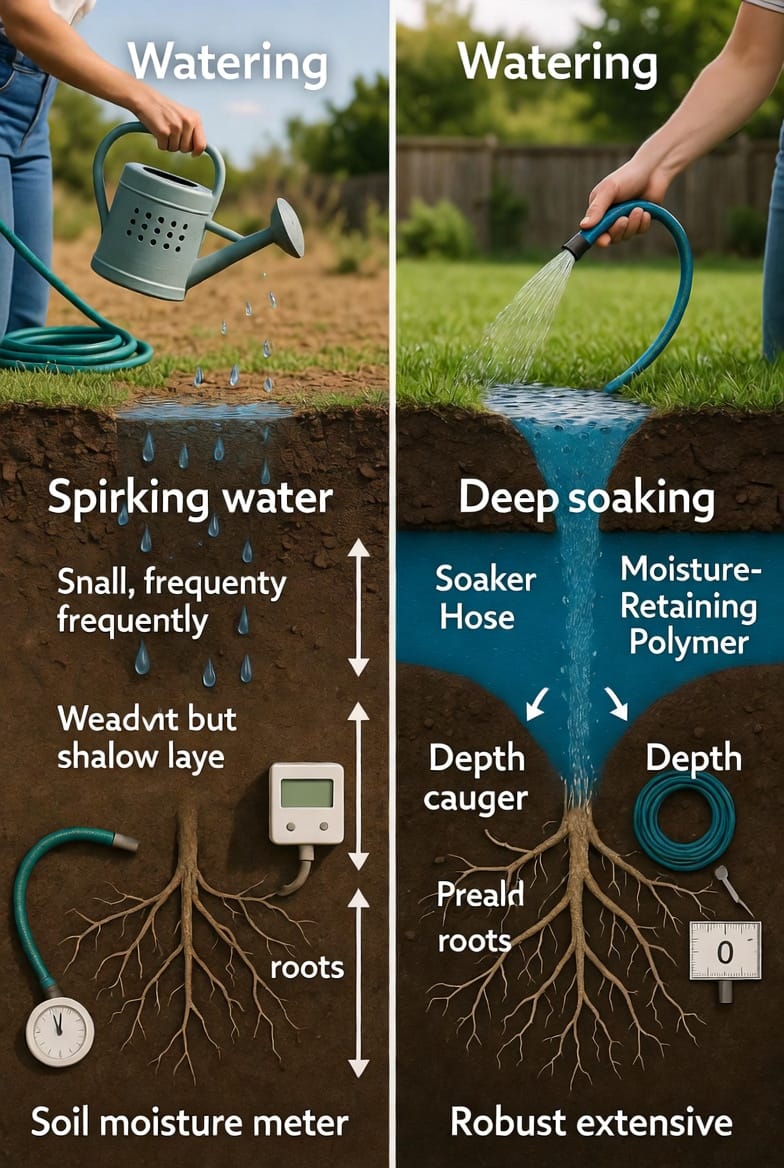
Watering habits can make or break your lush lawn goals. The hydro-smart way? Embrace deep, infrequent watering to foster profound root growth and minimize dependency on irrigation.
Shallow, daily watering keeps roots near the surface, making them vulnerable to drought. Instead, water deeply—aiming for 1-1.5 inches per session—to penetrate 6-8 inches into the soil. This encourages roots to delve deeper, accessing subsoil moisture and nutrients.
Schedule based on need, not routine. Check soil moisture by inserting a screwdriver; if it penetrates easily to 6 inches, hold off. In most climates, this means watering every 7-10 days during peak summer, less in cooler periods.
- Watering Schedule Essentials:
- Early morning application to reduce evaporation.
- Use soaker hoses or drip systems for targeted delivery.
- Monitor weather forecasts to leverage natural rainfall.
This method not only conserves water but trains your grass to be self-reliant. Research from turfgrass scientists confirms that deep-rooted lawns recover faster from dry conditions, staying green longer without intervention.
Integrating Mulch and Aeration for Enhanced Resilience
Beyond grass selection and watering, incorporate mulch and aeration to amplify water efficiency.
Organic mulches like grass clippings or wood chips around turf edges retain moisture and suppress weeds. Aeration—puncturing the soil with spikes—alleviates compaction, allowing water and air to reach roots more effectively.
Perform core aeration annually in fall or spring, followed by topdressing with compost. This duo boosts soil structure, reducing runoff and enhancing infiltration.
Overcoming Common Challenges in Drought-Resilient Lawns
Transitioning to hydro-smart landscaping may face hurdles like initial establishment or pest pressures, but solutions abound.
For new seedings, provide consistent moisture until germination, then taper off. Combat weeds with cultural controls rather than chemicals, preserving soil health.
In hot spots, install shade structures or plant trees strategically to cool turf areas. Rest assured, these adjustments yield a robust lawn that demands less from you and the environment.

Regional Guide to Water-Wise Grass Types
Tailor your choices to your area for optimal results. Here's a quick overview:
- Arid Southwest (e.g., Arizona, Nevada): Buffalo grass or zoysia hybrids—dormant in winter but ultra-drought-tolerant.
- Cool Northwest (e.g., Washington, Oregon): Fine fescues mixed with perennial ryegrass for shade and moisture retention.
- Humid Southeast (e.g., Florida, Georgia): Bahiagrass or centipedegrass, thriving with minimal inputs.
- Midwest Plains (e.g., Kansas, Nebraska): Tall fescues for versatility in variable weather.
- Northeast (e.g., New York, Pennsylvania): Creeping red fescue blends, excellent for cooler, moist winters.
Consult local extensions for precise matches, ensuring your lawn aligns with regional water regulations.
Long-Term Maintenance and Monitoring
Sustain your drought-resilient lawn with ongoing care. Fertilize sparingly with slow-release, organic options in spring and fall. Scout for issues early—healthy turf resists pests naturally.
Track water savings with meters or apps, celebrating reductions. Over time, your yard becomes a model of sustainability, inspiring neighbors.
Environmental and Economic Advantages
Adopting these practices cuts your water bill by 40-60% annually, per EPA estimates. Ecologically, it conserves resources, reduces pollution from runoff, and supports wildlife habitats.
In a water-scarce world, hydro-smart landscaping is empowering. You're not just maintaining a lawn; you're stewarding the planet.
Unlock a Thriving, Water-Efficient Lawn – Call Experts Today!