Humane and Effective Wildlife Exclusion: Safeguarding Your Home
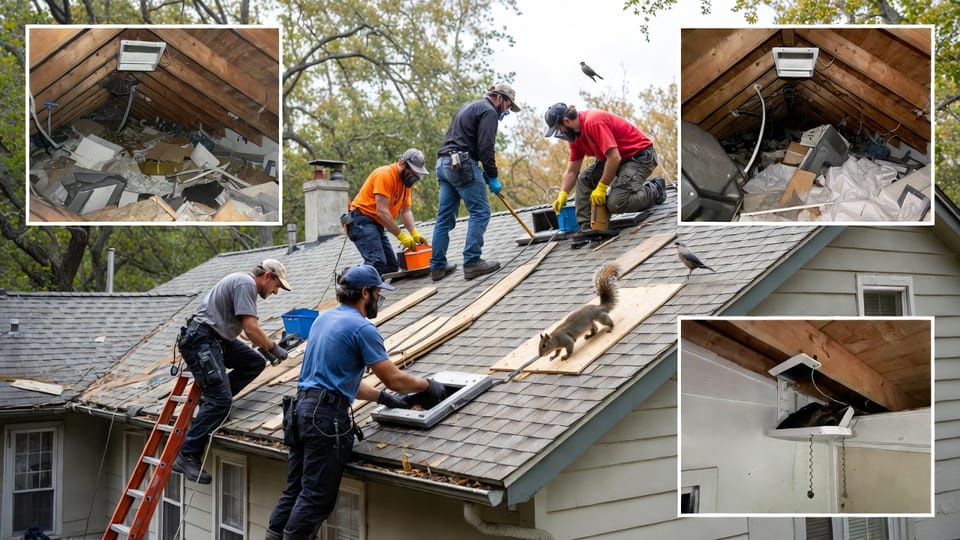
In today's world, where urban expansion increasingly intersects with natural habitats, homeowners often find themselves dealing with unwanted wildlife intrusions. Whether it's squirrels nesting in your attic or raccoons rummaging through your trash, these encounters can disrupt daily life and pose risks to your property. But fear not—humane wildlife exclusion offers a compassionate, long-term solution that prioritizes the well-being of animals while securing your home. As experts in ethical wildlife management, we emphasize understanding animal behavior, employing permanent exclusion techniques, and always recommending professional intervention to ensure safety and compliance with local laws.
Keep Wildlife Out, Keep Compassion In – Call Today!
This approach isn't just about removal; it's about creating harmony between human spaces and wildlife. By focusing on preventive measures and ethical practices, you can protect your home without harming the creatures that share our ecosystem. In this comprehensive guide, we'll explore the fundamentals of humane exclusion, why DIY methods often fall short, and how professionals deliver effective, lasting results. Rest assured, with the right strategies, your home can remain a safe haven for you and your family.
Understanding Wildlife Behavior: The Key to Effective Exclusion
To successfully exclude wildlife, it's essential to grasp why animals enter human spaces in the first place. Wildlife behavior is driven by basic needs: food, water, shelter, and safety during breeding seasons. For instance, rodents like mice seek warmth in winter, while birds might choose your eaves for nesting due to protection from predators.
- Seasonal Patterns: Many animals become more active in spring for mating or fall for food storage. Recognizing these cycles helps in timing exclusion efforts to avoid trapping young or dependent offspring.
- Entry Points Identification: Common invaders exploit gaps in roofs, vents, chimneys, or foundations. A thorough inspection reveals these vulnerabilities, allowing for targeted sealing.
- Species-Specific Traits: Raccoons are clever climbers and manipulators, often prying open loose vents, whereas bats prefer quiet, dark crevices for roosting.
By understanding these behaviors, humane exclusion becomes proactive rather than reactive. Professionals use this knowledge to implement solutions that guide animals out naturally, preventing distress and ensuring they relocate to suitable habitats. This ethical focus not only complies with wildlife protection laws but also reduces the likelihood of recurring issues.
The Principles of Humane Wildlife Removal
At the heart of humane wildlife removal lies a commitment to non-lethal methods that respect animal welfare. Unlike outdated practices involving traps or poisons, modern techniques emphasize exclusion and relocation where necessary.
Ethical removal starts with inspection and assessment. A trained expert evaluates the infestation level, identifies the species, and checks for young animals. This step is crucial to avoid orphaning offspring, which could lead to further problems or ethical violations.
Next comes the implementation of one-way exclusion devices. These innovative tools allow animals to exit your home but prevent re-entry. For example, a flap door on an attic vent lets squirrels leave to forage but locks them out upon return. Such devices are species-appropriate and minimize stress.
- No Harm Policy: All methods avoid injury, using live-release if capture is unavoidable.
- Legal Compliance: Many species, like migratory birds or endangered bats, are protected under federal laws such as the Migratory Bird Treaty Act. Professionals ensure adherence to avoid fines.
- Post-Exclusion Monitoring: After exclusion, ongoing checks confirm no re-entry and address any new vulnerabilities.
This humane framework not only safeguards animals but also protects your health—wildlife can carry diseases like rabies or hantavirus, making professional handling imperative for safety.
Permanent Exclusion Techniques: Building a Fortress Against Intruders
Once wildlife is humanely removed, the focus shifts to permanent exclusion techniques that fortify your home against future invasions. These methods go beyond temporary fixes, providing durable barriers tailored to your property's needs.
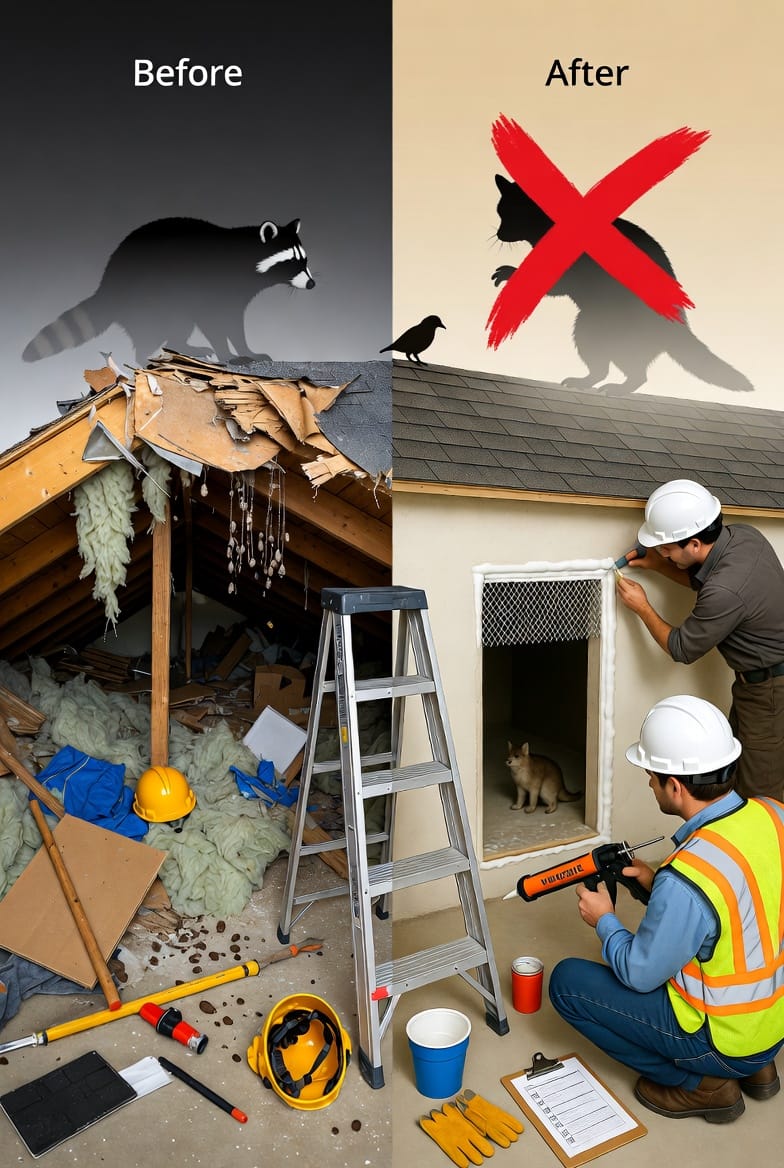
Sealing Entry Points is foundational. Using materials like steel mesh, caulk, or hardware cloth, professionals close gaps in siding, roofs, and foundations. For chimneys, caps with animal-proof screens prevent access while allowing ventilation.
- Vent and Pipe Covers: Custom-fitted guards over dryer vents or plumbing pipes deter rodents and birds.
- Attic and Crawl Space Fortification: Reinforcing these areas with exclusion barriers and insulation repairs keeps out larger mammals.
- Landscaping Adjustments: Trimming overhanging branches and securing trash bins reduces attractants, complementing structural changes.
Innovative technologies, such as motion-activated deterrents or ultrasonic repellents, can enhance these techniques, though they're most effective when combined with physical exclusions. The goal is a comprehensive strategy that addresses root causes, ensuring long-term peace of mind.
Why DIY Wildlife Removal Often Fails—and the Risks Involved
Many homeowners tempted by cost savings opt for DIY wildlife removal, but this approach frequently backfires, leading to incomplete solutions and heightened risks.
Common DIY Pitfalls include misidentifying species, which can result in ineffective methods or legal issues. For example, using glue traps might harm non-target animals, violating humane standards.
- Health Hazards: Direct contact with wildlife exposes you to bites, scratches, or zoonotic diseases without proper protective gear.
- Property Damage: Improper sealing can trap animals inside, causing them to chew through wires or walls in desperation, potentially leading to fires or structural issues.
- Ineffectiveness: Over-the-counter repellents rarely provide lasting results, allowing problems to recur and escalate.
In contrast, professional humane exclusion offers superior outcomes. Experts bring specialized tools, knowledge of local regulations, and insurance coverage, mitigating liabilities. While DIY might seem economical short-term, it often incurs higher costs from repeated attempts or repairs.
To illustrate the differences:
This comparison underscores why entrusting professionals is the wiser choice for sustainable results.
The Role of Professionals in Safe and Legal Wildlife Management
Engaging professional wildlife handlers is not just recommended—it's often essential for safety and legal compliance. These experts are trained in animal behavior, equipped with humane tools, and licensed to operate within state and federal guidelines.
Professionals conduct thorough site evaluations, using thermal imaging or endoscopes to detect hidden nests without invasive disruption. They then devise customized plans, ensuring minimal environmental impact.
- Safety First: Handling wildlife requires expertise to avoid aggressive encounters; pros use barriers and tranquilizers only when absolutely necessary.
- Ethical Standards: Affiliations with organizations promoting humane practices guarantee animal welfare.
- Guaranteed Results: Many services offer warranties, with follow-up inspections to confirm efficacy.
By choosing professionals, you contribute to broader conservation efforts, as relocated animals bolster wild populations. Rest assured, this investment protects your home and upholds community standards.
Integrating Humane Exclusion into Your Home Maintenance Routine
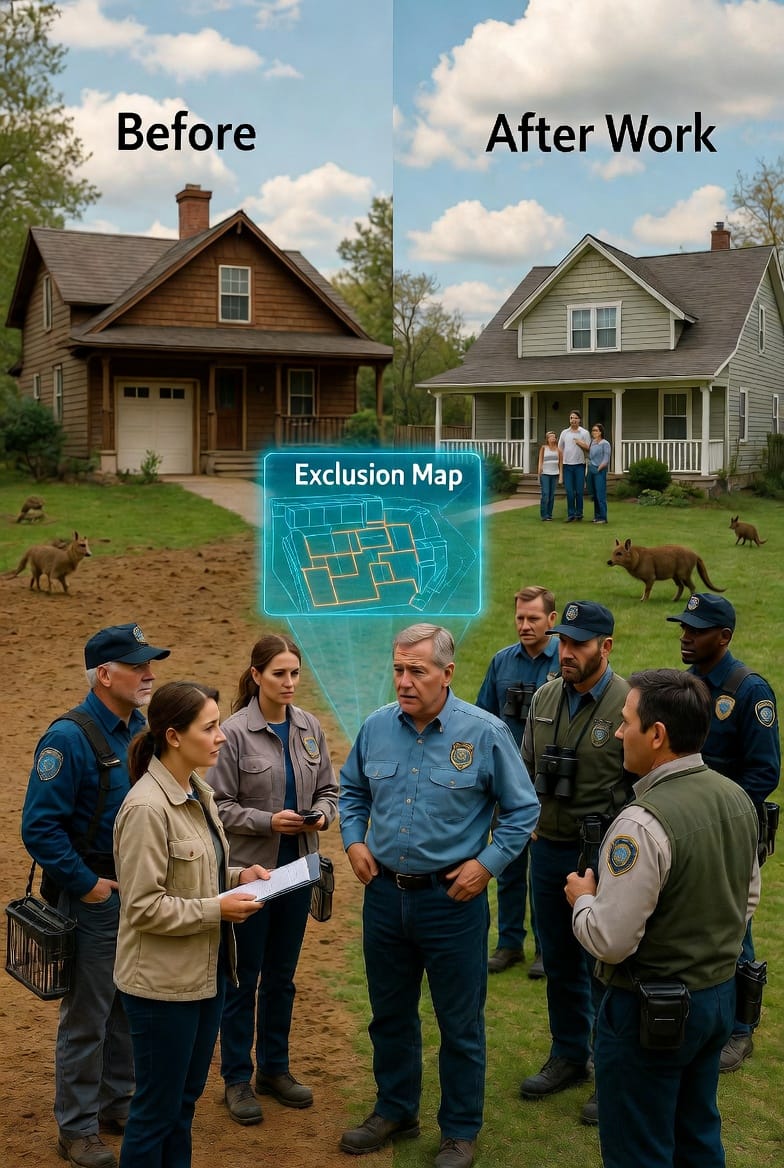
Making humane wildlife exclusion part of your regular home maintenance prevents issues before they arise. Start with annual inspections, especially in vulnerable seasons, to catch early signs of intrusion.
Preventive Habits include maintaining clean yards, securing food sources, and repairing minor damages promptly. Educating family members about not feeding wildlife reinforces these efforts.
For ongoing protection, consider eco-friendly enhancements like native plantings that deter pests naturally or smart home systems that alert to unusual activity.
This proactive stance not only safeguards your property but also fosters a respectful coexistence with nature, benefiting the environment at large.
Conclusion: Secure Your Home with Compassion
In summary, humane and effective wildlife exclusion is the gold standard for addressing intrusions while upholding ethical principles. By understanding wildlife behavior, employing permanent techniques, and relying on professionals, you ensure a safe, compliant resolution.
Remember, attempting to handle wildlife alone can lead to unnecessary risks and complications. Instead, trust in expert services that deliver reassurance and reliability.
Secure Your Home with Humane Professionals – Call Now