Gutter Maintenance Through the Seasons: A Quarterly Checklist for Optimal Performance and Longevity
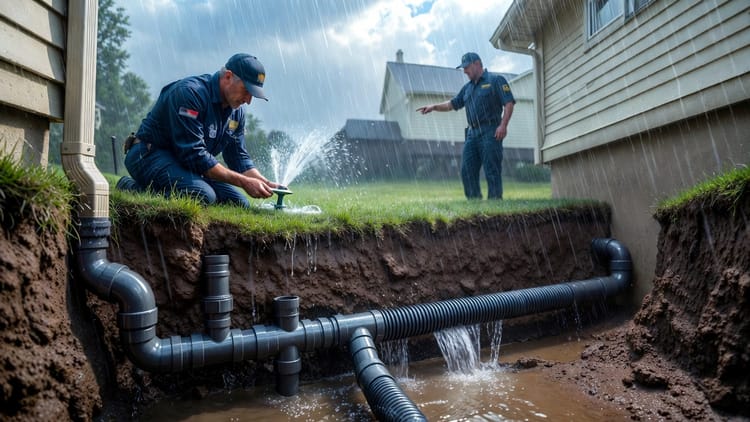
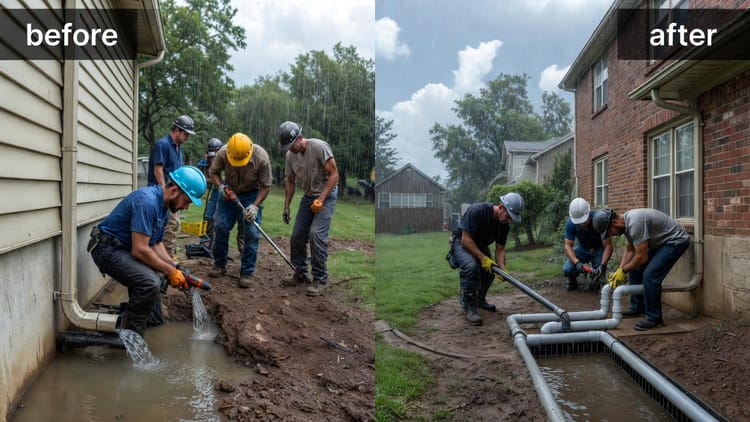
Gutters are the unsung heroes of your home's exterior, channeling rainwater away from your foundation, roof, and siding to prevent costly damage. Yet, without regular seasonal maintenance, they can become breeding grounds for clogs, leaks, and structural issues. This comprehensive guide offers a quarterly checklist tailored to each season, ensuring your gutters perform optimally and last for years. By following these steps, you'll safeguard your property against water damage, mold growth, and erosion—common risks that can lead to thousands in repairs. Whether you're a DIY enthusiast or prefer professional help, this authoritative approach keeps things simple, effective, and reassuringly proactive.
Schedule Your Seasonal Gutter Check Today
Why Seasonal Gutter Maintenance Matters
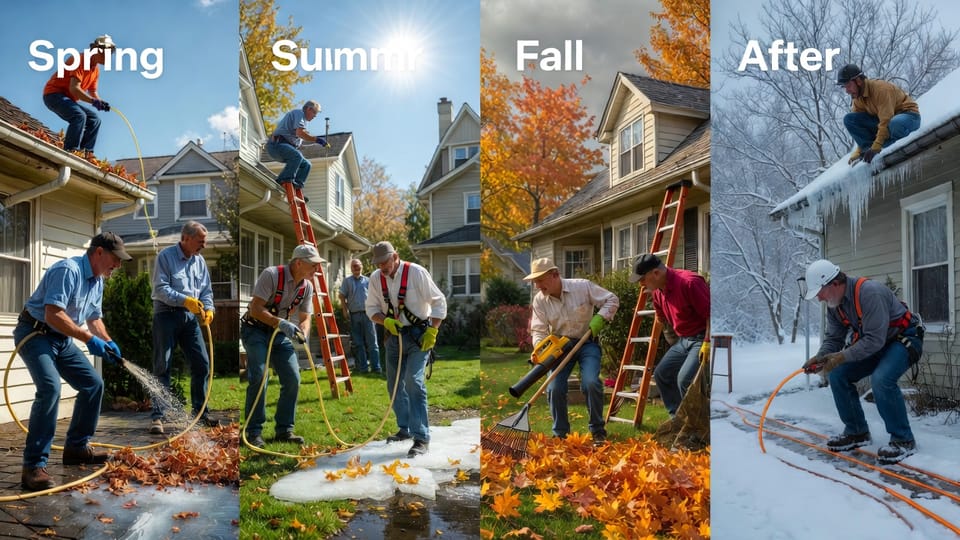
Before diving into the checklists, understand the importance of quarterly care. Gutters face unique challenges each season: debris buildup in fall, ice formation in winter, pollen and blooms in spring, and storm impacts in summer. Neglecting them can result in overflowing water, which erodes soil, floods basements, or even compromises your roof's integrity. According to home maintenance experts, consistent checks can extend gutter lifespan by up to 50%, reducing the need for premature replacements. This guide empowers you with actionable, SEO-optimized tips to maintain peak performance, blending prevention with early detection for peace of mind.
Spring: Clearing Winter's Legacy
As winter thaws, spring brings renewal—but also the remnants of snow, ice, and dormant debris. This is the time to reset your gutters after months of harsh weather. Focus on thorough cleaning to prepare for April showers.
- Inspect for Winter Damage: Walk around your home and visually check for cracks, dents, or separations caused by ice expansion. Look closely at seams and joints where ice dams may have formed, as these are prime spots for leaks.
- Remove Debris Buildup: Use a sturdy ladder and gloves to scoop out leaves, twigs, and sediment accumulated over winter. Flush with a garden hose to ensure downspouts are clear, preventing future clogs.
- Test Water Flow: Pour water into the gutters to verify smooth drainage. If water pools or overflows, adjust pitch or alignment for optimal flow.
- Seal and Secure: Apply waterproof sealant to any minor cracks and tighten loose fasteners. This step fortifies against spring rains.
By addressing these in spring, you avoid amplified issues during heavier rainfall seasons. Remember, safety first—use a spotter or hire pros if heights intimidate you.
Summer: Guarding Against Storms and Heat
Summer's heat and thunderstorms test your gutters' resilience. With increased UV exposure and potential hail, this quarter emphasizes inspection and reinforcement to handle intense weather.
- Check for Storm Damage: After any major storm, examine for dents from hail, bent sections from wind, or displaced hangers. Prompt repairs prevent small issues from escalating.
- Clean Out Pollen and Dust: Hot, dry air accumulates fine particles; remove them to maintain airflow and prevent blockages before fall.
- Assess Alignment and Slope: Heat can warp materials—ensure gutters slope correctly (about 1/4 inch per 10 feet) toward downspouts for efficient drainage.
- Install or Inspect Guards: Consider adding mesh screens if not already present, especially in tree-heavy areas, to reduce future debris entry.
These tasks keep your system robust amid summer's extremes, minimizing risks like foundation erosion from improper water diversion.

Fall: The Critical Cleanup Season
Fall is arguably the most demanding period for gutters, with falling leaves creating prime clogging conditions. Prioritize comprehensive clearing to avoid winter woes—neglect here often leads to overflow and ice buildup.
- Frequent Leaf Removal: Clear leaves weekly during peak foliage drop. Use a leaf blower or scoop for efficiency, focusing on corners and downspouts.
- Deep Clean and Flush: Beyond surface debris, scrub away mold or algae growth with a mild solution. Flush thoroughly to confirm unobstructed flow.
- Reinforce Structural Integrity: Tighten spikes, brackets, and seams loosened by summer heat. Check for sagging sections, which signal overload or poor installation.
- Prepare for Winter: Trim overhanging branches to reduce future leaf fall and install gutter guards if upgrading your system.
This season's efforts pay dividends, as clean gutters in fall mean fewer emergencies in winter. Stay vigilant, and your home remains protected.
Winter: Preventing Ice and Snow Hazards
Winter's freeze-thaw cycles pose unique threats like ice dams and heavy snow loads. Maintenance here focuses on prevention, as access can be tricky in cold weather.
- Monitor for Ice Formation: Regularly check for ice buildup along edges; use roof rakes to remove snow without climbing.
- Ensure Proper Insulation: Verify attic insulation to prevent heat loss that melts snow unevenly, leading to dams. Add ventilation if needed.
- Clear Snow Accumulations: Gently remove excess snow from gutters to avoid weight-induced sagging or collapse.
- Apply De-Icing Measures: Install heat cables in problem areas or use safe de-icers sparingly to maintain flow without damaging materials.
These steps mitigate severe risks like interior water damage from backed-up meltwater. If conditions are extreme, professional intervention is wisest.
Common Gutter Problems and How to Spot Them Seasonally
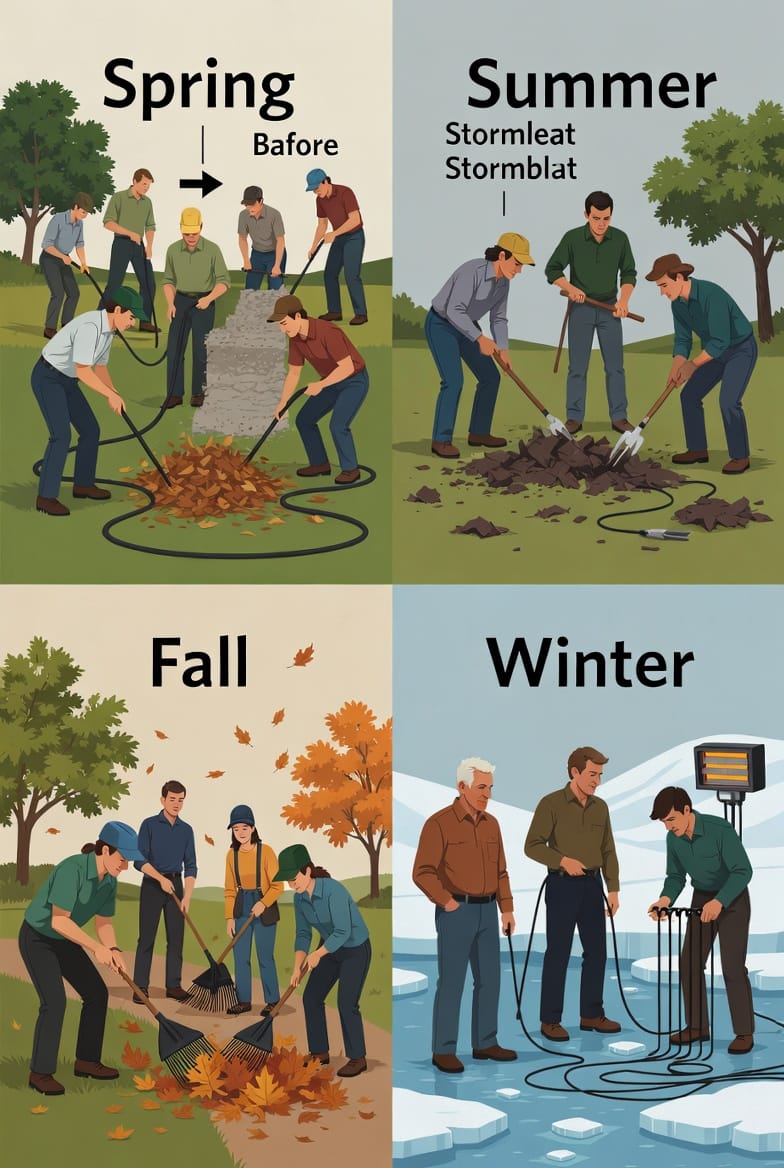
Throughout the year, watch for universal issues that can arise anytime but often peak seasonally. Early detection saves money and hassle.
- Sagging Gutters: Caused by debris weight or loose fasteners; spot in fall or after heavy snow. Fix by reinforcing hangers.
- Rust and Corrosion: More visible in spring post-winter; treat with rust inhibitors or replace affected sections.
- Leaks at Joints: Common after summer storms; seal with caulk for a quick, reassuring fix.
- Loose Spikes or Brackets: Check in every season, especially winter; tighten to prevent detachment.
Addressing these promptly maintains long-term longevity, turning potential disasters into minor tweaks.
Tips for Safe and Effective DIY Maintenance
While professionals are ideal for complex jobs, DIYers can handle basics with care. Always use stable ladders, wear protective gear, and work in pairs. Invest in quality tools like extendable wands for safer reach. For eco-friendly options, compost collected debris rather than discarding it. If your home is multi-story or gutters are seamless, consider annual inspections by certified teams.
The Long-Term Benefits of Consistent Care
Adhering to this quarterly checklist not only enhances gutter performance but also boosts your home's curb appeal and value. Preventative maintenance reduces emergency calls, lowers energy bills by improving insulation, and protects against pests that thrive in clogged systems. Over time, you'll notice fewer landscaping issues and a drier, healthier basement.
In conclusion, staying ahead of gutter problems with seasonal care is a smart, empowering choice. It ensures optimal performance and longevity, giving you confidence through every weather change.
Professional Gutter Care for Every Season – Call Now