Guided by Precision: How Surgical Guides Transform Dental Implant Placement and Recovery
In the ever-evolving field of dental implantology, technological advancements are reshaping how we approach tooth replacement. Surgical guides, custom-fabricated tools born from cutting-edge 3D imaging and CAD/CAM technology, stand at the forefront of this transformation. These guides enable dentists to perform minimally invasive procedures with unparalleled accuracy, reducing patient discomfort and accelerating recovery times. If you're considering dental implants, understanding how these innovations work can empower you to make informed decisions about your oral health.
Discover Guided Implant Excellence – Schedule Today
This article delves into the mechanics of surgical guides, their creation process, and the profound benefits they offer over traditional methods. From pinpoint implant positioning to flapless surgery, we'll explore why this precision-guided approach is becoming the gold standard in modern dentistry.
The Evolution of Dental Implants: From Traditional to Guided
Dental implants have long been a reliable solution for replacing missing teeth, but early techniques often involved extensive guesswork and invasive steps. Traditional implant placement required surgeons to rely on 2D X-rays and manual measurements, which could lead to suboptimal outcomes like misaligned implants or unnecessary tissue trauma.
Enter guided implant surgery—a game-changer driven by digital innovation. By integrating 3D cone-beam computed tomography (CBCT) scans with sophisticated software, dentists can now plan and execute procedures with millimeter-level precision. This shift not only minimizes risks but also enhances the aesthetic and functional results, ensuring the final crown fits seamlessly.
- Key Historical Milestone: The first surgical guides emerged in the early 2000s, coinciding with advancements in CAD/CAM systems.
- Current Adoption: Over 70% of implant specialists now incorporate guided techniques, according to recent industry surveys.
- Patient Impact: Reduced chair time and fewer complications make this method ideal for those seeking efficient, comfortable care.
With guided surgery, the focus moves from reactive adjustments to proactive planning, setting the stage for superior long-term success.
Crafting the Perfect Guide: The Role of 3D Imaging and CAD/CAM
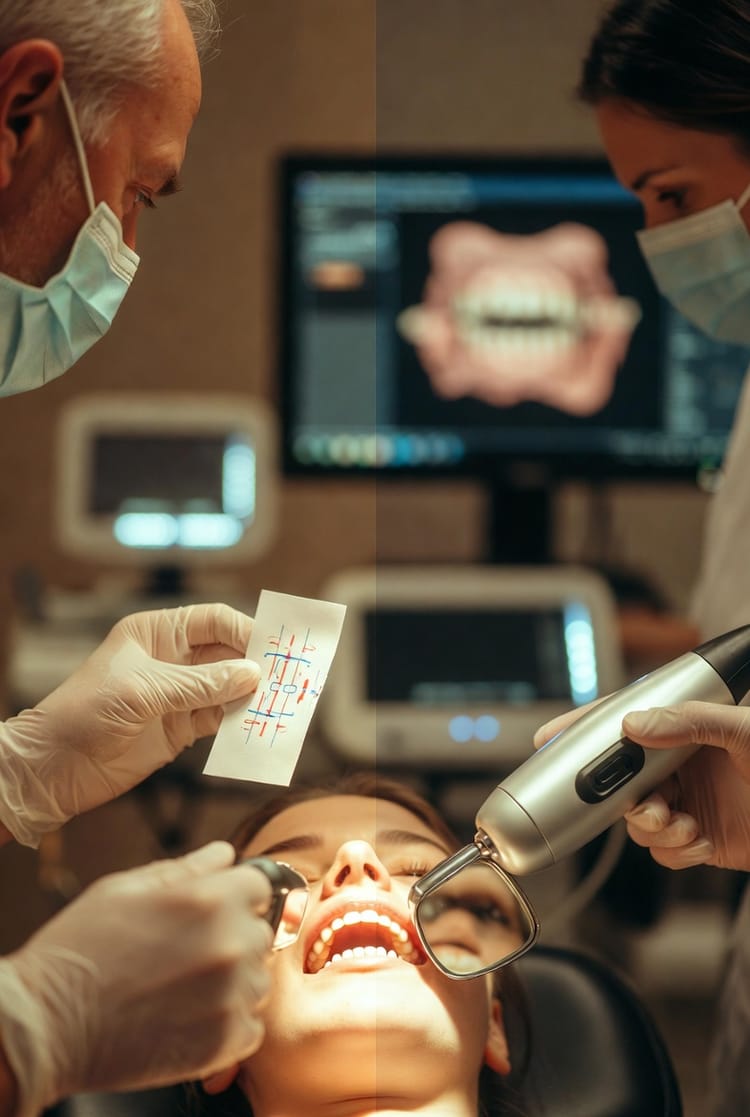
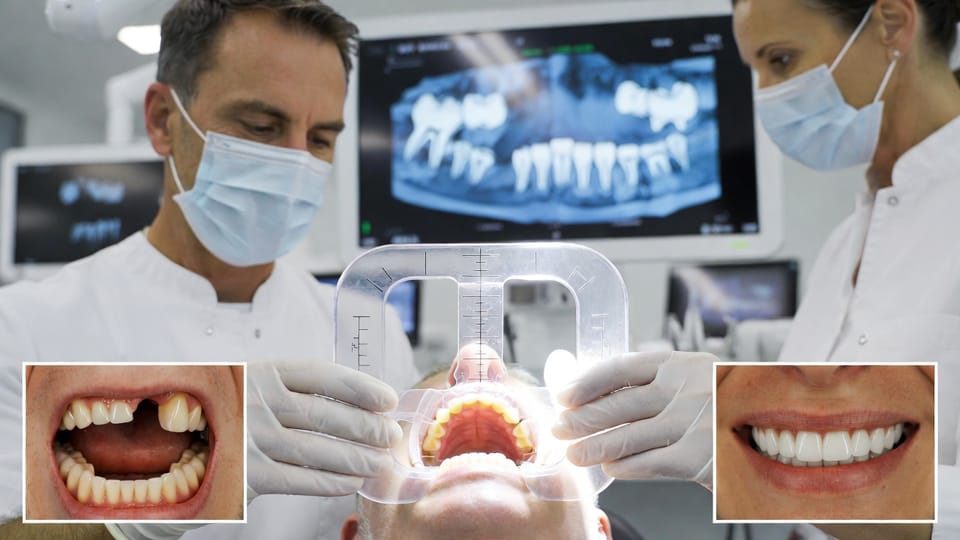
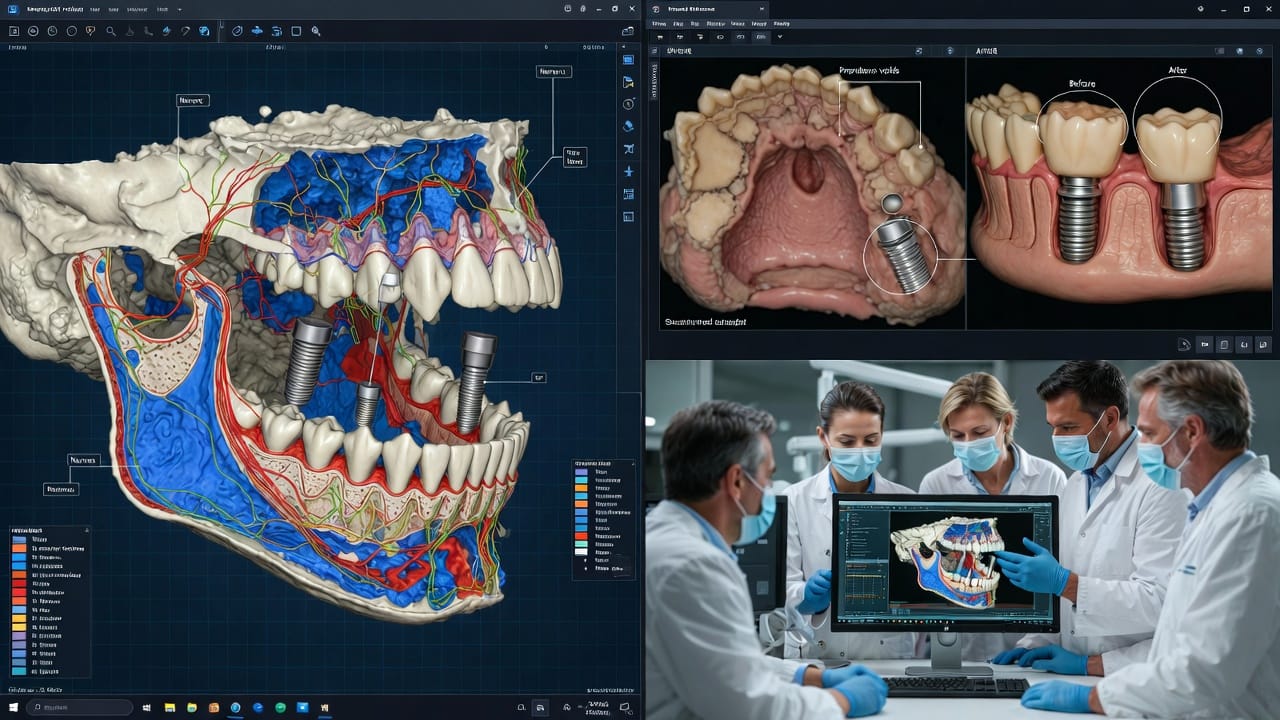
At the heart of guided implant surgery lies a meticulous planning phase powered by 3D imaging. It all begins with a CBCT scan, which captures detailed, three-dimensional views of your jawbone, teeth, nerves, and sinuses. Unlike traditional X-rays, CBCT provides a comprehensive map, allowing dentists to assess bone density and identify potential obstacles without invasive exploration.
Once the scan is complete, the data feeds into CAD (Computer-Aided Design) software. Here, virtual models of your mouth are created, and the ideal implant positions are simulated. Factors like bite alignment, aesthetics, and proximity to vital structures are optimized digitally.
The CAM (Computer-Aided Manufacturing) process then takes over, fabricating the surgical guide—typically a clear, acrylic template that fits snugly over your teeth or gums. This guide features precisely drilled sleeves that direct the implant drill to the exact depth and angle planned.
- Benefits of Digital Planning: Eliminates trial-and-error, reducing the risk of nerve damage or sinus perforation.
- Customization: Each guide is tailored to the patient's unique anatomy, ensuring a perfect fit.
- Time Efficiency: From scan to guide production, the process can take as little as a few days with in-house milling or 3D printing.
This technology-driven workflow not only boosts accuracy but also builds patient confidence through visual previews of the procedure.
The Procedure Unveiled: Minimally Invasive and Flapless Surgery
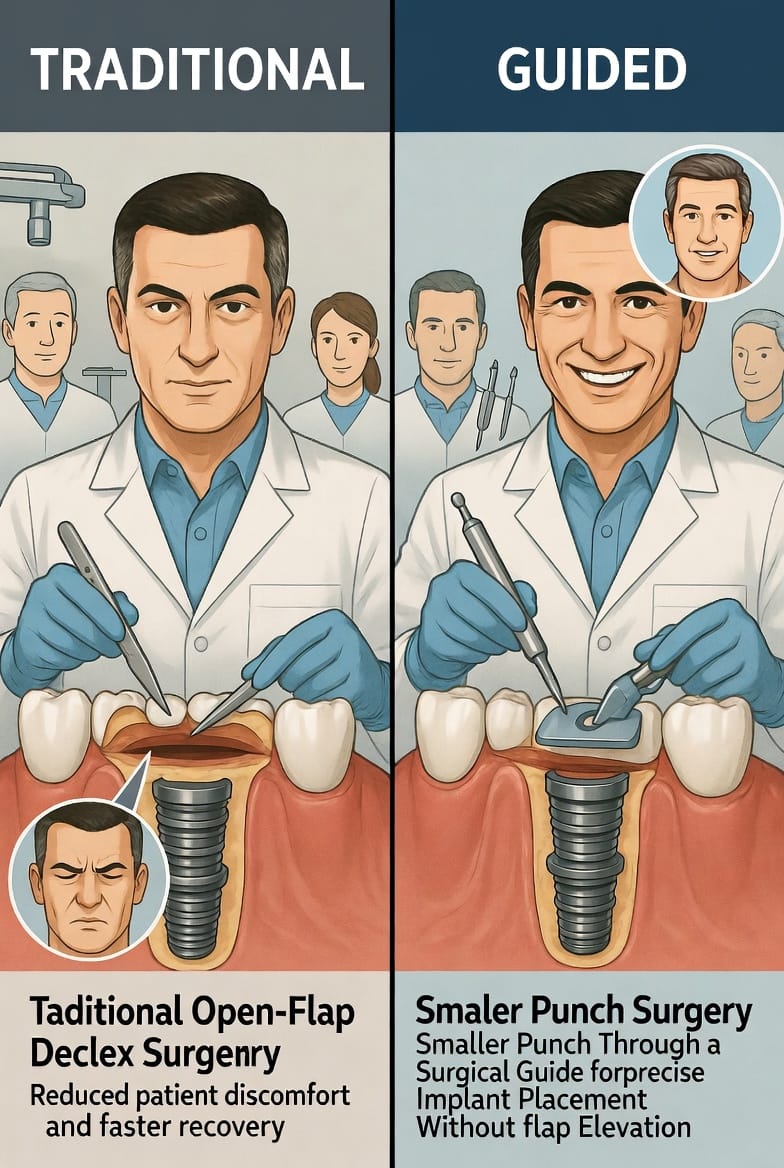
One of the most revolutionary aspects of surgical guides is their facilitation of flapless surgery. In traditional methods, surgeons make incisions to lift gum flaps, exposing the bone for drilling. This approach, while effective, often results in swelling, bleeding, and the need for sutures.
Guided surgery flips the script. The pre-fabricated guide snaps into place, and small, precise punches create access points directly through the gum tissue. The drill follows the guide's sleeves, placing the implant with pinpoint accuracy—no flaps, no stitches.
This minimally invasive technique preserves surrounding tissues, leading to:
- Less Pain: Patients report significantly reduced discomfort post-procedure, often manageable with over-the-counter pain relief.
- Faster Healing: With minimal tissue disruption, recovery can be as short as a few days, compared to weeks in traditional cases.
- Immediate Functionality: In many instances, temporary crowns can be attached right away, allowing you to eat and smile confidently sooner.
Throughout the process, the guide acts as a reliable roadmap, ensuring the implant integrates optimally with the bone for a stable foundation.
Pinpoint Accuracy: Optimizing Implant Positioning for the Final Crown
Accuracy isn't just about placement—it's about the end result. Surgical guides ensure implants are positioned to support the final prosthetic crown ideally. By aligning with your natural bite and aesthetics during planning, the guide prevents common issues like crooked teeth or uneven gum lines.
Consider the risks of misalignment: Poorly placed implants can lead to peri-implantitis (inflammation around the implant) or mechanical failures. Guided surgery mitigates these by:
- Avoiding Vital Structures: Precise mapping steers clear of nerves and sinuses, reducing complication rates to under 1%.
- Enhancing Osseointegration: Optimal angulation promotes better bone fusion, with success rates exceeding 98%.
- Aesthetic Excellence: Implants mimic natural tooth roots, resulting in crowns that blend seamlessly with your smile.
For patients with complex cases, such as multiple missing teeth or bone loss, this precision is invaluable, often eliminating the need for additional bone grafts.
Comparing Traditional vs. Guided Approaches: A Clear Winner
To truly appreciate the transformation, let's contrast the two methods head-on.
Traditional Implant Surgery:
- Involves larger incisions and gum reflection.
- Relies on surgeon's experience for accuracy.
- Higher risk of post-op swelling and infection.
- Longer recovery, often 1-2 weeks of downtime.
Guided Implant Surgery:
- Employs flapless entry for minimal trauma.
- Guarantees precision through digital blueprints.
- Reduces pain and healing time dramatically.
- Supports immediate loading in suitable cases.
Studies from the Journal of Oral Implantology highlight that guided procedures cut surgery time by up to 50% and complication rates by 75%. While initial costs may be higher due to imaging and guide fabrication (typically $200-$500 extra), the long-term savings in reduced revisions and faster return to normal life make it worthwhile.
For those concerned about radiation exposure from CBCT, rest assured: Doses are low, equivalent to a few days of natural background radiation, and the benefits far outweigh the minimal risks.
Addressing Common Concerns: Safety, Cost, and Accessibility
It's natural to have questions about adopting new technology. Is guided surgery safe? Absolutely—its predictability enhances safety by design. What about costs? While upfront expenses include scanning and guide creation, overall treatment affordability improves with fewer follow-ups.
Accessibility is growing, too. Many dental practices now offer in-house 3D printing, making this option available even in smaller clinics. If you're a candidate—determined by bone health and overall wellness—guided surgery can be tailored to your needs.
- Who Benefits Most?: Patients with anxiety about surgery, those needing multiple implants, or individuals with anatomical challenges.
- Potential Drawbacks: Rare cases of guide misalignment (under 0.5%), easily corrected with backups.
- Expert Tip: Choose a board-certified implantologist experienced in digital workflows for optimal results.
Reassuringly, this approach empowers you with control, turning what was once a daunting procedure into a streamlined experience.
The Future of Guided Dentistry: Innovations on the Horizon
Looking ahead, surgical guides are poised for even greater advancements. Integration with augmented reality (AR) could allow real-time overlays during surgery, while AI-driven software might predict bone remodeling for hyper-personalized plans.
Biocompatible materials and faster 3D printing will further reduce turnaround times, making same-day guided implants a reality. As research progresses, expect broader applications, from orthodontics to full-mouth reconstructions.
In essence, guided surgery isn't just a tool—it's a paradigm shift toward patient-centered, precision dentistry.
Embracing Precision for Your Smile
Guided by technology, dental implant placement has never been more reliable or comfortable. With surgical guides leading the way, you can achieve a natural-looking, durable smile with minimal disruption to your life.
Transform Your Smile with 3D-Guided Precision – Call Today