Ethical Wildlife Solutions: Protecting Your Property While Preserving Nature
In today's world, where urban expansion increasingly overlaps with natural habitats, wildlife intrusions into homes and properties have become a common challenge. But addressing these issues doesn't mean resorting to harmful methods. Humane wildlife solutions prioritize the well-being of animals while safeguarding your space. This approach not only aligns with ethical standards but also ensures long-term effectiveness, preventing recurring problems. As experts in the field, we emphasize understanding animal behavior, employing gentle exclusion techniques, and implementing permanent proofing—all while adhering to safety protocols and legal requirements.
Protect Your Home Ethically – Speak to Our Specialists Today
Whether you're dealing with curious raccoons rummaging in your attic, squirrels nesting in eaves, or bats roosting in chimneys, our guide will empower you with knowledge to handle these situations responsibly. By choosing humane methods, you contribute to ecosystem preservation, fostering a balance between human needs and wildlife survival. Let's explore how to protect your property compassionately.
Understanding Animal Behavior: The Key to Prevention
To effectively manage wildlife without harm, it's essential to grasp why animals enter human spaces. Animal behavior is driven by basic needs: food, shelter, and safety. Recognizing these patterns allows for targeted, non-lethal interventions. Below, we delve into common culprits—raccoons, squirrels, and bats—highlighting their habits and humane management strategies.
Raccoons: Intelligent Opportunists
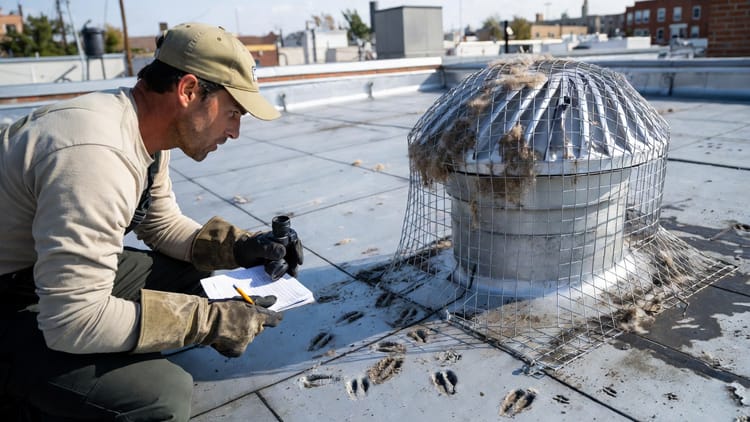
Raccoons are nocturnal mammals known for their dexterity and adaptability. They often seek attics or crawl spaces during breeding seasons (typically February to June) for warm, secure nesting sites. Signs include nocturnal noises, scattered trash, or paw prints.
- Food Attraction: Raccoons are drawn to unsecured garbage, pet food, or compost piles. Secure these to deter them.
- Entry Points: They exploit weak spots like uncapped chimneys or torn vents, using their paws to pry open access.
- Behavioral Insights: Mothers are protective; disturbing nests can lead to aggression, underscoring the need for professional handling.
Humane solutions involve waiting for natural departure (e.g., after weaning) before sealing entries, ensuring no orphans are left behind.
Squirrels: Agile Acrobats
Squirrels, active during daylight, chew through soffits or fascia boards to access attics for nut storage or nesting, especially in fall. Their gnawing can damage wiring, posing fire risks.
- Seasonal Patterns: Breeding peaks in winter and summer, leading to increased home invasions.
- Habitat Preferences: They favor trees near roofs, using branches as bridges.
- Risks Ignored: DIY attempts often fail, as squirrels can re-enter through overlooked gaps.
Understanding their territorial nature helps in using repellents like predator urine scents temporarily while planning exclusions.
Bats: Beneficial Night Flyers
Bats enter via tiny gaps (as small as 1/4 inch) in roofs or siding, forming colonies for roosting. They're vital for pest control, consuming thousands of insects nightly, but guano accumulation poses health concerns.
- Migration and Hibernation: Many species hibernate in attics during winter or use them as maternity roosts in summer.
- Echolocation Expertise: They navigate tight spaces effortlessly, making detection tricky.
- Conservation Status: Many bats are protected; illegal harm can result in fines.
Humane eviction timing is crucial—avoid summer to prevent separating mothers from pups.
By studying these behaviors, we can predict and prevent intrusions, promoting coexistence.
Humane Exclusion Techniques: Gentle Yet Effective
Humane exclusion focuses on guiding animals out without traps or poisons, using one-way doors or natural deterrents. This method respects animal welfare while resolving issues.
- One-Way Exits: Install devices allowing animals to leave but not re-enter, ideal for attics or chimneys.
- Sensory Repellents: Use lights, sounds, or ammonia-soaked rags to encourage voluntary departure, avoiding long-term distress.
- Timing Considerations: Perform exclusions outside breeding seasons to minimize impact on young.
These techniques, when applied correctly, ensure animals relocate safely to natural habitats.
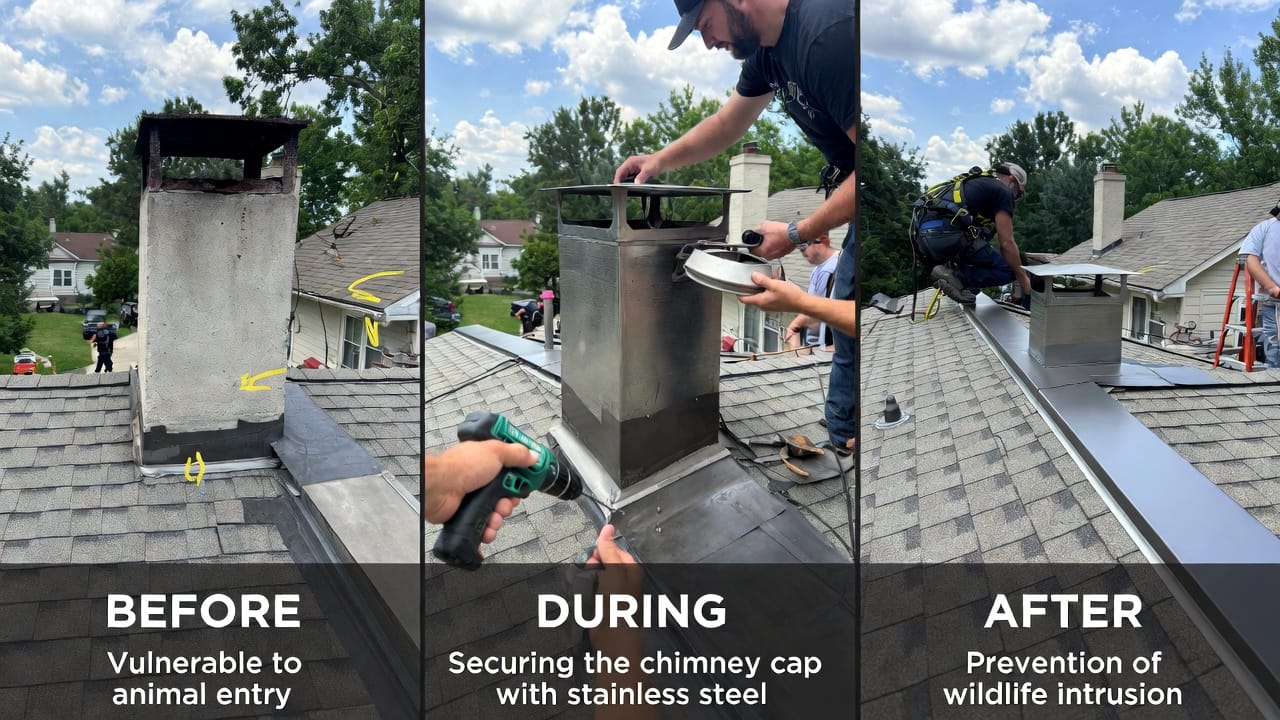
Step-by-Step Exclusion Process
- Inspection: Thoroughly assess property for signs of activity and entry points.
- Eviction Planning: Determine the best non-invasive method based on species and season.
- Implementation: Set up exclusions and monitor for complete departure.
- Follow-Up: Confirm vacancy before sealing.
This process, backed by expertise, guarantees humane outcomes.
Permanent Proofing Methods: Long-Term Defense
Once animals are excluded, permanent proofing prevents future entries. This involves reinforcing vulnerable areas with durable materials.
- Sealing Gaps: Use metal flashing or hardware cloth to cover vents, soffits, and eaves—materials animals can't chew through.
- Chimney and Vent Guards: Install caps and screens to block access without restricting airflow.
- Tree Trimming: Maintain a 10-foot gap between branches and roofs to eliminate "highways."
- Foundation Fortification: Bury wire mesh around crawl spaces to deter burrowing.
These methods not only protect your property but also reduce maintenance costs over time.
Advanced Proofing for Specific Threats
For raccoons, reinforce garbage enclosures with locks. Squirrels require robust wire mesh on power lines if applicable. Bats benefit from bat houses installed away from homes, providing alternative roosts.
Investing in quality proofing yields peace of mind, knowing your home is secure ethically.
Safety First: Prioritizing Human and Animal Well-Being
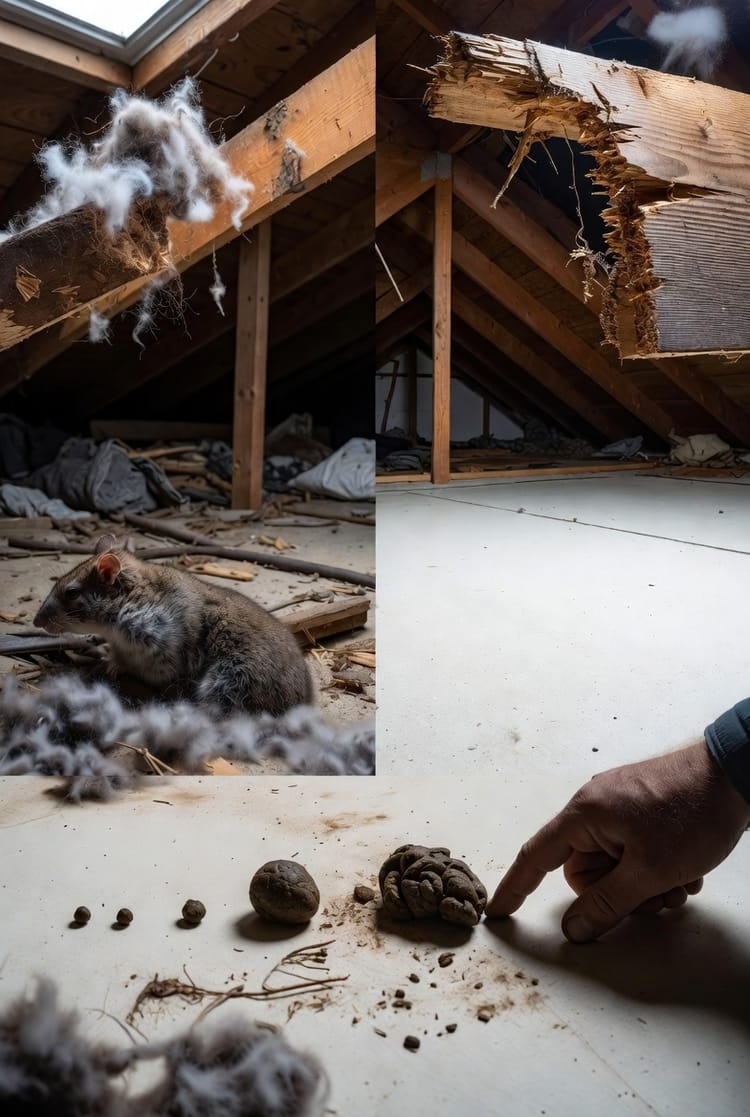
Safety is paramount in wildlife management. Animals can carry diseases like rabies or histoplasmosis from droppings, while improper handling risks bites or falls.
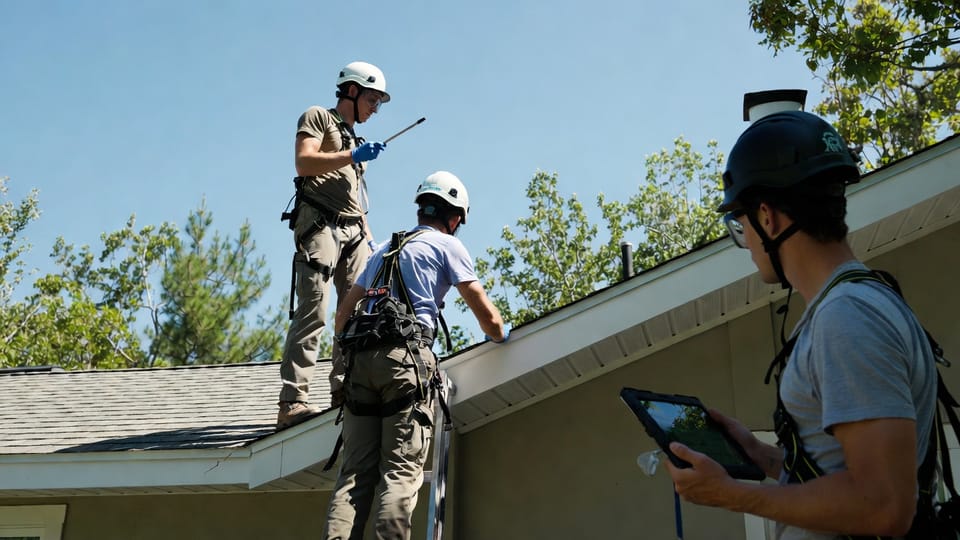
- Personal Protective Equipment (PPE): Always use gloves, masks, and harnesses during inspections.
- Professional Tools: Ladders, scopes, and humane devices minimize risks.
- Health Precautions: Vaccinate for rabies if exposed; clean areas with disinfectants.
DIY efforts often overlook these, leading to accidents. Professionals mitigate dangers effectively.
Legal Compliance: Navigating Regulations
Wildlife laws vary by state, but federal protections (e.g., Migratory Bird Treaty Act for bats) prohibit harm. Legal compliance avoids penalties.
- Permits Required: Some species need special handling permits.
- Protected Seasons: Avoid actions during maternity periods.
- Reporting Obligations: Notify authorities for endangered species.
Consulting licensed experts ensures adherence, protecting you legally.
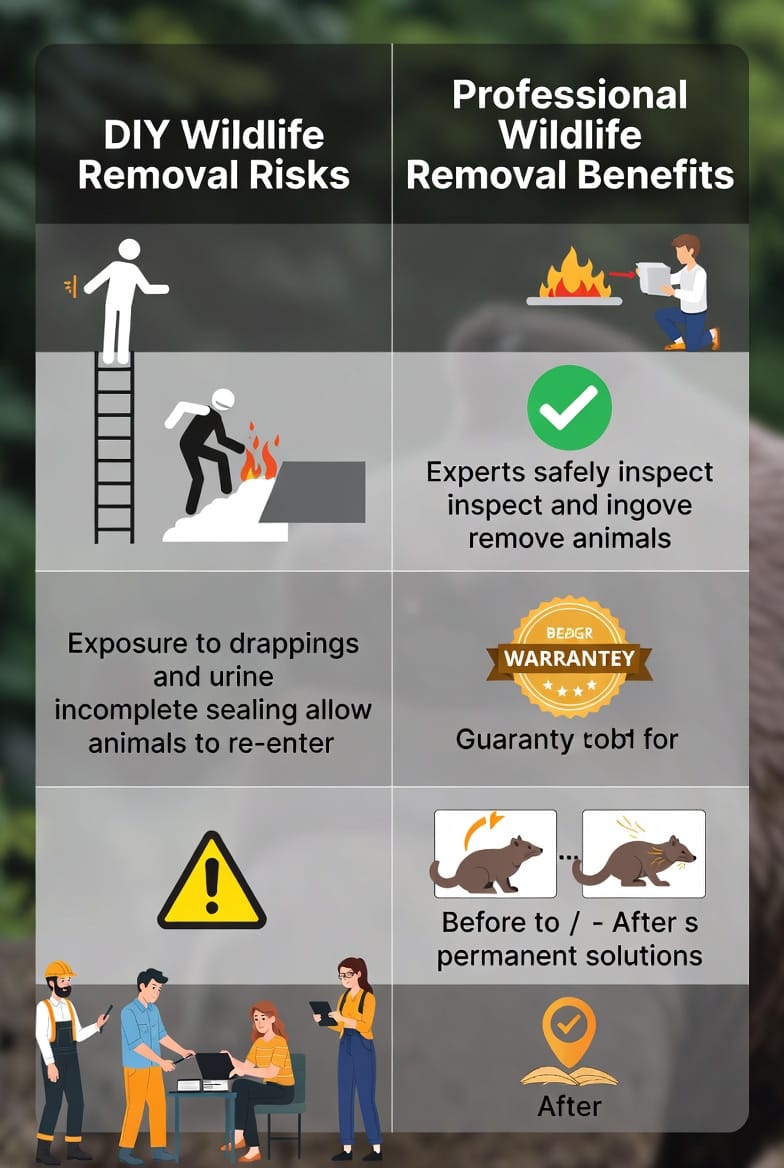
DIY vs. Professional: A Balanced Comparison
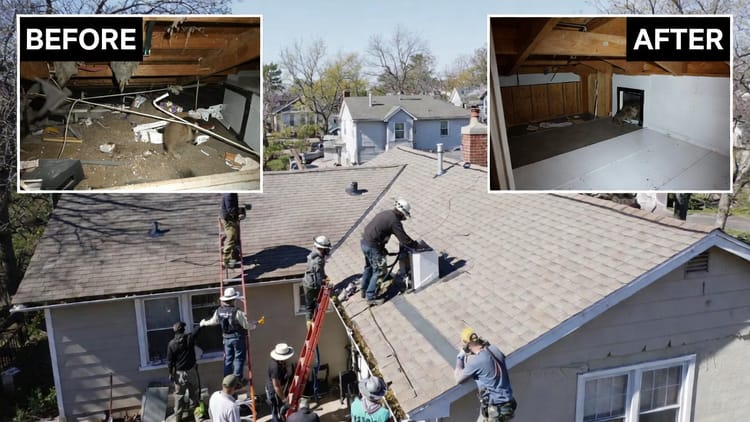
While the image above visually contrasts the two, here's a quick overview:
- DIY Risks:
- Disease Exposure: Handling without PPE increases infection chances.
- Injury Potential: Climbing roofs or using tools improperly leads to falls.
- Incomplete Exclusion: Missed entries result in persistent issues.
- Professional Benefits:
- Safety Assurance: Trained teams use proper gear and methods.
- Guarantees Offered: Warranties cover reoccurrences.
- Permanent Solutions: Comprehensive proofing prevents future problems.
Choosing professionals safeguards everyone involved.
Building a Wildlife-Friendly Environment
Beyond exclusion, foster habitats that draw animals away from your property. Plant native species, install bird feeders at a distance, and support local conservation. This proactive stance enhances biodiversity.
In conclusion, ethical wildlife solutions blend compassion with practicality. By understanding behaviors, using humane techniques, and proofing permanently, you protect your property while preserving nature. Remember, safety and legality are non-negotiable.
Expert Humane Proofing & Removal – Contact Us Today