Eco-Friendly Plumbing Upgrades: Water-Saving Fixtures That Pay Off
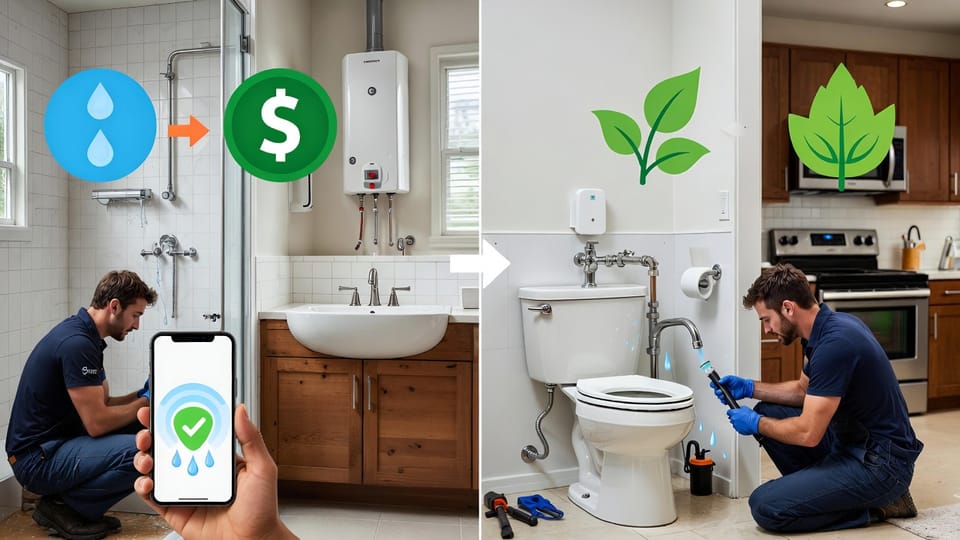
In an era where environmental sustainability and cost efficiency go hand in hand, upgrading your home's plumbing system with eco-friendly fixtures is a smart investment. Whether you're a homeowner looking to reduce your utility bills or an environmentally conscious individual aiming to minimize your water footprint, these upgrades offer tangible benefits. From high-efficiency toilets to smart leak detectors, modern plumbing innovations not only conserve precious resources but also enhance your home's value and comfort. In this comprehensive guide, we'll explore the key fixtures, their advantages, installation tips, and the long-term savings they provide – all while maintaining a reassuring approach that empowers you to make informed decisions.
Go Green & Slash Your Bills – Call for Eco Plumbing Upgrades
As water scarcity becomes a global concern, adopting water-saving technologies in your plumbing can significantly contribute to conservation efforts. According to general industry insights, the average household wastes thousands of gallons of water annually through inefficient fixtures. By switching to eco-friendly options, you can cut this waste dramatically, often seeing a return on investment within a few years. Let's dive into the details of these transformative upgrades.
The Benefits of Eco-Friendly Plumbing Upgrades
Embracing sustainable plumbing isn't just about going green; it's about practical, everyday advantages that improve your quality of life. Here are some key benefits:
- Water Conservation: These fixtures can reduce household water usage by up to 30-50%, helping preserve local water supplies and reducing strain on municipal systems.
- Cost Savings: Lower water bills translate to hundreds of dollars saved annually, with some upgrades paying for themselves in under two years through reduced utility costs.
- Environmental Impact: By minimizing water waste, you contribute to lower energy consumption in water treatment and heating, indirectly cutting your carbon footprint.
- Home Value Boost: Modern, efficient plumbing appeals to eco-conscious buyers, potentially increasing your property's resale value by 5-10%.
- Improved Performance: Contrary to myths, these fixtures often provide better functionality, such as stronger water pressure in low-flow models or instant hot water from tankless heaters.
- Health and Comfort: Features like leak detectors prevent mold growth and water damage, ensuring a safer, more comfortable living environment.
With these perks in mind, it's clear that investing in eco-friendly plumbing is a win-win. Now, let's examine specific fixtures starting with one of the most impactful: high-efficiency toilets.
High-Efficiency Toilets: Flushing Away Waste
High-efficiency toilets (HETs) represent a cornerstone of eco-friendly plumbing. Unlike traditional models that use 3.5-7 gallons per flush (GPF), HETs operate on 1.28 GPF or less, making them a powerhouse for water savings. These toilets employ advanced engineering, such as dual-flush mechanisms or pressure-assisted systems, to deliver powerful performance with minimal water.
Key Benefits
The switch to an HET isn't just about compliance with modern standards; it's about real-world gains:
- Substantial Water Savings: A family of four can save over 13,000 gallons of water per year, equivalent to filling a small swimming pool.
- Reduced Sewer Costs: Lower water usage means decreased sewer fees in many areas, amplifying your savings.
- Enhanced Durability: Made with high-quality materials, these toilets often come with longer warranties and resist clogs better than older models.
- Quiet Operation: Many feature insulated tanks to minimize condensation and noise during refills.
From an authoritative standpoint, rest assured that HETs maintain the same level of cleanliness and efficiency as their predecessors – if not better. They've been rigorously tested to handle waste effectively, debunking any concerns about reduced flushing power.
Installation Considerations
Installing a high-efficiency toilet is straightforward but requires attention to detail for optimal results:
- Compatibility Check: Ensure your bathroom's rough-in measurement (distance from wall to drain) matches the new toilet, typically 12 inches for standard models.
- Professional Assistance: While DIY-savvy homeowners can handle it, hiring a licensed plumber guarantees proper sealing and avoids potential leaks. Expect installation to take 2-4 hours.
- Water Supply Adjustments: Older homes may need valve upgrades to accommodate the lower flow, but this is a minor tweak.
- Cost Factors: Entry-level HETs start at $200, with premium models up to $600. Installation adds $150-300, depending on complexity.
Always prioritize models certified by reputable standards like WaterSense, which ensures they meet efficiency benchmarks without sacrificing performance.
Long-Term Savings
The financial payoff of HETs is impressive. Assuming average water rates of $0.005 per gallon, a household could save $65-100 annually on water bills alone. Over a 10-year lifespan, this accumulates to $650-1,000, often exceeding the initial cost. Factor in potential rebates from local utilities for eco-upgrades, and the return is even quicker. In essence, these toilets pay for themselves while contributing to a sustainable future.
Moving on to another essential upgrade, low-flow faucets offer savings in every drop.
Low-Flow Faucets: Streamlining Your Water Use
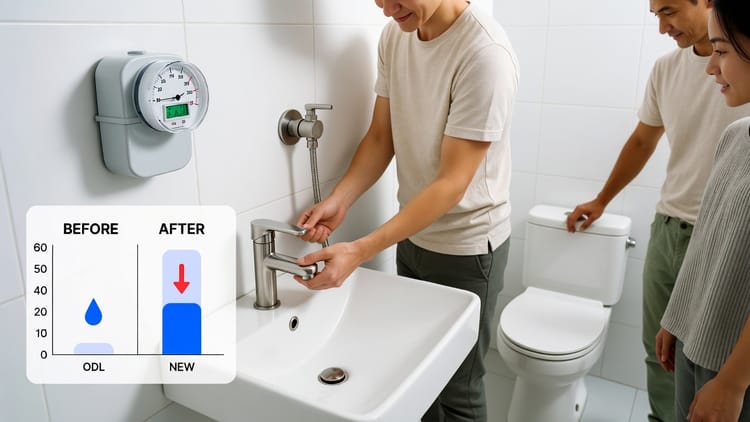
Low-flow faucets and showerheads are simple yet effective tools in the eco-friendly plumbing arsenal. Designed to aerate water streams, they maintain pressure while using less water – typically 1.5-2.0 gallons per minute (GPM) compared to 2.5-5.0 GPM in older fixtures.
Advantages for Daily Life
These fixtures shine in high-use areas like kitchens and bathrooms:
- Immediate Savings: Reduce faucet water use by 30-50%, translating to lower bills without noticeable changes in flow.
- Energy Efficiency: Less hot water usage means reduced energy for heating, saving on gas or electric costs.
- Versatile Designs: Available in touchless, pull-down, or widespread styles, they fit any aesthetic while promoting hygiene.
- Easy Maintenance: Built-in aerators are simple to clean, preventing mineral buildup and ensuring longevity.
Authoritatively, low-flow faucets have evolved beyond early models that felt restrictive. Today's versions use innovative laminar flow technology for a satisfying experience, reassuring users that conservation doesn't mean compromise.
Installation Tips
Upgrading is often a quick project:
- DIY-Friendly: Most involve unscrewing the old aerator and attaching the new one, taking under 10 minutes.
- Plumbing Expertise: For full faucet replacement, a plumber can handle it in 30-60 minutes, especially if supply lines need adjustment.
- Material Choices: Opt for brass or stainless steel for durability; avoid plastic-heavy models that may leak over time.
- Budget Range: Quality low-flow faucets cost $50-200, with installation at $100-200 if needed.
Consider pairing with a matching showerhead for cohesive bathroom efficiency.
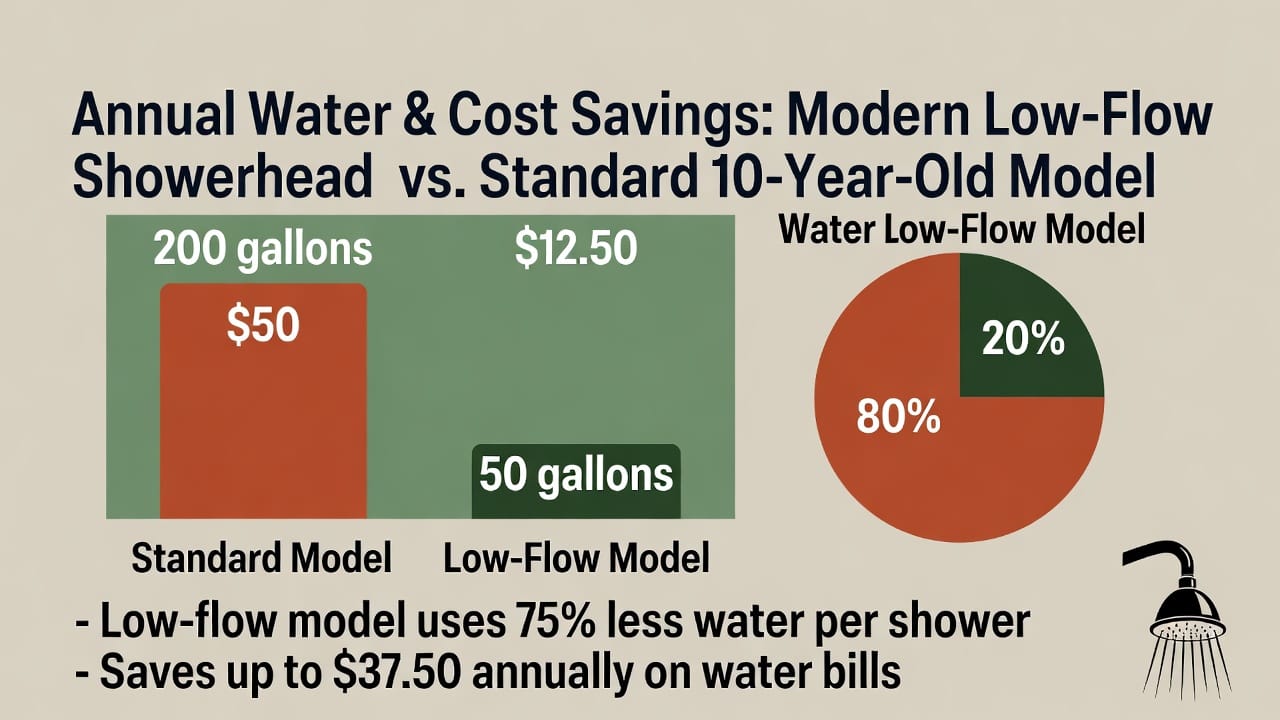
Projected Savings
With daily showers averaging 8 minutes, a low-flow showerhead saves about 2,700 gallons per person annually. At standard rates, this equates to $40-60 in yearly savings per household member. Over five years, expect $200-300 back, plus the satisfaction of knowing you're conserving resources. Many utilities offer incentives, making the upgrade even more appealing.
Next, let's explore how tankless water heaters revolutionize hot water delivery.
Tankless Water Heaters: Endless Efficiency on Demand
Tankless water heaters, also known as on-demand systems, heat water only when needed, eliminating the standby energy loss of traditional tank models. This eco-friendly upgrade is ideal for homes with variable hot water demands.
Core Benefits
The advantages extend beyond basic savings:
- Unlimited Hot Water: Perfect for large families, providing continuous supply without running cold.
- Space Savings: Compact units free up floor space, often wall-mounted in closets or garages.
- Longer Lifespan: Lasting 20+ years versus 10-15 for tanks, with fewer corrosion issues.
- Eco-Friendly Operation: Gas or electric models achieve up to 98% efficiency, reducing greenhouse gas emissions.
Rest assured, tankless heaters deliver consistent temperatures, thanks to advanced sensors that adjust flow rates dynamically.
Installation Insights
While rewarding, installation requires planning:
- Energy Source Evaluation: Gas models need venting and adequate supply lines; electric ones require circuit upgrades.
- Professional Installation: Essential due to electrical/gas work; expect 4-8 hours and costs of $500-1,000.
- Sizing Correctly: Base on household size and peak usage to avoid undersupply; a plumber can assess this.
- Initial Investment: Units range from $500-2,000, but tax credits for energy-efficient models offset this.
Choose units with high energy factor (EF) ratings for maximum efficiency.
Savings Over Time
Energy savings can reach 20-30% on heating bills, or $100-200 annually for average homes. With no tank to maintain, repair costs drop too. Over a decade, savings could total $1,000-2,000, making tankless heaters a sound long-term choice.
To complement these upgrades, smart leak detectors add a layer of proactive protection.
Smart Leak Detectors: Safeguarding Against Hidden Waste
Smart leak detectors use sensors and Wi-Fi connectivity to monitor your plumbing in real-time, alerting you to issues before they escalate. These devices are a modern safeguard in eco-friendly systems.
Essential Advantages
Their intelligence sets them apart:
- Early Detection: Identify leaks as small as a drip, preventing thousands of gallons in waste.
- App Integration: Receive notifications via smartphone, allowing remote shut-off in some models.
- Water Usage Tracking: Monitor consumption patterns to spot inefficiencies early.
- Insurance Perks: Many insurers offer discounts for installed detectors, reducing premiums.
With an authoritative nod, these devices are reliable and user-friendly, integrating seamlessly with smart home ecosystems like Alexa or Google Home.
Setup Considerations
Installation is accessible:
- Placement Strategy: Position sensors near appliances, toilets, and pipes; some are whole-home systems.
- Easy Setup: Battery-powered models install in minutes; hardwired ones may need a plumber for 1-2 hours.
- Compatibility: Ensure Wi-Fi strength and app compatibility with your devices.
- Pricing: Basic detectors start at $50, advanced systems up to $300, with minimal ongoing costs.
Regular battery checks keep them operational.
Long-Term Financial Gains
A single undetected leak can waste 10,000 gallons yearly, costing $50-100. Detectors prevent this, potentially saving $200+ in repairs and water bills annually. Over time, they pay off through avoided damages, with some models offering flow data to further optimize usage.
Conclusion: Embrace Sustainable Plumbing Today
Investing in eco-friendly plumbing upgrades like high-efficiency toilets, low-flow faucets, tankless water heaters, and smart leak detectors is a proactive step toward a greener, more efficient home. These fixtures not only deliver immediate water and cost savings but also provide peace of mind through reliable performance and environmental contributions. With careful installation and maintenance, you'll enjoy long-term benefits that far outweigh the upfront costs.
Ready for Sustainable Plumbing Savings? – Call Now & Save!