Eco-Friendly Plumbing Upgrades for 2026: Water-Saving Fixtures That Pay Off
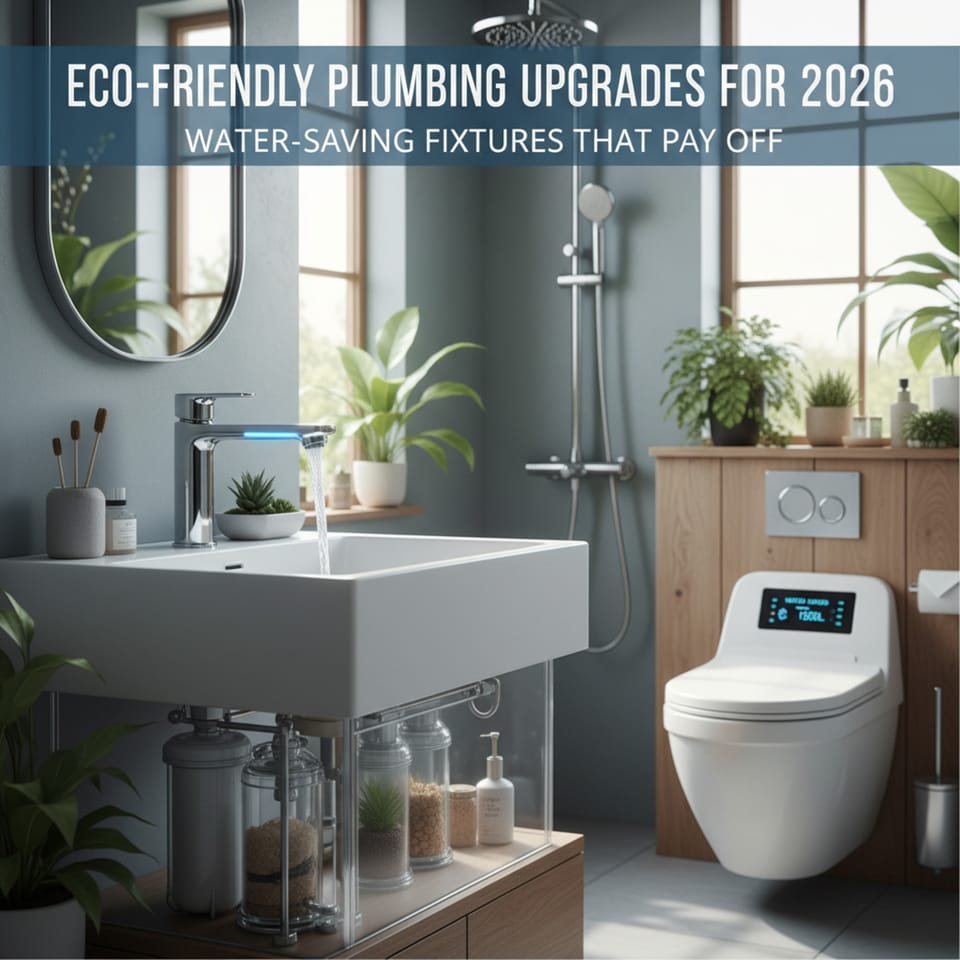
In an era where water scarcity is becoming a global crisis, homeowners and businesses are turning to sustainable solutions to reduce consumption without sacrificing comfort. By 2026, eco-friendly plumbing upgrades are not just a trend—they're a smart investment that lowers utility bills, boosts property value, and contributes to environmental conservation. According to recent industry reports, adopting water-efficient fixtures can cut household water use by up to 40%, translating to significant savings and a reduced carbon footprint. This article explores the top water-saving fixtures for 2026, their benefits, return on investment (ROI), and how they integrate into modern homes.
The Rising Need for Water-Smart Plumbing
Water conservation is more critical than ever. The U.S. Environmental Protection Agency's WaterSense program highlights that efficient fixtures can save at least 20% on water usage while maintaining performance. In 2026, with climate change exacerbating droughts, governments and utilities are incentivizing upgrades through rebates and green building certifications like LEED. These changes align with broader trends in the plumbing industry, where smart, eco-friendly products are projected to drive market growth to $149.3 billion by 2035.
Beyond environmental perks, these upgrades offer tangible financial returns. For instance, a typical family can save thousands of gallons annually, reducing water bills by 20-60%. Initial costs are offset quickly—often within 1-3 years—through lower utilities and potential tax credits. Let's dive into the key fixtures making waves in 2026.
Low-Flow Toilets: The Foundation of Savings
Toilets account for nearly 30% of indoor water use in homes. Traditional models guzzle 3.5-7 gallons per flush (GPF), but 2026's high-efficiency toilets (HETs) use just 1.28 GPF or less, without compromising flush power. Dual-flush options allow users to choose between 0.8 GPF for liquids and 1.6 GPF for solids, potentially reducing usage by up to 67%.
Smart toilets are emerging as a game-changer, featuring auto-flush, night lights, and water-conserving designs. Installation costs range from $200-$500, with ROI achieved in 2-4 years via $50+ annual savings per household. For eco-conscious buyers, these upgrades can enhance home resale value by appealing to green-minded markets.
Water-Saving Showerheads: Luxury Meets Efficiency
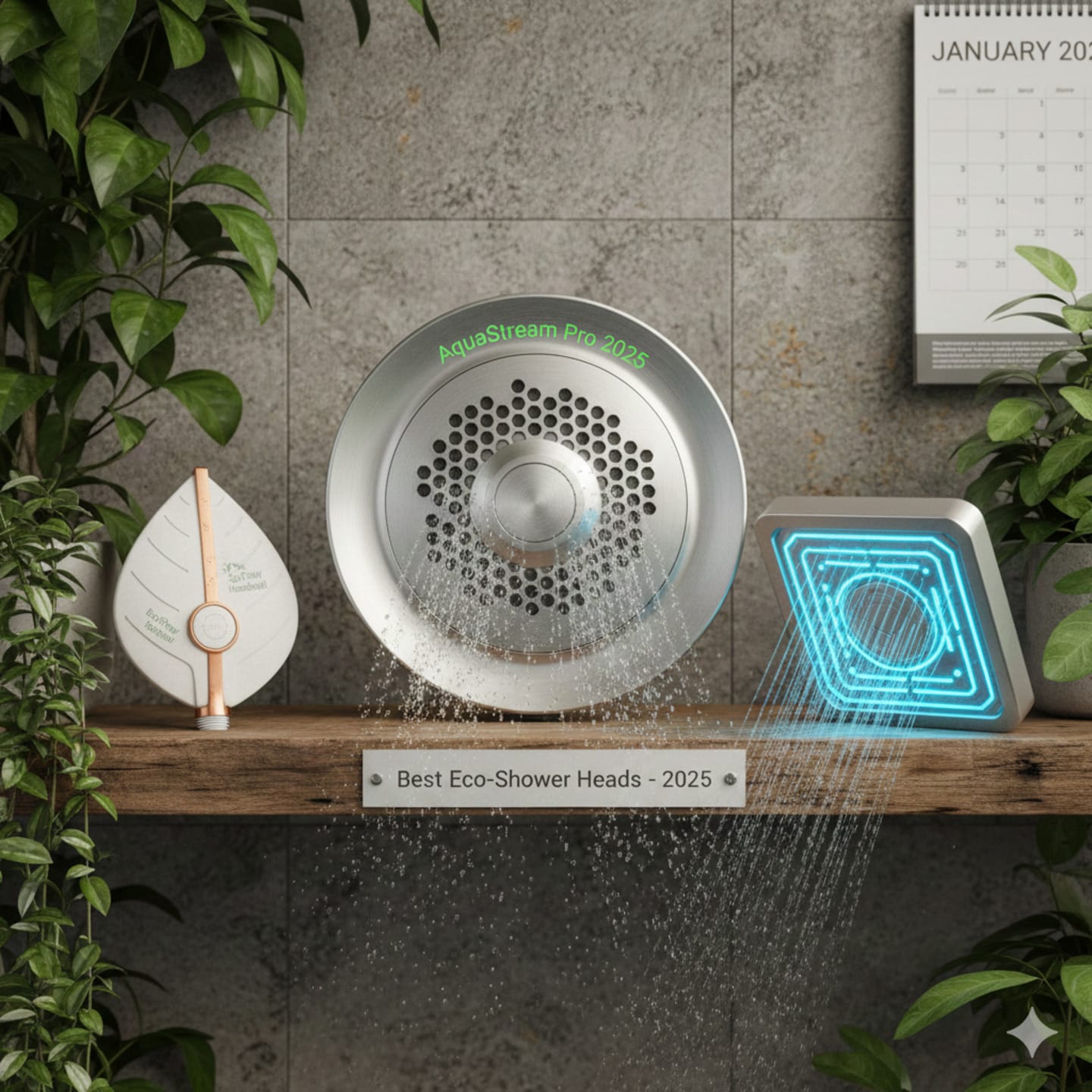
Showerheads are another high-impact area. Standard models flow at 2.5 gallons per minute (GPM), but low-flow versions cap at 2 GPM or less, saving an average family 2,700 gallons yearly. Aerated designs mix air with water for a powerful spray, cutting usage by up to 50% while feeling indulgent.
In 2026, touchless and smart showerheads with sensors reduce waste by shutting off automatically, offering 30-70% savings. Priced at $50-$150, they pay for themselves in under a year through $30+ in annual energy and water bill reductions, as less hot water means lower heating costs.
Aerated Faucets: Small Change, Big Impact
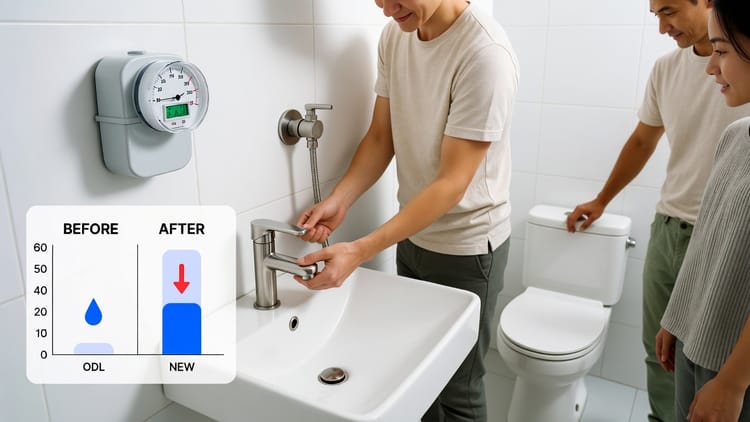
Kitchen and bathroom faucets are often overlooked, yet they contribute significantly to water waste. Aerators reduce flow to 1.5 GPM from 2.2 GPM, saving up to 50% on usage. Touchless models prevent drips and overuse, especially in busy households.
These upgrades cost $10-$100 and install easily as DIY projects. Annual savings hover around $20-50, with quick ROI. In commercial settings, sensor faucets amplify benefits, but for homes, they're ideal for hygiene and efficiency.
trustlowery.comHow to Fix Low Water Pressure | Lowery Plumbing Heating & AC
Smart Leak Detectors and Greywater Systems: Future-Proofing Your Home
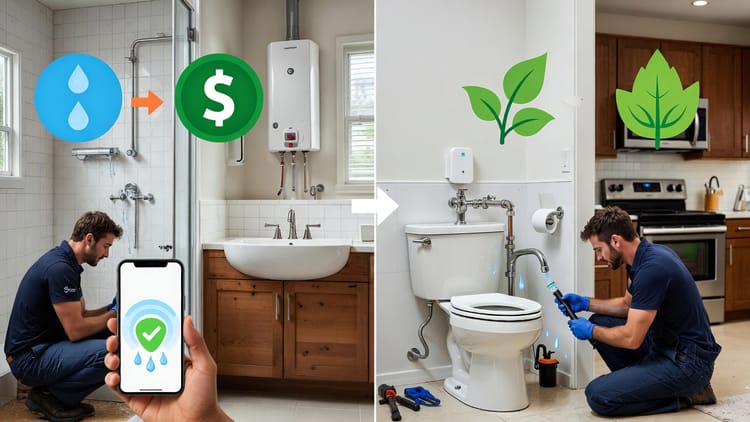
Looking ahead to 2026, smart leak detectors are essential. These devices monitor for leaks, shutting off water automatically to prevent billions in damage—nationally, leaks waste nearly a trillion gallons yearly. Costing $100-$300, they offer ROI through insurance discounts and avoided repairs.
Greywater systems recycle shower and sink water for irrigation, reducing demand by 25-45%. While more complex (installation $1,000+), they shine in arid regions, with payback in 5-7 years.
Tankless water heaters complement these, heating water on demand for 20-30% energy savings. Lifespan exceeds 20 years, making them a long-term win.
ROI and Cost-Benefit Analysis
To illustrate the payoffs, consider this comparison table based on industry data:
| Fixture | Initial Cost | Annual Water Savings (Gallons) | Annual Bill Savings (USD) | Payback Period (Years) |
|---|---|---|---|---|
| Low-Flow Toilet | $200-500 | 2,000-4,000 | $50-100 | 2-4 |
| Showerhead | $50-150 | 1,500-2,700 | $30-60 | 1-2 |
| Aerated Faucet | $10-100 | 1,000-2,000 | $20-50 | <1 |
| Leak Detector | $100-300 | N/A (Prevents Loss) | $50-200 (Avoided Costs) | 1-3 |
These figures assume average U.S. water rates and usage. Overall, full-home upgrades can yield 20-60% reductions in water bills, with total ROI exceeding 100% over a decade.
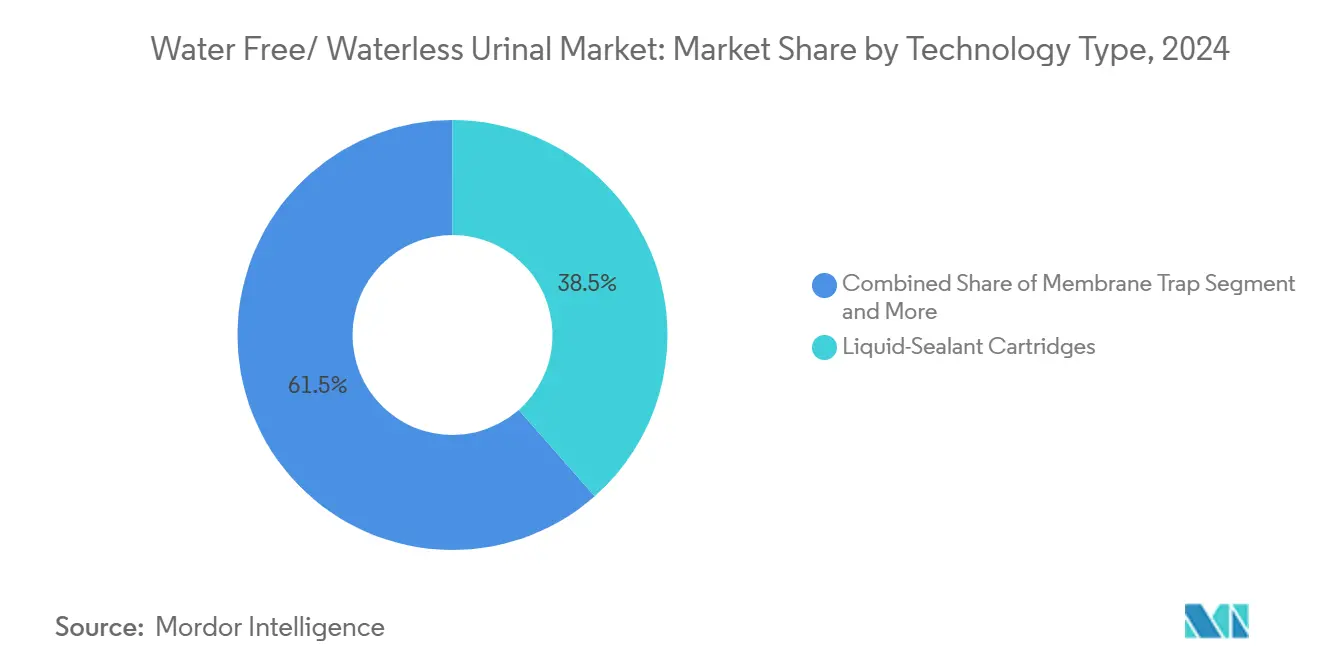
For visual insight, here's a graph depicting market shares in water-efficient technologies, highlighting the dominance of innovative solutions like liquid sealant cartridges in urinals—a proxy for broader fixture trends.
mordorintelligence.comWater Free/ Waterless Urinal Market Size & 2030 Share
Trends and Implementation Tips for 2026
The plumbing market is evolving with IoT integration, where apps control fixtures for optimal efficiency. Look for WaterSense-labeled products to ensure quality. Start small: Replace faucets and showerheads before tackling toilets or systems. Consult professionals for complex installs to maximize rebates.
In conclusion, eco-friendly plumbing upgrades in 2026 are a win-win for your wallet and the planet. By investing in water-saving fixtures, you're not only cutting costs but also future-proofing against rising water prices and regulations. Whether you're remodeling or retrofitting, these changes deliver immediate payoffs and long-term sustainability. Act now—your home and the environment will thank you.