Blanket Coverage and Agreed Value: Insuring Unique Homes, Collections, and High-Value Assets
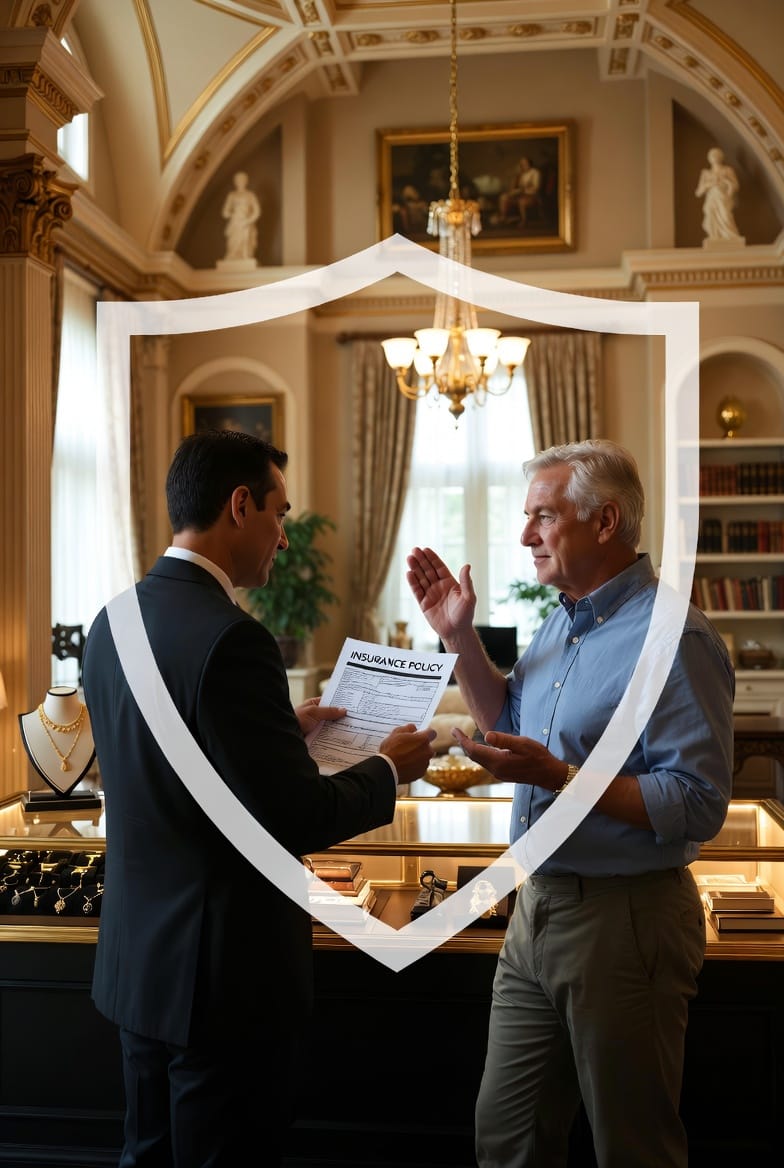
In the world of high-value homes, where unique architecture, fine art, jewelry, and collectibles define your lifestyle, standard homeowners insurance often falls short. Imagine a historic mansion with irreplaceable stained-glass windows or a contemporary estate boasting a private gallery of modern sculptures—these aren't just properties; they're extensions of your identity and legacy. Yet, without specialized coverage, a single incident like a fire, theft, or natural disaster could lead to devastating financial and emotional losses. This is where blanket coverage and agreed value policies step in, offering tailored protection that aligns with the exceptional nature of your assets.
Get a Free Home Insurance Quote Today – Call Us
As a trusted authority in high-value insurance, we understand the nuances of insuring properties that defy the ordinary. In this comprehensive guide, we'll explore the limitations of conventional policies and how endorsements such as scheduled personal property, agreed value coverage, and enhanced liability limits provide robust solutions. Whether you're a collector of rare wines, an owner of antique furniture, or someone with a home featuring bespoke design elements, our insights will empower you to safeguard what matters most. Rest assured, with the right strategy, your unique treasures can be protected seamlessly.
Understanding the Gaps in Standard Homeowners Insurance
Standard homeowners policies, often referred to as HO-3 or HO-5 forms, are designed for average residences with typical valuables. They provide a baseline of coverage for the dwelling, personal property, liability, and additional living expenses. However, for high-value homes—those valued over $750,000 or containing items exceeding $50,000 in worth—these policies have inherent limitations that can expose you to significant risks.
- Sub-Limits on Personal Property: Most standard policies cap coverage for categories like jewelry at $1,500 to $2,500 per item, and art or collectibles at $5,000 to $10,000 total. If your diamond necklace is worth $100,000 or your art collection surpasses $500,000, you'd face substantial out-of-pocket costs in a claim.
- Actual Cash Value (ACV) vs. Replacement Cost: Claims are often settled on ACV, which deducts depreciation. For unique items like a vintage Rolex or a one-of-a-kind painting, this means receiving far less than the item's true market value, complicating replacement.
- Exclusions for Unique Risks: Standard policies may not cover perils specific to high-value assets, such as breakage of fragile art during transit, flood damage to basements housing wine cellars, or mysterious disappearance of jewelry. Architectural oddities, like custom-built greenhouses or historical facades, might not be adequately valued or repaired to original standards.
- Liability Shortfalls: With high-net-worth individuals often hosting events or employing staff, standard liability limits of $100,000 to $300,000 could be insufficient against lawsuits, especially if injuries occur on expansive properties with pools, home theaters, or equestrian facilities.
These gaps aren't just theoretical; they've led to real-world regrets for many affluent homeowners. But don't worry—specialized endorsements bridge these divides, ensuring your policy evolves with your lifestyle.
The Power of Blanket Coverage for Broad Protection
Blanket coverage acts as a comprehensive shield, grouping multiple high-value items under a single limit rather than insuring them individually. This approach is ideal for collections that fluctuate in value or quantity, such as expanding art portfolios or jewelry acquired over time. Unlike standard policies, blanket coverage provides flexibility without the need for constant updates.
Key benefits include:
- Higher Overall Limits: Set a blanket amount, say $500,000, that applies across categories like fine art, jewelry, and silverware, reducing the risk of underinsurance.
- No Per-Item Caps: Enjoy freedom from sub-limits, allowing coverage for items up to the blanket total without individual appraisals for every piece (though appraisals are still recommended for claims).
- Simplified Claims Process: In the event of a loss, claims are settled based on the blanket limit, often at replacement cost, making recovery faster and less contentious.
For homes with unique architecture, blanket coverage can extend to structural elements, ensuring that custom features like imported marble floors or handcrafted woodwork are protected under a unified umbrella. This is particularly reassuring for properties in high-risk areas, where blanket policies can incorporate endorsements for earthquakes or hurricanes.
Transitioning to blanket coverage isn't complex. Our experts recommend starting with a thorough inventory—documenting items with photos, receipts, and professional valuations. This proactive step not only strengthens your policy but also gives you peace of mind, knowing your assets are covered holistically.

Scheduled Personal Property: Itemizing for Precision
When blanket coverage provides the broad strokes, scheduled personal property endorsements add the fine details. This involves listing specific high-value items on a schedule attached to your policy, with agreed-upon values and dedicated coverage. It's perfect for irreplaceable assets like fine art, jewelry, or collectibles that require individualized attention.
Why choose scheduling?
- Agreed Value Settlement: Unlike ACV, scheduled items are paid out at the predetermined amount, eliminating disputes over depreciation or market fluctuations. For instance, if your Picasso painting is scheduled for $1 million, that's exactly what you'll receive in a total loss.
- Broader Peril Coverage: Scheduled endorsements often protect against a wider range of risks, including accidental damage, loss during travel, or even breakage—perils excluded in standard policies.
- No Deductible Option: Many carriers waive deductibles for scheduled items, ensuring full reimbursement without upfront costs.
For unique homes, scheduling can extend to architectural salvage, such as antique chandeliers or rare building materials. Collectors of stamps, coins, or wine benefit immensely, as schedules allow for appraisals that reflect current market trends.
Implementing this is straightforward: Partner with certified appraisers who specialize in your asset type. Update schedules annually or after acquisitions to maintain accuracy. Our authoritative advice? Treat scheduling as an investment in security—it's a small effort for immense protection.
Agreed Value Coverage: Valuing the Irreplaceable
At the heart of high-value home insurance lies agreed value coverage, a cornerstone for insuring structures and contents at a pre-determined amount. This eliminates the guesswork of traditional replacement cost estimates, which can undervalue custom-built homes.
- Fixed Payout Assurance: In a claim, you receive the agreed value without deductions for depreciation, ideal for homes with unique architecture like mid-century modern designs or eco-friendly builds using rare materials.
- Inflation Guard Integration: Policies often include automatic adjustments for rising construction costs, keeping your coverage current.
- Tailored for Collections: When combined with scheduling, agreed value ensures that entire collections are appraised and insured as a unit, preventing gaps.
This coverage shines during renovations or rebuilds, where standard policies might cap payouts at outdated valuations. For high-value assets, it's a game-changer, offering certainty in uncertain times.
Enhancing Liability Limits for Comprehensive Safeguard
High-value lifestyles often invite elevated risks, from social gatherings to domestic staff. Standard liability limits won't suffice, which is why increasing them—often to $1 million or more via umbrella policies—is essential.
- Personal Liability Expansion: Covers bodily injury, property damage, or libel suits, crucial for homes with amenities like home gyms or art studios.
- Umbrella Policy Layering: Provides excess coverage beyond primary limits, protecting against catastrophic claims.
- Director's and Officer's Coverage: For those on boards, this endorsement shields against related liabilities.
Rest easy knowing that with higher limits, your financial future remains secure, even in litigious scenarios.

Best Practices for Owners of Unique Properties
To maximize your insurance efficacy, adopt these authoritative strategies:
- Conduct Recent Appraisals: Engage experts every 3-5 years to reflect market changes.
- Document Thoroughly: Use high-resolution photos, videos, and inventories stored off-site or in the cloud.
- Review During Life Changes: Updates for marriages, inheritances, or renovations ensure alignment.
- Consider Builder's Risk: During construction, this covers materials and labor against theft or damage.
- Explore Risk Management Services: Many high-value insurers offer home security audits, art conservation advice, and emergency response planning.
By following these, you're not just insuring—you're preserving your legacy.
Why Choose Specialized High-Value Insurance Providers
Generic insurers may overlook the intricacies of high-value assets, but specialists like us deliver concierge-level service. From global claims networks to partnerships with art restorers, we provide unparalleled support. Our policies are crafted with flexibility, ensuring coverage for worldwide travel of valuables or seasonal residences.
In conclusion, transitioning from standard policies to ones featuring blanket coverage, agreed value, and endorsements like scheduled personal property transforms vulnerability into strength. Your unique home and collections deserve nothing less.
Protect Your Home from the Unexpected – Call Us