Beyond Talk Therapy: Exploring EMDR, CBT, Adventure Therapy, and Other Modalities in Modern Treatment
In today's fast-paced world, seeking help for addiction and co-occurring disorders like anxiety or depression can feel overwhelming. Traditional talk therapy has long been a cornerstone of mental health treatment, but modern approaches recognize that healing isn't one-size-fits-all. At leading treatment centers, a diverse array of evidence-based therapies—from EMDR for processing trauma to CBT for reshaping thought patterns, and experiential options like adventure therapy—work in harmony to foster lasting recovery. This article dives into these modalities, explaining how they address different facets of personal challenges in accessible terms. Whether you're exploring options for yourself or a loved one, understanding these tools can empower your journey toward wellness.
Break Free with Evidence-Based Therapies – Call Now
Understanding the Need for Diverse Therapeutic Modalities
Addiction rarely exists in isolation; it's often intertwined with underlying issues such as trauma, negative thought cycles, or a lack of healthy coping mechanisms. That's why contemporary treatment programs emphasize a multifaceted approach. By combining various therapies, clinicians can target the root causes while building resilience. Research from organizations like the American Psychological Association supports this, showing that integrated modalities lead to higher success rates in sobriety and mental health stability.
- Holistic Benefits: These therapies engage the mind, body, and spirit, promoting comprehensive healing.
- Personalization: Tailored plans ensure that individuals receive what resonates most with their experiences.
- Evidence-Based Foundation: Each modality is backed by studies demonstrating efficacy for addiction and co-occurring disorders.
Rest assured, you're not alone in navigating this—many have found profound transformation through these innovative paths.
EMDR: Unlocking Trauma's Grip
Eye Movement Desensitization and Reprocessing (EMDR) is a powerful therapy designed specifically for trauma resolution. Developed in the late 1980s, it helps individuals process distressing memories that fuel addictive behaviors. Unlike traditional talk therapy, EMDR uses bilateral stimulation—such as guided eye movements, taps, or sounds—to mimic the brain's natural processing during REM sleep.
Here's how it works in practice:
- Initial Assessment: A therapist identifies target memories linked to addiction triggers.
- Desensitization Phase: Through controlled exposure and stimulation, the emotional charge of the trauma diminishes.
- Reprocessing: Positive beliefs replace negative ones, like shifting from "I'm powerless" to "I can overcome."
For those with co-occurring disorders like PTSD, EMDR has shown remarkable results, reducing relapse risks by addressing the "why" behind substance use. It's reassuring to know that sessions are structured and safe, often leading to quicker breakthroughs than years of conventional counseling.
CBT: Rewiring Thought Patterns for Lasting Change
Cognitive Behavioral Therapy (CBT) stands as a gold standard for tackling distorted thinking that perpetuates addiction cycles. This modality focuses on the interplay between thoughts, feelings, and behaviors, empowering individuals to challenge and change unhelpful patterns.
Key elements include:
- Identifying Triggers: Recognizing automatic thoughts that lead to cravings or anxiety.
- Cognitive Restructuring: Replacing irrational beliefs with evidence-based alternatives, such as "One setback doesn't define me."
- Behavioral Experiments: Practical exercises to test new coping strategies in real-life scenarios.
In treatment centers, CBT integrates seamlessly with group sessions, helping clients build skills for relapse prevention. Studies indicate it reduces symptoms of depression and anxiety by up to 60%, making it an authoritative choice for sustainable recovery. You can trust this approach—it's practical, goal-oriented, and adaptable to your unique needs.
Adventure Therapy: Building Resilience Through Experience
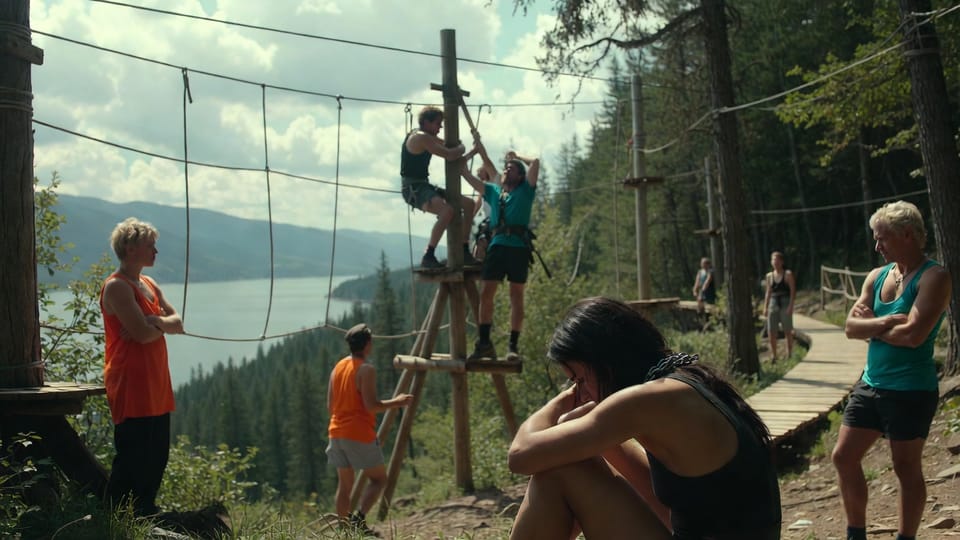
Moving beyond the therapy room, adventure therapy harnesses outdoor activities to foster personal growth. This experiential modality uses challenges like hiking, rock climbing, or team-building exercises to mirror life's obstacles, teaching coping skills in a dynamic way.
How it addresses addiction and disorders:
- Physical Engagement: Activities release endorphins, combating depression and boosting self-esteem.
- Metaphorical Learning: Overcoming a ropes course symbolizes conquering fears, transferable to sobriety maintenance.
- Group Dynamics: Builds trust and communication, essential for those with social isolation from substance use.
Evidence from journals like the Journal of Experiential Education highlights its role in reducing impulsivity and enhancing emotional regulation. It's particularly effective for younger adults or those who thrive in active environments, offering a reassuring alternative to sedentary sessions.
Experiential Therapies: Art, Equine, and More
Complementing structured therapies are experiential options that tap into creativity and connection. These include art therapy, where drawing or sculpting externalizes internal struggles, and equine-assisted therapy, involving interactions with horses to develop empathy and boundaries.
Benefits for holistic treatment:
- Art Therapy: Allows non-verbal expression of trauma, ideal for those who find words limiting.
- Equine Therapy: Mirrors human emotions through animal responses, promoting self-awareness without judgment.
- Integration with Others: Often combined with EMDR or CBT for a rounded approach.
These modalities shine in addressing co-occurring disorders by engaging senses and emotions, leading to deeper insights. Rest assured, they're facilitated by trained professionals, ensuring safety and relevance to your recovery goals.
How These Modalities Work Together in Treatment Centers
The true power lies in synergy. In modern treatment programs, modalities aren't isolated; they're woven into a personalized plan. For instance:
- A client with trauma might start with EMDR to process memories, then use CBT to manage resulting thoughts, and adventure therapy to rebuild confidence.
- Experiential therapies provide outlets during intensive phases, preventing burnout.
This integrated model tackles addiction's multifaceted nature, from biological cravings to psychological barriers. SEO-optimized programs often include assessments to match modalities, ensuring efficiency and empowerment.

Matching Challenges to Therapeutic Approaches
To make this practical, consider how specific issues align with modalities:
This table illustrates the versatility—your path can be customized for optimal results.
The Role of Evidence-Based Practices in Recovery
All these modalities rest on solid research. For example, meta-analyses in Addiction journal affirm CBT's efficacy, while EMDR is endorsed by the World Health Organization for trauma. Treatment centers prioritize these to ensure ethical, effective care. You're in capable hands when choosing programs that blend them.
Overcoming Common Misconceptions
Some worry that non-talk therapies are "unproven" or "too alternative." However, they're rigorously tested and often covered by insurance. Others fear vulnerability in experiential settings, but trained facilitators create supportive spaces. Embracing variety can accelerate healing, turning apprehension into achievement.
Personal Stories of Transformation (Anonymized)
Consider "Alex," who battled opioid addiction rooted in childhood trauma. Starting with EMDR unlocked suppressed emotions, CBT reframed self-doubt, and adventure therapy rebuilt trust. Today, Alex thrives, crediting this blend for his sobriety.
Such narratives underscore the authoritative impact—recovery is achievable with the right tools.
Choosing the Right Path for You
Assess your needs: Do you need trauma focus? Thought restructuring? Active engagement? Consult professionals to map your journey.
In conclusion, beyond talk therapy lies a world of innovative modalities like EMDR, CBT, adventure therapy, and experiential approaches. They collaborate to heal addiction and co-occurring disorders holistically, offering hope and tools for a brighter future.
Transform Trauma & Addiction – Call for Your Free Consultation