Battery Backup Breakdown: Understanding Home Energy Storage for Resilience and Savings
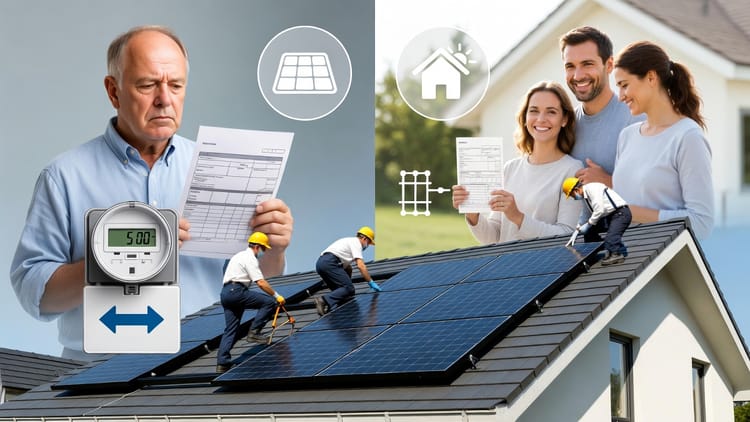
In an era where power outages are becoming more frequent due to extreme weather, grid strain, and aging infrastructure, homeowners are seeking reliable ways to maintain energy security. Home energy storage systems, particularly those paired with solar panels, offer a robust solution. These solar battery systems not only provide backup power during blackouts but also enable smart energy management strategies like load shifting to cut utility bills under time-of-use (TOU) rates. This comprehensive guide dives deep into how these systems function, their practical benefits, and financial implications—empowering you to make informed decisions for a more resilient and cost-effective home.
Power Your Home Day & Night – Call for Solar + Battery Solutions
Whether you're new to renewable energy or looking to upgrade your existing setup, understanding battery backup for home use is key. We'll explore the mechanics, advantages beyond off-grid living, and real-world savings potential. Rest assured, with advancing technology and incentives, integrating solar-plus-storage is more accessible than ever.
The Basics: How Solar Battery Systems Work
At their core, solar battery systems store excess electricity generated by your solar panels for later use. Unlike traditional grid-tied solar setups that send surplus power back to the utility, batteries allow you to capture and utilize that energy on-site.
Here's a step-by-step breakdown:
- Energy Generation: Solar panels convert sunlight into direct current (DC) electricity via photovoltaic cells.
- Inversion and Storage: An inverter converts DC to alternating current (AC) for home use. Excess DC power charges the battery.
- Discharge Mechanism: When solar production dips (e.g., at night or on cloudy days), the battery discharges stored energy. During outages, it seamlessly switches to island mode, isolating your home from the grid.
- Smart Integration: Modern systems use energy management software to monitor usage, predict needs, and optimize performance via apps or AI-driven controls.
These systems typically employ lithium-ion batteries for their high efficiency (up to 95% round-trip), longevity (10-15 years), and compact design. Alternatives like lead-acid or flow batteries exist but are less common for residential applications due to lower efficiency and higher maintenance.
Importantly, solar batteries aren't just for remote, off-grid homes. They're ideal for urban and suburban settings where grid reliability is a concern but complete independence isn't the goal. By storing energy, they reduce reliance on fossil fuel-based peaker plants, contributing to a cleaner environment.
Backup Power: Building Resilience Against Outages
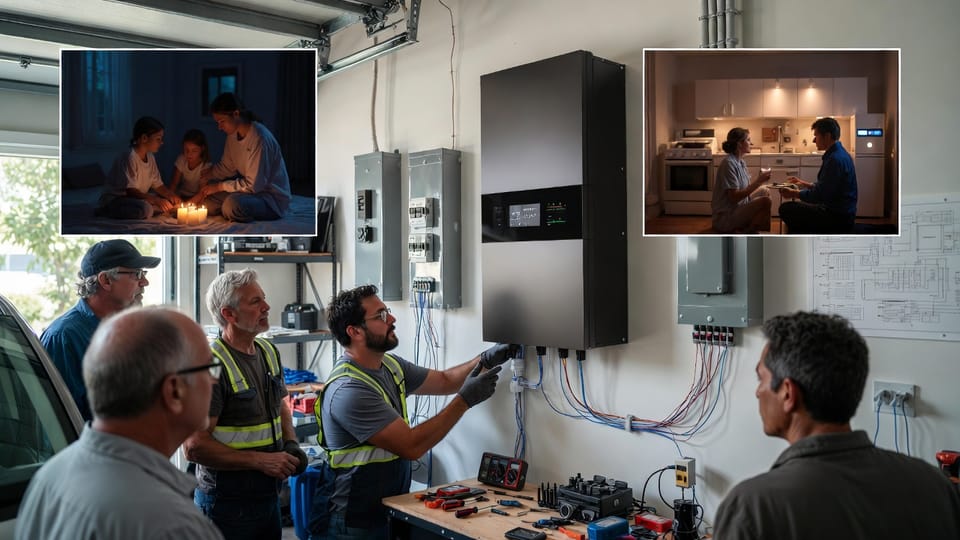
One of the primary appeals of home energy storage is its role as a reliable backup power source. Power disruptions can last hours or days, disrupting daily life—from spoiled food in refrigerators to interrupted work-from-home setups.
Solar battery systems shine here by providing uninterrupted power. For instance:
- Automatic Failover: Upon detecting an outage, the system activates within milliseconds, powering essential loads like lights, Wi-Fi, and medical devices.
- Scalable Capacity: Batteries range from 5-20 kWh per unit, enough to run a typical home for 4-12 hours on critical appliances. Stacking multiple units extends this.
- Whole-Home vs. Partial Backup: Advanced setups can cover your entire house, while budget-friendly options prioritize circuits (e.g., kitchen and HVAC).
Real-world resilience is evident in regions prone to hurricanes or wildfires. Homeowners with battery backup report minimal disruption, maintaining comfort and safety. According to industry data, systems like these can prevent losses from outages, which average $1,000 per household annually in the U.S.
Rest easy knowing these systems are engineered for safety, with built-in protections against overcharging, overheating, and short circuits. Regular firmware updates enhance performance, ensuring long-term dependability.
Load Shifting: Maximizing Savings with Time-of-Use Rates
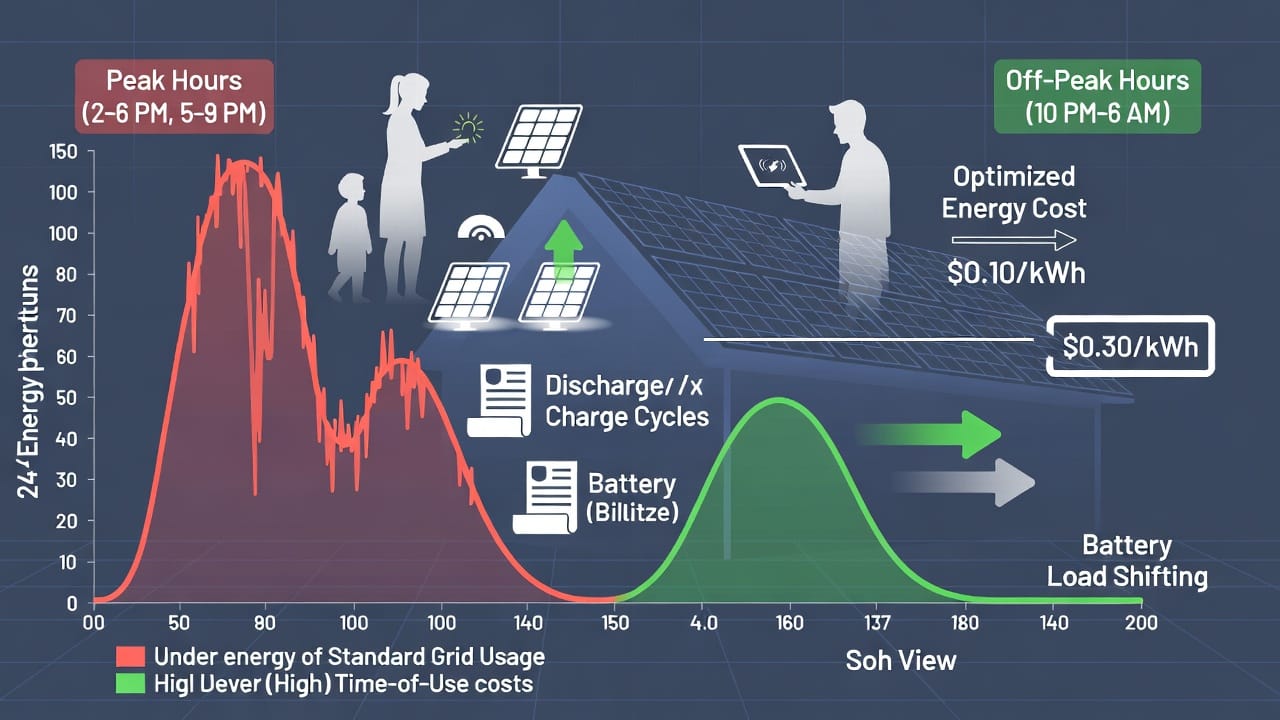
Beyond emergencies, solar battery systems excel in load shifting—a strategy to optimize energy use based on utility pricing. Many utilities employ TOU rates, charging more during peak hours (e.g., evenings) and less off-peak (e.g., midday or overnight).
Here's how load shifting works with batteries:
- Charging Strategy: Batteries charge during low-cost periods or when solar production is abundant.
- Discharge Timing: They release power during high-rate windows, reducing grid draw and avoiding premium charges.
- Net Savings: This can slash bills by 20-50%, depending on your location and usage patterns. For a household with $200 monthly bills, that's $480-$1,200 yearly.
Consider a typical scenario: Solar panels generate excess midday power, stored in the battery. Come evening, when rates spike and solar output drops, the battery powers your home—effectively "arbitraging" energy prices.
Utilities in states like California and Texas incentivize this through programs like net energy metering (NEM) or demand response credits. Pairing with smart home devices (e.g., EV chargers or appliances) amplifies efficiency, as software automates shifts.
Financially, the return on investment (ROI) is compelling. Initial costs ($10,000-$30,000 installed) are offset by savings, plus federal tax credits (up to 30% via the Investment Tax Credit) and state rebates. Over 10 years, ROI can exceed 100%, factoring in energy independence.
Types of Home Batteries: Choosing the Right Fit
Not all home energy storage options are equal. Key types include:
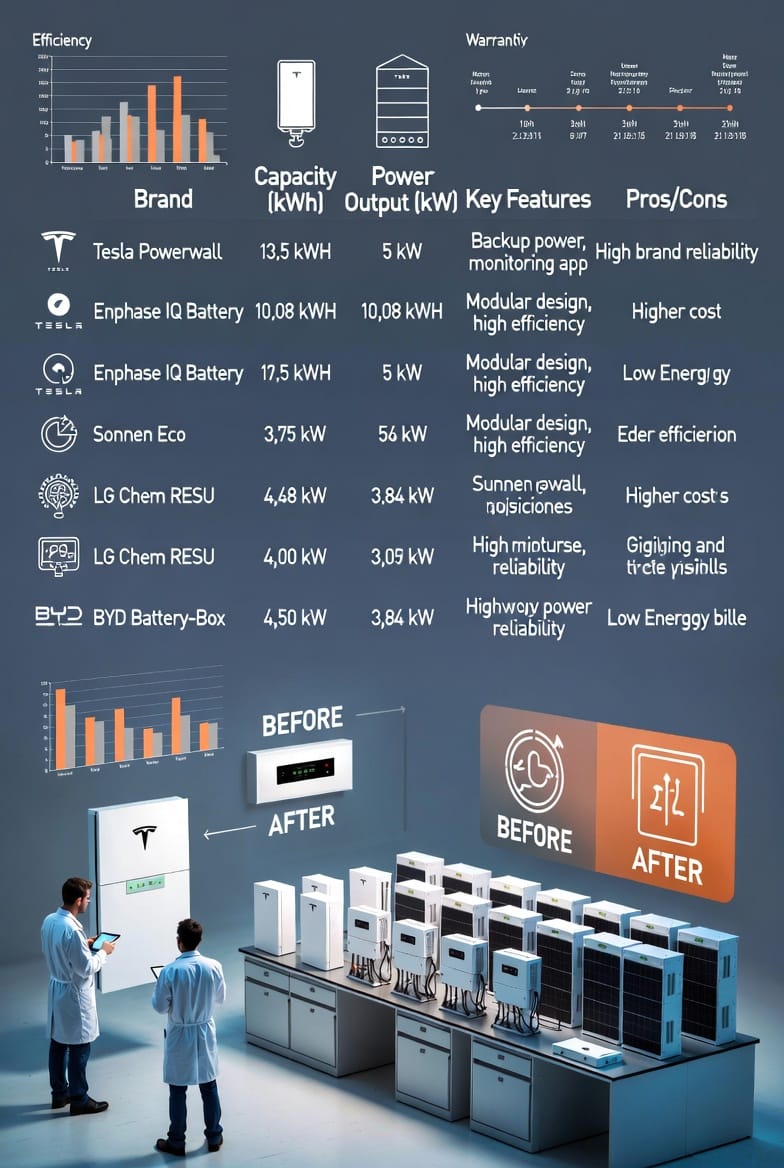
- Lithium-Ion (Li-Ion): Dominant choice for efficiency, depth of discharge (DoD up to 90%), and warranty (10+ years). Brands like Tesla and LG lead here.
- Lithium Iron Phosphate (LFP): A safer Li-Ion variant with longer cycles (up to 6,000) but slightly lower energy density.
- Lead-Acid: Affordable but bulky, with lower DoD (50%) and shorter lifespan (3-5 years)—better for occasional use.
- Saltwater or Flow Batteries: Eco-friendly, non-toxic alternatives for larger-scale storage, though pricier upfront.
Factors to weigh: Capacity (kWh) for stored energy, power output (kW) for simultaneous draw, and efficiency. Consult local installers for site-specific recommendations.
Installation and Maintenance: Practical Considerations
Installing a solar battery system is straightforward for certified professionals, typically taking 1-2 days. Steps include:
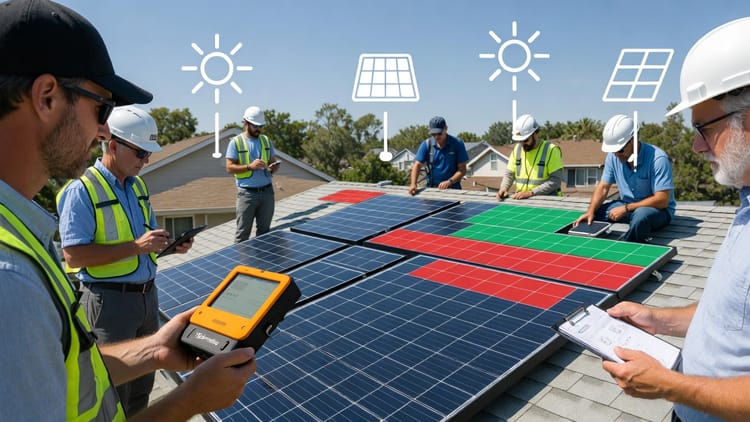
- Site Assessment: Evaluating your roof, electrical panel, and energy needs.
- Permitting and Integration: Ensuring compliance with codes and seamless solar/grid tie-in.
- Post-Install Monitoring: Apps track performance, alerting to issues.
Maintenance is minimal—annual inspections suffice. Batteries are warrantied against defects, and modular designs allow easy upgrades. Risks like improper wiring are mitigated by hiring NABCEP-certified installers.
Environmentally, these systems reduce carbon footprints by 50-80% versus grid-only reliance, aligning with sustainable living goals.
Cost Analysis and Incentives: The Financial Picture
Upfront, battery backup for home costs $7,000-$15,000 per unit, plus installation. Total for a solar-plus-storage setup: $20,000-$50,000 before incentives.
Break even in 5-10 years via:
- Savings on Bills: $500-$2,000 annually from load shifting and self-consumption.
- Incentives: Federal ITC (30%), state rebates (e.g., California's SGIP), and utility programs.
- Increased Home Value: Homes with solar storage sell 4-6% higher, per appraisals.
Long-term, factor in battery replacement (every 10-15 years) at reduced costs due to tech advancements. Tools like online calculators help model your ROI based on location and usage.
Potential Risks and Mitigation
While benefits abound, address risks authoritatively:
- Over-Reliance: Batteries aren't infinite; size appropriately to avoid depletion.
- Compatibility Issues: Ensure your inverter and panels match; hybrid inverters simplify this.
- Warranty and Support: Choose reputable brands with strong after-sales service.
By planning thoughtfully, these systems deliver peace of mind and tangible returns.
Future Trends in Home Energy Storage
Looking ahead, solar battery systems are evolving with AI optimization, vehicle-to-grid (V2G) integration for EVs, and community microgrids. Prices are dropping 10-15% yearly, making adoption widespread.
In summary, home energy storage transforms how we power our lives—offering resilience, savings, and sustainability. It's not about going off-grid; it's about smart, grid-enhanced living.
Take Control of Your Energy Future – Call Today for Free Advice