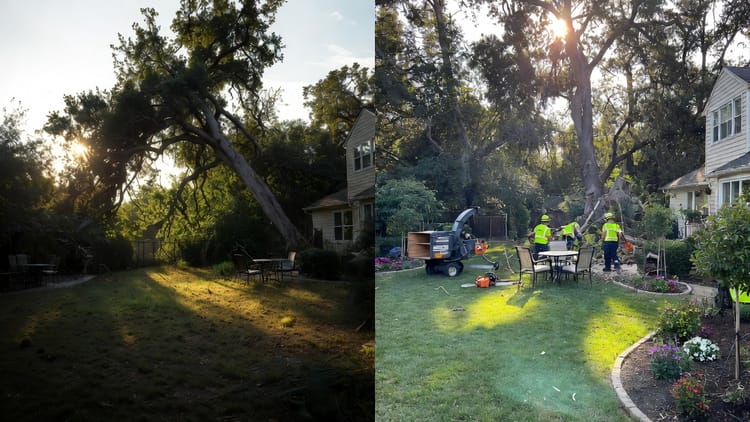
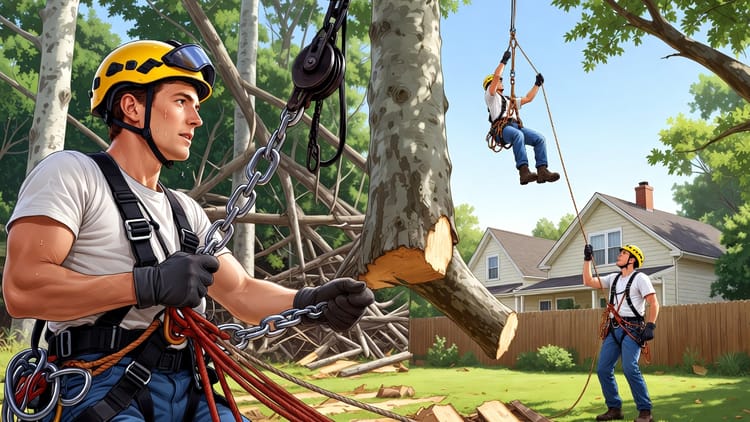
After the Tree Comes Down: Responsible Disposal, Recycling, and Honoring the Wood
When a tree must be removed from your property—whether due to disease, storm damage, or urban development—the story doesn't end with the final cut. Responsible tree disposal and recycling are crucial steps that honor the tree's legacy while minimizing environmental impact. In this comprehensive guide, we'll explore sustainable post-removal options, from on-site chipping to creative repurposing, and why choosing eco-friendly methods benefits both your yard and the planet. As experts in tree removal services, we emphasize that every tree has value beyond its standing form, and proper handling can turn potential waste into resources.
Recycle Your Tree Right – Call for Sustainable Disposal
Understanding the Post-Removal Process
Tree removal is often necessary for safety and landscape management, but what happens next? Traditionally, many homeowners opt for hauling debris to landfills, which contributes to methane emissions and resource loss. However, sustainable disposal methods offer a greener alternative. By focusing on recycling and reuse, you can reduce your carbon footprint, support local ecosystems, and even save money.
The process begins immediately after the tree is felled. Professional arborists assess the wood's quality, considering factors like species, size, and condition. Healthy hardwoods like oak or maple are ideal for lumber, while softer woods suit mulch or firewood. Diseased trees require careful handling to prevent pathogen spread, but even they can often be chipped safely on-site.
Key benefits of responsible disposal include:
- Environmental Protection: Recycling keeps organic matter out of landfills, where it would decompose anaerobically and release greenhouse gases.
- Resource Conservation: Reusing wood reduces the demand for new timber, preserving forests.
- Cost Efficiency: On-site processing minimizes transportation fees and can provide free materials like mulch for your garden.
- Community Support: Donating wood fosters local initiatives, from art projects to heating programs.
With an authoritative approach, rest assured that partnering with a certified tree service ensures compliance with local regulations and maximizes these advantages.
Sustainable Option 1: On-Site Chipping for Mulch
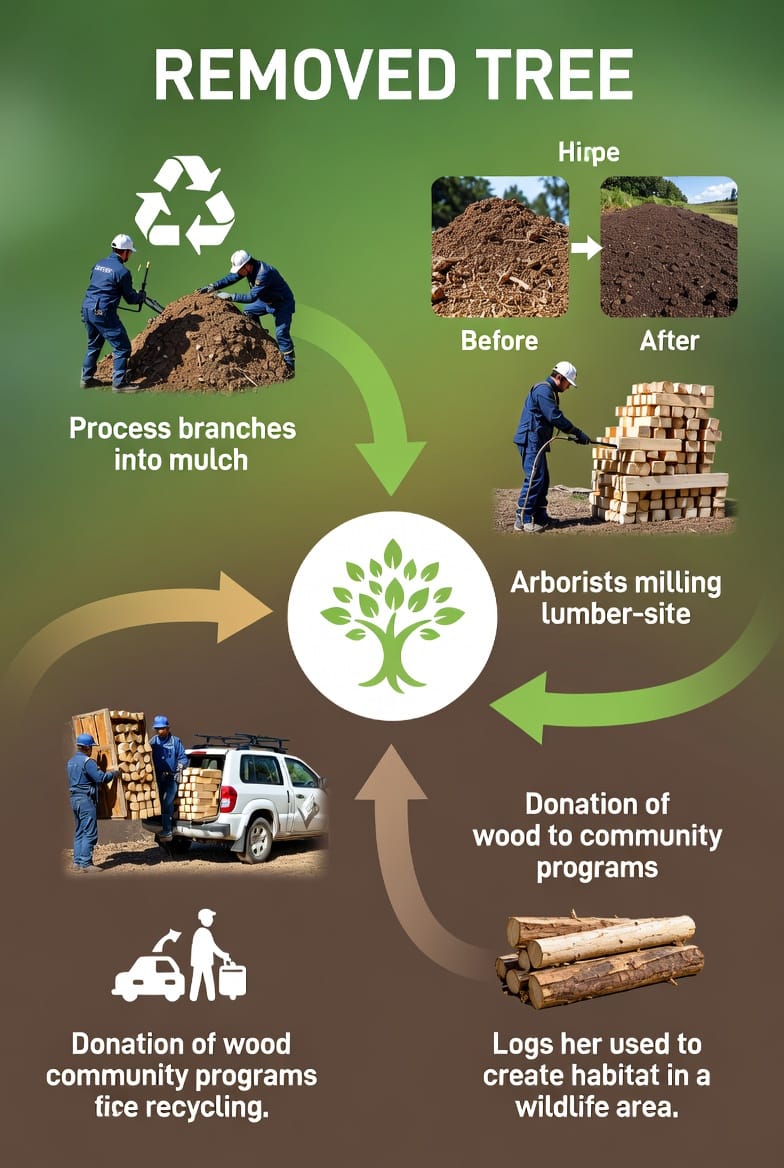
One of the most straightforward and eco-friendly methods is on-site chipping. Using specialized equipment, branches and smaller trunks are fed into a chipper, producing nutrient-rich mulch in minutes. This process is efficient, reducing the tree's volume by up to 90% and eliminating the need for off-site transport.
Mulch from your removed tree can be spread around your property to:
- Suppress weeds and retain soil moisture.
- Improve soil structure as it decomposes, adding organic matter.
- Prevent erosion on slopes or newly cleared areas.
- Enhance aesthetics with a natural, uniform ground cover.
Environmentally, this beats landfilling by a wide margin. Landfilled wood contributes to about 12% of municipal solid waste in the U.S., per EPA data, but chipped mulch returns nutrients to the earth, supporting biodiversity. For instance, native insects and fungi thrive in mulch layers, creating habitats that landfills destroy.
If the tree is large, professionals might separate chips by type—bark for decorative mulch and inner wood for finer applications. This tailored approach ensures maximum utility. Always consult your arborist about potential contaminants; urban trees may absorb pollutants, making mulch suitable only for non-edible gardens.
In practice, imagine a storm-damaged pine: Chipped on-site, it becomes mulch for your flower beds, turning a loss into landscape gold. This method is reassuringly simple yet profoundly impactful, aligning with circular economy principles where waste becomes input.
Sustainable Option 2: Milling Lumber for Personal Projects
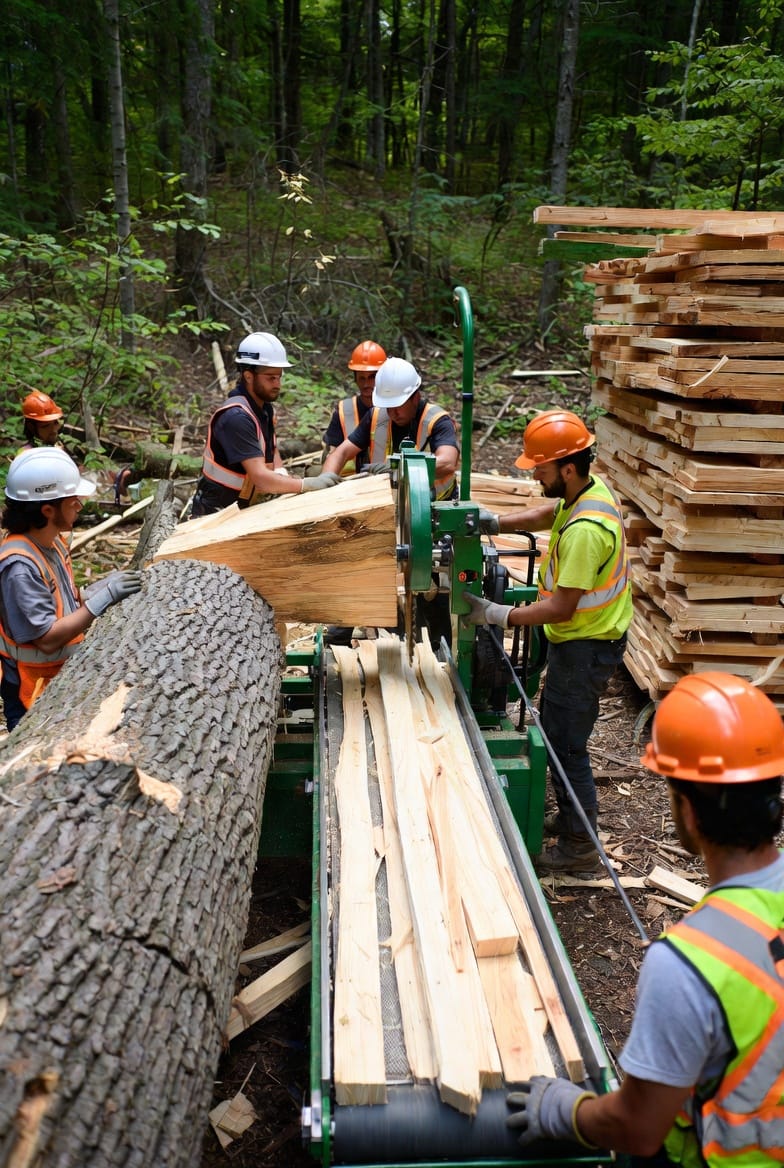
For trees with straight, defect-free trunks, milling into lumber opens a world of possibilities. Portable sawmills allow on-site conversion, where logs are sliced into boards, slabs, or beams. This honors the wood by preserving its natural beauty and strength for reuse.
Personal projects abound:
- Furniture Crafting: Turn oak into a rustic dining table or walnut into shelves.
- Home Improvements: Use beams for structural elements or flooring.
- Artistic Endeavors: Slabs with live edges make stunning wall art or countertops.
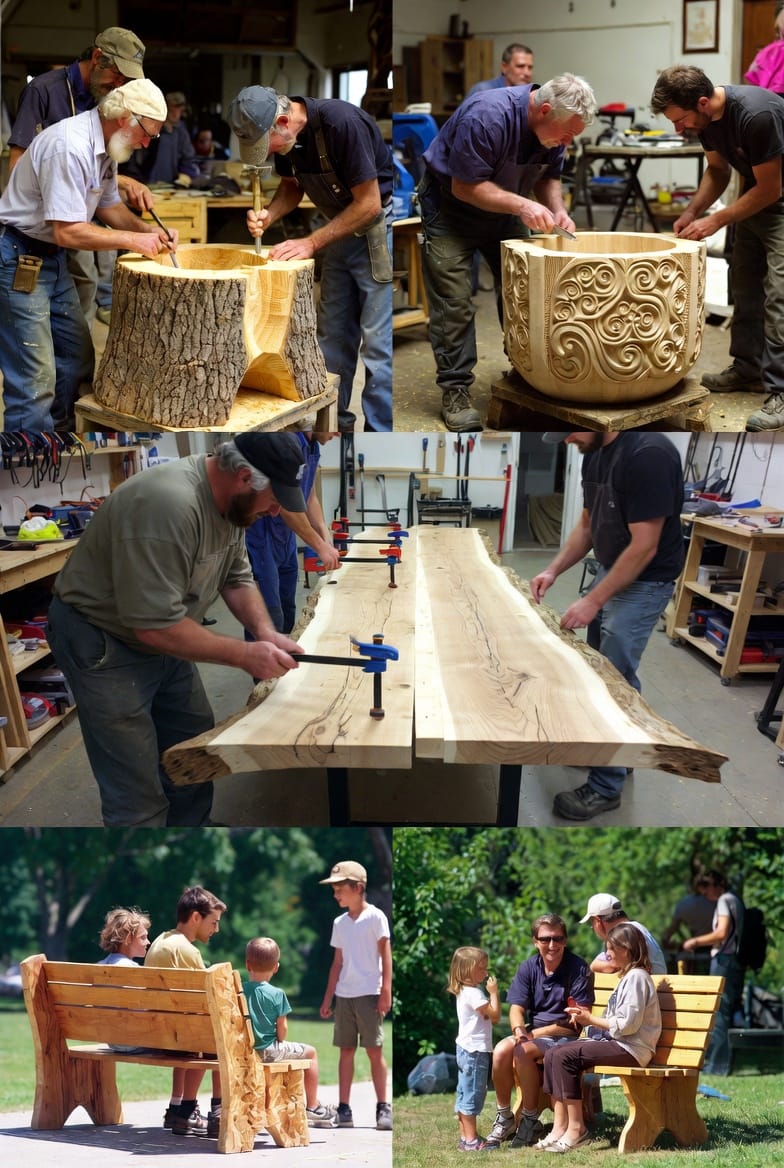
- Outdoor Features: Build benches, planters, or even treehouses from the very wood removed.
The environmental edge? Milling recycles carbon-sequestered wood, extending its lifecycle. A single mature tree can yield hundreds of board feet, offsetting the need for harvested virgin timber. Compared to landfilling, which wastes this resource and adds to deforestation pressures, milling promotes sustainability.
Professionals ensure safe milling, seasoning the wood to prevent warping. Kiln-drying or air-drying options depend on your timeline and intended use. For DIY enthusiasts, milled lumber from your tree adds sentimental value—it's not just wood; it's a piece of your property's history.
Rest assured, even if you're not handy, milled wood can be sold or donated, preventing waste. This option embodies honoring the wood, transforming removal into rebirth.
Sustainable Option 3: Donating Wood to Community Programs
Not all wood suits personal use, but donating to community programs ensures it benefits others. Many organizations accept logs, firewood, or chips for various purposes, fostering a sense of communal responsibility.
Common donation avenues:
- Firewood Programs: Non-profits distribute split wood to low-income families for heating, reducing reliance on fossil fuels.
- Habitat Restoration: Logs create wildlife shelters in parks or streams, supporting biodiversity.
- Art and Education: Schools or artists use wood for sculptures, instruments, or workshops.
- Composting Facilities: Chips enhance municipal composting, producing soil amendments.
The benefits extend beyond the environment. Donating diverts waste from landfills—estimated at 15 million tons of yard trimmings annually in the U.S.—and builds community ties. Environmentally, it prevents methane release and enriches soils naturally.
To donate, contact local arborist associations or use apps like Freecycle. Professionals can handle logistics, ensuring wood is disease-free and transportable. This option is particularly reassuring for urban dwellers with limited space, turning your tree's end into a gift for society.
Environmental Benefits: Recycling vs. Landfill
Diving deeper, let's compare recycling tree wood to landfilling. Landfills bury organic waste, leading to anaerobic decomposition and methane—a greenhouse gas 25 times more potent than CO2. In contrast, recycling aerates materials, allowing beneficial breakdown.
Quantifiable perks:
- Carbon Sequestration: Reused wood locks away carbon for decades, unlike landfilled decay.
- Soil Health: Mulch and compost improve fertility, reducing chemical fertilizer needs.
- Biodiversity Boost: Habitat logs provide homes for insects, birds, and fungi, essential for ecosystems.
- Resource Savings: Every ton recycled saves landfill space and raw materials.
Studies from the USDA Forest Service highlight that urban tree waste could supply significant biomass energy if recycled properly. By choosing recycling, you're part of a larger movement toward zero-waste landscapes.
Potential risks? Improper recycling, like spreading invasive species via mulch, but certified services mitigate this through inspections and treatments. Authoritatively, we advise: Always prioritize licensed professionals for safe, effective outcomes.
Creative Repurposing Ideas
Beyond basics, get inspired by innovative ways to honor removed trees. Stumps can become planters filled with vibrant flowers, blending nature's remnants with new life. Slabs transform into coffee tables, showcasing unique grain patterns. Carved benches from trunks offer seating with stories etched in wood.
These ideas not only recycle but add character to your space. For example, a hollowed log as a bird feeder attracts wildlife, or wood chips in pathways create permeable, eco-friendly surfaces.
Challenges and Solutions in Tree Wood Recycling
While rewarding, recycling isn't without hurdles. Large trees require heavy equipment, and urban areas may have disposal restrictions. Solutions include hiring services with on-site capabilities, ensuring minimal disruption.
Weather affects processing—wet wood chips poorly—but pros schedule accordingly. Cost concerns? Initial investments in milling pay off through material value.
Rest assured, advancements like mobile chippers and community networks make recycling accessible. By addressing these proactively, you contribute to sustainable urban forestry.
The Role of Professional Services
Choosing the right tree removal service is pivotal. Look for certifications like ISA (International Society of Arboriculture) and commitments to sustainability. They should offer comprehensive post-removal plans, from assessment to repurposing.
Discuss options upfront: Will they chip on-site? Mill if suitable? Facilitate donations? This ensures alignment with your eco-goals.
In conclusion, after the tree comes down, embrace responsible disposal, recycling, and honoring the wood. These practices not only mitigate environmental harm but celebrate the tree's contributions. Choose a removal service that values the tree's entire lifecycle.
Give Your Tree a Second Life – Free Eco Consultation