Winter's Worst Enemy: How Proper Gutter Systems and Roof Ventilation Prevent Ice Dams
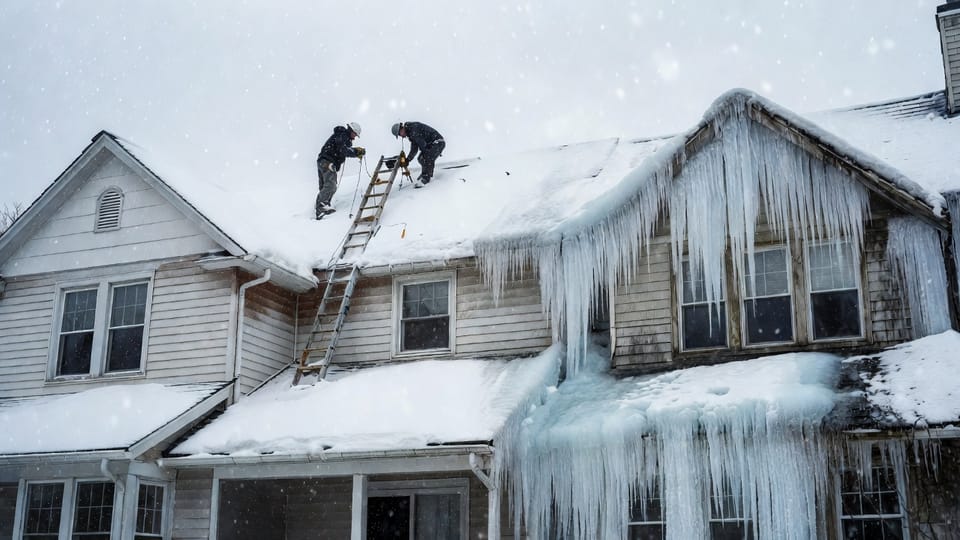
As winter blankets our neighborhoods in snow, homeowners face a silent threat that can lead to thousands in repair costs: ice dams. These frozen barriers form along roof edges, trapping meltwater and causing leaks, structural damage, and even interior flooding. But with the right approach, you can safeguard your home. In this comprehensive guide, we'll explore how proper gutter systems and roof ventilation team up to prevent ice dams, drawing on the physics of heat transfer and practical solutions. Rest assured, implementing these strategies isn't overwhelming—it's a smart investment in your home's longevity.
Get Seamless Gutters & Ventilation That Beat Ice Dams
Understanding Ice Dams: The Science Behind the Freeze
Ice dams aren't just a nuisance; they're a direct result of uneven roof temperatures. Let's break down the physics of ice dam formation step by step.
When snow accumulates on your roof, heat from your home rises through the attic and warms the roof deck. This causes the snow to melt from the bottom up. The resulting water trickles down to the colder eaves—where the roof overhangs beyond the heated living space. Here, with no warmth from below, the water refreezes into a solid ice dam.
This dam acts like a barrier, pooling more meltwater behind it. As pressure builds, water seeps under shingles, into the attic, and eventually through ceilings, damaging insulation, drywall, and even electrical systems. The cycle is exacerbated by poor insulation, allowing more heat loss, and inadequate ventilation, which traps warm air in the attic.
Key factors contributing to this issue include:
- Insufficient attic insulation: Allows excessive heat to escape from living areas.
- Poor roof ventilation: Fails to expel warm air, leading to temperature imbalances.
- Clogged or inefficient gutters: Prevent proper drainage, worsening refreezing at the edges.
By addressing these, you maintain a uniformly cold roof deck, stopping the melt-refreeze cycle before it starts. It's a reassuring truth: Science-backed prevention turns winter's worst enemy into a manageable concern.
The Role of Seamless Gutters in Ice Dam Defense
Seamless gutters are more than an aesthetic upgrade—they're a frontline defense against ice dams. Unlike sectional gutters with joints that leak and clog, seamless designs are custom-fitted to your home, ensuring smooth water flow even in freezing conditions.
How do they help? By efficiently channeling meltwater away from the roof edge, seamless gutters reduce the chance of refreezing. When combined with gutter guards or heated cables in extreme climates, they minimize buildup of leaves, debris, and ice.
Consider these benefits:
- Leak-proof construction: No seams mean fewer weak points for ice to exploit.
- Enhanced capacity: Wider profiles handle heavy snowmelt without overflow.
- Durability in cold weather: Materials like aluminum resist cracking under ice weight.
Homeowners often overlook gutters until damage occurs, but proactive installation by professionals ensures your system integrates seamlessly with your roof's overall design. This not only prevents ice dams but also extends your roof's lifespan, offering peace of mind through stormy seasons.
Roof Ventilation: Keeping Your Attic Cool and Balanced
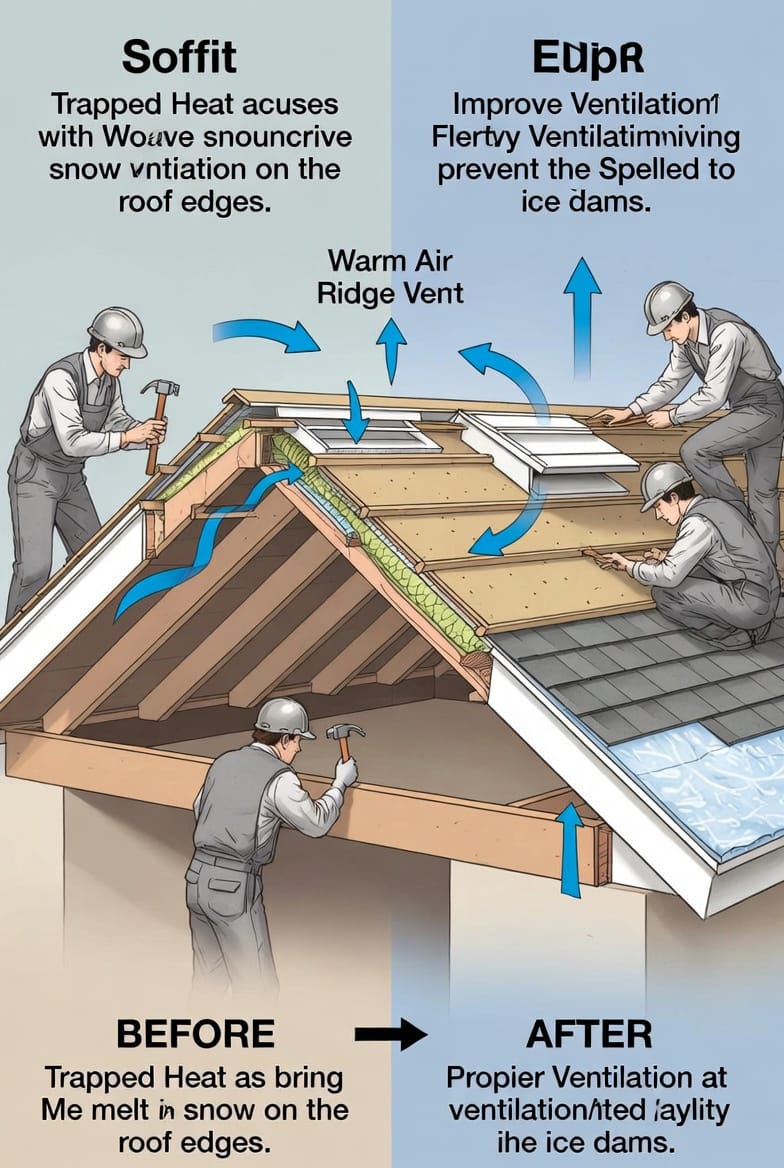
Ventilation is the unsung hero in ice dam prevention. Proper roof ventilation—through systems like soffit vents (intake at the eaves) and ridge vents (exhaust at the peak)—creates a natural airflow that expels warm, moist air from the attic.
This keeps the roof deck consistently cold, matching the outdoor temperature and preventing snowmelt. Without it, trapped heat accelerates the dam formation process.
Essential components include:
- Soffit vents: Allow cool air to enter from below the eaves.
- Ridge vents: Let warm air escape at the highest point.
- Balanced intake and exhaust: Ensures continuous circulation without dead zones.
In older homes, adding baffles or upgrading to powered vents can make a significant difference. Remember, ventilation works hand-in-hand with insulation to block heat transfer, creating a holistic barrier against winter woes.
Insulation: The Foundation of Temperature Control
No discussion of ice dam prevention is complete without addressing attic insulation. This layer acts as a thermal barrier, reducing heat loss from your home into the roof space.
Aim for at least R-38 insulation in most climates, using materials like fiberglass or cellulose. Gaps or thin spots allow heat to escape unevenly, pinpointing areas prone to melting.
Tips for optimal insulation:
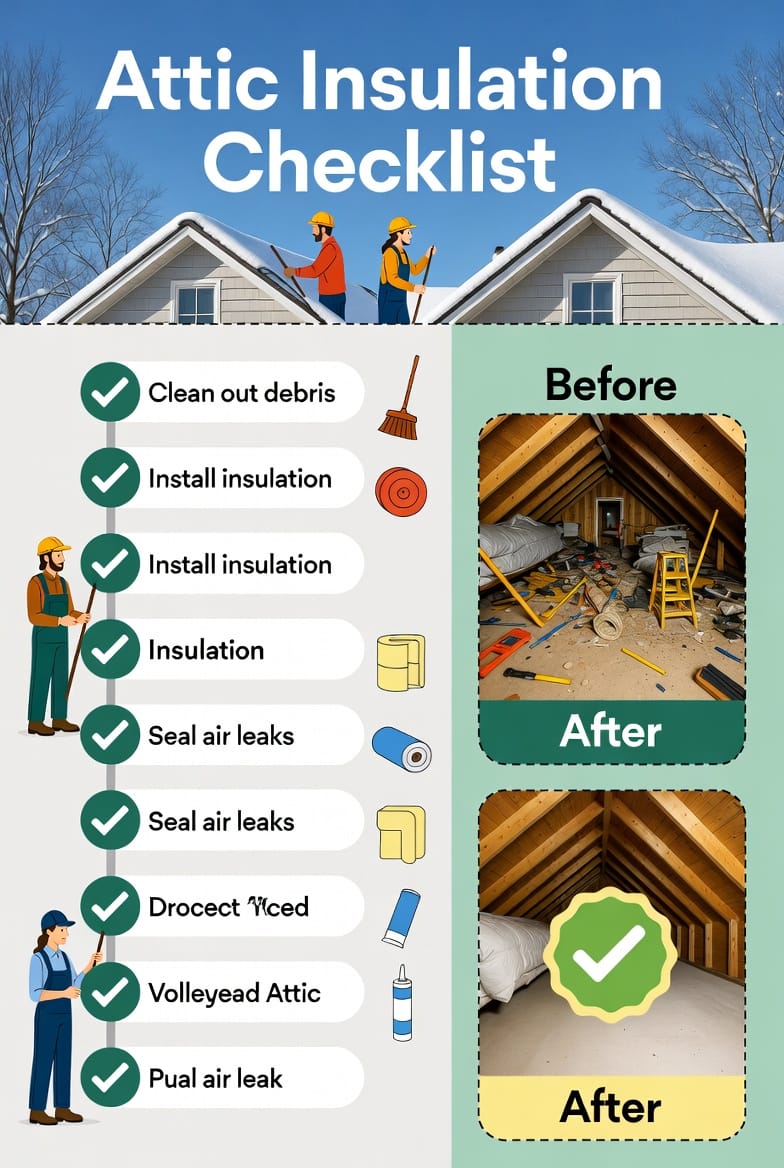
- Inspect for compression: Settled insulation loses effectiveness over time.
- Seal air leaks: Around chimneys, pipes, and recessed lights.
- Add insulation where needed: Especially in attics with low coverage.
By maintaining proper insulation, you support ventilation and gutters, forming a trifecta that keeps your roof uniformly cold and dam-free.
Integrating Gutters, Ventilation, and Insulation as a System
The true power lies in treating these elements as an interconnected system. Seamless gutters direct water away, roof ventilation expels heat, and insulation blocks it from rising—together, they disrupt the melt-refreeze cycle.
For instance, if ventilation fails, even the best gutters overflow with refrozen water. Conversely, poor gutters undermine ventilation by allowing ice to block airflow paths.
Professional assessments ensure compatibility:
- Evaluate your home's architecture for optimal vent placement.
- Customize gutter sizes based on roof pitch and local snowfall.
- Layer insulation to complement airflow without restricting it.
This systemic approach isn't just effective—it's cost-efficient, often paying for itself by averting repairs.
Common Myths and Misconceptions About Ice Dams
Dispelling myths empowers homeowners. One common belief is that ice dams only affect older homes—wrong; even new constructions with subpar insulation are vulnerable.
Another myth: Raking snow off the roof prevents dams. While helpful, it doesn't address root causes like heat loss.
Finally, some think heated cables alone suffice. They're a band-aid; without ventilation and insulation, they merely shift the problem.
Stick to proven methods for lasting protection.
Preparing Your Home: A Step-by-Step Guide
Ready to act? Follow this practical guide to winterize your gutter and roof system.
- Inspect Gutters: Clear debris, check for sags, and ensure downspouts direct water away from foundations.
- Assess Ventilation: Verify soffit and ridge vents are unobstructed; add if necessary.
- Boost Insulation: Measure attic depth and supplement as needed.
- Seal Leaks: Use caulk or foam around potential heat escape points.
- Install Guards: On gutters to prevent clogs from leaves or ice.
- Schedule Professional Help: For complex installations or audits.
These steps, taken early, transform vulnerability into resilience.
The Cost of Inaction: Real Risks and Repair Expenses
Ignoring ice dams invites serious consequences. Water intrusion can lead to mold growth, compromising indoor air quality. Structural weakening from repeated freezing expands cracks in roofing materials.
Repair costs? Minor leaks might run $500–$1,000, but extensive damage—replacing shingles, insulation, and drywall—can exceed $10,000. In severe cases, roof collapses under ice weight pose safety hazards.
Fortunately, prevention is far cheaper. A gutter upgrade averages $1,000–$2,000, ventilation improvements $500–$1,500, and insulation top-ups under $1,000. These investments yield dividends in avoided disasters.
Case Studies: Success Stories from Real Homes
Take the Johnson family in Minnesota: Plagued by annual leaks, they installed seamless gutters and ridge vents. Result? No dams for three winters, saving $5,000 in repairs.
Or the Smiths in New York: Adding attic insulation and soffit vents eliminated uneven melting, preserving their historic home's integrity.
These examples highlight how tailored systems deliver reliable outcomes.
Eco-Friendly Benefits of Proper Systems
Beyond protection, efficient ventilation and insulation reduce energy use, lowering heating bills by up to 20%. Seamless gutters minimize water waste by directing it properly.
Choosing sustainable materials—like recycled aluminum gutters—further enhances environmental impact, aligning home care with green living.
When to Call the Pros: Signs You Need Help
Don't wait for disaster. Watch for:
- Icicles forming despite moderate weather.
- Water stains on ceilings or walls.
- Uneven snow melt on the roof.
- Drafty attics or high energy bills.
Professional inspections catch issues early, ensuring your system is winter-ready.
Future-Proofing Your Home Against Changing Climates
With winters becoming more unpredictable due to climate shifts, robust systems are essential. Invest in durable, adaptable designs that handle heavier snowfalls or rapid thaws.
Regular maintenance—annual checks—keeps everything performing optimally.
In conclusion, ice dams are preventable with the right knowledge and actions. By prioritizing seamless gutters, roof ventilation, and insulation, you create a cold, balanced roof that defies winter's challenges. This isn't just maintenance—it's empowerment for a secure, comfortable home.
Pre-Winter Gutter & Ventilation Check – Call Today!