Window Replacement 101: Understanding Energy Ratings, Frame Materials, and Professional Installation

When it comes to enhancing your home's energy efficiency, comfort, and overall value, few upgrades rival a well-planned window replacement. In today's climate-conscious world, homeowners are increasingly prioritizing windows that not only look great but also perform exceptionally in terms of insulation and durability. This comprehensive guide dives deep into the essentials of window energy ratings, compares popular frame materials, and underscores the vital role of professional installation. Whether you're battling rising utility bills or simply seeking a more comfortable living space, understanding these elements empowers you to make informed decisions. Rest assured, with the right knowledge, you can achieve lasting results that stand the test of time.
Energy-Efficient Windows Start Here – Request Your Consultation
Decoding Energy Ratings: The Key to Efficient Windows
Energy ratings serve as the blueprint for a window's performance, helping you select options that minimize heat loss and maximize natural light. These metrics, often displayed on performance labels, provide objective data to compare products. Let's break down the core terms in simple, actionable ways.
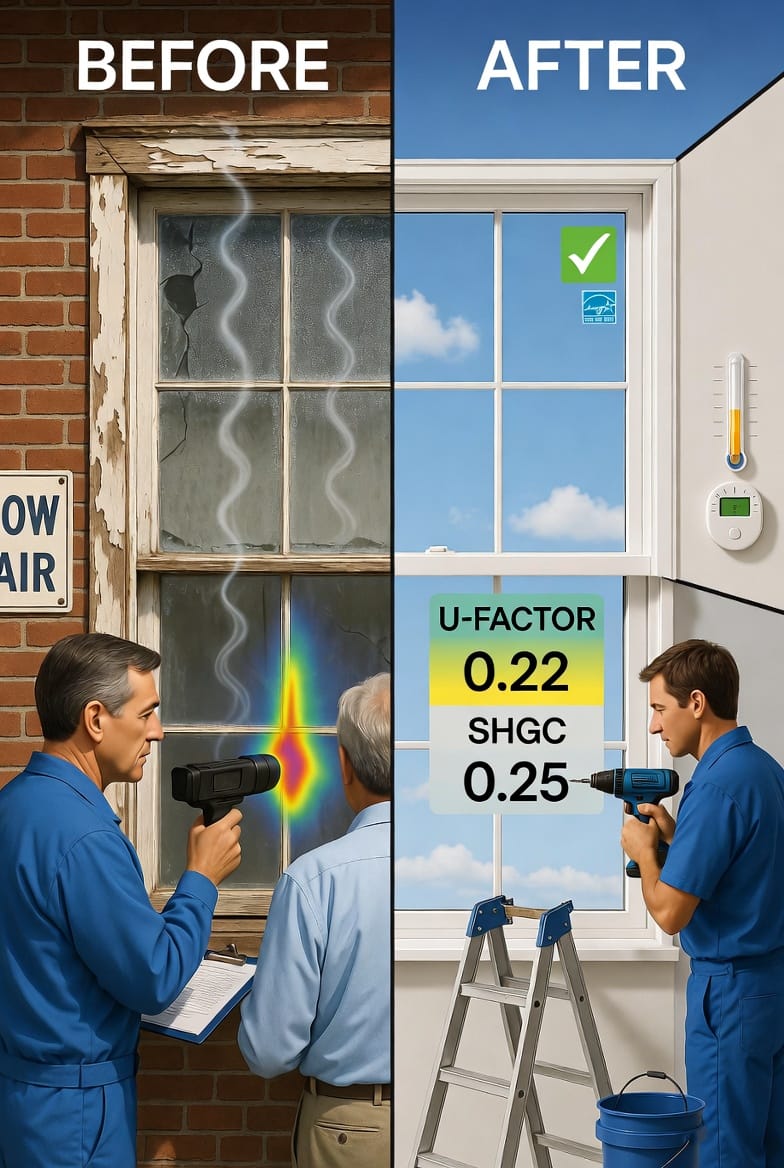
U-Factor measures how well a window insulates against heat transfer. Think of it as the rate at which heat escapes through the window—the lower the U-Factor (typically ranging from 0.20 to 1.20), the better the insulation. For instance, in colder climates, a low U-Factor prevents warm indoor air from leaking out, reducing your heating costs by up to 30%. Original explanation: Imagine your window as a barrier; a high U-Factor is like a thin blanket on a winter night, while a low one acts as a thick, multi-layered comforter, trapping warmth effectively.
Next, Solar Heat Gain Coefficient (SHGC) indicates how much solar radiation passes through the window, contributing to indoor heat. Values range from 0 to 1, where lower numbers block more heat—ideal for hot, sunny regions to keep cooling bills in check. In moderate climates, a balanced SHGC (around 0.30-0.60) allows beneficial winter sun while shading summer rays. To visualize, SHGC is akin to a window's "sunscreen factor": high SHGC lets in more heat like untinted glass, potentially overheating rooms, whereas low SHGC filters it out, maintaining a cooler interior without over-relying on air conditioning.
Air Leakage quantifies how much air infiltrates through the window's seals and frames, rated in cubic feet per minute per square foot (cfm/ft²). Aim for ratings below 0.3 cfm/ft² for optimal performance; higher values signal drafts that undermine efficiency. This metric is crucial because even the best-insulated window fails if air sneaks in, leading to uneven temperatures and higher energy use. Practically, low air leakage ensures your home feels consistently comfortable, free from those annoying cold spots near windows during windy days.
Don't overlook Visible Transmittance (VT), which measures how much natural light enters, expressed as a percentage (0-100%). Higher VT means brighter rooms without artificial lighting, enhancing mood and reducing electricity needs. For example, a VT of 50% or above balances light with energy control, making spaces feel open and inviting. Together, these ratings form a holistic view: prioritize low U-Factor and air leakage for insulation, adjust SHGC based on your location, and ensure high VT for livability.
By focusing on these ratings, you're not just buying windows—you're investing in a more sustainable home. Homeowners often see a return on investment through lower bills and increased property value, with energy-efficient models qualifying for potential rebates in many areas.
Comparing Frame Materials: Choosing the Right Fit for Your Home
Selecting the appropriate frame material is pivotal in window replacement, as it influences durability, maintenance, aesthetics, and energy efficiency. Each option has unique strengths, tailored to different budgets, climates, and styles. Here's an in-depth comparison to guide your choice.
- Vinyl Frames: Affordable and low-maintenance, vinyl (PVC-based) frames excel in energy efficiency due to their natural insulating properties. They resist moisture, rot, and insects, making them ideal for humid or coastal areas. With U-Factors often below 0.30, vinyl minimizes heat transfer without needing paint or stain. Drawbacks include limited color options (though modern finishes mimic wood) and potential warping in extreme heat. For budget-conscious homeowners, vinyl offers a reassuring entry point into efficiency, lasting 20-40 years with minimal upkeep.
- Wood Frames: Timeless and customizable, wood provides excellent thermal insulation and a warm, natural look that enhances traditional homes. Naturally resistant to heat flow, wood frames can achieve low U-Factors when clad with aluminum exteriors for weather protection. They're paintable, allowing endless design flexibility. However, they require regular maintenance to prevent rot, swelling, or insect damage, especially in wet climates. Despite higher upfront costs, wood's aesthetic appeal and superior soundproofing make it a premium choice, with lifespans exceeding 30 years when properly cared for.
- Fiberglass Frames: Engineered for strength, fiberglass combines durability with top-tier energy performance. These frames handle extreme temperatures without expanding or contracting, maintaining tight seals for low air leakage. With U-Factors as low as 0.25, they're energy stars in both hot and cold regions. Fiberglass is low-maintenance, resistant to fading, and can be painted for customization. While more expensive than vinyl, their longevity (up to 50 years) and minimal thermal bridging justify the investment, offering authoritative reliability for modern, high-performance homes.
- Composite Frames: A hybrid of wood fibers and resins, composites blend the best of wood's warmth with vinyl-like durability. They provide strong insulation, resisting moisture and decay better than pure wood. Energy-wise, they match fiberglass in low U-Factors and SHGC control, with added benefits like recyclability for eco-friendly appeal. Composites are versatile, available in various finishes, and require little maintenance. Slightly pricier than vinyl but more affordable than fiberglass, they're a balanced option for those seeking sustainability without sacrificing style, enduring 30-50 years.
When comparing, consider your local climate: vinyl and composites suit variable weather, while fiberglass thrives in extremes, and wood shines in milder, dry areas. Factor in your home's architecture—vinyl for contemporary minimalism, wood for classic charm. Ultimately, the right material aligns with your efficiency goals, ensuring windows that perform year-round without constant repairs.
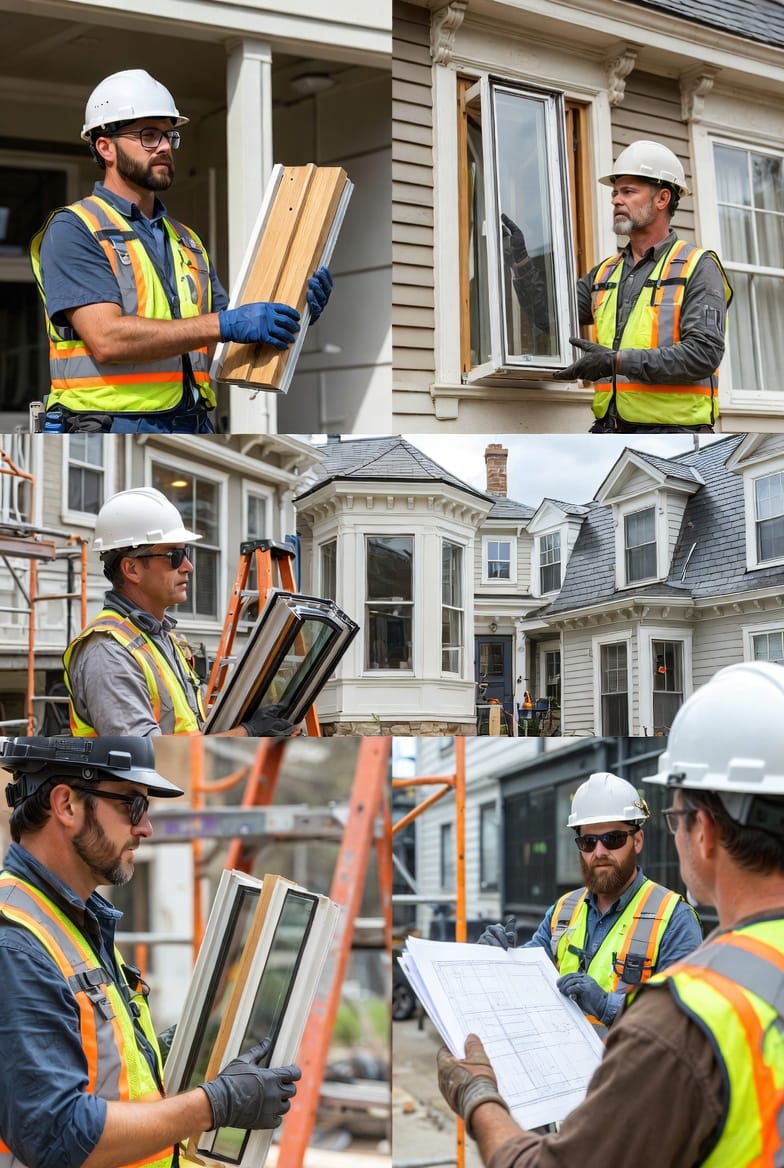
Why Proper Installation is Critical: Avoiding Common Pitfalls
Even the highest-rated windows underperform without professional installation. This step isn't just about fitting frames—it's about creating an airtight, secure system that maximizes energy savings and longevity. Improper setup can lead to air leaks, water intrusion, and structural issues, negating your investment.
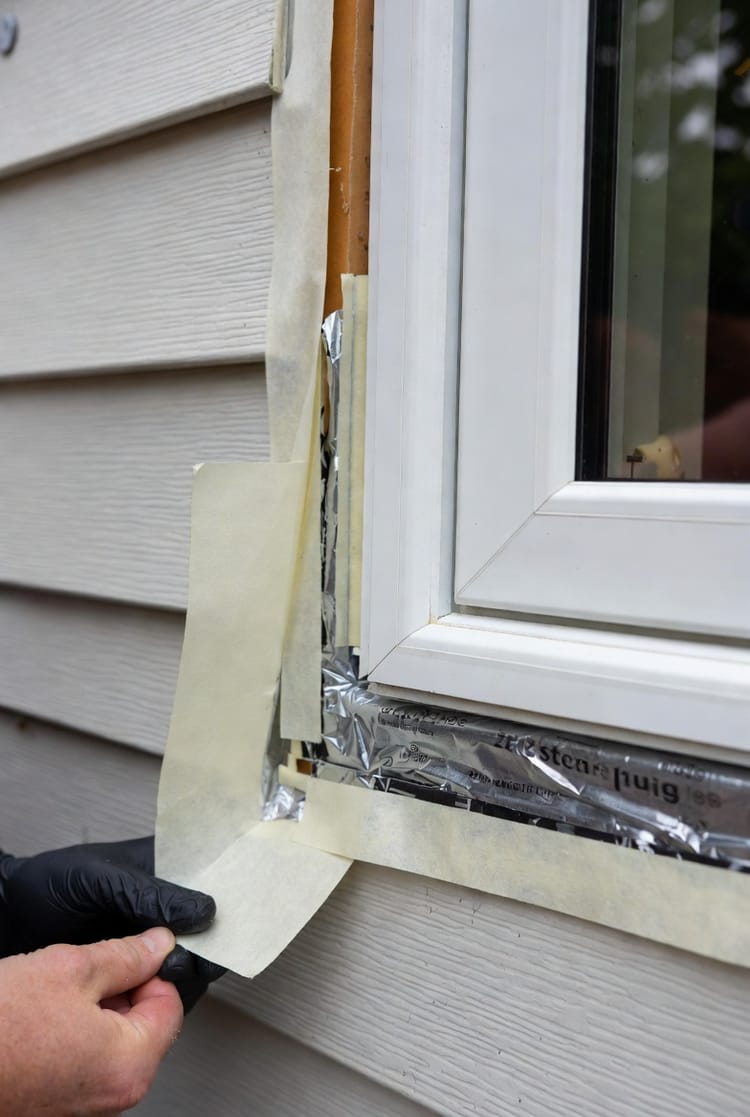
First, professionals ensure precise measurements and leveling, preventing gaps that cause drafts. They use specialized sealants and flashing to block moisture, which could otherwise lead to mold or frame damage. In energy terms, poor installation spikes U-Factor and air leakage, increasing bills by 10-25%. Authoritatively, certified installers follow best practices, like insulating around frames with foam to enhance thermal barriers.
Moreover, they address site-specific challenges, such as uneven walls or old framing, using shims and reinforcements for stability. This minimizes risks like glass breakage or operational failures (e.g., windows that won't open smoothly). For multi-story homes or large panes, safety is paramount—pros have the equipment and expertise to handle heavy loads without accidents.
Long-term, proper installation extends warranties and boosts resale value, as buyers seek homes with documented efficiency upgrades. It's reassuring to know that with experts, your windows will deliver consistent performance, from reducing noise pollution to improving indoor air quality by sealing out pollutants.
In essence, skimping on installation is a false economy. Invest in pros for peace of mind and optimal results.
Maximizing Your Window Replacement Benefits
Beyond ratings and materials, consider integrating features like low-E coatings, which reflect heat while allowing light, or argon gas fills for added insulation. These enhancements amplify efficiency, potentially cutting energy use by 20-40%. Regular maintenance, like cleaning tracks and checking seals, preserves performance.
For homeowners, the payoff is multifaceted: lower costs, enhanced comfort, and environmental impact reduction. Studies show efficient windows can decrease carbon footprints significantly, aligning with green living trends.
Conclusion: Take the Next Step Toward Efficiency
Window replacement is a smart, transformative upgrade that pays dividends in comfort and savings. By mastering energy ratings like U-Factor, SHGC, air leakage, and VT, selecting ideal frame materials from vinyl to composites, and insisting on professional installation, you're set for success. Don't let outdated windows drain your wallet or diminish your home's appeal.
- Transform Drafty Windows into Efficiency Champions – Call Now