When and Why to Consider Professional Tree Removal: A Safety and Property Guide
Trees are invaluable assets to any property, providing shade, beauty, and environmental benefits. However, there comes a time when professional tree removal becomes essential to protect your home, family, and surroundings. As a homeowner, recognizing the signs and understanding the process can prevent costly damages and ensure safety. In this guide, we'll explore the key reasons to consider tree removal, the professional approach, and viable alternatives—all with a focus on safety first. Rest assured, with expert intervention, you can maintain a secure and thriving landscape.
Protect Your Home & Family – Call Certified Arborists Now
Understanding the Need for Tree Removal
Not every tree requires removal, but certain conditions make it unavoidable. Ignoring these can lead to property damage, personal injury, or even legal liabilities. Let's delve into the primary reasons why professional intervention is crucial.
Disease and Decay: Silent Threats to Stability
Trees afflicted with disease often weaken from the inside out, compromising their structural integrity. Common issues include fungal infections, bacterial blights, or pest infestations that cause rot. A diseased tree might appear healthy at first glance, but internal decay can lead to sudden limb failure or complete collapse.
- Visual Indicators: Look for discolored bark, oozing sap, or unusual leaf patterns. If left unchecked, these can spread to nearby healthy trees.
- Risks Involved: A weakened tree poses dangers during high winds or heavy rain, potentially falling on vehicles, roofs, or power lines.
- Why Professional Help?: DIY assessments are risky; experts use tools like resistographs to measure internal decay accurately.
By addressing disease early through professional tree removal, you safeguard your property and promote a healthier ecosystem.
Storm Damage: Immediate Action Required
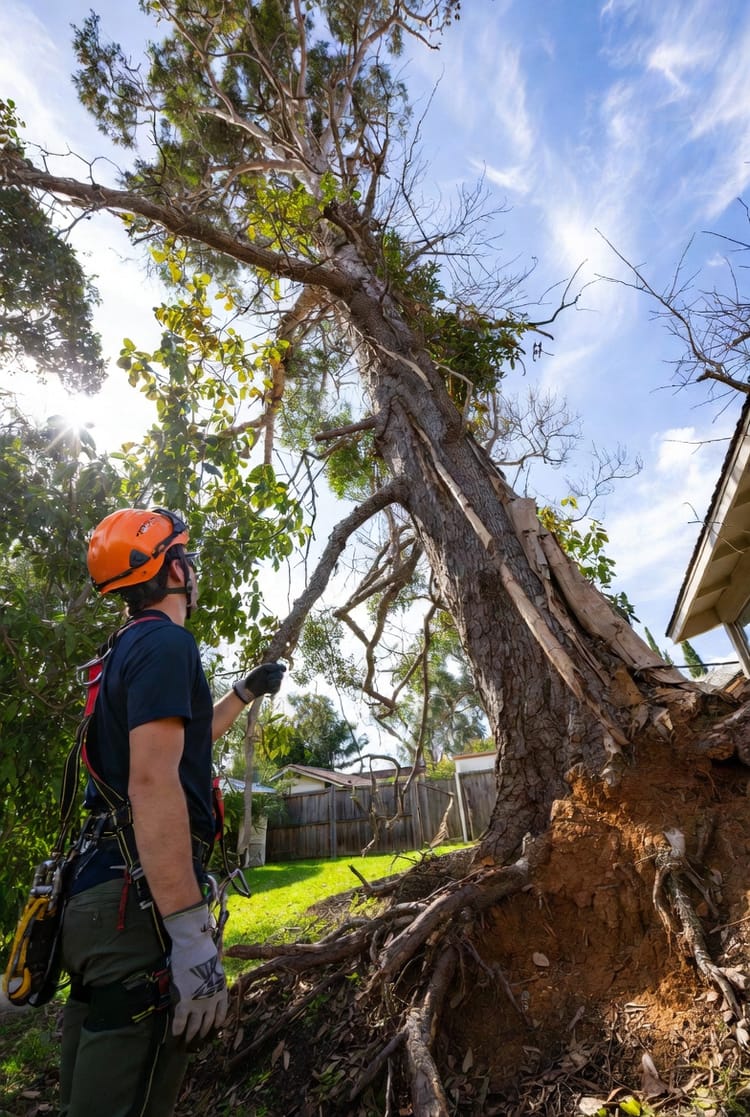
Severe weather events, such as thunderstorms or hurricanes, can inflict significant harm on trees. Storm damage often results in broken branches, uprooted roots, or split trunks, turning a once-sturdy tree into a hazard.
- Common Aftermath: Hanging limbs (known as "widow makers") or partially uprooted trees that lean precariously.
- Hidden Dangers: Even if the tree survives the storm, compromised roots may cause it to topple later, leading to unexpected accidents.
- Proactive Measures: Post-storm inspections by certified professionals can identify irreparable damage, preventing secondary incidents.
Remember, storms don't discriminate—acting swiftly with expert removal minimizes risks and restores peace of mind.
Proximity to Structures: Preventing Long-Term Issues
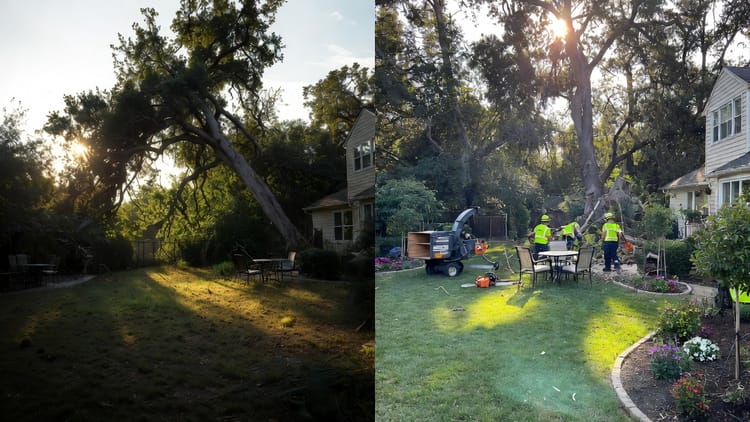
Trees growing too close to homes, garages, or utility lines create ongoing concerns. Proximity to structures can lead to root invasion of foundations, branch abrasion on roofs, or interference with electrical wires.
- Growth Patterns: Over time, expanding roots may crack driveways or lift sidewalks, while overhanging limbs invite pests into your home.
- Safety Implications: During ice storms, weighted branches can snap, causing extensive damage.
- Strategic Removal: Professionals evaluate the tree's trajectory and recommend removal if relocation or pruning isn't feasible.
Opting for professional tree removal in these scenarios protects your investment and enhances curb appeal.
Identifying Hazardous Trees: Key Signs to Watch For
Before deciding on removal, it's vital to spot warning signs. While some are obvious, others require a trained eye. Here's how to assess potential hazards responsibly.
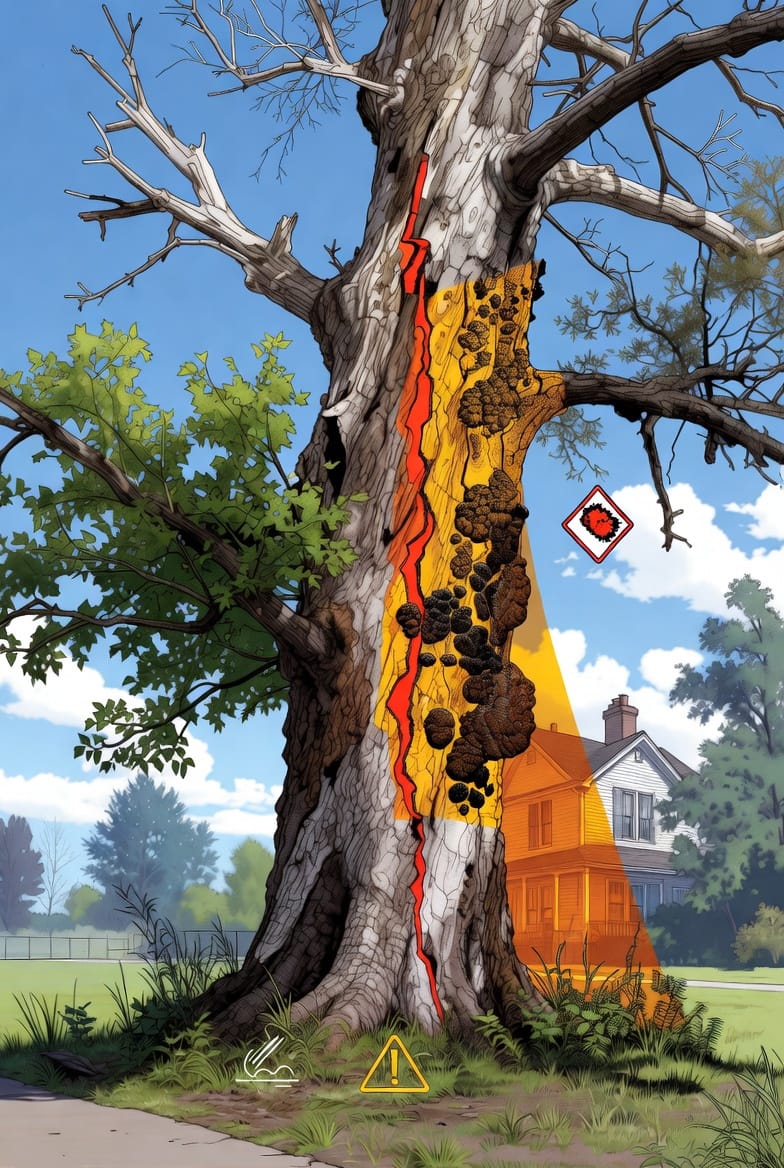
- Deep Cracks or Splits: These indicate structural weakness, often from wind stress or age.
- Fungal Growth: Mushrooms or conks on the trunk signal internal rot, reducing the tree's stability.
- Significant Lean: A sudden tilt suggests root failure; measure against a plumb line for accuracy.
- Dead Upper Branches: Known as "crown dieback," this points to nutrient issues or disease progression.
If you notice these, avoid self-diagnosis—consult a professional to confirm and plan safe removal.
The Professional Tree Removal Process: Step-by-Step
Hiring experts ensures the job is done efficiently and safely. The process is methodical, prioritizing safety protocols and environmental considerations.
Initial Assessment
A certified arborist conducts a thorough site evaluation, assessing the tree's health, location, and risks. They use specialized equipment to determine if removal is necessary.
Planning and Permits
Depending on local regulations, permits may be required. Professionals handle this, mapping out the removal strategy to avoid damage to nearby assets.
Execution with Precision
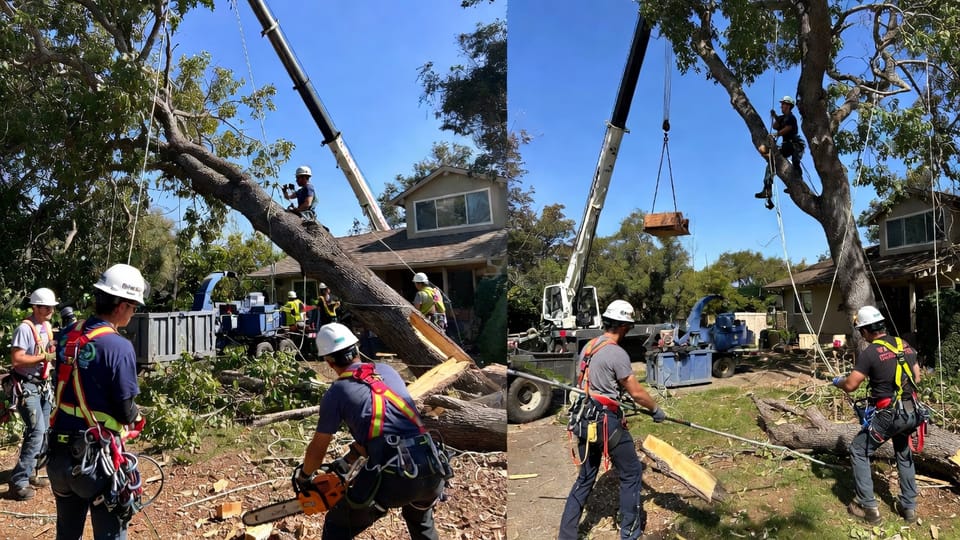
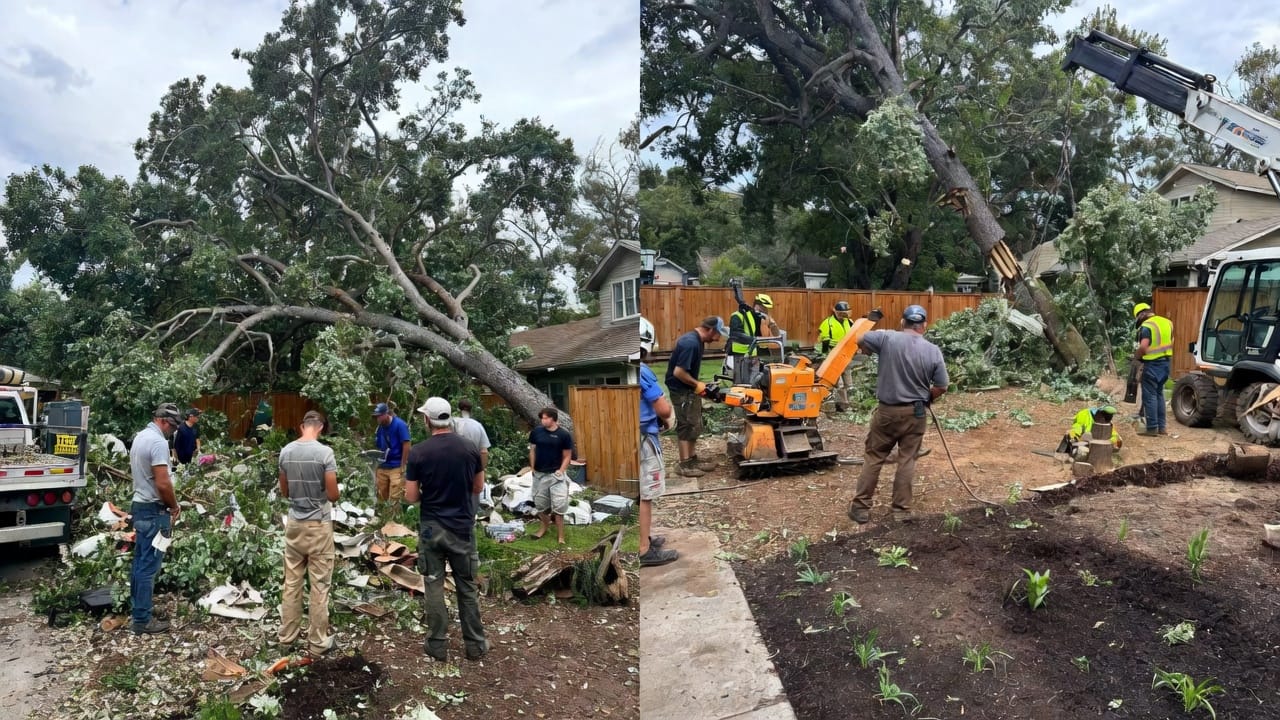
- Safety Gear and Tools: Workers don harnesses, helmets, and use chainsaws, cranes, or bucket trucks.
- Sectional Dismantling: For confined spaces, trees are cut in sections from top to bottom, lowered via ropes.
- Stump Grinding: Post-removal, stumps are ground down to prevent regrowth and tripping hazards.
Cleanup and Restoration
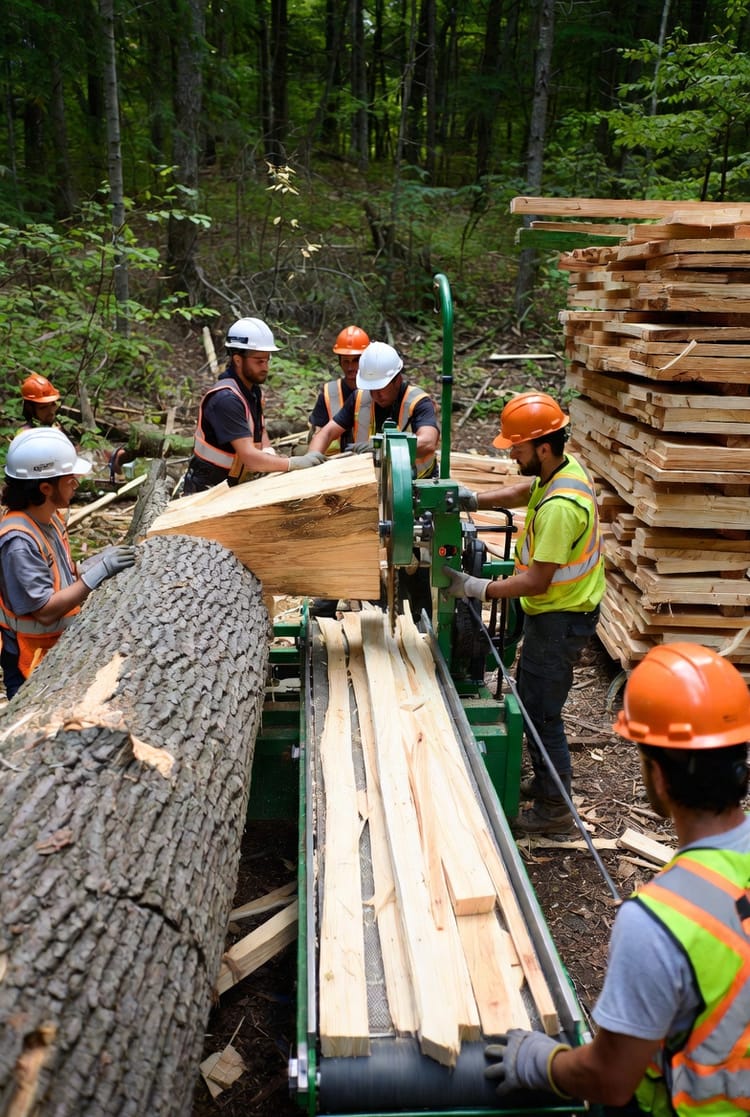
The site is cleared of debris, with wood chips often repurposed as mulch. This leaves your yard pristine and ready for replanting.
Throughout, emphasis is on minimizing risks, such as cordoning off the area and using spotters.
Alternatives to Full Tree Removal
Removal isn't always the only option. Explore these alternatives to preserve your trees where possible.
Pruning and Trimming
Regular pruning removes dead or diseased branches, improving health and reducing hazards without full extraction.
- Benefits: Enhances shape, promotes growth, and prevents overcrowding.
- When to Choose: For minor issues like overhanging limbs.
Cabling and Bracing
Structural supports like cables or braces stabilize weak trees, extending their lifespan.
- Applications: Ideal for multi-trunk trees or those with co-dominant stems.
- Limitations: Not suitable for severely compromised specimens.
Relocation or Treatment
In some cases, transplanting young trees or applying fungicides can resolve problems.
- Success Factors: Depends on tree size, species, and soil conditions.
- Professional Advice: Always seek expert evaluation to determine viability.
These methods underscore that professional tree removal is a last resort, but when needed, it's the safest choice.
Emphasizing Safety in Tree Removal
Safety is paramount in any tree-related work. Amateur attempts often lead to injuries from falls, equipment mishandling, or unpredictable tree behavior.
- Common Hazards: Chain saw kickback, falling branches, or electrical contact.
- Professional Standards: Certified teams follow OSHA guidelines, using personal protective equipment and risk assessments.
- Homeowner Role: Stay clear of the work zone and secure pets/children indoors.
By choosing professionals, you eliminate these dangers, ensuring a smooth, incident-free process.
The Role of Insurance in Tree Removal
Don't overlook insurance coverage when planning tree removal. Most homeowner policies cover damage from fallen trees, but preventive removal may not be reimbursed unless imminent risk is documented.
- Policy Check: Review your coverage for acts of nature versus negligence.
- Documentation: Professional assessments provide reports that strengthen claims.
- Liability Protection: If a tree falls on a neighbor's property, insurance mitigates disputes.
Consult your insurer early to align removal with potential reimbursements, adding financial reassurance.
Long-Term Property Benefits of Tree Removal
Beyond immediate safety, removing hazardous trees opens opportunities for property enhancement.
- Improved Aesthetics: Create space for gardens, patios, or new plantings.
- Increased Value: A well-maintained yard boosts curb appeal and market worth.
- Environmental Balance: Replace removed trees with native species for biodiversity.
With expert guidance, tree removal becomes a positive step toward a safer, more beautiful home.
Conclusion: Prioritize Safety and Expertise
Trees enhance our lives, but when they pose risks due to disease, storm damage, or poor placement, professional tree removal is the responsible choice. By understanding the signs, process, and alternatives, you can make informed decisions that protect your property and loved ones. Emphasize safety through certified professionals, and consider insurance implications for added peace.
Prevent Damage & Injury – Call Professional Tree Removal Today