Upgrading Your Home's Electrical System for Safety, Capacity, and the Future
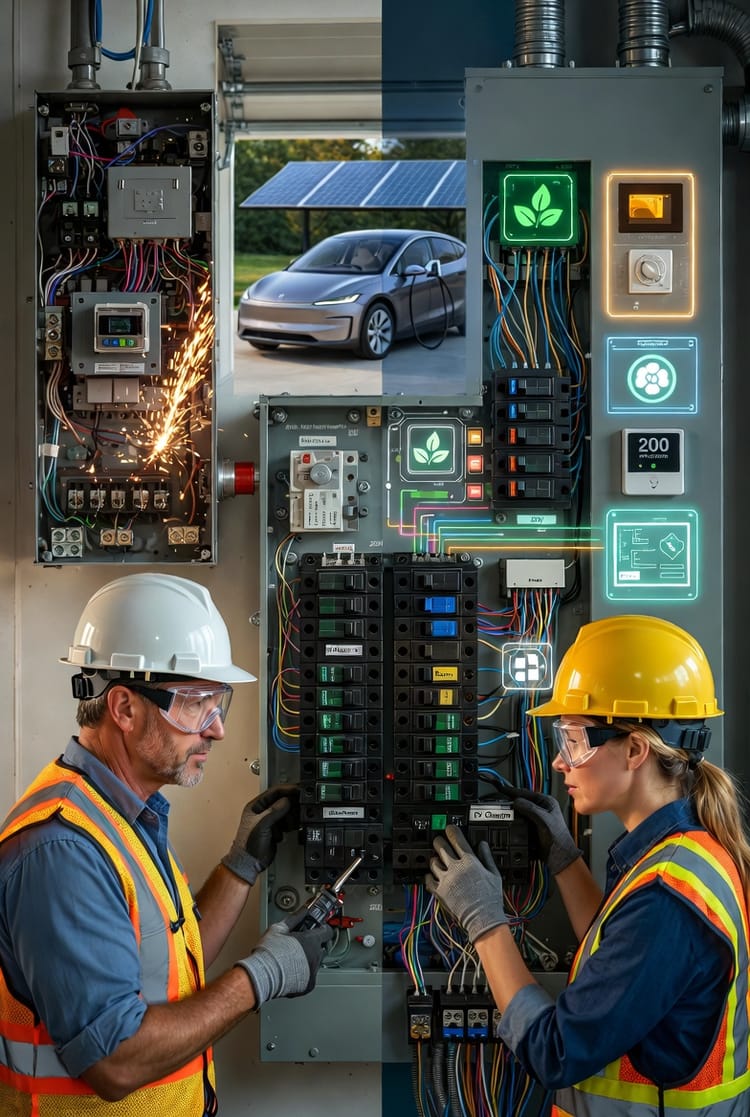
In today's fast-evolving world, where homes are becoming smarter and more energy-demanding, ensuring your electrical system is up to par isn't just a luxury—it's a necessity. Outdated wiring, insufficient capacity, and lack of modern protections can lead to safety hazards, inefficiencies, and limitations on future technologies. This comprehensive guide explores why upgrading your home's electrical system is crucial for safety, expanded capacity, and preparing for the future. We'll delve into replacing old wiring, modernizing service panels, adding essential protections like AFCI and GFCI, and pre-wiring for innovations such as EV chargers and smart home setups. Rest assured, with professional guidance, these upgrades can transform your home into a secure, efficient haven.
Future-Proof Your Home with EV & Smart Wiring – Call Now!
Understanding the Risks of Outdated Electrical Systems
Many homes built before the 1980s still rely on knob-and-tube wiring or aluminum wiring, which were standard at the time but pose significant risks today. These systems weren't designed for the power demands of modern appliances, electronics, and renewable energy integrations. Ignoring them can result in overheating, electrical fires, or frequent circuit breaker trips, compromising your family's safety.
- Fire Hazards: Statistics from the National Fire Protection Association indicate that faulty wiring accounts for a substantial portion of home fires. Outdated materials degrade over time, increasing resistance and heat buildup.
- Inefficiency and Overloads: Older systems often lack the amperage to handle multiple high-wattage devices simultaneously, leading to dimming lights or appliance malfunctions.
- Insurance and Resale Issues: Homes with antiquated electrical setups may face higher insurance premiums or fail inspections during sales, reducing property value.
By addressing these issues proactively, you not only mitigate risks but also enhance your home's overall functionality. A professional assessment can identify hidden problems, ensuring peace of mind.
Replacing Outdated Wiring: A Foundation for Safety
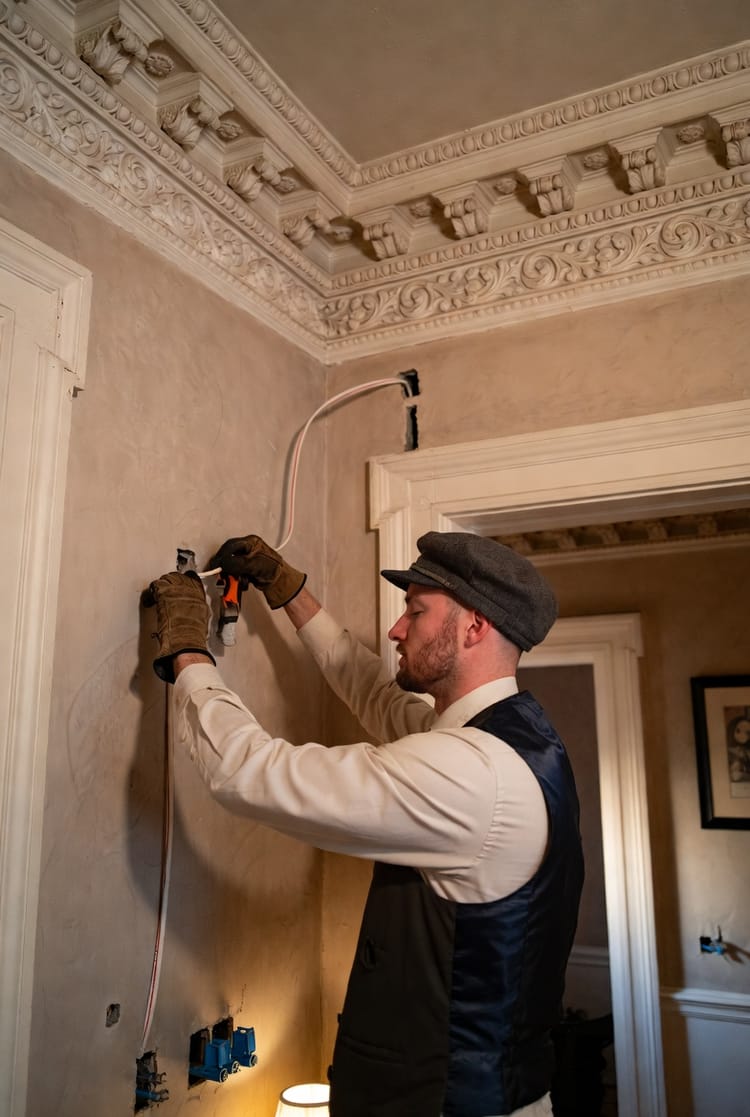
The cornerstone of any electrical upgrade is replacing outdated wiring. If your home features knob-and-tube—insulated with cloth and porcelain—or aluminum wiring from the 1960s-1970s, it's time for action. Aluminum, in particular, expands and contracts more than copper, leading to loose connections and potential arcing.
Why prioritize this? Modern copper wiring offers superior conductivity, durability, and resistance to corrosion. The process involves a licensed electrician inspecting your walls, attics, and crawl spaces to map out and replace old lines without excessive disruption.
- Step-by-Step Benefits:
- Improved Safety: Reduces the risk of electrical shocks and fires by eliminating brittle insulation.
- Energy Efficiency: New wiring minimizes energy loss, potentially lowering utility bills.
- Compliance with Codes: Ensures your home meets current National Electrical Code (NEC) standards, avoiding legal headaches.
Consider a scenario where a family notices flickering lights during peak usage. Upon inspection, outdated wiring is discovered, and replacement not only resolves the issue but also prepares the home for additions like home theaters or home offices. This upgrade, while invasive, is a long-term investment—typically lasting 50+ years.
In-depth, the replacement process includes pulling new Romex cables through existing pathways or, in older homes, strategic rewiring to minimize drywall repairs. Electricians use tools like fish tapes and conduit to route wires efficiently. For historic homes, preserving aesthetics while modernizing is key, often involving concealed wiring techniques.
Upgrading Service Panels: Meeting Modern Power Demands
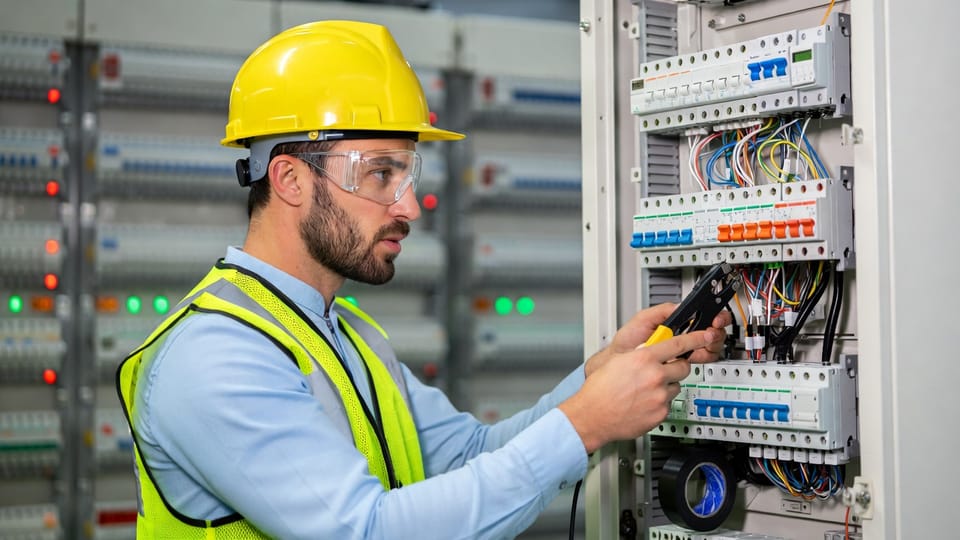
Your home's service panel, often called the breaker box, is the heart of its electrical system. Many older panels are rated at 60-100 amps, insufficient for today's average household load exceeding 200 amps. Upgrading to a 200-amp panel or higher ensures capacity for everything from air conditioners to electric vehicles.
Signs you need an upgrade include frequent breaker trips, warm panels, or reliance on fuses instead of breakers. A panel upgrade involves installing a new box with more circuits, labeled clearly for easy maintenance.
- Key Advantages:
- Increased Capacity: Supports additional appliances without overloads.
- Enhanced Reliability: Modern panels include surge protection to safeguard electronics from power spikes.
- Future-Proofing: Allows for sub-panels in garages or additions, accommodating expansions.
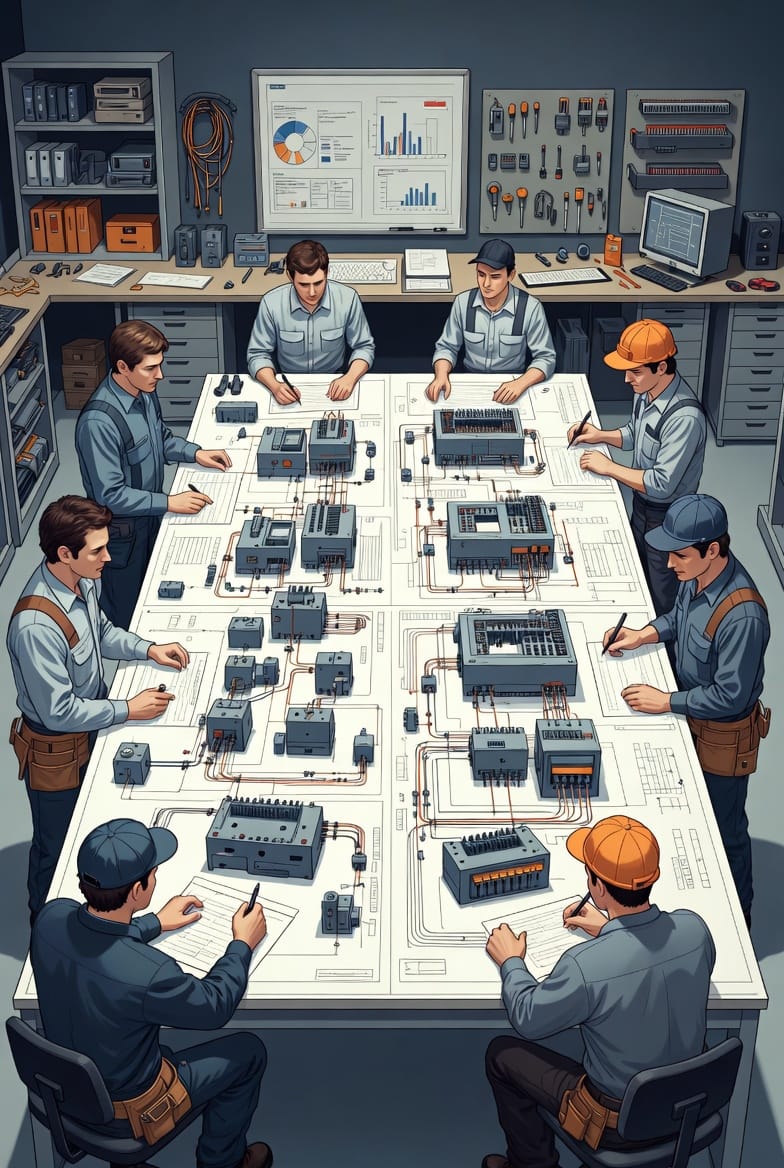
Professionally, this upgrade might coincide with a full electrical audit, where load calculations determine exact needs. For instance, a home adding solar panels requires a panel that can handle bidirectional flow. Costs vary, but the return on investment comes through avoided repairs and improved home value.
Installing AFCI and GFCI Protection: Preventing Shocks and Fires
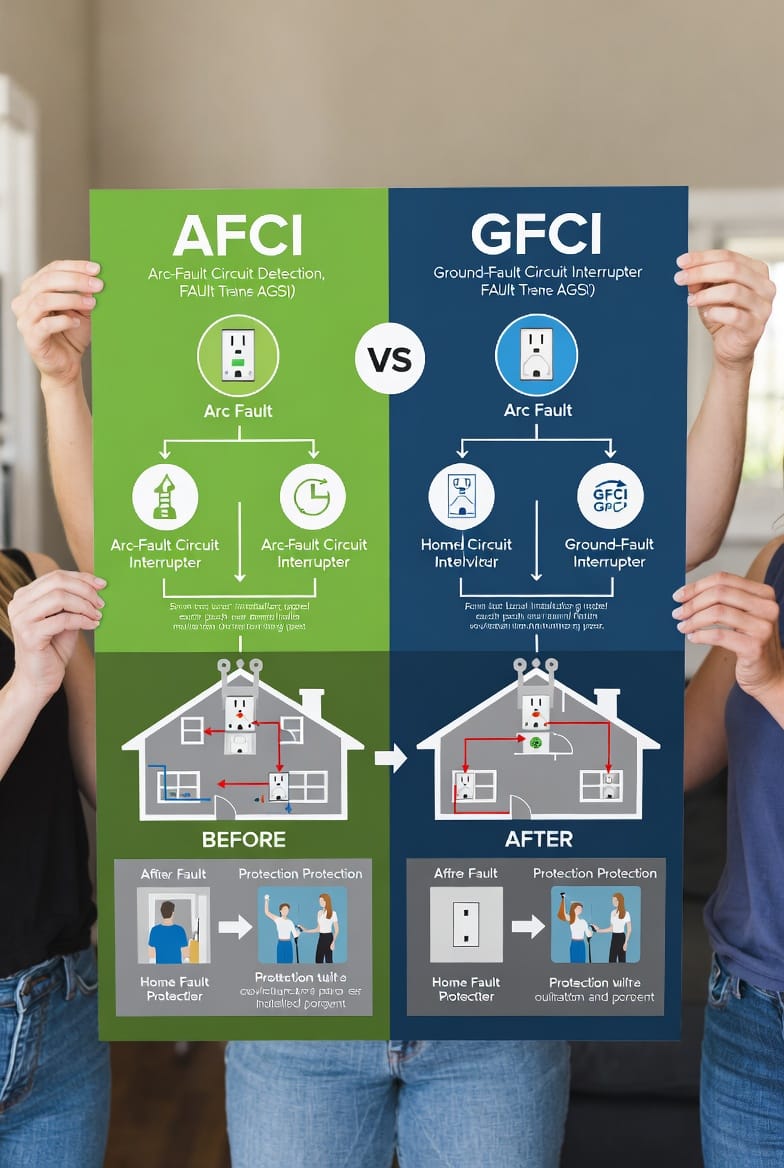
No electrical upgrade is complete without advanced protections like Arc Fault Circuit Interrupters (AFCI) and Ground Fault Circuit Interrupters (GFCI). These devices detect anomalies and shut off power instantly, preventing disasters.
AFCI breakers monitor for dangerous arcing—sparks from damaged wires or loose connections—that could ignite fires. Required in bedrooms and living areas per NEC, they differentiate between harmless arcs (like from switches) and hazardous ones.
GFCI outlets, conversely, protect against ground faults, where current leaks to ground, risking shocks. Essential in wet areas like bathrooms, kitchens, and outdoors, they trip at the slightest imbalance.
- Installation Insights:
- Where to Place: AFCIs in panel for whole circuits; GFCIs as outlets or breakers in high-risk zones.
- Benefits for Families: Reduces electrocution risks, especially for children or in humid environments.
- Testing and Maintenance: Monthly tests ensure functionality, with professionals handling installations to avoid errors.
Integrating these can be straightforward during a panel upgrade, adding layers of safety without major overhauls. For example, in a kitchen remodel, adding GFCI outlets prevents accidents from water exposure.
Pre-Wiring for EV Chargers and Smart Homes: Embracing the Future
As electric vehicles (EVs) and smart technologies proliferate, pre-wiring your home positions it for seamless integration. EV chargers require dedicated 240-volt circuits, often 40-50 amps, to support Level 2 charging without straining existing systems.
Similarly, smart home setups—thermostats, lighting, security—benefit from structured wiring like Ethernet or low-voltage lines for reliable connectivity.
- Strategic Planning:
- EV Readiness: Install conduits from the panel to the garage, allowing future charger additions without trenching.
- Smart Integration: Pre-wire for hubs, ensuring compatibility with systems like Google Home or Alexa.
- Sustainability Boost: Supports solar inverters or battery storage, reducing carbon footprints.
This forward-thinking approach avoids costly retrofits. Imagine charging your EV overnight efficiently or controlling lights via app—upgrades make it reality. Electricians can design scalable systems, incorporating energy monitoring for optimized usage.
The Broader Impact: Energy Efficiency and Home Value
Beyond immediate safety, electrical upgrades contribute to energy efficiency. Modern systems with LED-compatible dimmers and efficient circuits cut consumption by up to 20%. They also elevate home value, appealing to buyers seeking turnkey, future-ready properties.
Environmentally, preparing for renewables aligns with global shifts toward green energy. Incentives like tax credits for EV infrastructure further sweeten the deal.
Professional Expertise: Why DIY Isn't an Option
Warning: Electrical work demands precision and knowledge of codes; mishandling can lead to severe injuries or fires. Always hire licensed professionals.
In conclusion, upgrading your home's electrical system safeguards against risks, boosts capacity, and readies it for tomorrow's innovations.
Safe Electrical System Starts Here – Free Consultation!