Tree Removal Warning Signs: Act Before a Storm Turns Your Yard into a Liability
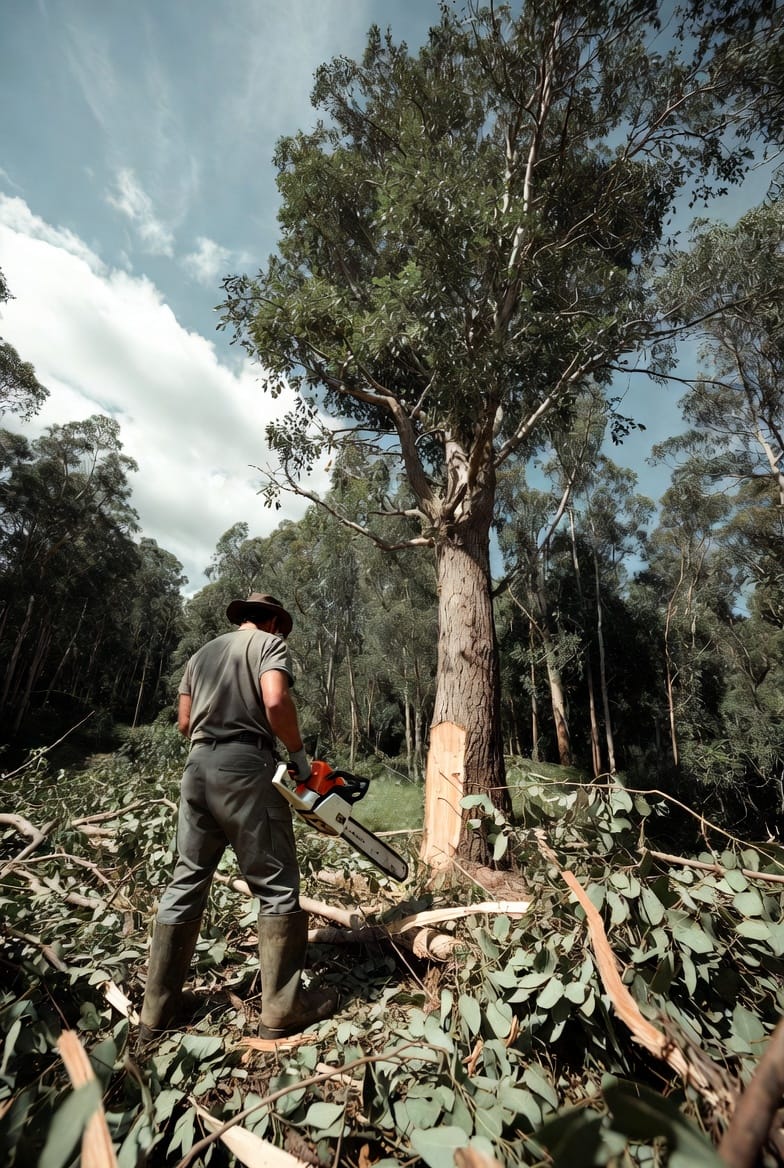
Mature trees add beauty, shade, and value to your property—until they don’t. A single compromised tree can cause tens of thousands in damage to roofs, vehicles, fences, utilities, or neighboring structures during high winds, ice, or heavy rain. The difference between a controlled removal and an emergency claim often comes down to noticing subtle (and not-so-subtle) warning signs months or years in advance.
In 2026, with increasingly intense weather events and aging tree populations in suburban and urban areas, proactive evaluation has become standard for responsible homeowners. Below are the key indicators that a tree has crossed from “asset” to “hazard,” and why professional intervention is the safest path forward.
Call Now for Fast Tree Removal
1. Trunk and Major Limb Defects
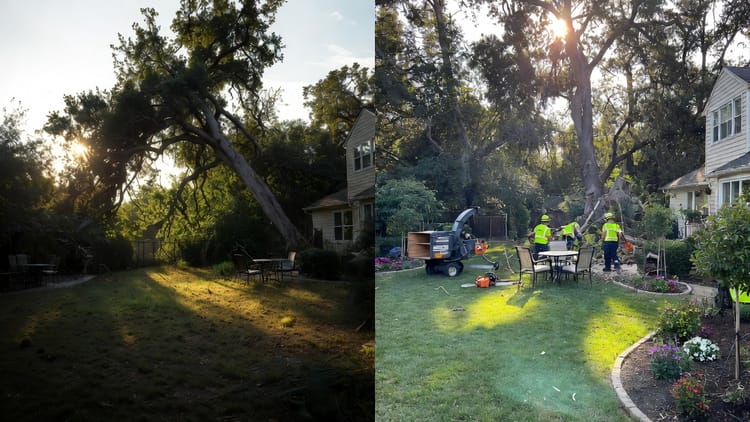
- Pronounced lean (especially toward buildings or play areas)
- Vertical cracks, seams, or frost cracks widening over time
- Large cavities, missing bark, or exposed heartwood
- Bulging or callus tissue around old wounds (sign of internal decay)
Even a slight lean can indicate root failure or uneven loading. Certified arborists use tools like resistographs, tomography, or increment borers to quantify decay without destructive probing.
2. Crown Dieback and Deadwood Accumulation
- Progressive thinning or dieback in the upper crown
- Numerous dead, hanging branches (especially >2 inches diameter)
- Sudden shedding of large limbs without storm activity
- Fungal fruiting bodies (conks, brackets, mushrooms) on trunk or major roots
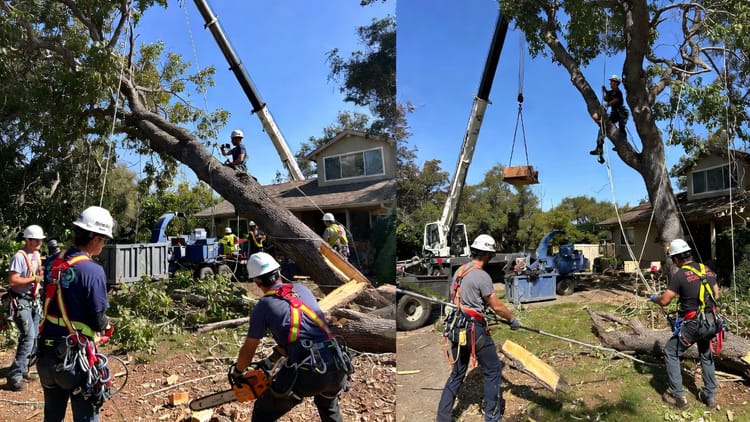
Deadwood is a gravity-driven failure waiting to happen. Professional crews prioritize directional felling, sectional dismantling, and rigging to prevent collateral damage.
3. Root Zone Warning Signals
- Heaved or cracked pavement, curbs, or retaining walls
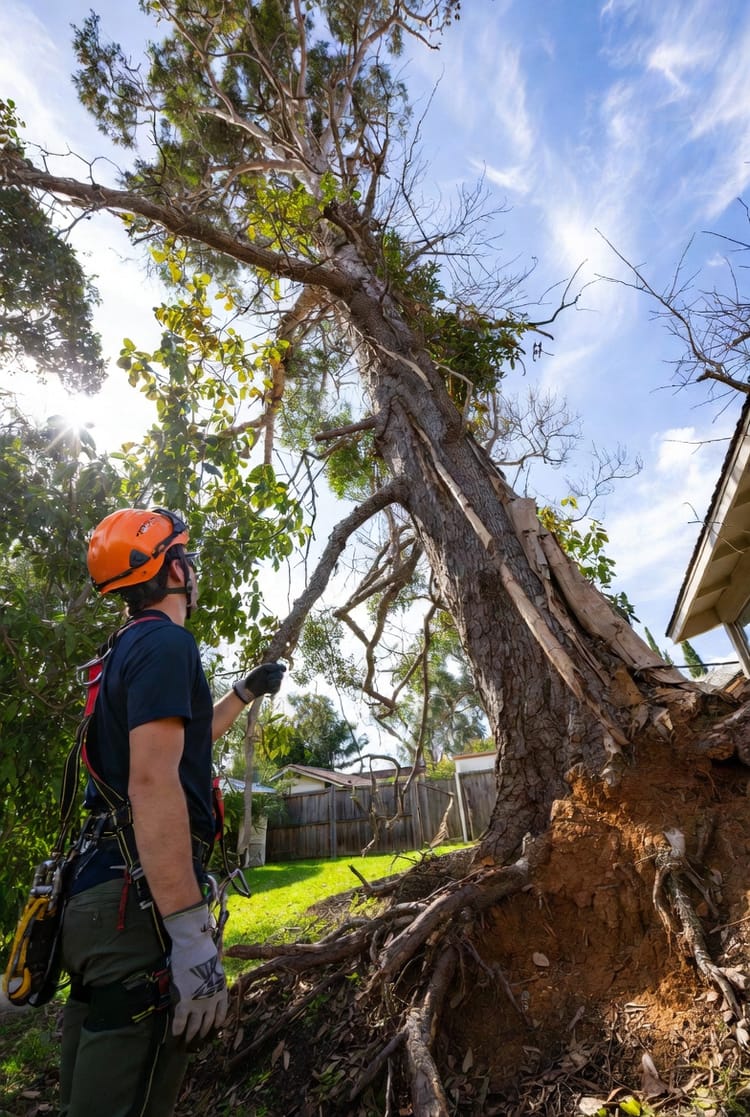
- Soil mounding or depressions indicating root plate movement
- Large exposed surface roots damaged by mowing, vehicles, or construction
- Recent soil grade changes or compaction near the drip line
Root damage often precedes trunk instability. Removal combined with stump grinding and proper backfill prevents future tripping hazards and allows new landscaping.
4. High-Risk Location & Site Factors
- Tree height ≥ 1.5× distance to nearest structure
- Overhang across roofs, decks, pools, or primary power lines
- Trees planted too close to foundations (common in 1970s–1990s developments)
- Poor soil drainage, frequent standing water, or previous construction damage
Trees in confined or high-value zones require specialized equipment—bucket trucks, cranes, spider lifts, or tracked chippers—to execute safe, efficient removals.
5. Post-Event or Rapid-Change Red Flags
- New splitting or separation after wind/rain/ice events
- Partial uprooting or soil lifting on one side
- Lightning scars (charred bark, explosive splitting)
- Sudden yellowing/wilting of foliage in an otherwise healthy tree
Delayed failures are common after storms—hanging limbs or weakened attachments can drop days or weeks later.Safe DIY Limits vs. Professional Territory
Safe for homeowners (with proper technique and equipment):
- Removal of small, fully dead branches under 2 inches diameter
- Clearing small fallen debris
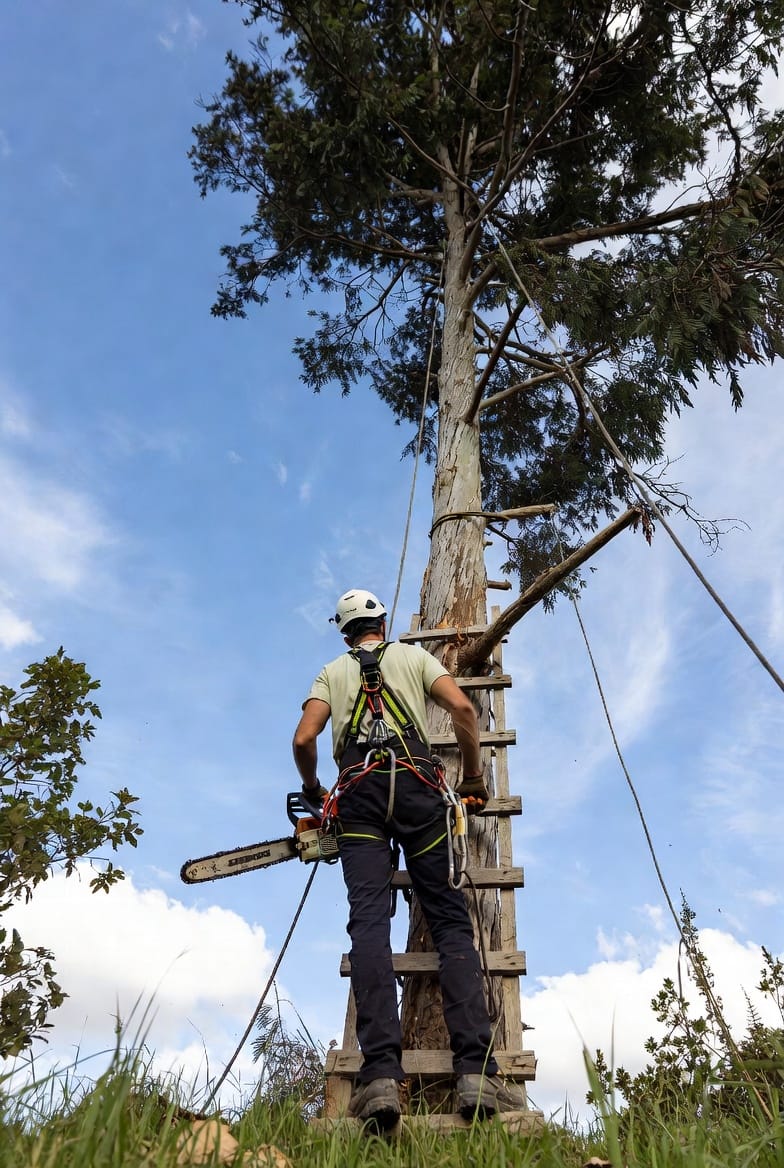
Professional intervention is essential when:
- Tree exceeds 25–30 feet in height
- Work is within 10–15 feet of structures or utilities
- Decay, lean, or root issues are present
- Crane, rigging, or traffic control is required
- Permits, utility locates (811), or neighbor coordination is needed
Look for ISA Certified Arborists® (with liability insurance and workers’ comp) who follow ANSI A300 standards and provide written risk assessments.
The Real Cost Comparison
- Proactive removal (planned, no emergency fees): $900–$4,500 (varies by size, access, and location)
- Emergency removal after failure: $3,000–$15,000+ (plus property repair, insurance deductible, temporary relocation)
- Full structural damage claim (roof, siding, interior water intrusion): $20,000–$100,000+
Early action protects your investment, avoids liability claims against your homeowner’s policy, and maintains neighborhood aesthetics.
Next Steps for Peace of Mind
- Walk your property during daylight and note any of the signs above.
- Take dated photos of suspect trees from multiple angles.
- Contact 2–3 local, insured tree care companies for on-site evaluations (most offer free or low-cost hazard assessments).
- Request written reports that include risk level, recommended action, and cost estimates.
- Schedule during the dormant season (late fall–early spring) when possible for cleaner cuts and lower stress on remaining trees.
Your landscape has served you well for decades. Return the favor by addressing risks before nature forces your hand.
If you’re seeing any of these signs—or just want confirmation that your trees are safe—reach out to experienced professionals today.
Ready for a thorough, no-pressure tree risk assessment?
Need a Tree Removed? We're Here to Help.
Protect Your Home Before the Next Storm
Don’t wait for high winds to decide for you. Secure your property with expert tree removal when it’s still a choice, not an emergency.