The Window Screen Repair: Fixing Tears, Replacing Spline, and Maintaining Proper Ventilation Screens
Window screens are essential for home ventilation and pest exclusion, allowing fresh air to flow while keeping insects and debris out. Over time, however, tears, loose splines, and frame wear can compromise their effectiveness. In this comprehensive guide, we'll walk you through practical steps for window screen repair, including fixing tears, replacing spline, and maintaining aluminum frames. Whether you're a DIY enthusiast or seeking professional help, our authoritative advice ensures your screens remain functional and durable. Rest assured, with the right approach, you can restore proper airflow and peace of mind in your home.
Get Pest-Free Fresh Air – Call for Screen Repair
Understanding the Importance of Window Screen Maintenance
Properly maintained window screens not only enhance indoor air quality by promoting natural ventilation but also act as a barrier against pests like mosquitoes, flies, and even small rodents. Neglecting repairs can lead to increased energy costs from over-reliance on air conditioning, potential health risks from bug-borne diseases, and aesthetic degradation of your home's exterior.
- Key Benefits of Intact Screens: Improved airflow reduces humidity and mold risks; pest exclusion minimizes allergen entry; energy efficiency lowers utility bills.
- Common Issues: Tears from weather, pets, or accidents; loose spline causing mesh detachment; aluminum frame corrosion from moisture exposure.
By addressing these proactively, you safeguard your living space. Let's dive into the repair processes.
Assessing Damage: The First Step in Window Screen Repair
Before any fix, evaluate the screen's condition. Remove the screen from the window frame gently to avoid further damage. Inspect for tears in the mesh, loose or brittle spline (the rubber gasket holding the mesh in place), and aluminum frame integrity – look for bends, rust, or warping.
A thorough assessment prevents incomplete repairs. For instance, a small tear might be patchable, but extensive damage often requires full mesh replacement. Tools you'll need include a spline roller, utility knife, screen mesh, replacement spline, and frame cleaner.
Fixing Tears in Window Screen Mesh
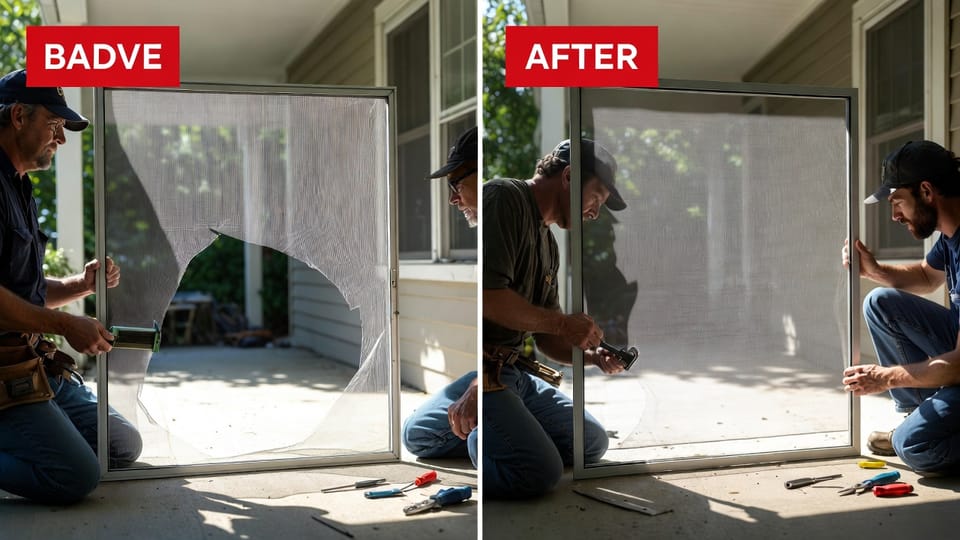
Tears are among the most common issues, often caused by sharp objects, strong winds, or playful pets. Fortunately, minor tears can be repaired without replacing the entire screen, saving time and money.
Step-by-Step Tear Repair Guide
- Gather Materials: Screen patch kit (adhesive or sew-on patches), scissors, and a flat surface.
- Clean the Area: Wipe the torn section with a mild soap solution to remove dirt, ensuring better adhesion.
- Apply the Patch: Cut a patch slightly larger than the tear. For adhesive types, peel and stick over the hole, pressing firmly. For sew-on, use nylon thread to stitch securely.
- Test Durability: Gently tug the patch to confirm it's secure, then reinstall the screen.
This method restores pest exclusion quickly. For larger tears, consider full mesh replacement to maintain optimal ventilation screens.
Risk Note: Avoid using tape as a permanent fix; it degrades and allows pests entry.
Replacing Spline for Secure Window Screens
Loose or damaged spline is a sneaky culprit behind sagging screens. The spline secures the mesh into the frame's groove, and when it fails, screens lose tension, compromising both ventilation and protection.
Tools and Materials for Spline Replacement
- New spline (match diameter to original, typically 0.125-0.175 inches).
- Spline roller tool.
- Utility knife for trimming.
Detailed Spline Replacement Process
- Remove Old Spline: Use a screwdriver or awl to pry out the old spline carefully, avoiding frame damage.
- Clean the Groove: Brush out debris and old mesh remnants for a smooth fit.
- Insert New Spline: Roll the new spline into the groove over the mesh, applying even pressure.
- Trim Excess: Cut away extra spline and mesh for a neat finish.
Re-splining ensures your screens stay taut, enhancing proper ventilation and longevity. If the spline feels brittle during removal, it's a sign of age-related wear – replace it promptly to prevent future issues.
Full Mesh Replacement: A Comprehensive Fix
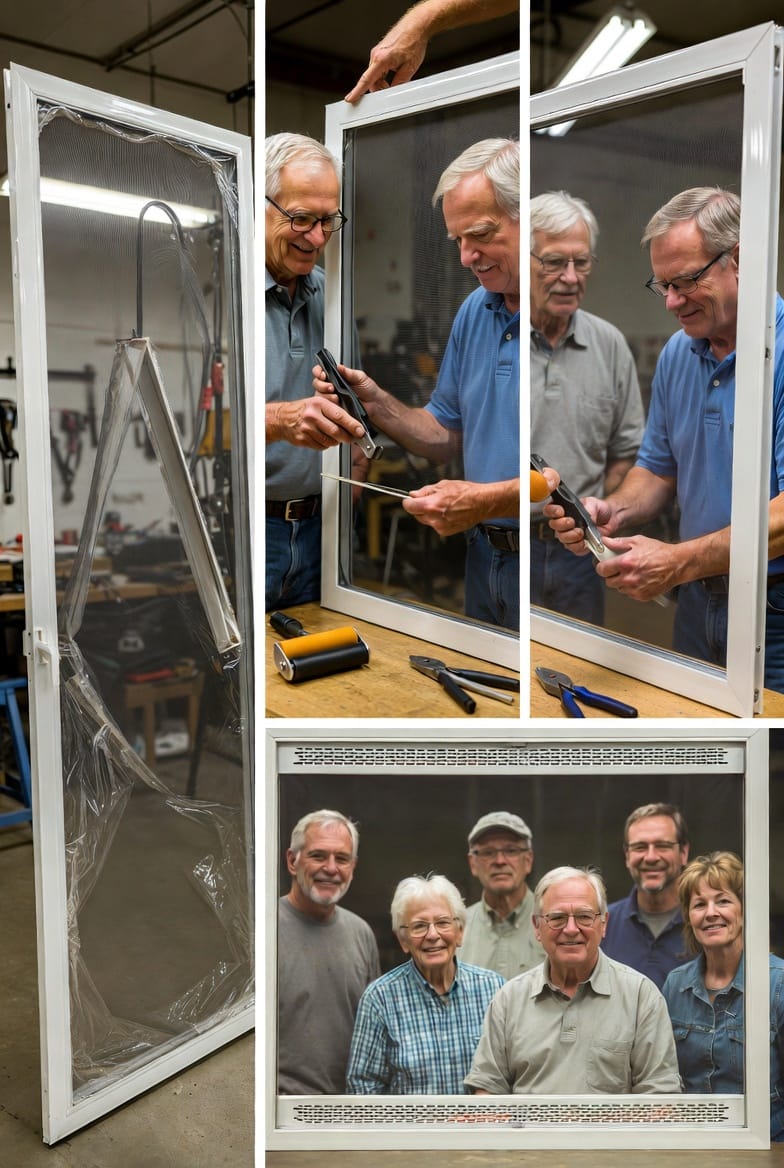
When tears are extensive or the mesh is worn out, full replacement is the best route for reliable window screen repair. This process revitalizes your screens for years of service.
Preparing for Mesh Replacement
Select the right mesh material based on your needs (more on materials later). Measure the frame dimensions, adding 2-3 inches extra for overlap.
Step-by-Step Mesh Replacement
- Remove Old Mesh and Spline: As detailed in the spline section, clear the frame completely.
- Lay New Mesh: Place the new mesh over the frame, ensuring it's centered and wrinkle-free.
- Secure with Spline: Use the roller to embed the spline, starting at one corner and working around.
- Trim and Finish: Cut excess mesh flush with the spline for a professional look.
- Reinstall: Fit the screen back into the window, testing for smooth operation.
This method not only fixes current issues but prevents future ones, maintaining pest exclusion effectively.
Pro Tip: Work on a flat, stable surface to avoid mesh distortion.
Maintaining Aluminum Frames for Longevity
Aluminum frames are durable but susceptible to oxidation and bending. Regular maintenance keeps them in top shape, supporting the mesh and spline.
Essential Frame Maintenance Tips
- Cleaning Routine: Use a soft brush and mild detergent monthly; rinse thoroughly to prevent residue buildup.
- Corrosion Prevention: Apply a protective wax or sealant annually, especially in humid climates.
- Straightening Bends: Gently reshape minor dents with pliers; for severe damage, consider professional frame repair.
- Inspection Schedule: Check frames seasonally for signs of wear, ensuring they align properly for ventilation screens.
Neglecting frames can lead to mesh detachment, but with these steps, your screens will endure harsh weather and daily use.
Bold Reminder: Always wear gloves to protect against sharp edges during maintenance.
Choosing the Right Screen Materials
Material selection is crucial for balancing durability, ease of installation, and specific needs.
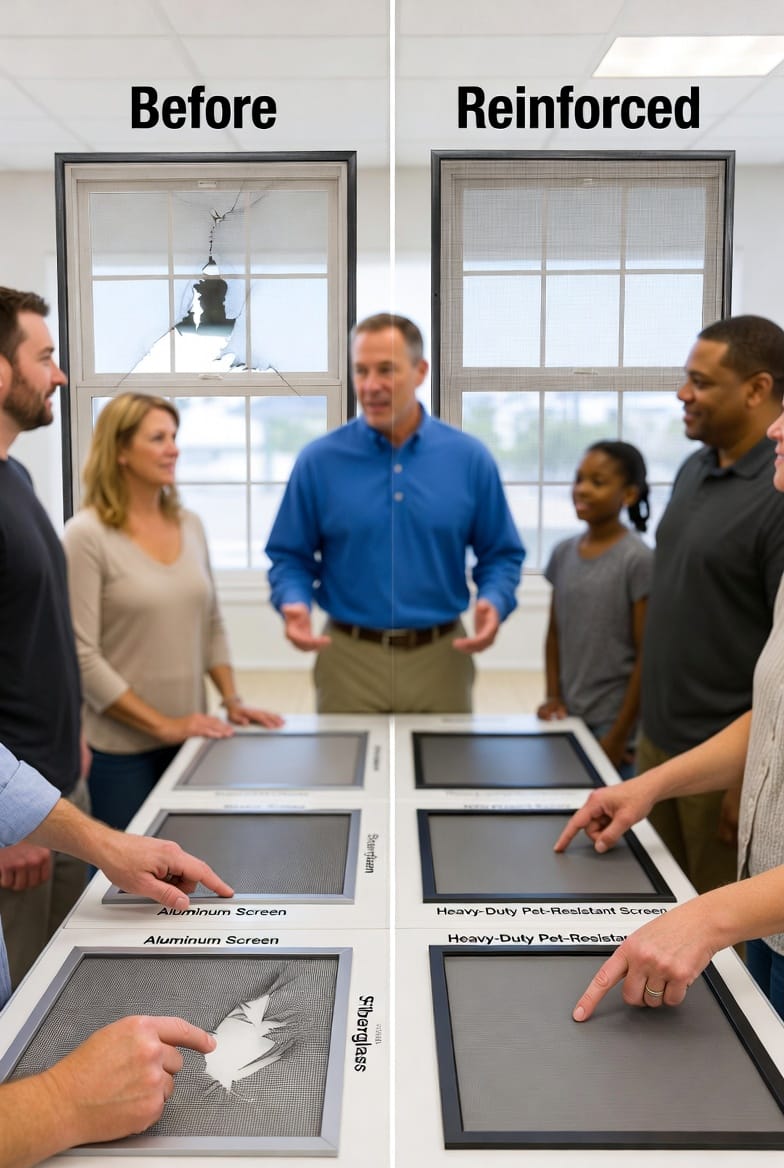
- Fiberglass Mesh: Lightweight and easy to install; ideal for standard window screen repair but less resistant to tears.
- Aluminum Mesh: Stronger and more durable; withstands weather better but can dent.
- Pet-Resistant Mesh: Reinforced for homes with animals; prevents claw damage while maintaining ventilation.
Opt for fiberglass for quick fixes, aluminum for longevity, or pet-resistant for high-traffic areas. Each enhances pest exclusion uniquely.
Safety Considerations and Common Mistakes to Avoid
Safety first in any DIY project. Wear protective eyewear and gloves to guard against sharp tools and materials.
- Avoid Over-Tightening Spline: This can warp the frame or tear the mesh.
- Don't Ignore Weather Conditions: Repair in dry, moderate temperatures for best results.
- Risk of Injury: Handle utility knives carefully; store tools securely.
By steering clear of these pitfalls, you'll achieve professional-quality results.
Professional vs. DIY: When to Call in Experts
While DIY is empowering, complex issues like severely bent frames or custom-sized screens benefit from professional intervention. Experts ensure precise fits and warranties, saving you time.
Our reassuring advice: Start small with tears, but for spline or full replacements, pros handle it efficiently.
Eco-Friendly Practices in Screen Repair
Sustainability matters. Recycle old mesh and spline where possible, and choose eco-friendly materials like recycled aluminum. This reduces waste while maintaining home ventilation.
Conclusion: Enjoy Fresh Air with Confidence
Mastering window screen repair – from fixing tears and replacing spline to maintaining aluminum frames – empowers you to keep your home ventilated and pest-free. These steps ensure long-term functionality, improving comfort and efficiency.
Revive Your Windows Today – Call for Fast Service!