The Window Glazing Compound: Traditional Putty vs. Modern Glazing for Wood Windows
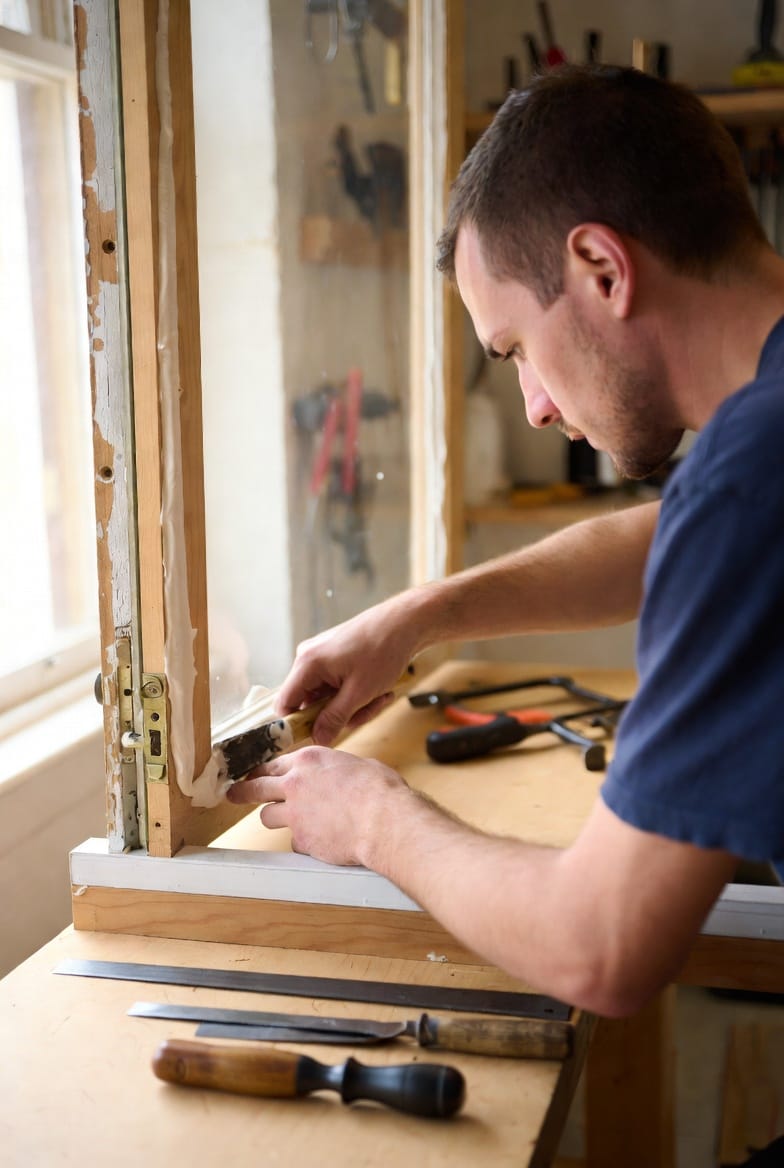
When it comes to restoring historic wood windows, the choice of glazing compound can make all the difference in preserving authenticity while ensuring long-term durability. As a homeowner or restoration enthusiast, you might wonder about the best way to seal your windows against the elements. Fear not—this guide will walk you through the essentials of traditional oil-based glazing putty and modern elastomeric glazing compounds, highlighting their differences, ideal applications, and expert techniques for achieving weathertight seals. With the right knowledge, you can confidently tackle your window restoration project or know when to call in the professionals.
Get Professional Glazing for Historic Windows – Call Today
Window glazing isn't just a minor detail; it's the unsung hero that holds glass panes in place, prevents drafts, and protects against moisture damage. In older homes, improper glazing can lead to energy inefficiency, rot, and costly repairs. But by understanding your options, you'll ensure your wood windows stand the test of time. Let's dive into the world of glazing compounds.
Understanding Window Glazing Basics
Before comparing types, it's crucial to grasp what window glazing entails. Glazing refers to the material used to secure glass panes into the window sash, creating a seal that keeps out water, air, and pests. In wood windows, this is especially important because wood expands and contracts with humidity, demanding a flexible yet sturdy compound.
Historically, glazing has evolved from simple mixtures of linseed oil and chalk to advanced synthetic formulas. Today, the debate centers on traditional putty versus modern alternatives, each offering unique benefits for restoration work. Whether you're dealing with a Victorian-era home or a mid-century modern build, selecting the appropriate glazing ensures both aesthetic integrity and functional performance.
Key factors to consider include:
- Compatibility with wood and glass: The compound must adhere well without causing damage.
- Drying time and flexibility: This affects ease of application and longevity.
- Paintability: Essential for matching your window's finish.
- Environmental resistance: Protection against UV rays, temperature fluctuations, and moisture.
By prioritizing these, you'll avoid common pitfalls like cracking or peeling, leading to a seamless restoration.
Traditional Oil-Based Glazing Putty: The Time-Honored Choice
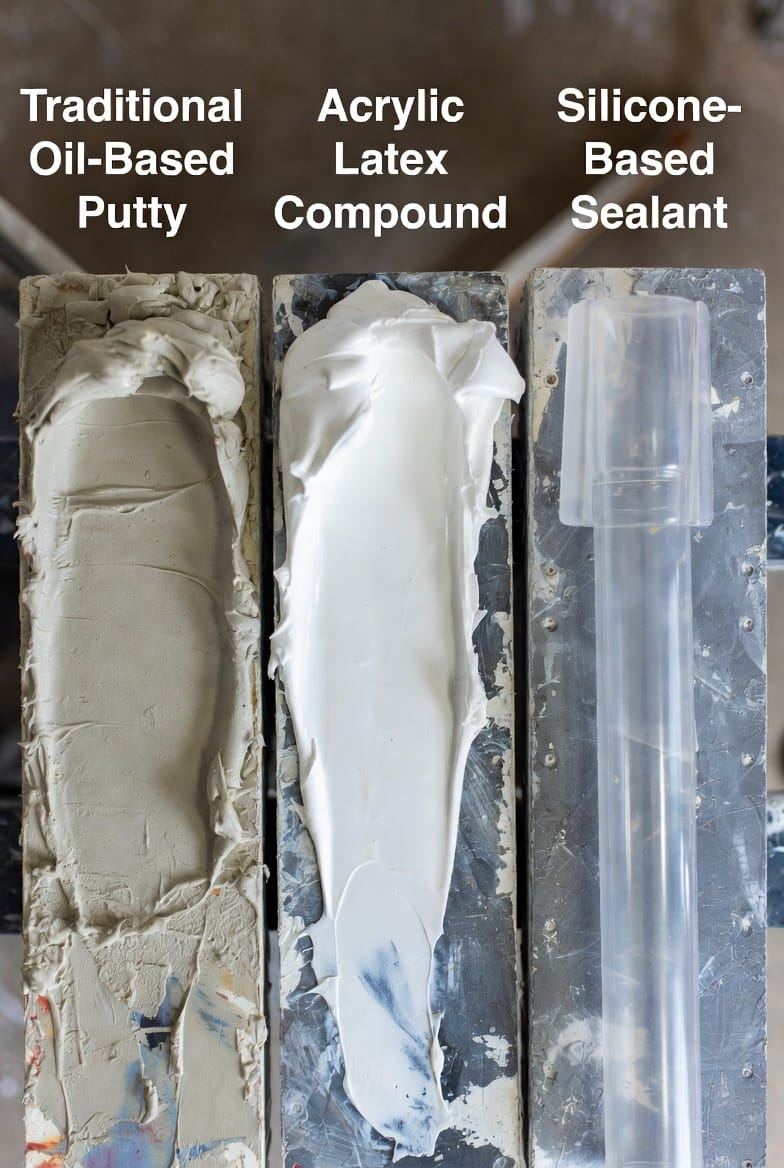
Traditional oil-based glazing putty has been the go-to for centuries, particularly in historic restorations where authenticity is paramount. Made from a blend of linseed oil, whiting (calcium carbonate), and sometimes pigments, this putty forms a pliable dough-like substance that's easy to mold.
Advantages of Traditional Putty
- Authentic Appearance: It mimics the look of original glazing in period homes, maintaining historical accuracy.
- Natural Flexibility: Once cured, it remains somewhat pliable, accommodating wood's natural movement.
- Cost-Effective: Readily available and inexpensive for small projects.
- Eco-Friendly: Composed of natural ingredients, it's a sustainable option for green restorations.
However, it's not without drawbacks. Traditional putty requires a skin-over time of several days before painting, and full curing can take weeks or months. This slow-drying nature makes it susceptible to dust and debris during application, potentially compromising the seal.
When to Use Traditional Putty
Opt for oil-based putty in scenarios where preservation standards demand it, such as:
- Historic Buildings: Listed properties often require materials that match the original specifications.
- DIY Enthusiasts: If you're patient and enjoy hands-on work, it's rewarding for small-scale jobs.
- Mild Climates: Performs best where extreme temperature swings are minimal, reducing cracking risks.
In restoration, using traditional putty honors the craftsmanship of yesteryear while providing a reliable seal when applied correctly.
Modern Elastomeric Glazing Compounds: Innovation Meets Durability
Shifting to the contemporary side, modern elastomeric glazing compounds represent a leap forward in technology. These include acrylic, silicone, and polyurethane-based options, designed for superior performance in demanding conditions. Unlike rigid putties, elastomers stretch and compress, offering enhanced flexibility.
Types of Modern Glazing Compounds
- Acrylic-Based: Water-soluble, fast-drying, and paintable within hours. Ideal for quick turnarounds.
- Silicone-Based: Highly flexible and waterproof, resisting UV degradation for long-lasting seals.
- Hybrid Elastomers: Combine the best of both worlds, offering adhesion like putty with modern resilience.
Pros abound: These compounds cure faster, provide better insulation, and withstand harsh weather better than their traditional counterparts. They're also less messy, with many available in caulk tubes for precise application.
Yet, they have limitations. Some modern options aren't as breathable, potentially trapping moisture in wood frames and leading to rot if not used judiciously. Additionally, they can be pricier upfront.
When Modern Glazing Shines
Choose elastomeric compounds for:
- High-Traffic Areas: Windows exposed to heavy rain, wind, or sun benefit from their durability.
- Energy-Efficient Upgrades: They enhance thermal performance, reducing heating bills.
- Time-Sensitive Projects: Faster drying means quicker completion without sacrificing quality.
In modern restorations, these compounds bridge the gap between old-world charm and new-age efficiency.
Key Differences: Traditional vs. Modern Glazing
To make an informed choice, let's break down the core differences between traditional oil-based putty and modern elastomeric compounds.
- Composition: Traditional putty relies on natural oils and fillers, while modern versions use synthetic polymers for enhanced properties.
- Drying and Curing: Oil-based takes days to skin and weeks to harden; elastomers set in hours and fully cure in days.
- Flexibility and Longevity: Modern compounds offer superior elasticity, lasting 20-30 years versus 10-15 for traditional.
- Application Ease: Putty requires kneading and knife work; elastomers often come ready-to-use in tubes.
- Environmental Impact: Traditional is biodegradable; modern may contain VOCs, though low-VOC options exist.
- Cost: Initial outlay for modern is higher, but longevity reduces replacement frequency.
In terms of performance, traditional excels in breathability for vintage wood, preventing condensation buildup. Modern glazing, however, provides unbeatable weather resistance, making it suitable for coastal or extreme climates.
A common misconception is that modern compounds can't be used on historic windows—that's not true. With careful selection, they can enhance preservation without altering appearance.
Choosing the Right Glazing for Your Wood Windows
Deciding between traditional and modern depends on your project's specifics. For authentic restorations, stick with oil-based putty to comply with heritage guidelines. If durability and efficiency are priorities, modern elastomers are your ally.
Consider these questions:
- Is the window in a protected historic district?
- What are the local weather patterns?
- How soon do you need the windows operational?
- Are you painting immediately after glazing?
Consulting a professional can provide tailored advice, ensuring compliance and optimal results.
Proper Application Techniques for Weathertight Seals
Achieving a weathertight seal requires precision, regardless of the compound chosen. Here's how to apply each type effectively.
Applying Traditional Oil-Based Putty
- Prepare the Sash: Remove old glazing, clean rabbets (grooves), and apply a thin bed of putty or linseed oil primer.
- Set the Glass: Press the pane into the bed, securing with glazing points (metal clips).
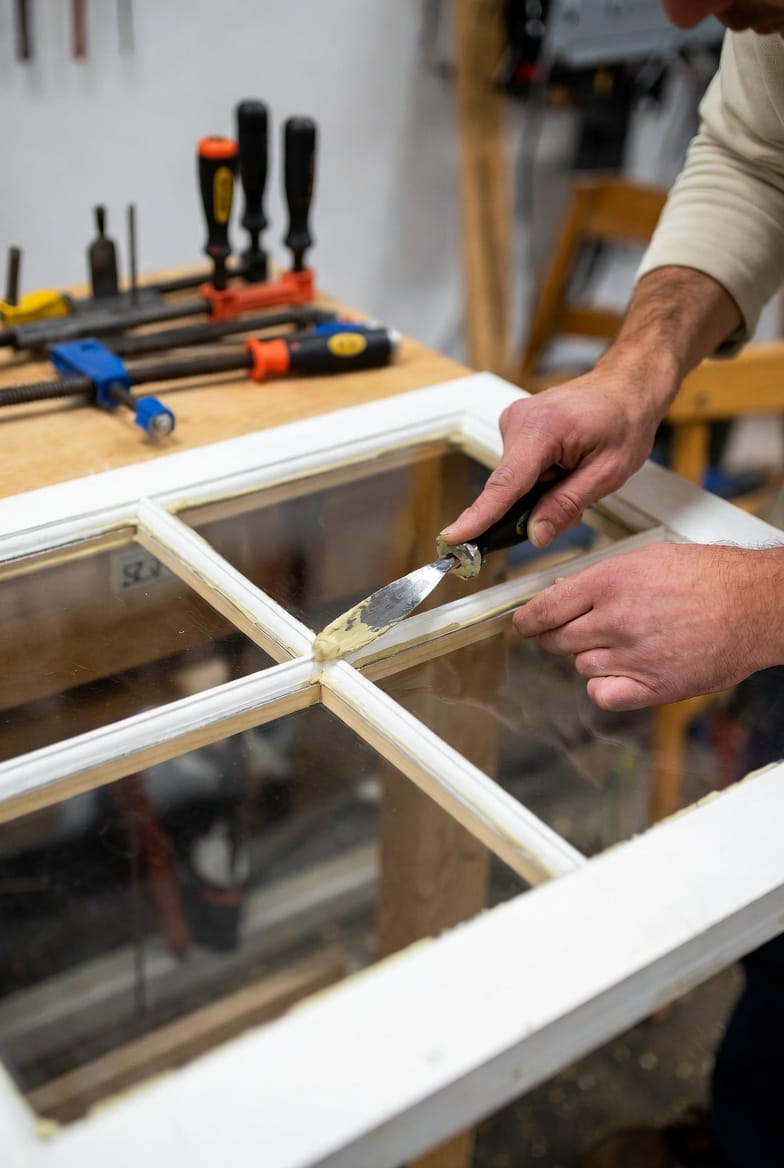
- Apply the Bead: Knead putty to a smooth consistency, roll into ropes, and press into place with a putty knife at a 45-degree angle.
- Tool and Smooth: Use the knife to create a clean, angled profile that sheds water.
- Cure and Paint: Allow skinning (7-10 days), then paint to protect from drying out.
Tips: Work in moderate temperatures (50-70°F) to avoid cracking. Avoid over-kneading, which introduces air bubbles.
Applying Modern Elastomeric Compounds
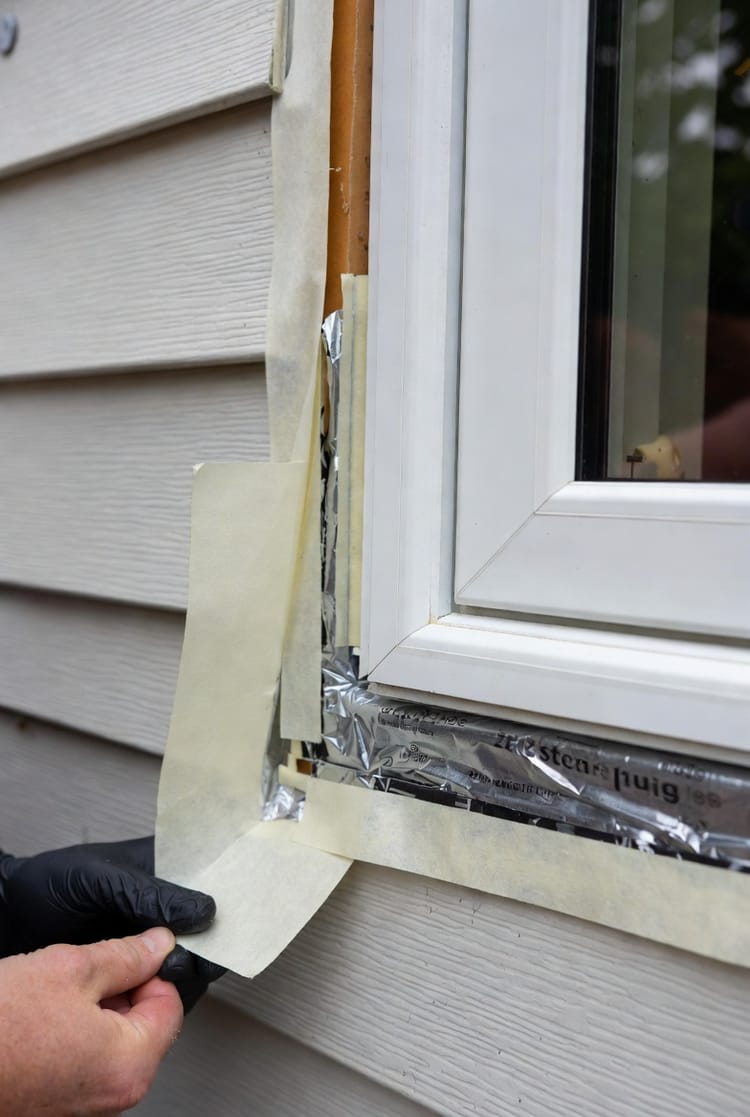
- Surface Prep: Clean and dry the rabbet; some require a primer for adhesion.
- Bed the Glass: Apply a thin layer of compound as the back bed.
- Insert Glass and Points: Secure the pane firmly.
- Caulk the Bead: Use a caulk gun for even application, tooling to an angled finish.
- Finish Up: Wipe excess, and paint if applicable (check product specs for timing).
Advantages here include minimal mess and faster workflow. Always wear gloves to prevent skin irritation from synthetics.
Common mistakes to avoid: Skipping priming, which leads to poor adhesion; or applying too thickly, causing bulging. Remember, a proper seal prevents energy loss—up to 30% of heat can escape through poorly glazed windows.
Maintenance and Long-Term Care
Once applied, maintenance is key. Inspect annually for cracks or gaps, reapplying as needed. For traditional putty, occasional oiling prevents drying. Modern compounds require less upkeep but watch for discoloration signaling UV damage.
In restoration, blending both types can work—use traditional for visible areas and modern for hidden seals. This hybrid approach maximizes benefits.
The Benefits of Professional Restoration
While DIY is tempting, professional services ensure flawless results. Experts handle complexities like lead paint removal or custom milling, saving time and money long-term.
Restoring your wood windows not only boosts curb appeal but also increases property value by 5-10%. It's an investment in comfort and sustainability.
In conclusion, whether you choose traditional oil-based glazing putty for its heritage appeal or modern elastomeric compounds for cutting-edge protection, proper selection and application guarantee enduring weathertight seals. With this knowledge, your wood window restoration will be a success—beautiful, functional, and resilient.
Revive Your Original Wood Windows – Professional Help – Call Now