The Wind Throw Assessment: Identifying Trees at Risk of Uprooting in High Winds
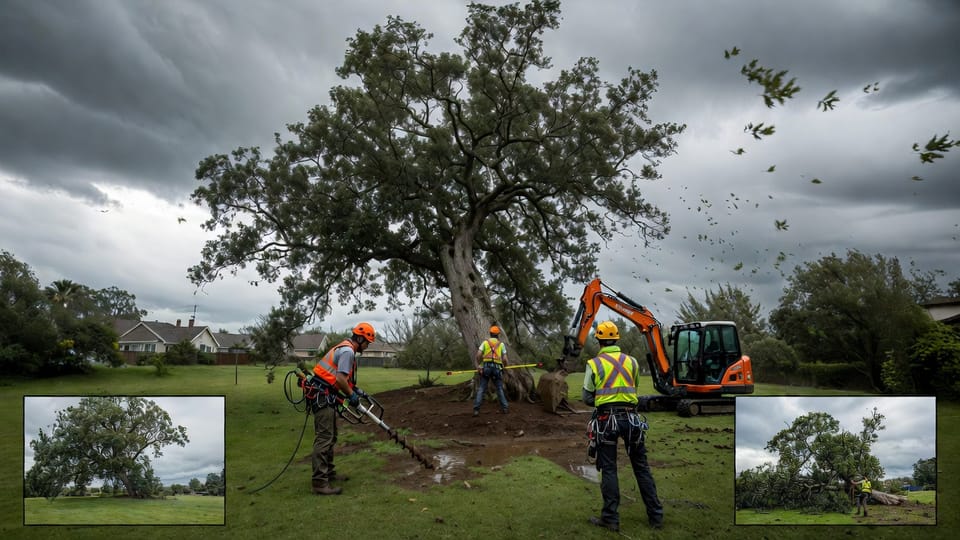
As storm season approaches, homeowners across the country brace for the unpredictable forces of nature. High winds, often exceeding 50 miles per hour, can transform a seemingly sturdy backyard tree into a dangerous projectile, causing thousands in property damage and posing serious safety risks. Wind throw—the sudden uprooting of an entire tree—accounts for a significant portion of storm-related tree failures, leaving behind uprooted giants and disrupted landscapes.
Stop Tree Uprooting Before It Happens – Contact Us Today
But here's the reassuring truth: most wind throw incidents are preventable. With a thorough wind throw assessment, you can identify vulnerable trees long before the gales arrive. This comprehensive guide empowers you, the homeowner, to spot the warning signs and take decisive action. Drawing on proven arboricultural principles, we'll explore the primary factors behind tree uprooting in high winds, provide a step-by-step visual assessment guide, and highlight why professional intervention is your strongest ally in storm preparedness.
At the heart of effective storm preparedness lies knowledge. Trees aren't just beautiful additions to your property—they're living systems whose stability depends on a delicate balance of roots, soil, and structure. When that balance falters, even moderate winds can lead to catastrophic failure. By understanding wind throw risks, you protect your home, family, and investment.
In the following sections, we'll break down the science and practical steps for a wind throw assessment. Whether you're in a hurricane-prone coastal area or facing nor'easters in the Northeast, this knowledge equips you to act confidently. And remember, when in doubt, expert tree removal services stand ready to safeguard your space.
What Is Wind Throw and Why Does It Matter?
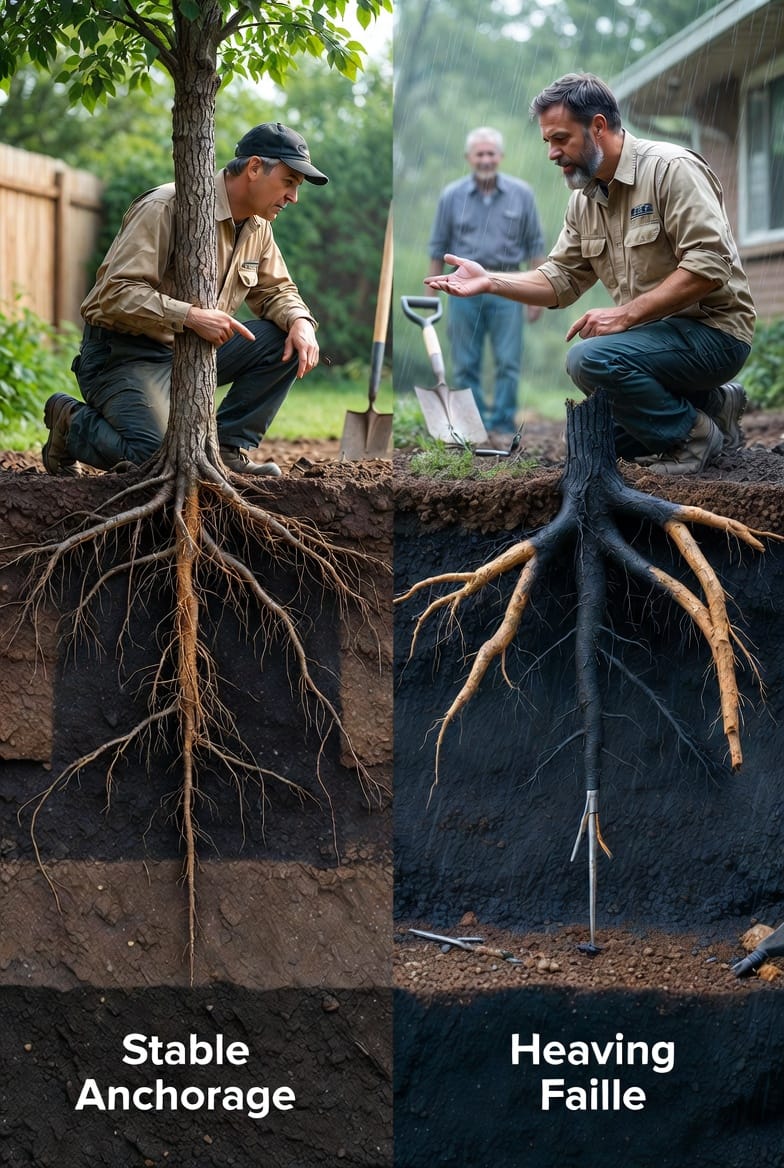
Wind throw occurs when the force of wind on a tree's canopy overcomes the anchoring power of its root system, causing the tree to topple from the base. Unlike branch breakage, which is often visible and localized, wind throw involves the entire tree shifting, pulling up a "root plate" of soil and roots as it falls.
This phenomenon isn't random. It stems from the physics of leverage: a tall tree acts like a sail, capturing wind energy that transfers downward. In urban and suburban settings, where trees face unique stresses, tree uprooting becomes more common. Studies from arboriculture experts show that saturated soils and compromised roots amplify the risk, turning routine storms into hazards.
The implications for homeowners are profound. A single fallen tree can crush roofs, block driveways, or damage power lines, leading to costly repairs and insurance claims. Yet, proactive wind throw assessments shift the narrative from reaction to prevention. By evaluating your trees now, you minimize disruptions and enhance storm preparedness.
Think of it as an investment in peace of mind. Healthy, well-anchored trees not only withstand winds but also provide shade, privacy, and ecological benefits. Identifying at-risk specimens early allows for targeted care—or safe tree removal—preserving the beauty of your landscape without the chaos of emergency responses.
Key Factors That Make Trees Prone to Wind Throw
Several interconnected factors heighten a tree's vulnerability to uprooting in high winds. Understanding these empowers you to conduct informed assessments. Let's examine the most critical ones, each with actionable insights for storm preparedness.
Shallow Root Systems
In many residential areas, shallow root systems are the silent culprits behind wind throw. Trees naturally develop deep taproots in ideal conditions, but urban soils—compacted by construction, foot traffic, or poor drainage—force roots to spread horizontally near the surface.
This limits anchorage. A mature tree might have 80% of its roots in the top 18-24 inches of soil, making it susceptible to leverage from winds. Factors like rocky terrain or clay-heavy soils exacerbate this, as roots struggle to penetrate deeper layers.
Homeowner tip: During your visual assessment, look for roots circling the trunk or emerging at the surface. These "girdling roots" signal restricted growth and elevated wind throw risk.
Soil Saturation
Heavy rains are a double-edged sword for trees. While they provide moisture, prolonged soil saturation dramatically weakens stability. Waterlogged soil loses cohesion, behaving like loose pudding rather than firm ground. Roots slip and slide, unable to grip effectively.
This is especially dangerous in low-lying yards or after events like hurricanes. Research from forestry services indicates that saturated conditions can reduce soil shear strength by up to 50%, turning a stable tree into a toppling hazard with gusts as low as 40 mph.
Key risk phrase: If your soil feels spongy underfoot after rain, it's a red flag for wind throw potential.
Root Rot
Root rot silently undermines tree health, often triggered by the same wet conditions that cause saturation. Fungi such as Phytophthora or Armillaria thrive in oxygen-poor, damp soils, decaying roots from the inside out.
Symptoms include mushy, discolored roots and a general decline in vigor—thinning canopies or yellowing leaves. Compromised roots can't anchor against wind, leading to tree uprooting. In severe cases, the root plate becomes a hollow shell.
Early detection through professional soil tests can halt progression, but advanced root rot often necessitates tree removal to prevent spread to nearby plants.
Poor Tree Structure
Even robust roots fail against poor tree structure. Issues like codominant stems (multiple trunks competing for dominance), included bark (weak unions), or a pronounced lean create imbalance. Winds exploit these flaws, applying uneven torque.
Construction damage—trenching for utilities or grading—severs critical roots, further tipping the scales. Older trees in exposed sites are particularly at risk.
Storm preparedness starts with recognizing these structural red flags, which amplify all other factors.
By addressing these wind throw contributors, you fortify your property. Regular pruning, soil amendments, and monitoring form the foundation of resilient landscapes.
Your Step-by-Step Visual Assessment Guide for Homeowners
A wind throw assessment doesn't require a degree in arboriculture—just keen observation and a systematic approach. This visual assessment guide takes you through a 30-minute walkthrough of your property. Perform it after rains or seasonally for optimal storm preparedness.
Step 1: Assess from a Distance
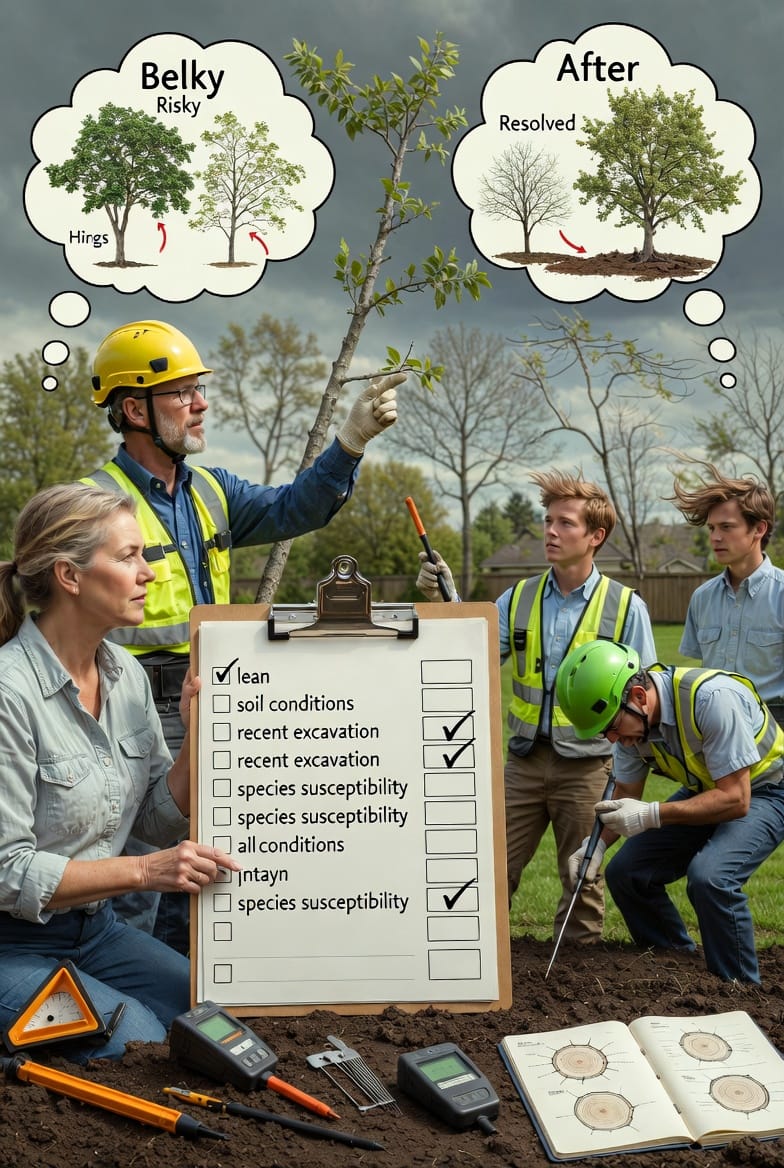
Stand 50 feet away on a calm day. Note any tree lean—a 10-degree or greater tilt, especially toward structures, signals instability. Healthy trees stand straight; leaning ones often have root issues.
Bold risk: Sudden leans post-storm warrant immediate professional review.
Step 2: Examine the Base and Soil
Circle the trunk. Look for:
- Soil cracks or heaving on the windward side—indicating root plate lift.
- Exposed roots or a "mushroom" of soil around the base.
- Recent excavation nearby—trenches or grading can cut 30% of roots, spiking wind throw odds.
Probe gently with a screwdriver; spongy soil hints at saturation.
Step 3: Inspect the Trunk and Lower Branches
Scan for:
- Vertical cracks or seams.
- Fungal conks (mushrooms) at the base—hallmarks of root rot.
- Girdling roots wrapping the trunk.
Use binoculars for higher views if needed.
Step 4: Evaluate the Canopy and Structure
Climb safely or use a ladder for close-ups (or hire pros). Check:
- Dead or hanging branches ("widowmakers")—brittle wood snaps in wind.
- Thin, sparse foliage or dieback—signs of systemic stress.
- Codominant stems or weak unions.
Species susceptibility matters: Avoid over-relying on shallow-rooted types like Bradford pear, silver maple, or pines in windy zones. Favor resilient species like live oak or beech.
Step 5: Document and Prioritize
Use a notebook or app. Rate each tree: Low, Medium, High risk. Factors like height (taller = riskier) and exposure amplify concerns.
This guide isn't exhaustive—visual cues catch 70% of issues, but subsurface problems require experts. Schedule a wind hazard assessment for peace of mind.
Common Pitfalls and Myths in Wind Throw Evaluation
Many homeowners underestimate tree uprooting risks due to misconceptions. "My tree looks fine after the last storm" ignores cumulative damage. Or, "Tall trees are always sturdy"—height often correlates with higher leverage.
Recent changes like new driveways or landscaping can introduce hidden vulnerabilities. Soil conditions shift seasonally; what was stable in dry weather falters when saturated.
Avoid DIY removals—professional tree removal ensures safety and compliance.
Case Studies: Lessons from Real Wind Throw Events
Consider a suburban neighborhood hit by 60 mph gusts. A 40-year-old maple with shallow roots and nearby trenching uprooted, damaging a fence. Post-assessment revealed root rot from poor drainage—preventable with aeration.
In another instance, a leaning pine in saturated clay soil toppled onto a garage. Arborists had flagged it months prior during a visual assessment.
These stories underscore: Early intervention via wind throw assessment averts disaster. Homeowners who act save thousands and sleep easier.
The Benefits of Professional Wind Hazard Assessments
While DIY checks are valuable, certified arborists bring tools like resistographs for decay detection and soil analysis. They provide detailed reports, recommending pruning, cabling, or tree removal as needed.
Storm preparedness elevates with their expertise. Services often include follow-ups, ensuring your landscape thrives amid changing climates.
Practical Tips for Enhancing Tree Resilience
- Improve drainage with French drains.
- Mulch to retain moisture without saturation.
- Prune annually to reduce sail area.
- Plant windbreaks strategically.
These steps, combined with assessments, build a fortress against high winds.
Taking Action: Your Path to Storm-Ready Trees
Wind throw assessments transform uncertainty into control. By spotting shallow root systems, soil saturation, root rot, and poor structure early, you safeguard what matters most.
Don’t Wait for High Winds – Call for a Wind Hazard Check Today