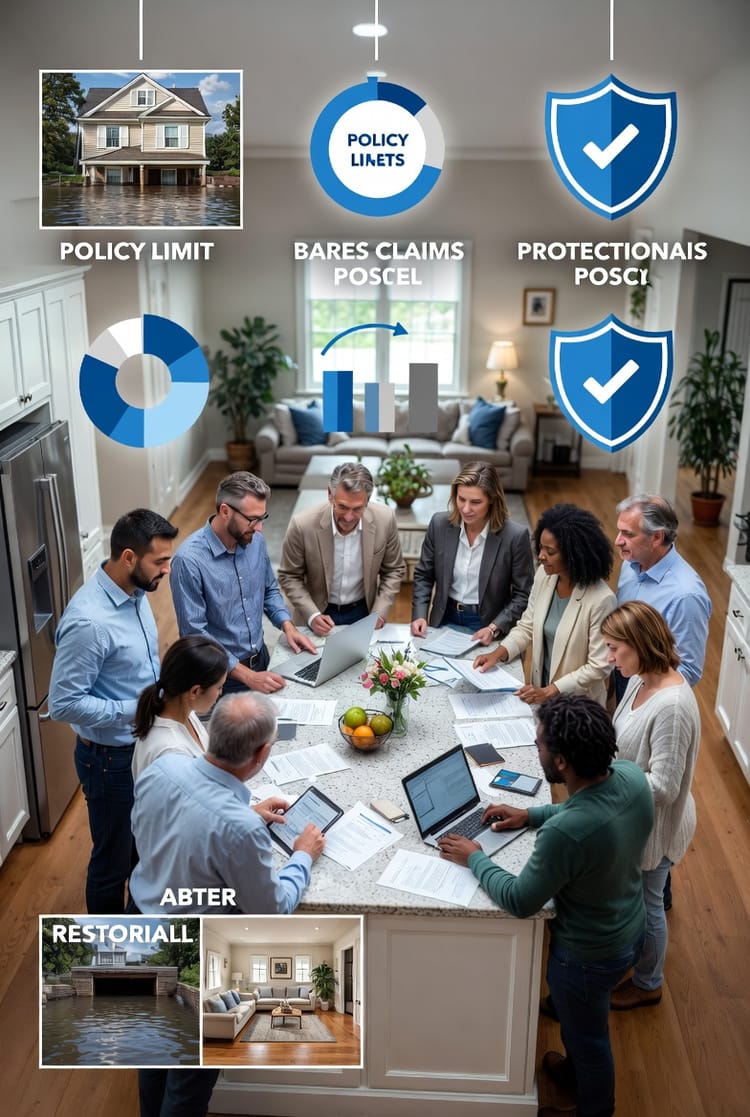
The Vacant Home Risk: Why Empty Houses Need Special Insurance Coverage
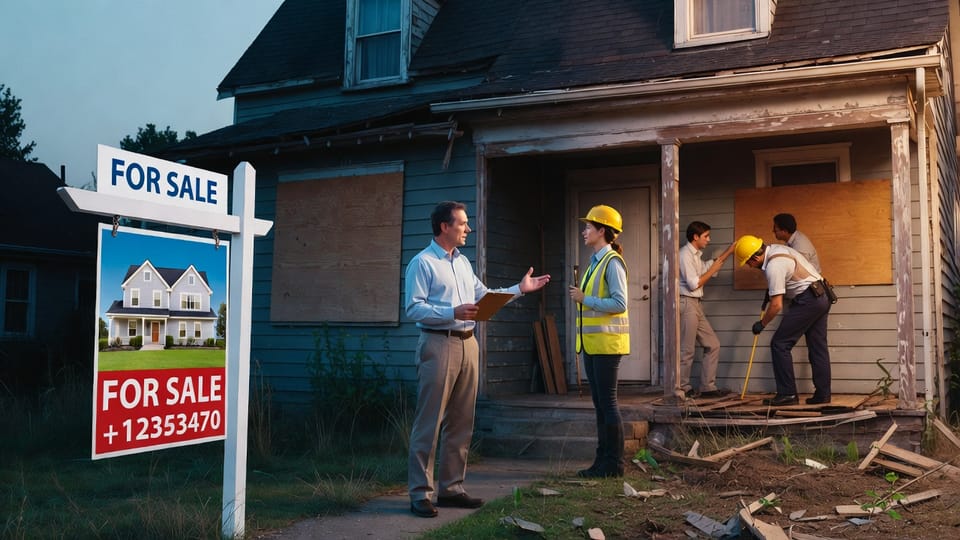
Owning a home is one of life's biggest investments, but what happens when that property sits empty? Whether due to relocation, renovation, or a prolonged sale, vacant homes face unique vulnerabilities that standard homeowners insurance often overlooks. In this in-depth guide, we'll explore why empty houses need special insurance coverage, the limitations of traditional policies, and how specialized vacant home insurance can safeguard your asset. With an authoritative approach grounded in industry insights, rest assured that understanding these risks empowers you to protect your property effectively.
Secure Empty House Coverage Now – Call Us Today
Understanding Vacancy in Home Insurance
Standard homeowners insurance is designed for occupied residences, where daily activity helps mitigate potential issues. However, when a home becomes vacant—typically defined as unoccupied for more than 30 to 60 days—coverage can change dramatically. Insurers view vacant properties as higher risk because there's no one present to notice and address problems early.
Why the shift? Insurance policies often include clauses that reduce or exclude coverage after a vacancy period. For instance, a standard policy might cover water damage from a burst pipe in an occupied home, but in a vacant one, that same event could lead to denied claims if the home wasn't properly winterized. This isn't about punishing homeowners; it's about actuarial realities. Data shows that unoccupied homes are more prone to undetected damage, leading to larger claims.
To illustrate, consider a family relocating for a job. Their home sits empty for three months. A minor leak goes unnoticed, causing extensive mold and structural issues. Under a standard policy, the insurer might argue the vacancy voided full coverage, leaving the owners with hefty out-of-pocket costs. This scenario underscores the need for proactive planning.
The Hidden Dangers of Vacant Homes
Vacant homes aren't just empty—they're magnets for specific threats that occupied properties rarely encounter. Without regular oversight, small issues escalate quickly. Let's break down the key risks for vacant homes:
- Vandalism and Theft: Empty houses signal opportunity to intruders. Broken windows, graffiti, or stolen fixtures can devalue your property overnight. Statistics from insurance reports indicate vandalism claims spike by up to 300% in unoccupied homes.
- Squatters and Unauthorized Occupancy: Individuals may move in without permission, leading to legal battles and property damage. Evicting squatters can cost thousands in court fees and repairs, not to mention the emotional toll.
- Frozen Pipes and Water Damage: In colder climates, unheated homes risk pipes freezing and bursting. This can flood basements, warp floors, and foster mold—issues that standard policies often limit during vacancy.
- Fire Without Detection: Electrical faults or arson go unnoticed longer in empty homes, allowing fires to spread unchecked. Early detection systems are absent, amplifying destruction.
- Pest Infestations and Weather Damage: Rodents, insects, or storm-related wear can go unaddressed, turning minor nuisances into major renovations.
These vacant home risks aren't hypothetical; they're backed by industry data from sources like the Insurance Information Institute, which notes that claims for unoccupied properties are often 50-100% higher due to delayed response. But here's the reassuring part: specialized coverage exists to address these exact challenges.
Why Standard Policies Fall Short
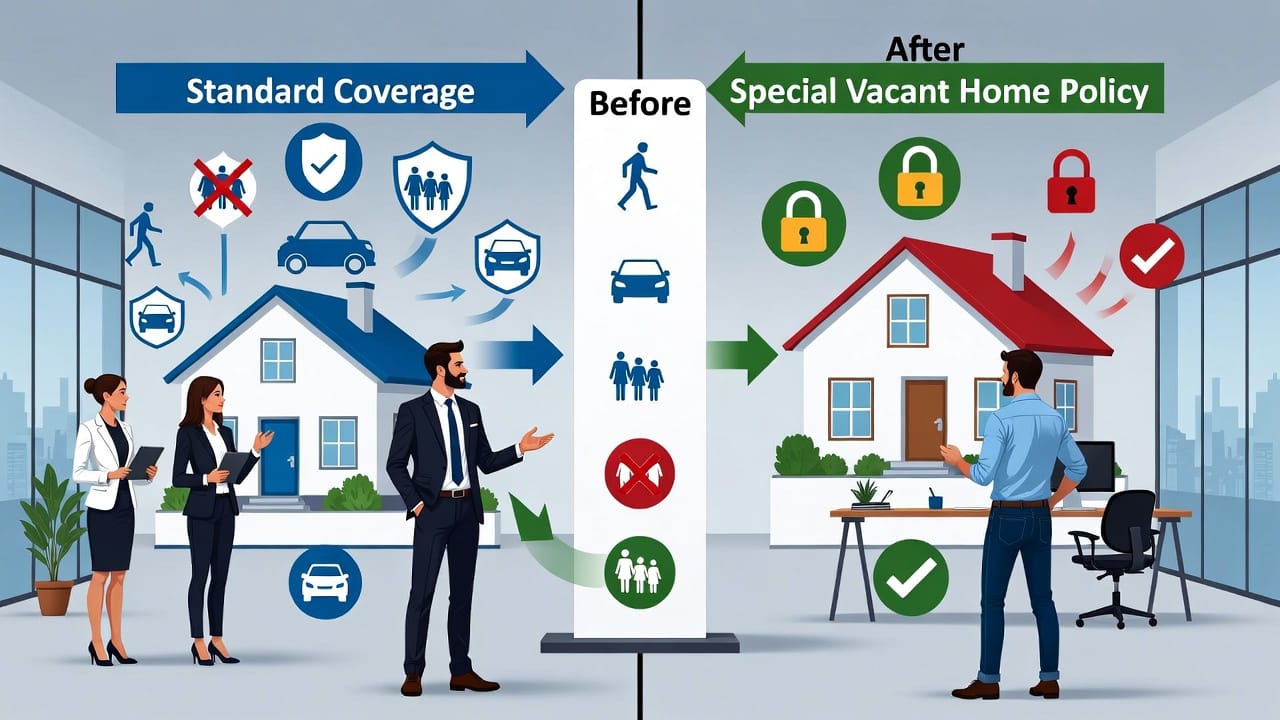
Most homeowners insurance policies include a vacancy clause, stipulating that coverage diminishes after 30-60 days of non-occupancy. This isn't universal—some policies allow 90 days—but exceeding the limit can result in:
- Limited Perils Coverage: Only basic risks like fire or windstorm might remain covered, excluding theft or water damage.
- Claim Denials: Insurers require proof of regular maintenance checks during vacancy. Without them, even covered events could be rejected.
- Premium Adjustments: You might face higher rates or policy cancellation if vacancy isn't disclosed.
The rationale? Occupied homes benefit from "eyes on the ground." Someone is there to shut off water, secure doors, or spot hazards. In contrast, empty houses lack this natural safeguard, increasing insurer liability.
Transitioning to vacant home insurance bridges this gap. These policies are tailored for extended unoccupied periods, often up to a year or more, with options for renewals. They reinstate full coverage for standard perils while adding protections against vacancy-specific threats.
For example, if squatters occupy your property, a specialized policy might cover legal fees for eviction and any resulting damage—features absent in basic plans. This isn't just added expense; it's strategic investment. Premiums for vacant home coverage are typically 50-150% higher than standard, but they prevent potentially devastating financial losses.
Benefits of Vacant Home Insurance
Switching to special vacant home insurance isn't complicated, and the advantages far outweigh the effort. These policies provide comprehensive protection, ensuring your empty property remains an asset, not a liability. Key benefits include:
- Enhanced Peril Coverage: Full reinstatement for vandalism, theft, and water damage, even during prolonged vacancy.
- Liability Protection: Coverage for injuries on the property, crucial if trespassers or workers are involved.
- Additional Endorsements: Options for frozen pipe prevention, pest control reimbursements, or even rental income loss if the home was intended for leasing.
- Peace of Mind Features: Many insurers offer monitoring services, like smart sensors for water leaks or temperature alerts, integrated into the policy.
Authoritative advice: Always notify your insurer immediately upon vacancy. This simple step can prevent coverage lapses and qualify you for discounts on specialized plans. In fact, bundling with auto or life insurance often reduces costs further.
Real-world example: A homeowner in a transitional phase sold their property after six months of vacancy. During that time, vandals caused $15,000 in damage. Thanks to vacant property insurance, the claim was fully covered, including cleanup and repairs—saving the owner from financial strain.
How to Secure Vacant Home Coverage
Obtaining insurance for vacant homes is straightforward with the right guidance. Start by assessing your situation: How long will the home be empty? What regional risks apply (e.g., hurricanes in coastal areas)?
Steps to follow:
- Review Your Current Policy: Check the vacancy clause and contact your agent for clarification.
- Shop for Specialized Coverage: Compare quotes from providers specializing in unoccupied home insurance. Look for A-rated carriers for reliability.
- Implement Risk Mitigation: Install security systems, timers for lights, or hire property managers to conduct weekly checks—these can lower premiums.
- Customize Your Policy: Add riders for specific needs, like flood protection if in a high-risk zone.
Remember, transparency is key. Disclosing vacancy upfront avoids future disputes. With the right policy, you transform potential vulnerabilities into managed certainties.

Maintenance Tips for Vacant Properties
While vacant home insurance provides a safety net, proactive maintenance amplifies protection. These authoritative recommendations minimize risks and support claim approvals:
- Secure the Premises: Board up windows, change locks, and install motion-sensor lights to deter intruders.
- Winterize Properly: Drain pipes, set thermostats to 55°F, and insulate exposed areas to prevent freezing.
- Regular Inspections: Schedule bi-weekly visits to check for leaks, pests, or damage. Document everything with photos.
- Notify Utilities: Keep essential services like electricity on for alarms, but shut off water to avoid floods.
- Community Watch: Inform neighbors and local police about the vacancy for extra vigilance.
Implementing these measures not only reduces risks for empty houses but can also qualify you for policy discounts. Insurers reward diligence, viewing it as a partnership in risk management.
Common Myths Debunked
Misconceptions about vacant home coverage can lead to inadequate protection. Let's address a few authoritatively:
- Myth: Standard Insurance Covers Everything: As discussed, vacancy clauses limit this—specialized policies are essential for full safeguards.
- Myth: It's Too Expensive: While premiums rise, the cost is fractional compared to uncovered losses. Shop around for competitive rates.
- Myth: Short Vacancies Don't Matter: Even 30 days can trigger restrictions; always check your policy.
By dispelling these, homeowners can make informed decisions, ensuring their investments remain secure.
Legal and Financial Implications
Beyond immediate risks, vacant properties carry broader consequences. Foreclosure risks increase if damage devalues the home, and tax implications arise from unrepaired issues. Legally, you're liable for accidents on the property, making liability coverage in special insurance for empty homes indispensable.
Financially, uncovered claims can erode equity. Consider a $300,000 home suffering $50,000 in vandalism—without coverage, that's a direct hit to your net worth. Specialized policies mitigate this, preserving your financial health.
Case Studies: Real Protection in Action
To reassure, let's examine anonymized cases:
- Relocation Scenario: A couple's home sat vacant for four months. Squatters caused damage, but their vacant insurance policy covered eviction and $20,000 in repairs.
- Renovation Delay: Frozen pipes burst during winter vacancy. Specialized coverage paid for $35,000 in water damage restoration.
- Estate Settlement: An inherited empty home faced theft. The policy reimbursed losses and added security upgrades.
These examples highlight how insurance for unoccupied homes turns challenges into manageable events.
Choosing the Right Provider
Select an insurer with expertise in vacant home risks. Look for:
- Strong financial ratings.
- Customizable options.
- Responsive claims handling.
Reputable providers offer free consultations to tailor coverage.
Future-Proofing Your Investment
As real estate markets evolve, vacant home insurance becomes increasingly vital. With rising relocation rates and longer selling times, preparing for vacancy ensures resilience.
In conclusion, while standard policies suffice for occupied homes, empty houses need special insurance coverage to address unique perils like vandalism, squatters, and undetected damage. By understanding limitations and opting for specialized plans, you safeguard your property with confidence.
Prevent Costly Vacant Home Claims – Call for Expert Help