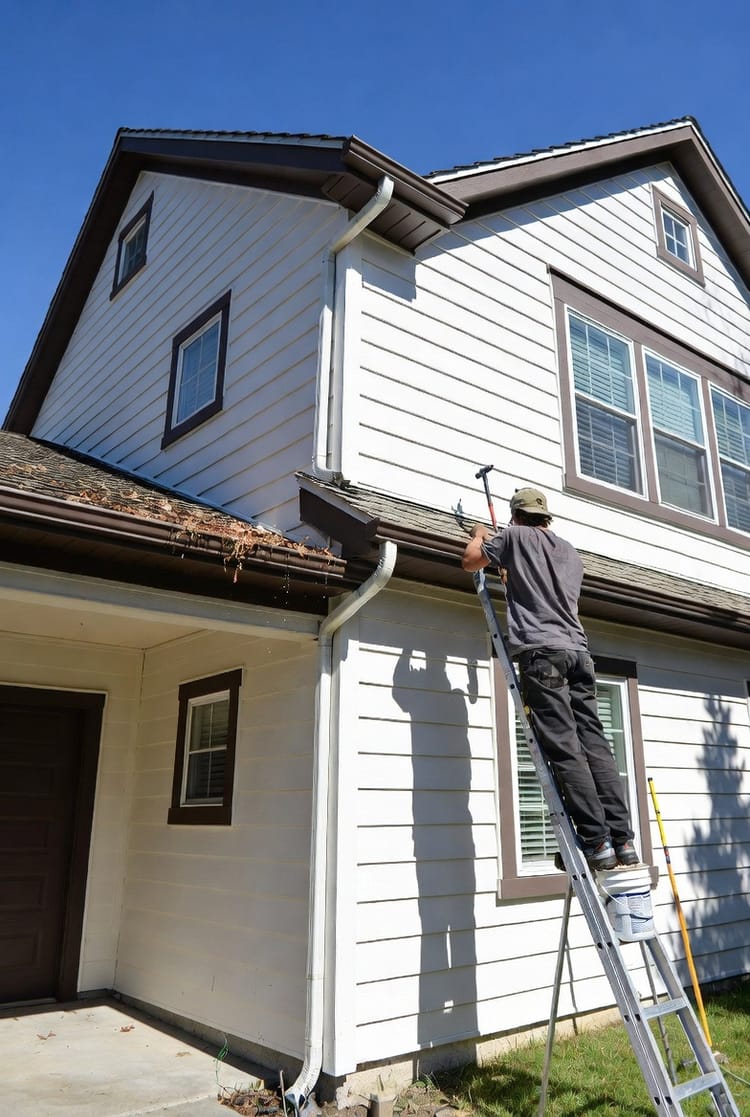
The Unsung Hero of Your Home: Why Gutter Health is Essential for Foundation Protection

As a homeowner, you invest time and resources into maintaining the visible aspects of your property—the fresh coat of paint, the manicured lawn, or the updated kitchen. But what about the elements that work silently behind the scenes? Gutters, often overlooked, play a pivotal role in safeguarding your home's structural integrity. In this comprehensive guide, we'll explore why prioritizing gutter health is crucial for foundation protection, how neglected gutters can lead to costly issues, and practical solutions to keep your home secure. Rest assured, with proactive steps, you can prevent problems before they escalate, ensuring your home remains a safe haven for years to come.
Your Foundation's Best Defense Starts at the Top – Call for a Free Assessment!
Understanding the Role of Gutters in Home Protection
Gutters are more than just metal channels along your roofline; they are your home's first line of defense against water damage. When rain falls, gutters collect and redirect it away from your foundation through downspouts. This simple yet effective system prevents water from pooling around the base of your house, which could otherwise lead to erosion, cracks, and long-term structural compromise.
Without functional gutters, water cascades directly off the roof, saturating the soil near your foundation. Over time, this excess moisture can cause the ground to expand and contract, exerting pressure on your home's base. Foundation damage isn't just an inconvenience—it's a serious risk that can result in uneven floors, sticking doors, and even wall cracks. By maintaining your gutters, you're actively protecting the very foundation your home stands on.
- Key Benefits of Healthy Gutters: They channel water efficiently, reduce soil erosion, and minimize the risk of basement flooding.
- Common Oversight: Many homeowners only address gutters during heavy storms, but regular checks can avert disasters.
The Dangers of Neglected Gutters: From Water Intrusion to Structural Rot
Failing to maintain your gutters can set off a chain reaction of problems. Let's break it down step by step to understand the risks.
Water Intrusion: The Silent Invader
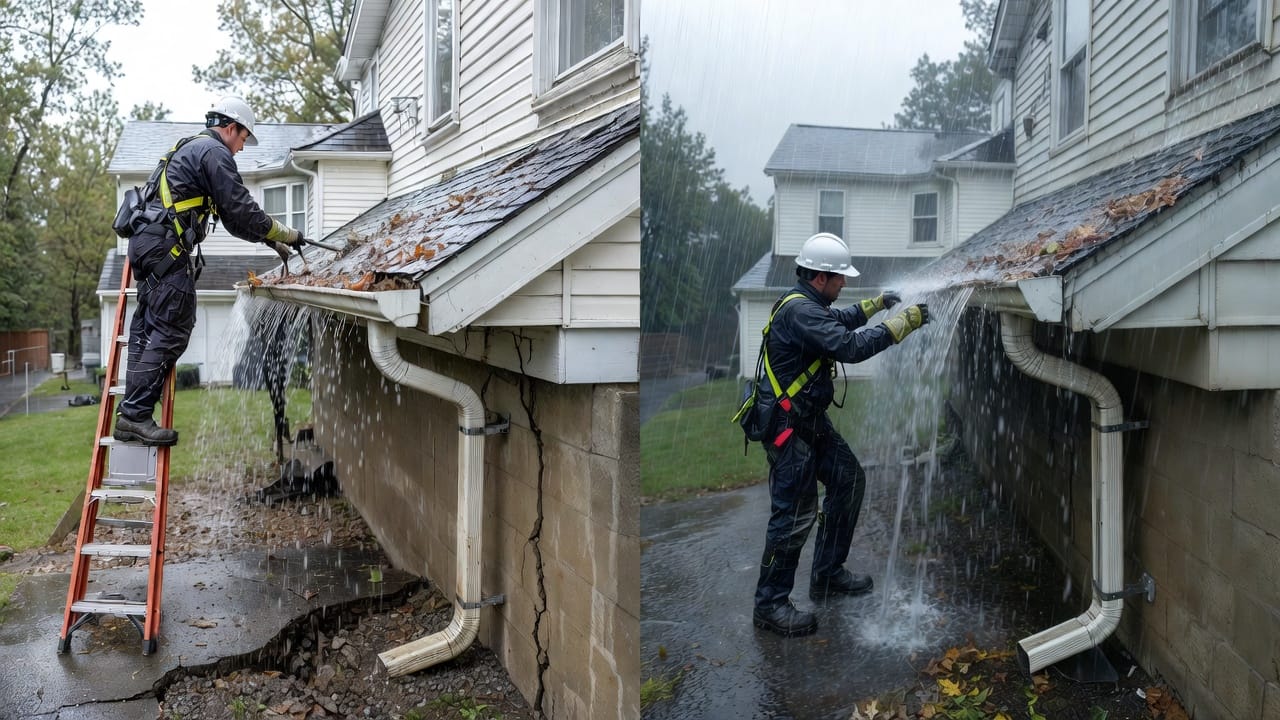
When gutters clog with leaves, debris, or ice, water overflows and seeps into unwanted areas. This water intrusion often starts subtly but can quickly become a major issue. Rainwater might pool against exterior walls, infiltrating through tiny cracks and reaching your basement or crawl space. Once inside, it promotes mold growth and weakens building materials.
In severe cases, persistent water exposure leads to hydrostatic pressure, where groundwater pushes against your foundation walls. This can cause bowing, cracking, or even collapse if left unchecked. Homeowners in rainy climates are particularly vulnerable, but even occasional downpours can exacerbate the problem if gutters aren't up to par.
Foundation Damage: A Costly Consequence
Your home's foundation bears the weight of the entire structure, and water is its greatest enemy. Clogged or damaged gutters allow water to erode the soil beneath, creating voids that lead to settling or shifting. Signs of foundation damage include:
- Cracks in walls or ceilings
- Doors and windows that no longer close properly
- Uneven or sloping floors
Repairing foundation issues can cost thousands, often requiring professional intervention like underpinning or pier installation. Prevention through gutter maintenance is far more economical and less disruptive.
Rot and Decay: Hidden Threats to Your Home's Longevity
Beyond the foundation, poor gutter performance contributes to rot in wooden elements. Overflowing water can soak fascia boards, soffits, and even siding, fostering wood rot and attracting pests like termites. In attics or roofs, trapped moisture from improper drainage might lead to mold, compromising indoor air quality and health.
Rot isn't always visible at first— it often hides behind walls or under eaves. By the time you notice discoloration or soft spots, significant damage may have already occurred. Regular gutter care acts as a barrier, directing water away and preserving your home's materials.
Proactive Solutions: Sizing, Guards, and Maintenance Strategies
The good news? You don't have to wait for problems to arise. Implementing effective solutions can enhance your gutter system's performance and protect your foundation. As experts in home maintenance, we recommend starting with an assessment to identify any weaknesses.
Proper Gutter Sizing for Optimal Performance
Not all gutters are created equal. Proper sizing is essential based on your roof's square footage, pitch, and local rainfall intensity. Standard 5-inch gutters suit most homes, but larger 6-inch options are ideal for steeper roofs or areas with heavy precipitation. Undersized gutters overflow easily, defeating their purpose.
When upgrading, consider seamless aluminum or copper gutters for durability. These materials resist corrosion and leaks better than sectional vinyl alternatives. A professional installation ensures precise fitting, maximizing water flow and minimizing risks.
Quality Gutter Guards: Your Shield Against Debris
One of the smartest investments is installing quality gutter guards. These screens or covers prevent leaves, twigs, and pests from entering while allowing water to pass through. Look for micro-mesh or reverse-curve designs that self-clean during rain, reducing maintenance needs.
Benefits of gutter guards include:
- Extended gutter lifespan by preventing clogs
- Reduced ladder climbs for cleaning, enhancing safety
- Better overall foundation protection by ensuring consistent drainage
Choose guards with warranties and professional-grade materials to avoid cheap imitations that might warp or fail prematurely.
Routine Maintenance: Simple Steps for Lasting Protection
Maintenance doesn't have to be overwhelming. Schedule biannual inspections—spring and fall—to clear debris and check for damage. Use a sturdy ladder or hire professionals for safety. Additionally:
- Extend downspouts at least 5-10 feet from the foundation to direct water away.
- Install splash blocks or underground extensions for enhanced drainage.
- Monitor for signs of sagging or detachment, addressing them promptly.
By adopting these habits, you'll maintain gutter health and safeguard your home against water-related threats.
Real-World Impacts: How Gutter Neglect Affects Home Value and Safety
Beyond immediate damage, poor gutter maintenance can diminish your property's value. Potential buyers often inspect for water issues during home appraisals, and visible signs of neglect—like stained walls or eroded landscaping—can lower offers. Structurally, compromised foundations pose safety risks, especially in earthquake-prone areas where stability is paramount.
On the positive side, well-maintained gutters enhance curb appeal and demonstrate responsible ownership. They also contribute to energy efficiency by preventing moisture-related insulation degradation. In essence, investing in gutters is investing in your home's future.
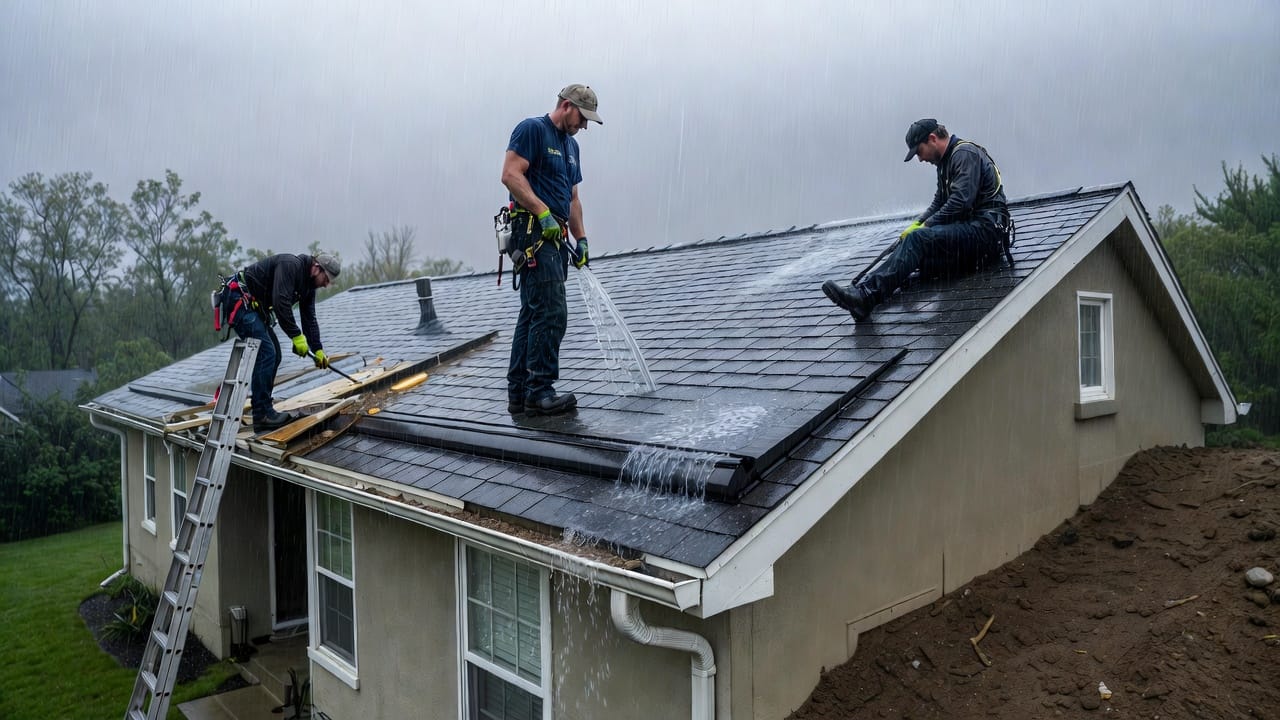
Environmental and Seasonal Considerations for Gutter Care
Your location and climate influence gutter needs. In leafy suburbs, fall debris is a primary concern, while winter ice dams in colder regions can cause backups. Warmer areas might deal with algae buildup from humidity.
Adapt your approach seasonally:
- Fall: Clear leaves frequently to prevent blockages.
- Winter: Use heated cables if ice is an issue, but ensure proper insulation to avoid roof damage.
- Spring/Summer: Inspect for storm damage and clean after pollen seasons.
Eco-friendly options, like recyclable gutter materials, also appeal to environmentally conscious homeowners, reducing waste while maintaining functionality.
Cost Savings Through Prevention: A Wise Investment
Preventative gutter care saves money in the long run. Cleaning costs $100-300 per session, far less than $5,000+ for foundation repairs. Guards, at $5-20 per linear foot, pay for themselves by minimizing cleanings.
Think of it as insurance—small, regular investments protect against major payouts. Home insurance may not cover neglect-related damage, so proactive measures keep premiums stable.
Empowering Homeowners: Tools and Tips for DIY Checks
While professionals handle complex tasks, you can perform basic checks. Use binoculars to spot clogs from the ground, or test flow by hosing the roof. If comfortable, flush gutters with a garden hose.
Always prioritize safety: Avoid ladders on uneven ground, and know your limits. For thorough evaluations, certified experts provide peace of mind.
Conclusion: Secure Your Home from the Top Down
Gutters may be unsung heroes, but their impact on foundation protection is undeniable. By addressing clogs, ensuring proper sizing, and installing quality guards, you prevent water intrusion, foundation damage, and rot. This preventative approach not only preserves your home's value but also offers reassurance in knowing you've taken authoritative steps toward long-term security.
Stop Water Damage Before It Starts – Schedule Your Gutter Check Today!