The Tree Risk Assessment: What Homeowners Should Know About Evaluating Tree Hazards.
Trees are cherished features of any landscape, offering shade, beauty, and increased property value. Yet, beneath their majestic appearance, potential tree hazards may lurk that could threaten homes, vehicles, or loved ones. Understanding the importance of a professional tree risk assessment empowers homeowners to make informed decisions about their landscape. Rather than waiting for a storm to reveal weaknesses, a systematic evaluation by qualified experts provides peace of mind and prevents costly emergencies.
Don’t Wait for a Storm – Book Professional Tree Evaluation Today
A formal tree risk assessment is a structured process conducted by certified arborists to determine the likelihood of tree failure and the potential consequences. This isn't a simple visual glance but a comprehensive analysis that considers multiple factors. Homeowners who invest in these assessments often find that early detection allows for targeted care or safe removal, preserving the safety of their property while maintaining the natural beauty of their yard.
In this guide, we will walk through the key components of a professional tree evaluation, helping you understand what arborists look for and why each element matters. Whether you're concerned about a leaning oak after heavy rains or simply want to ensure long-term safety around your home, knowing the process demystifies tree hazards and highlights the value of expert intervention.
Why Homeowners Benefit from Professional Tree Risk Assessments
Many homeowners assume their trees are safe if they look healthy from the ground. However, many serious issues develop internally or at the root level, invisible without specialized training and tools. A professional tree risk assessment offers reassurance by providing objective data and actionable recommendations.
Certified arborists follow industry standards to rate risks accurately, helping you avoid unnecessary worry or, conversely, overlooking genuine threats. This proactive approach not only protects your family and property but can also satisfy insurance requirements and enhance the overall health of your landscape. With expert guidance, you can enjoy your trees confidently, knowing potential issues are being managed responsibly.
The assessment process typically involves a detailed inspection, sometimes using advanced diagnostic equipment, followed by a clear report outlining risk levels and suggested next steps. This authoritative evaluation gives homeowners the knowledge they need without the guesswork.
What Goes Into a Formal Tree Risk Assessment
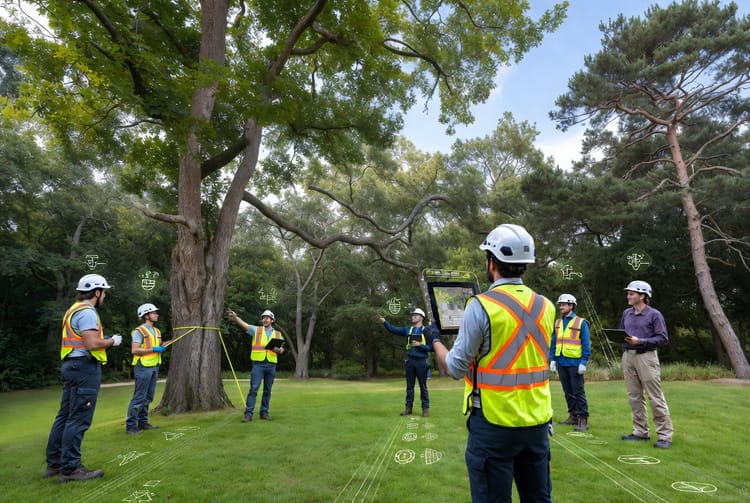
Professional evaluations break down into several critical components. By understanding these, homeowners gain insight into the science behind tree safety. Arborists systematically review tree species, visible and internal defects, surrounding site conditions, and target proximity to calculate overall risk.
This holistic method ensures no factor is overlooked. Let's explore each component in detail so you can appreciate the thoroughness involved.
Evaluating Tree Species and Their Inherent Vulnerabilities
Different tree species have unique characteristics that influence their stability. Fast-growing species like silver maples or cottonwoods often develop weak wood structures. Conversely, sturdy oaks may withstand storms better but can suffer from specific diseases over time.
Arborists consider the species' typical growth patterns, wood density, and common failure modes. For instance, trees with naturally brittle branches require closer monitoring in high-wind areas. This knowledge allows professionals to predict how a tree might behave under stress, reassuring you that the assessment is tailored to your specific landscape.
Identifying Structural Defects and Tree Condition
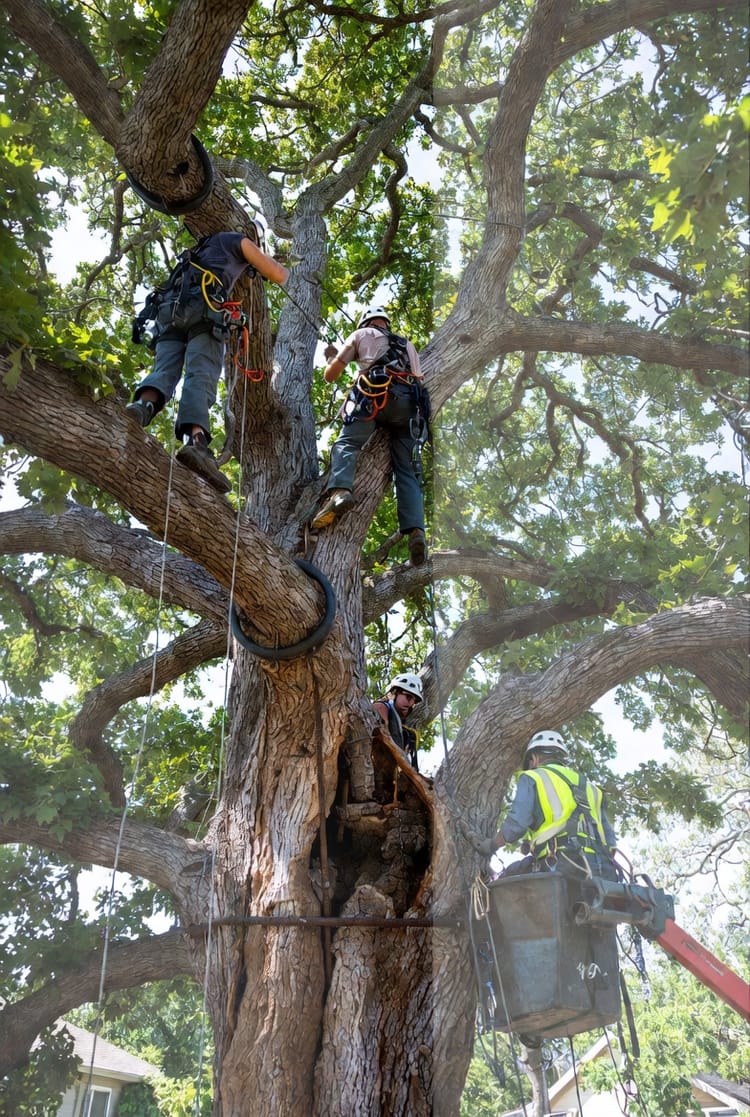
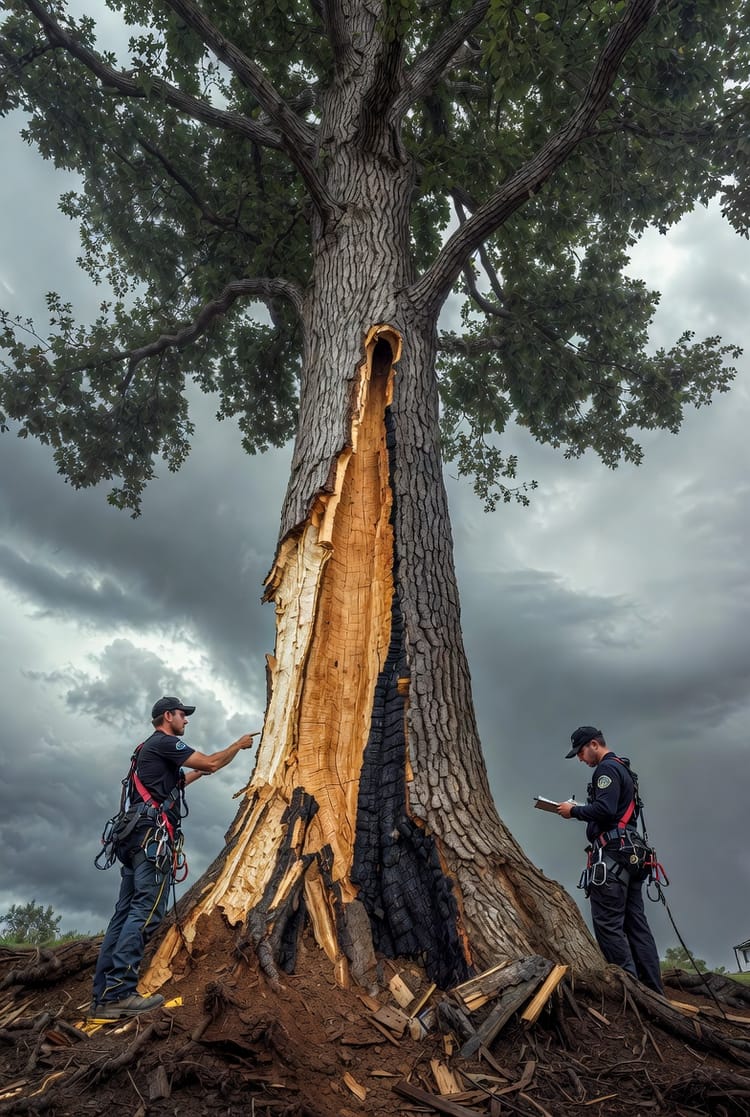
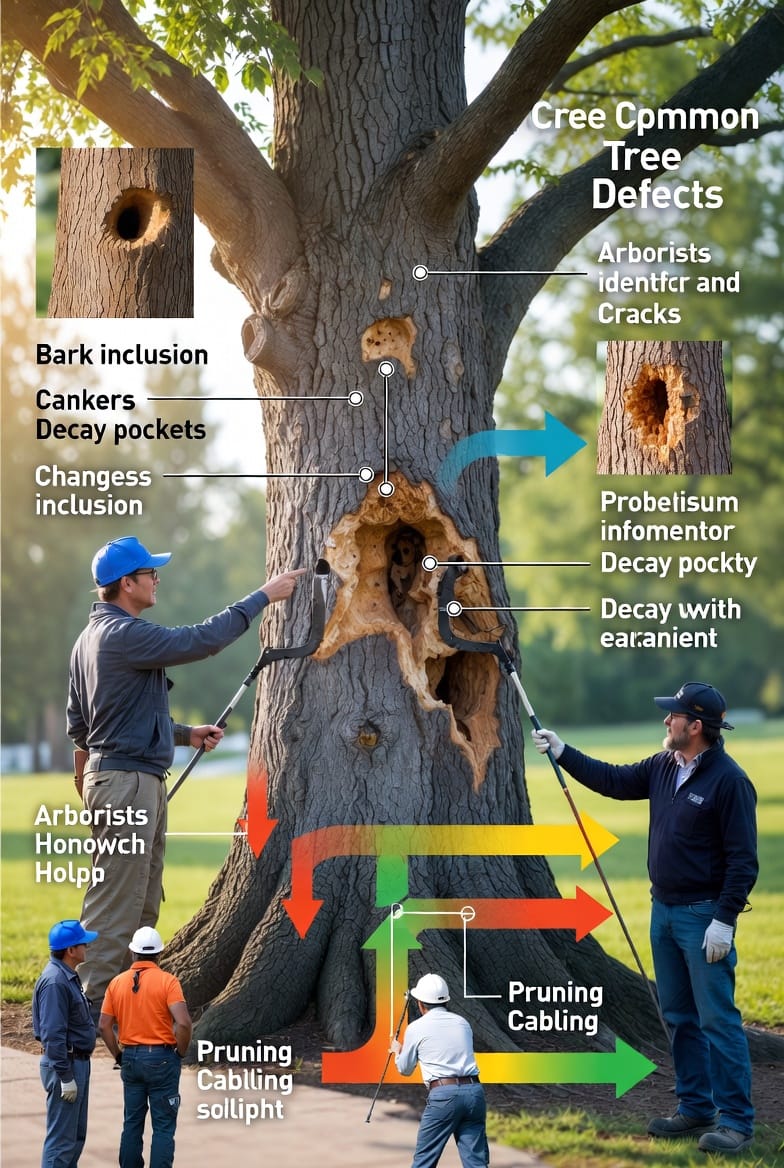
One of the most critical aspects of any tree risk assessment involves a detailed examination for structural defects. These can include cavities, cracks, decay, poor branch attachments, and more. Early identification prevents sudden failures.
Common defects arborists inspect for:
- Cavities and hollows: These often result from past injuries or decay and can significantly weaken the trunk's integrity.
- Cracks: Vertical or horizontal splits signal potential for the tree to separate under stress.
- Decay: Soft, discolored wood indicates fungal activity that compromises strength.
- Included bark: Where branches grow together improperly, creating weak unions prone to splitting.
- Cankers: Sunken areas on the bark that disrupt nutrient flow and weaken limbs.
Arborists use various methods to assess these, from visual and sounding techniques to more advanced tools. This thorough check provides homeowners with clear insights into the tree's true condition.
Evaluating Site Conditions and Environmental Factors
The environment around the tree plays a huge role in its health and stability. Site conditions include soil type and compaction, which affect root development. Poor drainage can lead to shallow roots vulnerable to uprooting.
Other factors include exposure to prevailing winds, nearby construction that may have damaged roots, and the slope of the land. An arborist assesses how these conditions interact with the tree, providing recommendations that fit your property's unique setting. This step ensures the tree risk assessment accounts for real-world influences that could amplify minor issues into major tree hazards.
Assessing Target Proximity and Potential Impact
The final component considers what lies within the tree's potential fall zone — your home, cars, power lines, or high-traffic areas. Targets include structures, vehicles, sidewalks, or places where people gather frequently.
The closer and more valuable the target, the higher the potential consequences. A tree with minor defects far from any structures may rate as low risk, while the same tree near your family's play area demands immediate attention. This calculation of consequences helps prioritize actions effectively and gives you confidence in the final recommendations.
Tools and Methods Used in Professional Tree Risk Assessments
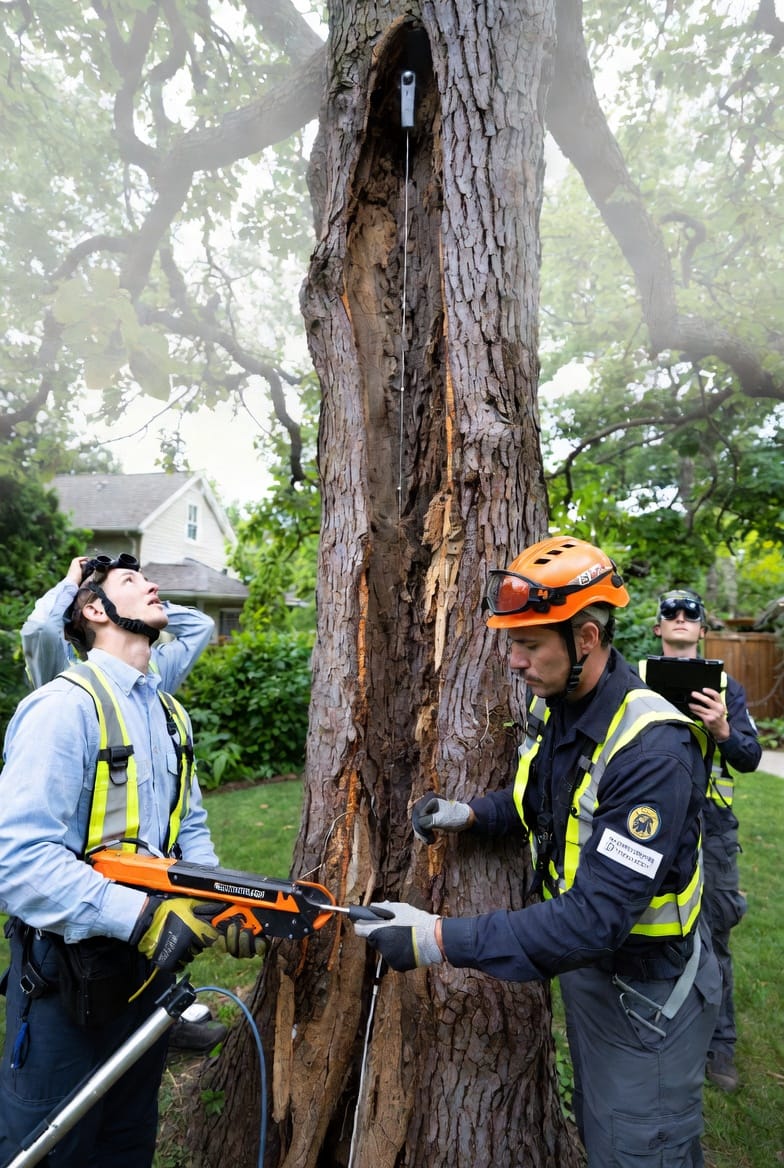
Arborists combine years of experience with modern technology for precise results. Visual inspections identify obvious issues, while sounding — tapping the trunk with a mallet — reveals hollow spots through changes in tone.
Advanced tools like the resistograph measure wood density by drilling a small hole and recording resistance, detecting internal decay without harming the tree. Other methods include sonic tomography, which creates images of internal conditions using sound waves. These techniques provide data-driven insights, allowing professionals to quantify defects accurately.
Homeowners appreciate this scientific approach because it removes guesswork. The report you receive after an assessment clearly explains findings in plain language, often with photos and diagrams, so you understand exactly what the experts observed and why certain steps are advised. This transparency builds trust and helps you feel in control of your property's safety.
Understanding Your Tree's Risk Level
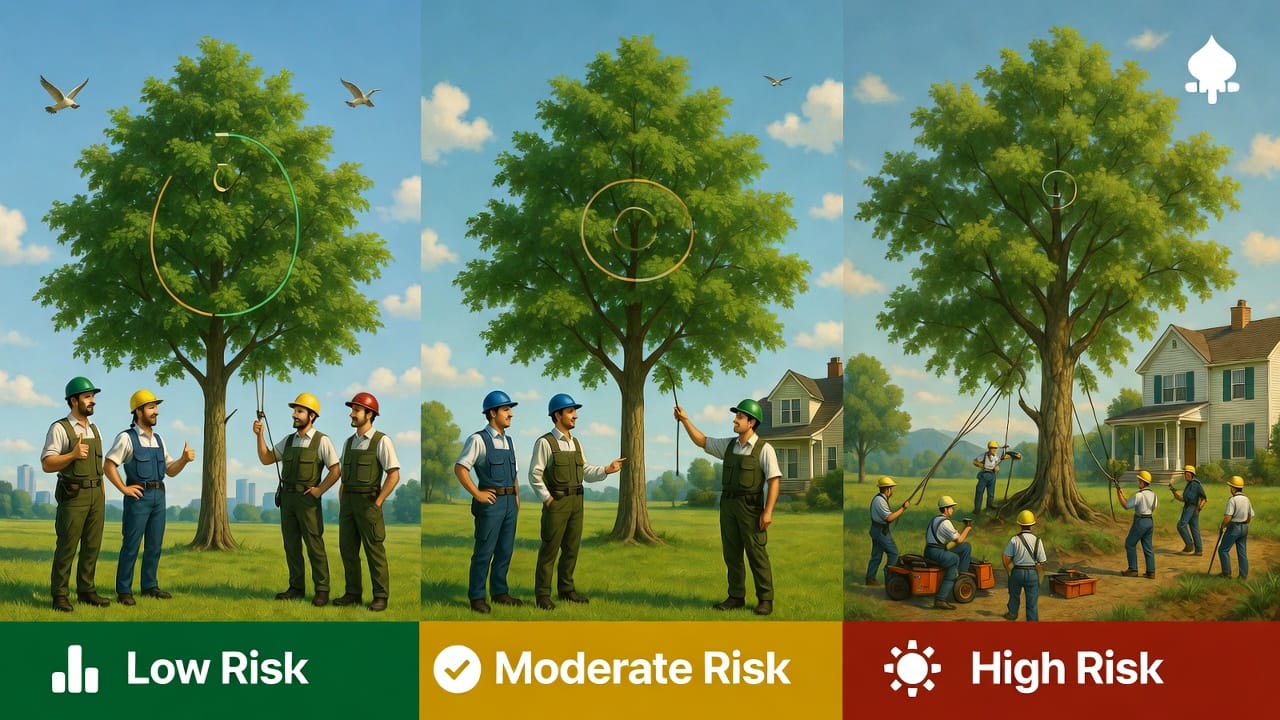
Once all components are analyzed, arborists assign an overall risk rating: low, moderate, or high. This rating combines the likelihood of failure with the severity of potential consequences.
Low risk trees show minor defects with no significant targets nearby and can often be monitored with routine care. Moderate risk involves some defects near occasional targets, where preventive pruning or cabling may suffice. High risk features significant defects near frequent targets, prompting urgent action such as targeted removal or major structural support.
Warning Signs Homeowners Can Spot Between Assessments
While professional evaluations are essential, you can watch for simple indicators that suggest it's time to schedule an assessment. Look for leaning trunks, cracked soil around the base, or dead branches in the upper canopy. Fungal growth at the roots or unusual leaf discoloration can also signal trouble.
Other red flags include:
- New cracks or splits in the trunk or major limbs.
- Heavy leaning toward structures or power lines.
- Multiple dead branches or sudden leaf drop.
- Exposed roots or heaving pavement nearby.
These signs don't automatically mean danger, but they warrant expert review. Early attention often allows simple solutions rather than emergency interventions.
Benefits of Scheduling a Professional Tree Risk Assessment
Investing in a tree risk assessment delivers numerous advantages beyond basic safety. It can extend the life of valuable trees through timely pruning or support systems. Many homeowners see reduced insurance premiums after documenting proactive care. The assessment also provides a written record for future reference or real estate transactions.
Rest assured, most assessments confirm that trees are stable, allowing you to relax and enjoy your landscape fully. When action is needed, the report guides you toward the most appropriate solutions, whether that's minor trimming, cabling weak branches, or strategic tree removal for high-risk specimens.
Debunking Common Myths About Tree Safety
One myth is that all large trees are inherently dangerous. In reality, size alone doesn't determine risk — proper evaluation does. Another misconception is that green leaves mean the tree is healthy inside; internal decay can exist without visible symptoms.
Some believe DIY inspections suffice, yet only certified professionals have the training and tools for accurate diagnosis. Understanding these myths prevents complacency and encourages timely professional help.
Choosing the Right Arborist and What to Expect
Select an ISA-certified arborist with proven experience in tree hazard evaluation. Ask about their assessment methods, insurance coverage, and sample reports. A reputable professional will explain every step clearly and offer options without pressure.
The process usually takes one to two hours per tree, depending on size and complexity. You'll receive a detailed report within days, complete with risk ratings, photos, and prioritized recommendations.
Preventive Care and Long-Term Tree Management
After the assessment, follow through with suggested care. Regular monitoring, proper mulching, and avoiding root damage from construction keep trees thriving. Seasonal checks after storms are wise, especially in regions prone to high winds or heavy snowfall.
By combining professional assessments with ongoing maintenance, you create a safe, beautiful landscape that serves your family for generations. This authoritative yet practical strategy minimizes risks while maximizing the enjoyment of your trees.
Safe Trees Start with a Pro Assessment – Call Right Now