The Tree Risk Assessment Matrix: How Arborists Quantify Hazard Potential
Trees add immense beauty, shade, and value to any property. Yet, when storms hit or trees age, they can pose significant risks to people, structures, and landscapes. That's where professional tree risk assessment becomes essential. Far from guesswork, certified arborists rely on structured methodologies like the Tree Risk Assessment Matrix to objectively measure hazard potential and determine the best course of action.
Safe Trees Start with Science – Call for Your Assessment
This systematic approach helps prioritize tree care needs, from routine maintenance to targeted tree removal. By quantifying risks, homeowners gain peace of mind knowing decisions are based on science rather than speculation. In this guide, we'll explore how arborists use this powerful tool to keep properties safe.
What Makes Professional Tree Risk Assessment Different
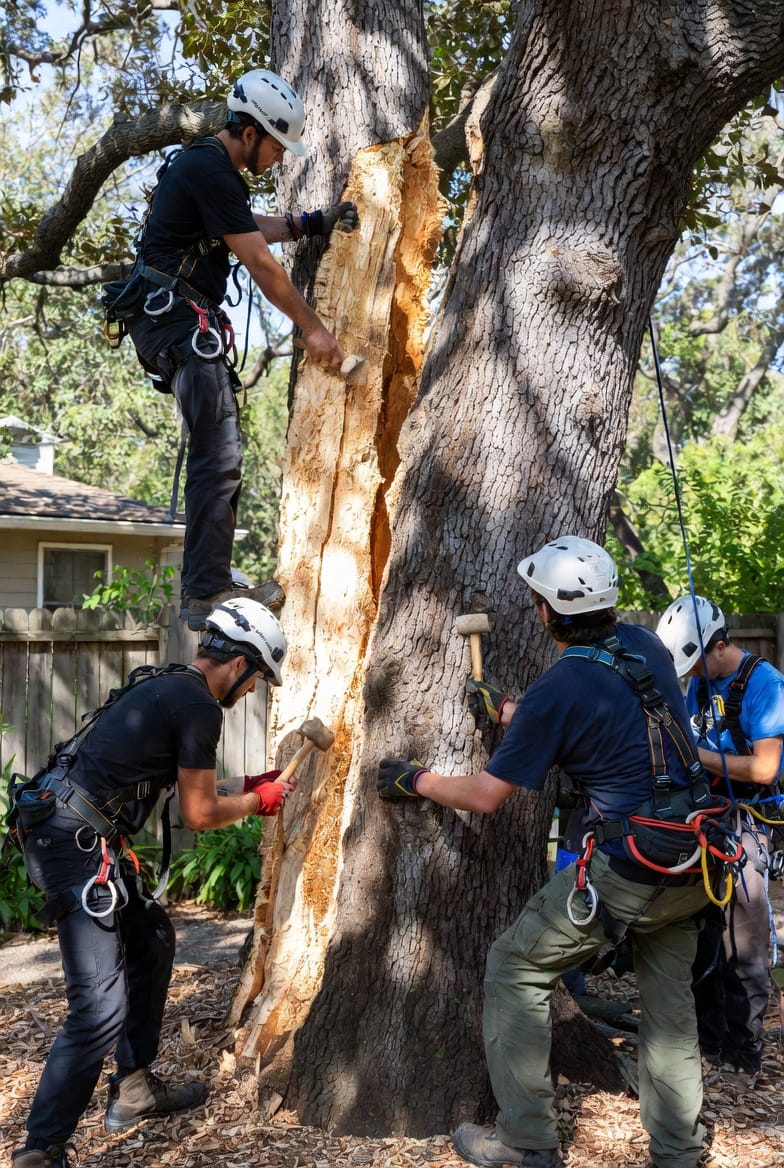
Visual checks by untrained eyes often miss critical issues hidden beneath bark or in root systems. Professional arborist tree evaluation goes much deeper. It combines field observations, diagnostic techniques, and data-driven analysis.
Arborists certified by organizations like the International Society of Arboriculture (ISA) follow standardized protocols. They assess not just the tree itself but its interaction with the surrounding environment. This holistic view allows for accurate predictions about potential failures.
The Tree Risk Assessment Matrix serves as the cornerstone of this process. It transforms complex observations into clear risk categories, helping clients understand why certain trees require immediate attention while others can remain with monitoring.
The Core Risk Calculation Formula
At the heart of the matrix lies a straightforward yet powerful formula:
Likelihood of failure × Likelihood of impact × Consequences of failure
This multiplication approach ensures that all three dimensions of risk receive proper weight. Arborists assign ratings to each component based on detailed inspections, then multiply them to generate an overall risk level.
Breaking Down Likelihood of Failure
Likelihood of failure evaluates how probable it is that a tree or its parts will break or fall. Arborists look for defects such as:
- Cavities or decay
- Cracks in the trunk or branches
- Poor attachment points
- Root damage
Using tools like resistograph drills or sonic tomography, they measure internal conditions. A tree with advanced decay might receive a "high" rating here, signaling urgent concern.
Understanding Likelihood of Impact
Even if a tree is likely to fail, the risk depends on whether anything important lies in its potential fall path. Likelihood of impact considers the presence of targets – people, homes, vehicles, or power lines.
In busy areas, this factor rises significantly. An arborist might rate this as "probable" if the tree overhangs a frequently used patio or sidewalk.
Evaluating Consequences
Consequences measure the severity of damage should failure occur. A large branch falling on a roof carries higher consequences than one landing in an open field. Factors include the size of the failing part and the vulnerability of targets below.
By multiplying these three elements, the matrix produces a composite score. Low scores might mean "monitor annually," while high scores often lead to recommendations for pruning, cabling, or professional tree removal.
How Arborists Apply the Matrix in Practice
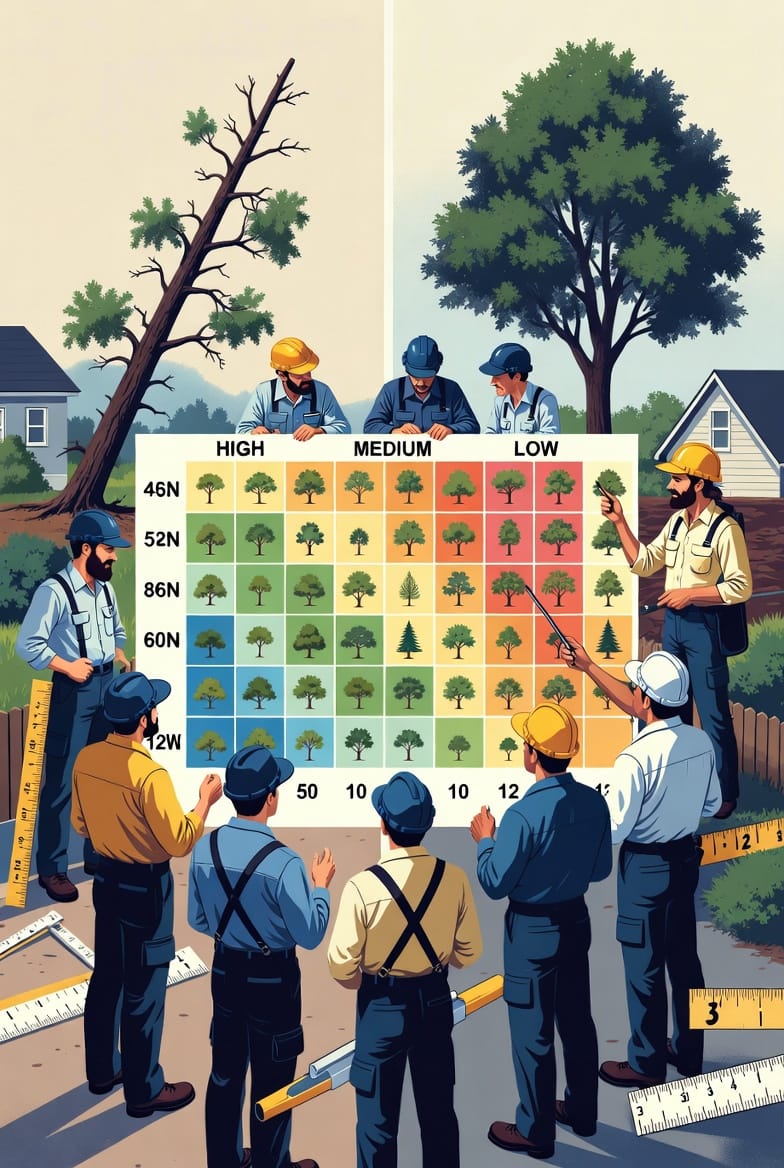
The matrix isn't just theoretical; it's a practical decision-making framework used on every inspection. Arborists collect data during on-site visits and plot it onto the grid.
This allows them to:
- Compare multiple trees on the same property
- Track changes over time
- Communicate risks clearly to property owners using visual aids
For example, a leaning tree near a driveway might score high due to elevated failure and impact likelihoods. Conversely, a healthy specimen away from structures could rate very low.
Prioritization becomes straightforward. High-risk trees receive immediate action plans, medium-risk ones get scheduled maintenance, and low-risk trees are placed on long-term observation.
Key Factors Arborists Consider
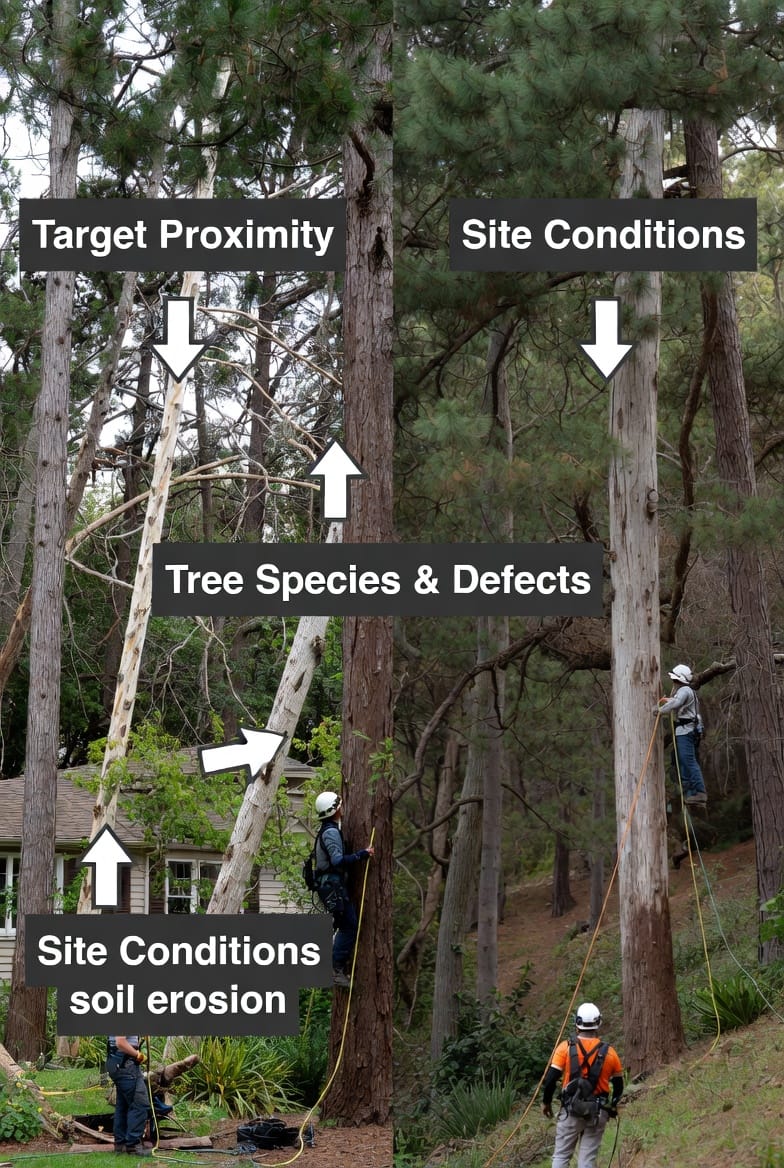
Several variables feed into the matrix calculations. Understanding these helps property owners appreciate the depth of professional analysis.
- Target Proximity: Distance to buildings, roads, and activity zones
- Tree Species: Some varieties are more prone to specific failures
- Defect Type: From codominant stems to included bark
- Site Conditions: Soil type, wind exposure, and recent construction impacts
These elements are carefully documented during assessments.
Benefits of Using the Risk Assessment Matrix
Adopting this quantified approach offers numerous advantages:
- Enhanced Safety: Identifies threats before they become emergencies
- Cost Efficiency: Prevents unnecessary removals while addressing real dangers
- Legal Protection: Demonstrates due diligence for liability concerns
- Peace of Mind: Homeowners understand exactly where they stand
Regular assessments using the matrix can extend the safe lifespan of valuable trees through timely interventions like bracing or pruning.
When Professional Evaluation Becomes Essential
Certain situations demand expert arborist tree evaluation without delay:
- After severe storms
- When trees show visible lean or cracks
- During property sales or renovations
- For older or high-value specimen trees
Waiting for problems to worsen can lead to costly damages or safety incidents. The matrix provides the roadmap for proactive care.
Throughout the assessment process, arborists emphasize transparency. They explain findings in plain language and present options tailored to your specific situation and budget.
Taking Action Based on Assessment Results
Once risks are quantified, the matrix guides next steps:
- Low Risk: Annual monitoring recommended
- Medium Risk: Targeted pruning or support systems
- High Risk: Prompt tree removal or major structural work
In many cases, partial solutions preserve the tree's benefits while mitigating hazards. However, when risks cannot be reduced to acceptable levels, safe removal by trained professionals ensures complete resolution.
This methodical process reassures clients that every decision serves their best interests and the long-term health of their landscape.
Conclusion: Trust Science Over Speculation
Trees enrich our lives in countless ways, but responsible ownership requires vigilance. The Tree Risk Assessment Matrix empowers arborists to quantify hazard potential accurately, leading to smarter, safer choices about tree management and removal.
Don't leave the safety of your property to chance. Get a professional risk assessment, not a guess.
Avoid Costly Surprises – Certified Arborist Consultation Today