The Tree Inventory and Management Plan: Long-Term Planning for Your Property
In today’s world of property ownership, trees are far more than beautiful landscape features. They represent significant investments in beauty, environmental health, and property value. Yet without strategic oversight, even the most majestic trees can become liabilities. That is precisely why a professional tree inventory and management plan stands as the cornerstone of responsible, forward-thinking tree care.
Get Your Tree Inventory Started Today – Call Now!
This comprehensive approach goes well beyond simple observation. It delivers a data-driven roadmap that safeguards your property for decades. Whether you manage a private estate, a commercial campus, or a family homestead, investing in a tree inventory ensures every decision—from routine pruning to selective removals and thoughtful new plantings—serves your long-term vision.
At its core, a tree inventory is a systematic evaluation conducted by certified arborists. The process assesses species identification, overall health, potential risk factors, and ecological or aesthetic value. The resulting tree management plan then translates these insights into prioritized, phased actions that protect people, structures, and the very trees you cherish.
Understanding the Foundation: What a Professional Tree Inventory Delivers
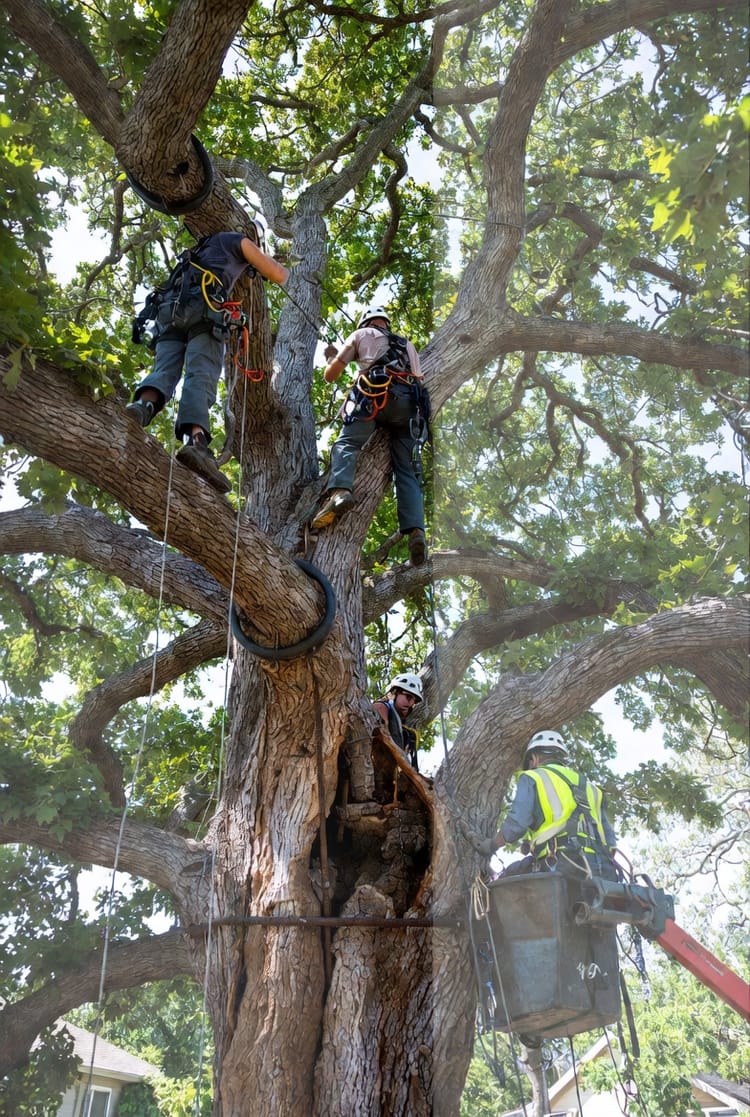
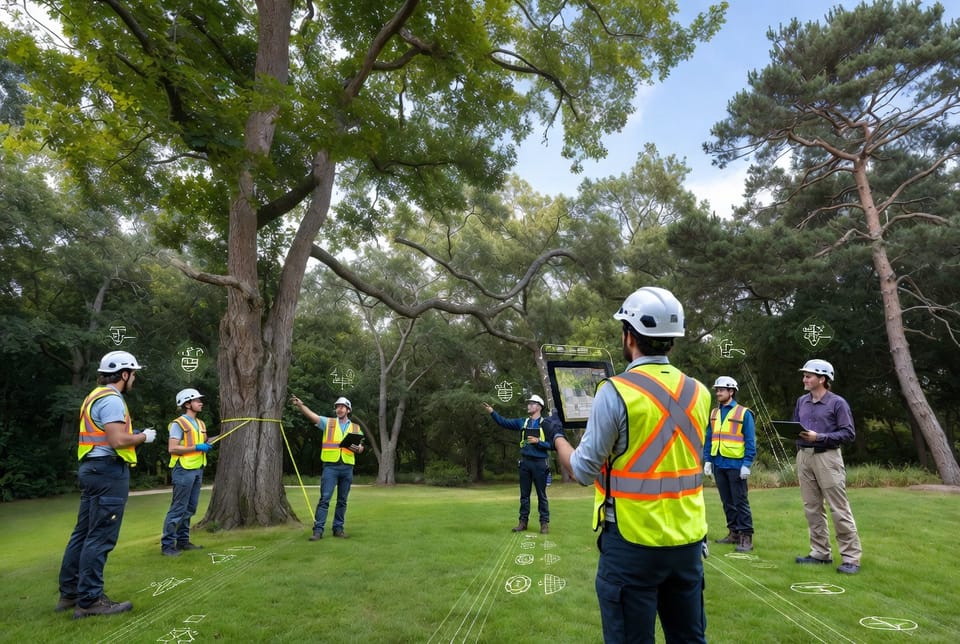
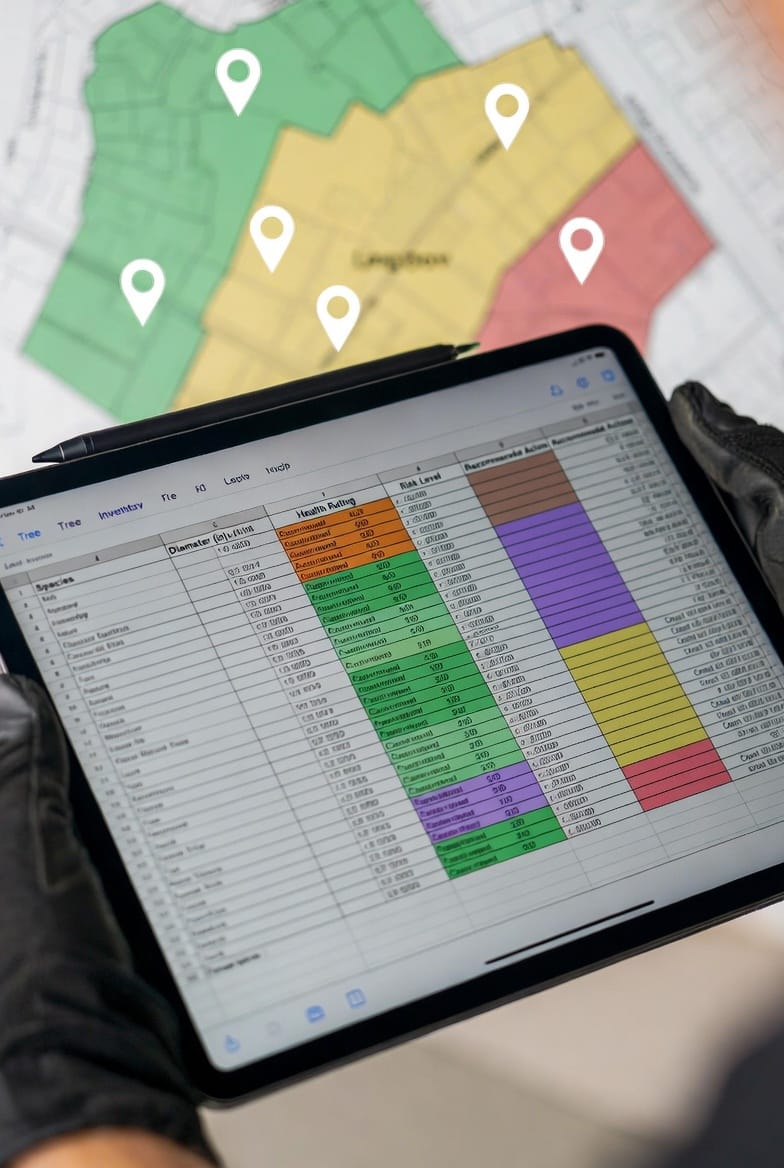
A thorough tree inventory begins with expert observation and advanced technology. Arborists walk your property, cataloging every tree above a certain size threshold—typically six inches in diameter at breast height. Each specimen receives a unique identifier and enters a secure digital database.
Species identification forms the first critical layer. Knowing whether a tree is a native red oak or an invasive callery pear matters enormously. Different species carry distinct growth habits, pest vulnerabilities, and longevity profiles. Accurate identification prevents mismatched care and guides future planting choices that enhance biodiversity.
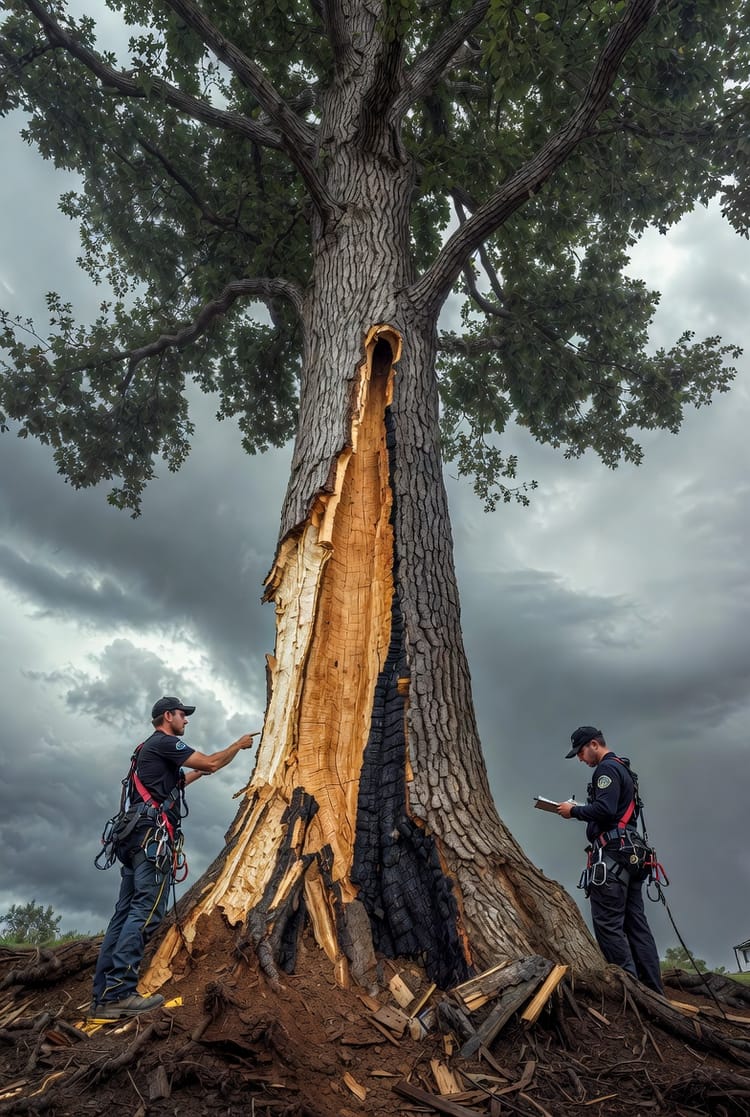
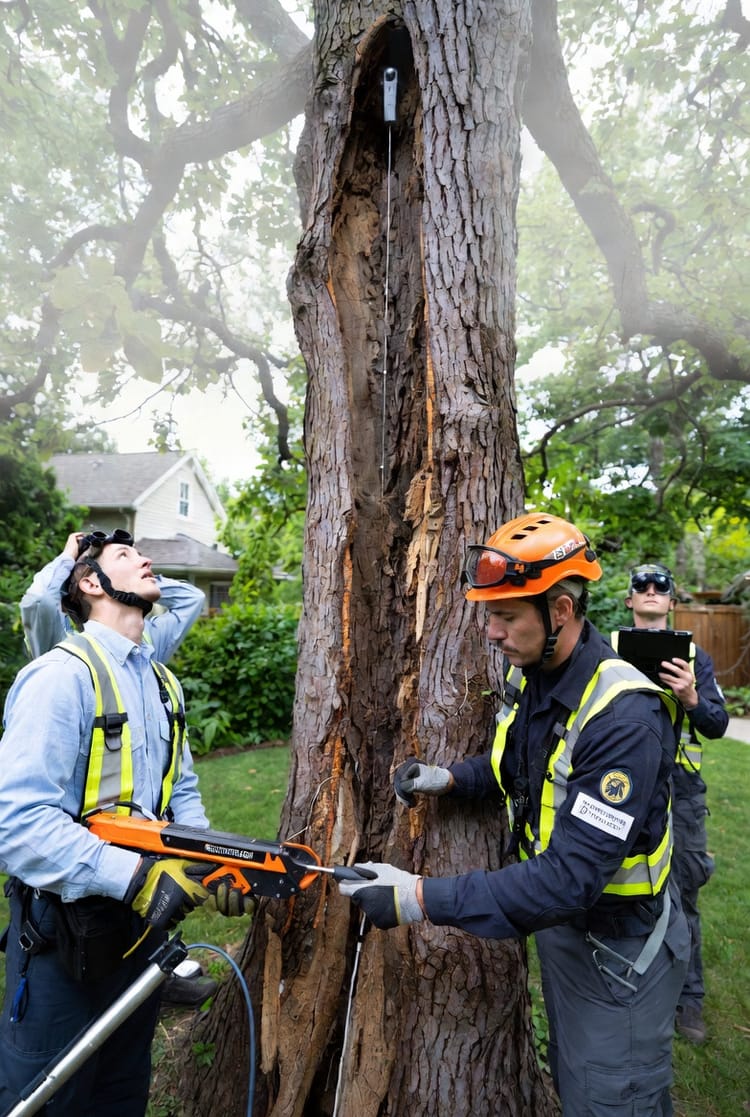
Next comes health assessment. Arborists examine foliage density, canopy symmetry, trunk integrity, and root-zone conditions. They look for early warning signs such as fungal fruiting bodies, boring insect activity, or vascular staining. By catching decline early, you avoid costly emergencies and extend the lifespan of valuable specimens.
Risk evaluation follows as a non-negotiable priority. Every tree receives a standardized risk rating based on likelihood of failure and potential consequences. Factors include defective branch attachments, codominant stems, included bark, and proximity to targets like homes, power lines, or high-traffic walkways. This objective scoring system removes guesswork and boldly highlights urgent safety concerns before they escalate.
Finally, arborists assign value ratings that blend ecological, aesthetic, and economic considerations. A mature shade tree cooling your home in summer may score higher than a fast-growing volunteer sapling crowding a driveway. These value ratings ensure the tree management plan preserves your most beneficial assets while addressing lower-priority individuals.
Building the Long-Term Management Plan: Strategy Over Reaction
Once the inventory data is compiled, the real power emerges: a customized tree management plan tailored to your property’s unique needs and your personal goals. This living document outlines multi-year recommendations for pruning, removals, new plantings, and monitoring intervals.
Consider pruning schedules. The plan might recommend crown thinning every three years for certain maples to reduce wind resistance and improve light penetration. Structural pruning on young trees prevents future defects, saving thousands in corrective work later. By scheduling these interventions proactively, you maintain tree vigor and minimize stress.
Selective removals appear only when truly justified—perhaps a high-risk ash tree confirmed to harbor emerald ash borer or a declining pine threatening a roofline. The plan phases these removals over time, allowing replacement planting to occur in the same season. You never face sudden bare spots or emergency expenses.
New plantings receive equal strategic attention. The tree management plan suggests species that thrive in your soil type, microclimate, and space constraints. Diversity becomes a deliberate goal, reducing the risk of widespread pest outbreaks that plague monocultures. You receive a phased planting calendar that spreads costs and ensures continuous canopy coverage.
Why Property Owners Choose Professional Tree Inventories
The advantages extend far beyond aesthetics. Property owners who implement a professional tree inventory consistently report greater peace of mind and measurable financial benefits.
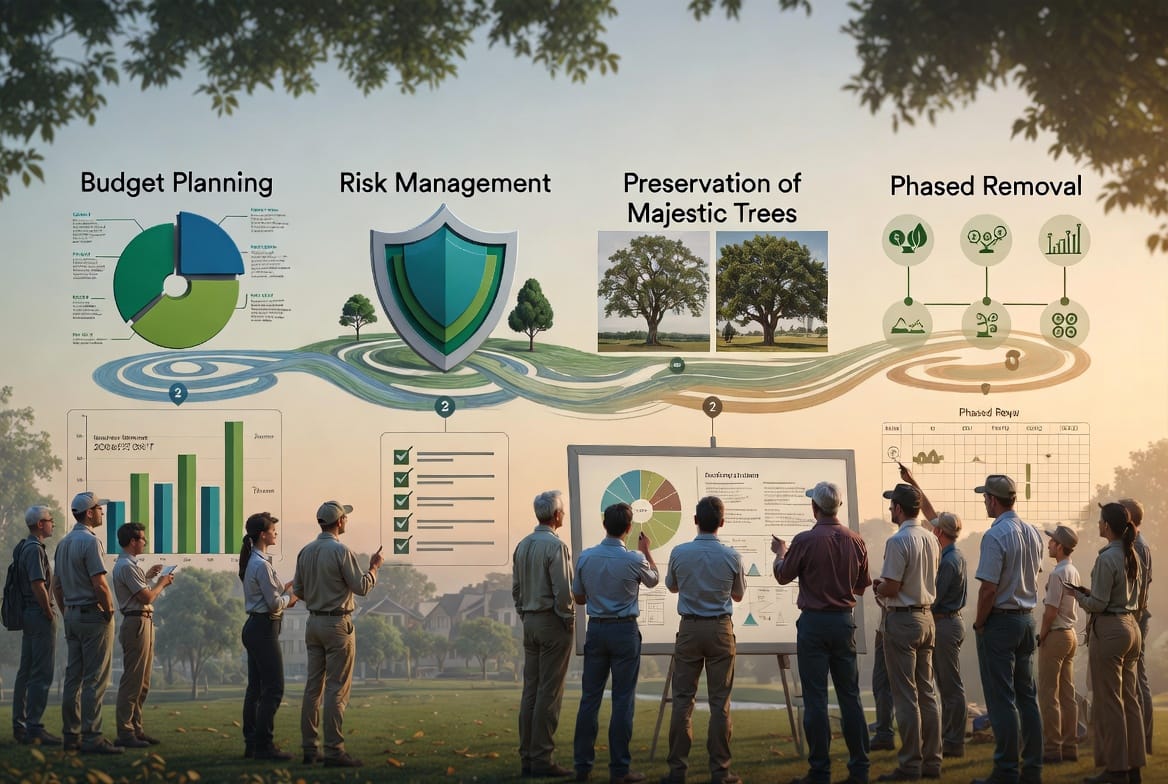
- Budget predictability: Instead of surprise removal bills after storm damage, you operate with a clear five- or ten-year forecast.
- Risk management: Insurance companies often reward documented risk assessments with lower premiums.
- Preservation of valuable trees: High-value specimens receive targeted care that extends their contribution to your landscape.
- Phased removals and plantings: Work spreads across seasons, minimizing disruption and maximizing success rates.
These outcomes stem directly from expert analysis rather than reactive maintenance.
Conducting the Inventory: A Transparent, Collaborative Process
When you partner with certified arborists, the inventory process feels seamless and informative. An initial consultation establishes your priorities—perhaps storm resilience, wildlife habitat enhancement, or heritage tree preservation.
Fieldwork typically spans one to three days depending on property size. Arborists use GPS-enabled tablets, high-resolution cameras, and resistance drilling tools to gather precise data without unnecessary climbing. Safety remains paramount; every team member follows International Society of Arboriculture best practices.
Data flows into specialized software that generates interactive maps and sortable reports. You receive both a comprehensive written tree management plan and a digital version you can reference anytime. Regular updates keep the plan current as trees grow and conditions evolve.
Addressing Common Concerns and Misconceptions
Many property owners hesitate, wondering if a tree inventory is only for large commercial sites. In truth, any property with ten or more mature trees benefits dramatically. Even smaller lots gain clarity when multiple specimen trees compete for space near structures.
Others worry the plan will recommend aggressive removals. On the contrary, professional arborists prioritize preservation. The tree management plan often identifies opportunities to save trees through targeted cabling, bracing, or soil amendments—solutions far less invasive than removal.
Still others fear the process will disrupt daily life. Modern inventory methods require minimal intrusion. Most assessments occur from the ground, and arborists coordinate around your schedule to respect privacy and landscaping.
Real-World Impact: Strategic Planning in Action
Imagine a suburban estate with a historic oak grove showing early signs of root compaction from nearby construction. A professional tree inventory revealed that three specimens faced moderate risk while the remaining twelve thrived. The resulting tree management plan prescribed deep root-zone aeration, mulching programs, and a five-year monitoring schedule. Two lower-value volunteer trees were removed to reduce competition, and replacement native understory species were planted. Five years later, the grove remains a centerpiece of the property, healthier and more resilient than ever.
Or consider a commercial property bordered by aging poplars near parking areas. Risk ratings flagged several individuals as high-priority concerns. The plan phased removals across three seasons, installed storm-resistant cultivars in their place, and scheduled annual inspections. Property managers avoided liability claims, improved curb appeal, and maintained uninterrupted tenant access.
These examples illustrate how a tree inventory and management plan transforms reactive worry into confident, proactive stewardship.
Integrating Technology and Sustainability
Today’s leading arborists blend traditional expertise with cutting-edge tools. Drones provide canopy-level imagery, while soil sensors track moisture and nutrient levels. Artificial intelligence assists in pattern recognition for early pest detection. Yet technology serves the human element: seasoned arborists interpret data and craft plans that respect both scientific principles and your personal connection to the landscape.
Sustainability remains central. The tree management plan emphasizes carbon sequestration, stormwater management, and pollinator support. By choosing the right species and protecting existing canopy, you contribute meaningfully to local environmental health while enhancing property resilience against climate pressures.
Maintaining Your Plan: Ongoing Partnership for Lasting Success
A tree management plan is not a one-time document. Annual or biennial reviews keep recommendations aligned with changing conditions—new construction, severe weather events, or shifting family needs. Your arborist team becomes a trusted advisor, offering seasonal guidance and performing recommended work with precision.
This ongoing relationship delivers compounding benefits. Trees remain safer, more attractive, and more valuable over time. Property resale documentation often includes the inventory report, giving buyers confidence and potentially increasing market value.
Key Components That Make the Difference
Every professional tree inventory evaluates four interconnected elements that shape your tree management plan:
- Species composition determines long-term suitability and maintenance needs.
- Health metrics guide targeted treatments and early intervention.
- Risk profiles prioritize safety without unnecessary action.
- Value assessments ensure resources focus on trees that matter most to you.
Together these components create a balanced, evidence-based strategy.
Taking the Next Step Toward Strategic Tree Care
You deserve a landscape that enhances safety, beauty, and peace of mind for generations. A professional tree inventory and management plan provides exactly that foundation—clear data, expert recommendations, and a reassuring path forward.
No more guessing. No more reactive decisions. Just confident, long-term planning that honors your property and the living assets it contains.
Protect Your Property with Expert Tree Assessment – Call Today