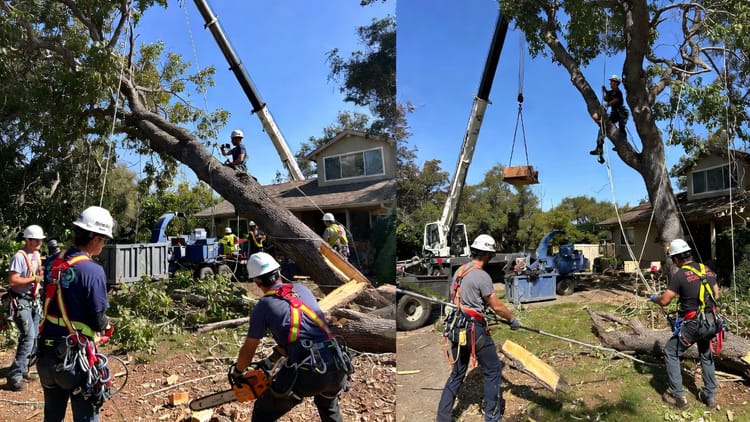
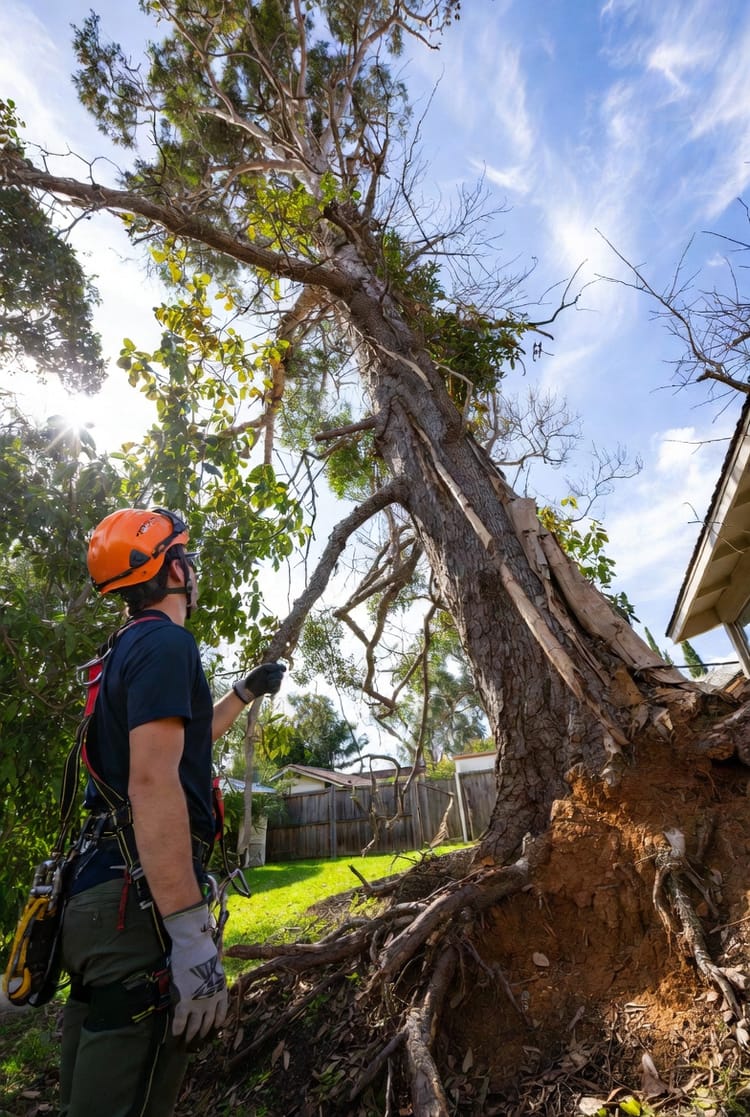
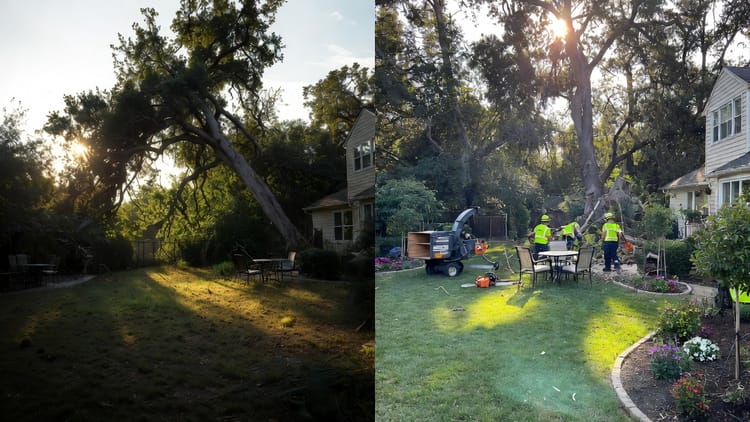
The Tree Crown Reduction: When Pruning, Not Removal, Is the Right Solution for Overgrown Trees
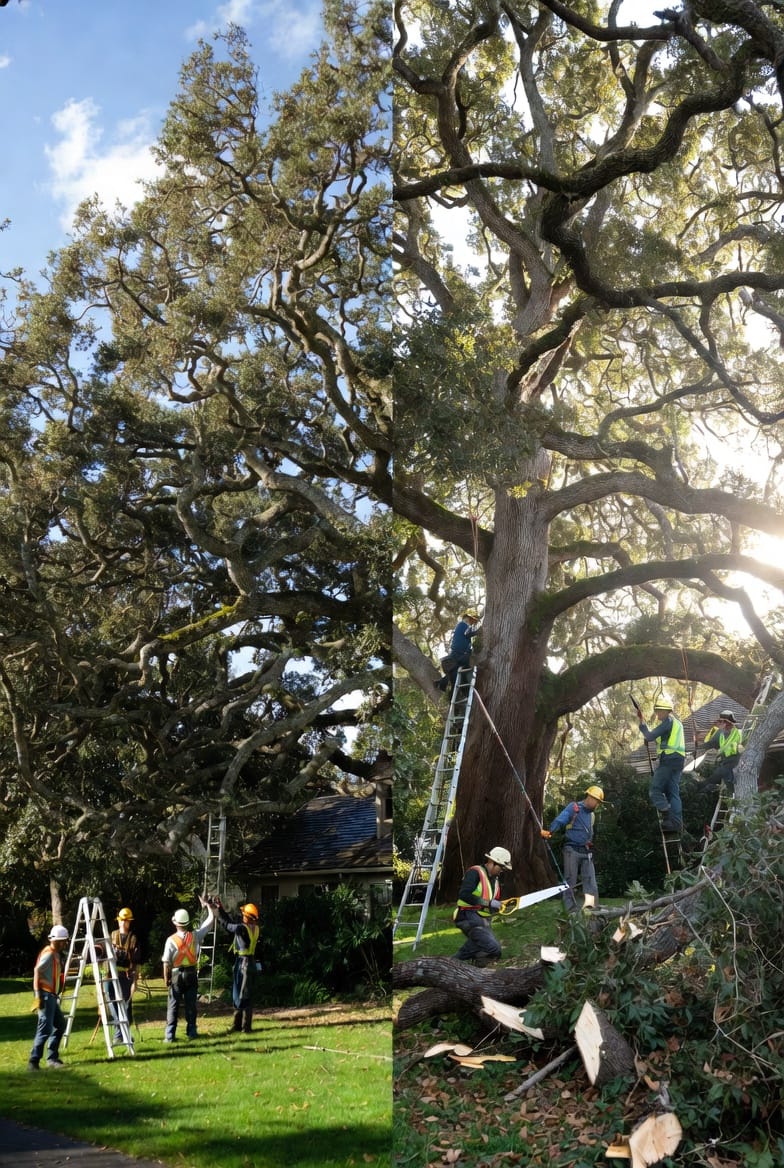
In the world of tree care, not every overgrown tree demands the drastic measure of complete removal. As a homeowner or property manager, you might worry about branches encroaching on your roof, blocking sunlight, or posing safety risks during storms. But there's a smarter, more sustainable alternative: tree crown reduction. This professional pruning technique carefully shortens branches to reduce the overall size of the tree while preserving its natural form and health. Unlike harmful practices that can lead to long-term damage, crown reduction offers a balanced solution that addresses your concerns without sacrificing the tree's vitality.
Choose Preservation Over Removal – Call for Crown Reduction
In this comprehensive guide, we'll explore what crown reduction entails, how it differs from destructive methods like topping, when it's the ideal choice, and why it promotes tree health amid safety needs. Drawing from arboricultural best practices, we'll reassure you that with expert intervention, your trees can thrive for years to come. If you're searching for "tree crown reduction near me" or wondering about "pruning overgrown trees," read on to discover how this method can transform your landscape responsibly.
Understanding Tree Crown Reduction: A Gentle Approach to Size Management
Tree crown reduction is a specialized pruning strategy designed to decrease the height and spread of a tree's canopy by selectively shortening branches. Arborists target specific limbs, cutting them back to a suitable lateral branch or bud that can assume the role of the new leader. This ensures the tree maintains its structural integrity and aesthetic appeal, avoiding the stubby, unnatural look that often results from improper cuts.
Why choose reduction over removal? Trees provide invaluable benefits—shade, air purification, wildlife habitat, and property value enhancement. Removing a mature tree can disrupt ecosystems, increase erosion risks, and even raise energy bills due to lost shade. Crown reduction, however, allows you to keep these advantages while mitigating issues like overgrowth. It's particularly effective for species like oaks, maples, and elms that respond well to thoughtful pruning.
Key to this process is timing and technique. Performed during the dormant season (late winter to early spring for most trees), it minimizes stress and encourages healthy regrowth. Professional arborists use tools like pole pruners and chainsaws with precision, ensuring cuts are clean and angled to promote healing.
The Critical Difference: Crown Reduction vs. Topping
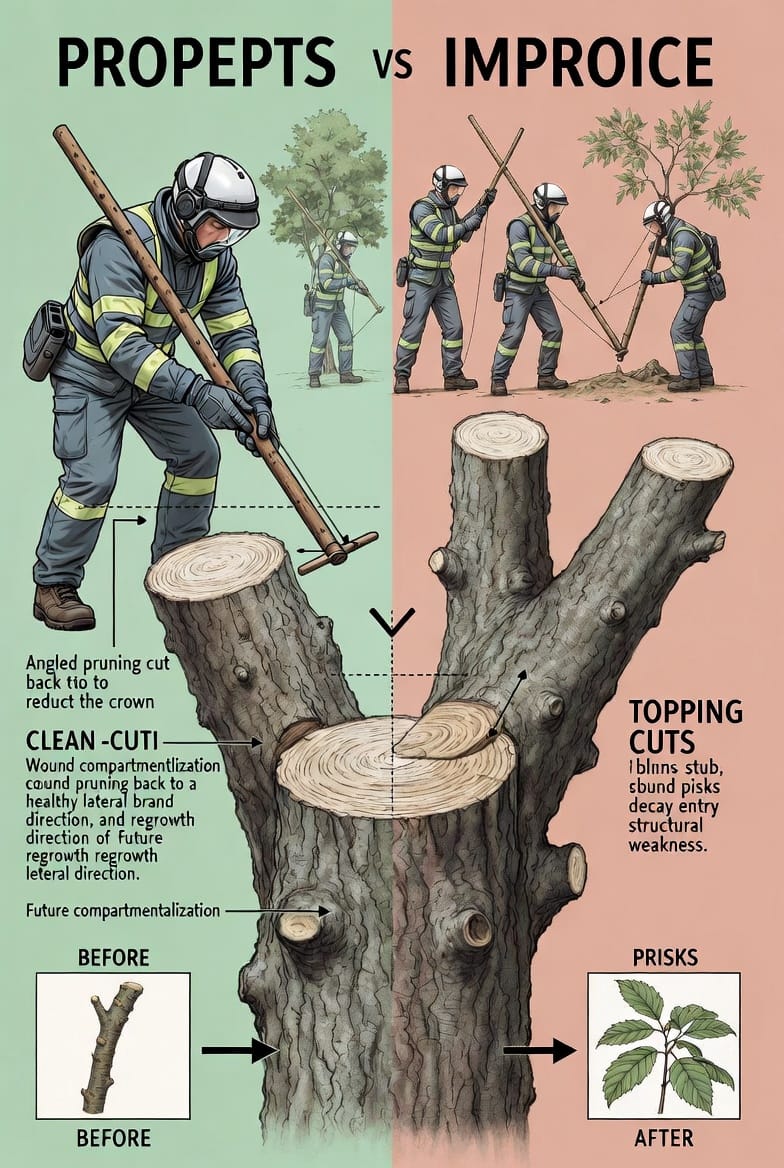
One of the most common misconceptions in tree care is confusing crown reduction with topping—a harmful practice that involves indiscriminately cutting off the top of the tree, leaving stubs. While both aim to reduce size, their impacts couldn't be more different.
- Crown Reduction: This method respects the tree's biology. Cuts are made back to a lateral branch at least one-third the diameter of the removed limb, allowing natural wound closure and continued growth. It reduces the risk of decay, insect infestation, and weak regrowth.
- Topping: Often done cheaply and quickly, topping creates large, exposed stubs that invite pathogens and lead to rapid, unstable sprouts (known as water sprouts). This weakens the tree structurally, increasing the likelihood of branch failure and necessitating more frequent maintenance—or eventual removal.
Research from the International Society of Arboriculture (ISA) highlights that topped trees suffer from reduced lifespan and heightened safety hazards. In contrast, properly executed crown reduction enhances stability by lowering the center of gravity and reducing wind resistance. If you've noticed "topped trees before and after" images online, you'll see the stark contrast: topped trees look mutilated, while reduced crowns appear balanced and vibrant.
By opting for crown reduction, you're investing in long-term tree health, avoiding the risks of topping such as sunscald, nutrient deficiencies, and aesthetic decline.
When Is Crown Reduction Appropriate? Identifying the Right Scenarios
Not every tree needs crown reduction, but it's an excellent option when overgrowth intersects with practical needs. Here are key situations where this technique shines:
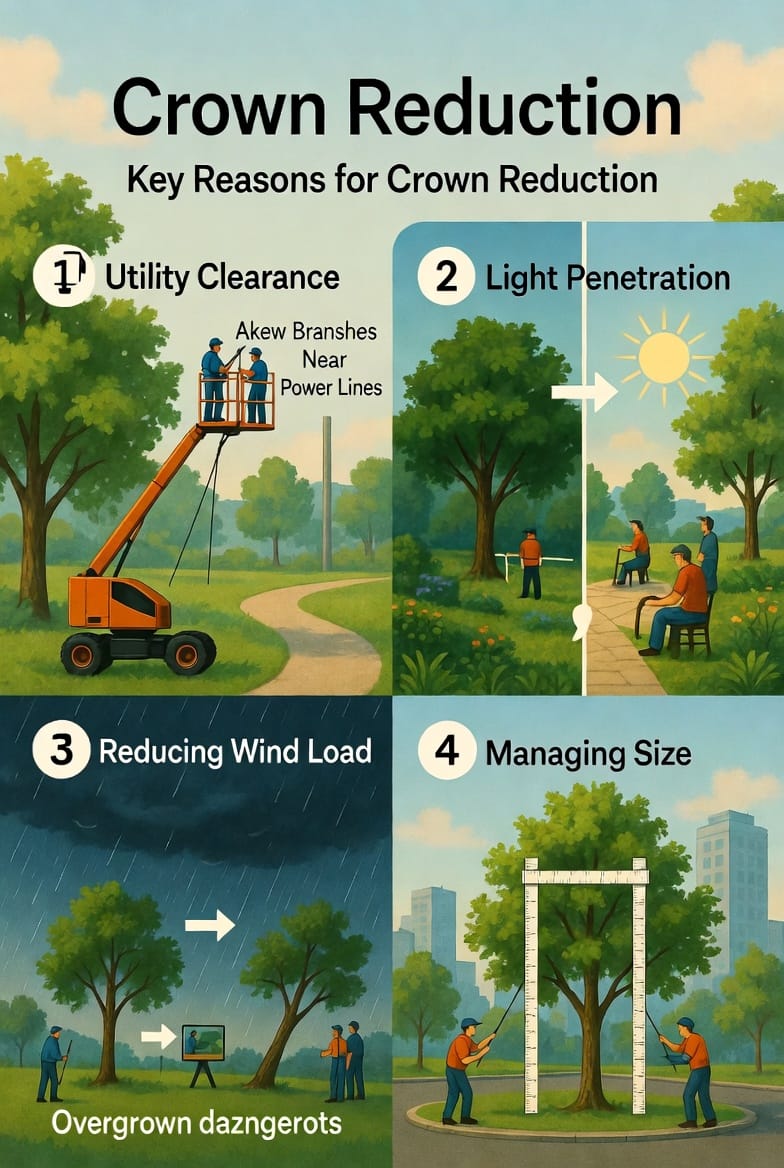
- Utility Line Clearance: Branches interfering with power lines pose electrocution and outage risks. Reduction safely creates space without removing the tree entirely.
- Structural Safety Concerns: Overhanging limbs near homes, driveways, or walkways can become hazards in high winds or ice storms. Reducing the crown lightens the load, preventing breakage.
- Light Penetration and Aesthetic Balance: Dense canopies can shade out lawns or gardens. Crown reduction improves sunlight access, promoting understory growth while keeping the tree's shape proportionate to its surroundings.
- Size Management in Urban Settings: In compact yards or near buildings, trees outgrow their space. This method controls expansion without stunting root health.
Before proceeding, a certified arborist should assess factors like tree species, age, and overall condition. For instance, conifers may not tolerate reduction as well as deciduous trees. Always prioritize health: if a tree shows signs of disease (e.g., cankers or dieback), address those first.
In reassuring terms, crown reduction isn't a one-size-fits-all fix but a tailored solution. When done right, it extends tree life, reduces maintenance costs, and enhances property safety—proving that preservation trumps removal.
How Crown Reduction Maintains Tree Health While Addressing Safety
At its core, crown reduction is about harmony: balancing human needs with nature's design. By selectively removing up to 25% of the canopy (per session, to avoid shock), it stimulates vigorous, directed growth. This contrasts with removal, which eliminates the tree's ecosystem contributions entirely.
Health benefits include:
- Improved Airflow and Disease Resistance: Thinning the crown reduces humidity pockets where fungi thrive, lowering infection risks.
- Enhanced Structural Integrity: Strategic cuts eliminate weak attachments, making the tree more resilient to storms.
- Nutrient Redistribution: With less foliage to support, resources flow to remaining branches, fostering stronger wood.
Safety-wise, a reduced crown means less sail area in winds, decreasing uprooting chances. For homeowners in storm-prone areas, this is invaluable. Plus, it complies with local ordinances on tree maintenance, avoiding fines.
Professionals follow ANSI A300 standards, ensuring cuts heal properly and minimize stress. Post-pruning care—like mulching and watering—further supports recovery. Rest assured, with expert handling, your tree won't just survive; it'll flourish.
Step-by-Step: The Crown Reduction Process
To demystify the procedure, here's how professionals execute crown reduction:
- Assessment: Arborists inspect the tree for health, structure, and reduction goals. They identify key branches to preserve.
- Planning Cuts: Using ropes and harnesses for safety, they map out reductions, ensuring no more than a quarter of the canopy is removed.
- Executing Prunes: Cuts are made with sharp tools to lateral branches, promoting natural form.
- Cleanup and Monitoring: Debris is removed, and the tree is checked for immediate issues. Follow-up visits ensure healthy regrowth.
This meticulous approach underscores the authoritative expertise required—DIY attempts often lead to mistakes, emphasizing the need for pros.
Common Myths Debunked: Setting the Record Straight
Myth: Crown reduction stunts growth forever. Reality: It encourages denser, healthier foliage.
Myth: It's as bad as topping. Reality: As explained, the techniques differ vastly in outcomes.
Myth: All trees can be reduced equally. Reality: Species-specific knowledge is crucial.
By understanding these, you can make informed decisions, optimizing for both beauty and safety.
Environmental and Economic Advantages of Choosing Reduction
Preserving trees via crown reduction supports biodiversity and carbon sequestration. Economically, it boosts curb appeal (increasing home values by up to 20%, per studies) and avoids removal costs, which can exceed $1,000 per tree.
In SEO terms, if you're querying "benefits of tree pruning vs removal," crown reduction emerges as the eco-friendly, cost-effective winner.
Conclusion: Embrace Preservation for Lasting Benefits
In summary, when faced with overgrown trees, tree crown reduction stands as a superior alternative to removal. It differentiates itself from damaging topping by prioritizing health, safety, and natural beauty. Whether for utility clearance, light enhancement, wind resistance, or size control, this method addresses concerns authoritatively and reassuringly.
Restore Balance & Safety – Request Crown Reduction Consultation