The Tilt-In Sash: The Ingenious Design That Makes Second-Story Window Cleaning Safe and Easy
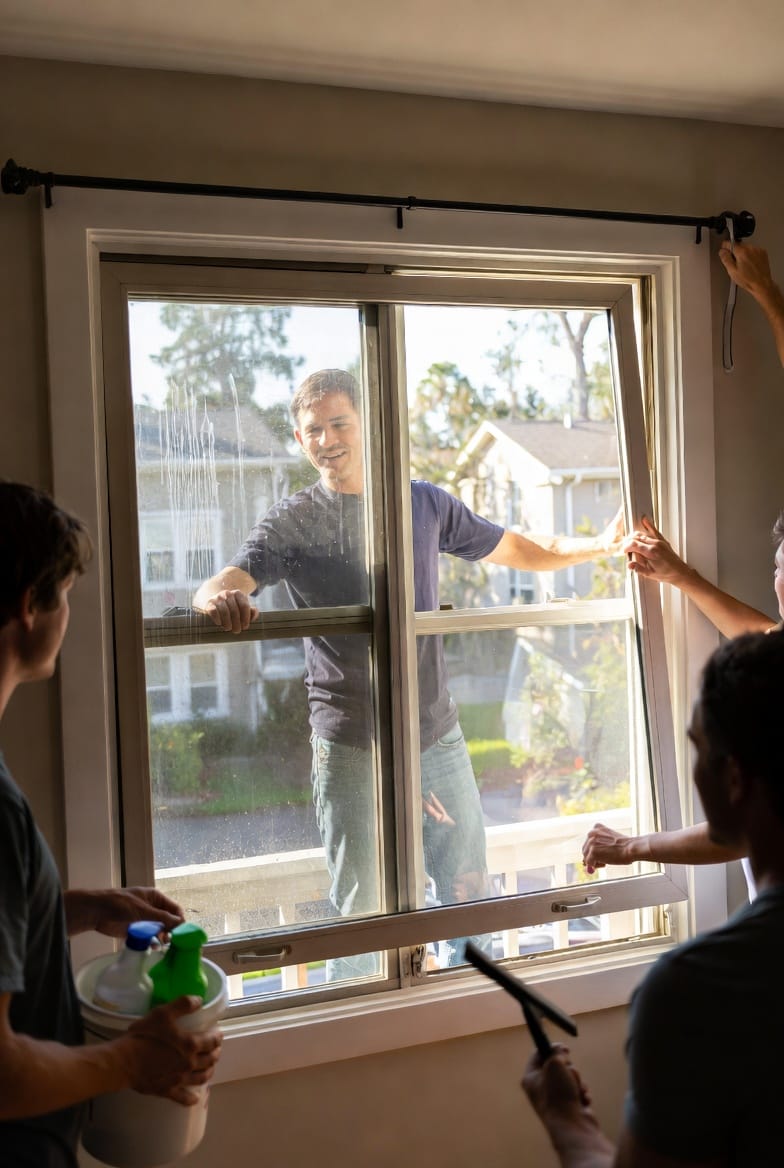
In the world of home maintenance, few innovations have brought as much relief and convenience as the tilt-in sash in double-hung windows. This clever feature transforms what was once a hazardous chore—cleaning the exterior of second-story windows—into a straightforward, risk-free task performed entirely from inside your home. No more precarious ladders, no more calling in expensive professionals for routine upkeep. As homeowners increasingly prioritize safety and efficiency, the tilt-in sash stands out as a game-changer, blending smart engineering with everyday practicality. In this comprehensive guide, we'll explore how this design works, its key components, and tips for safe operation, all while celebrating its role in modern home living.
Discover Tilt-In Window Convenience – Call Today!
Whether you're a new homeowner discovering your windows' hidden talents or a seasoned resident looking to optimize maintenance, rest assured: mastering the tilt-in sash is simpler than you think. Let's dive into why this innovation deserves a spotlight in your home improvement arsenal.
Understanding the Basics of Double-Hung Windows
To appreciate the tilt-in sash, it's essential to start with the foundation: double-hung windows. These classic fixtures consist of two sashes—an upper and a lower one—that slide vertically within the window frame. Popular in homes across the United States for their versatility and aesthetic appeal, double-hung windows allow for excellent ventilation by opening from both the top and bottom.
What sets modern double-hung windows apart is the integration of tilt-in functionality. This allows each sash to pivot inward, granting access to the exterior glass without ever stepping outside. Imagine the peace of mind knowing you can maintain crystal-clear views from your second-story bedroom or office without the dangers associated with heights. According to home safety experts, falls from ladders account for thousands of injuries annually, making innovations like the tilt-in sash not just convenient, but potentially life-saving.
- Enhanced Ventilation: Open both sashes for optimal airflow, promoting a healthier indoor environment.
- Aesthetic Flexibility: Available in various materials like vinyl, wood, or fiberglass to match any home style.
- Energy Efficiency: Many models feature low-E glass and weatherstripping to reduce energy bills.
By incorporating tilt-in sashes, manufacturers have addressed a common pain point, ensuring that cleanliness doesn't come at the cost of safety.
The Magic Behind the Tilt-In Mechanism
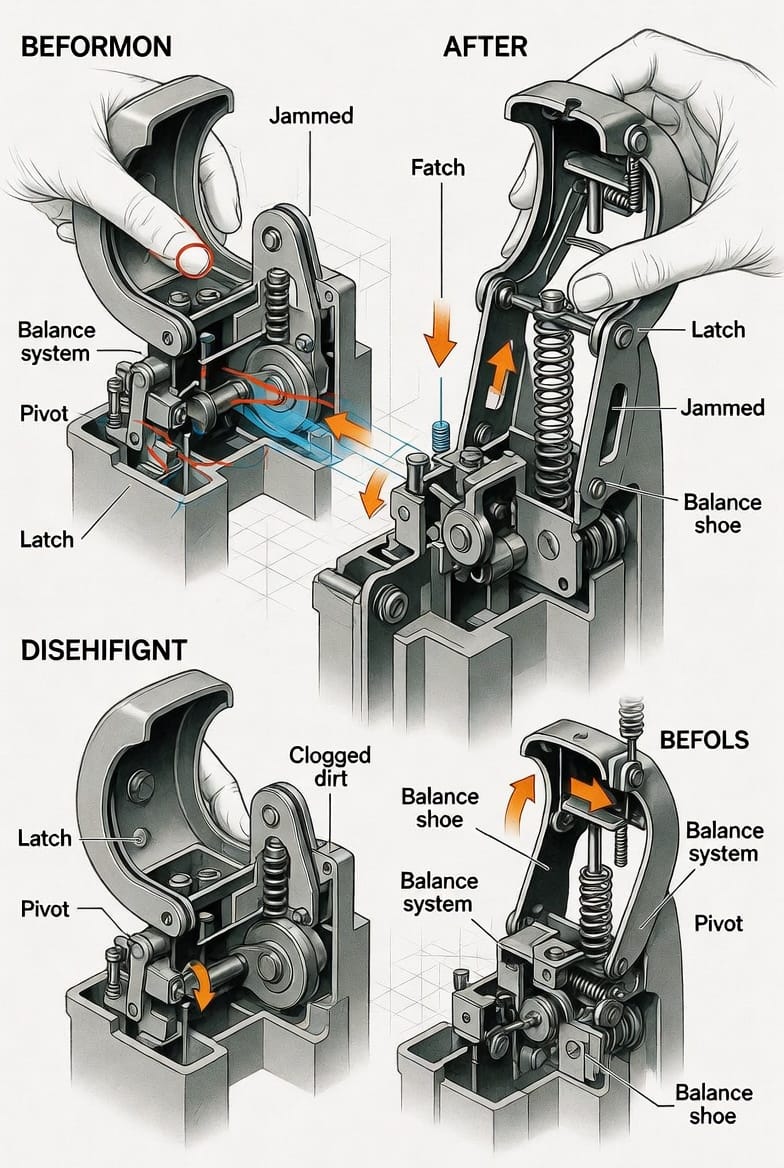
At the heart of this ingenious design is the tilt latch mechanism, a simple yet robust system that allows the sash to disengage from its vertical tracks and tilt inward. Typically located at the top of the lower sash and the bottom of the upper sash, these latches are engineered for ease of use. With a gentle press or slide—depending on the model—the latches release, enabling the sash to pivot on its hinges.
But how does this work without compromising the window's stability? The secret lies in the balance systems. Traditional double-hung windows use weights or springs to counterbalance the sashes, preventing them from slamming shut. In tilt-in models, these balances are integrated into the jamb liners, allowing the sash to tilt while maintaining smooth up-and-down movement.
When you activate the tilt latches, the sash disconnects from the balance shoes, which are small components that connect the sash to the balance system. This disconnection is precise and controlled, ensuring the sash doesn't fall out or become unstable. Re-engaging is just as straightforward: tilt the sash back into place, and the latches snap securely.
This mechanism isn't just about convenience; it's a testament to thoughtful engineering that prioritizes user safety. Homeowners can clean both sides of the glass with standard household tools like a squeegee and mild cleaner, all while standing firmly on indoor flooring.
Step-by-Step Guide to Operating Your Tilt-In Sash
Operating a tilt-in sash is intuitive, but proper technique ensures longevity and avoids potential damage. Follow these steps for a seamless experience, and remember: always consult your window's manufacturer manual for model-specific instructions.
- Prepare Your Space: Clear the area around the window to allow full sash movement. Ensure the room is well-lit to spot any dirt or issues.
- Lower the Upper Sash (If Needed): For the upper sash, slide it down about 4-6 inches to access the tilt latches at the bottom.
- Engage the Tilt Latches: Press or slide the latches inward or outward (model-dependent). You'll feel a slight release.
- Tilt the Sash Inward: Gently pull the top of the sash toward you, allowing it to pivot on its lower hinges. Support the sash to prevent over-tilting.
- Clean Safely: Use a soft cloth or sponge with a non-abrasive cleaner. Avoid harsh chemicals that could damage seals or finishes.
- Reinstall the Sash: Tilt it back upright, align with the tracks, and push until the latches click into place.
Key Tip: Never force the sash; if it resists, check for debris in the tracks. This gentle approach prevents wear on the balance systems and latches.
By mastering these steps, you'll extend the life of your windows while enjoying effortless maintenance.
The Role of Balance Systems in Tilt-In Functionality
Delving deeper, the balance systems are crucial for the tilt-in sash's reliability. Modern windows often employ constant force coil springs or block-and-tackle balances, housed within the window jambs. These systems provide the necessary tension to hold the sash in any position, whether open, closed, or tilted.
When tilting, the sash temporarily bypasses these balances, but upon re-engagement, the system resumes normal operation. This seamless transition is what makes the design so user-friendly. However, improper use—such as yanking the sash or neglecting lubrication—can lead to issues like uneven tilting or sagging.
To mitigate risks:
- Inspect Regularly: Check balances for signs of wear, like frayed cords in older systems.
- Avoid Overloading: Don't hang heavy items on the sash, as this strains the balances.
- Professional Help if Needed: If balances fail, a certified technician can replace them without full window replacement.
Rest assured, with quality manufacturing, these systems are built to last decades, supporting countless cleanings.
Safety First: Avoiding Common Pitfalls and Damage
While the tilt-in sash enhances safety, misuse can lead to minor damages. The most common risks include scratched glass from abrasive tools or strained mechanisms from forceful handling. But fear not—these are easily preventable with informed practices.
Bold Risks to Watch:
- Over-Tilting: This can stress hinges; always tilt to the manufacturer's recommended angle, usually 90 degrees.
- Debris Buildup: Dirt in tracks can cause sticking, leading to forced movements that damage latches.
- Child Safety: Ensure latches are out of reach or use window locks to prevent accidental tilting.
By addressing these proactively, you maintain both safety and window integrity. For instance, annual inspections can catch issues early, saving on repairs.
Maintenance Tips for Long-Lasting Performance
Keeping your tilt-in sashes in top shape requires minimal effort but yields maximum benefits. Regular maintenance not only ensures smooth operation but also preserves your home's energy efficiency and appearance.
- Clean Tracks Monthly: Use a vacuum attachment to remove dust, followed by a damp cloth.
- Lubricate Latches: Apply a silicone-based lubricant sparingly to moving parts every six months.
- Check Seals: Inspect weatherstripping for cracks; replace as needed to prevent drafts.
- Professional Tune-Ups: Schedule biennial checks from a window expert for deeper assessments.
These habits transform maintenance from a chore to a quick routine, ensuring your windows perform flawlessly year after year.
Environmental and Economic Benefits
Beyond safety, tilt-in sashes contribute to sustainable living. Easy cleaning encourages regular upkeep, which maintains energy efficiency by ensuring tight seals and clear glass for natural light. This reduces reliance on artificial lighting and heating, lowering your carbon footprint.
Economically, investing in tilt-in double-hung windows pays off through reduced maintenance costs—no need for exterior washing services—and increased home value. Real estate trends show that energy-efficient, low-maintenance features like these appeal to buyers, potentially boosting resale prices.
Real-Life Stories: Homeowners' Experiences
Countless homeowners have embraced the tilt-in sash with enthusiasm. Take Sarah from Chicago, who shares: "Cleaning my second-story windows used to terrify me. Now, it's a 10-minute task from inside—safe and satisfying." Or Mike in Seattle: "The tilt feature saved me hundreds on professional cleaners. It's engineering at its best."
These testimonials underscore the design's transformative impact, proving it's more than a feature—it's a lifestyle upgrade.
Choosing the Right Tilt-In Windows for Your Home
When selecting or upgrading to tilt-in sashes, consider factors like material durability, warranty, and energy ratings. Vinyl options offer affordability and low maintenance, while wood provides timeless elegance. Look for brands certified by ENERGY STAR for optimal performance.
Consult with experts to ensure proper installation, as this maximizes the benefits of the tilt mechanism.
Conclusion: Embrace the Ease of Tilt-In Sashes
The tilt-in sash represents a brilliant fusion of innovation and practicality, making second-story window cleaning safe, easy, and accessible. By understanding its mechanisms—from latches to balances—and adopting proper operation and maintenance, you unlock a world of hassle-free home care.
With this knowledge, you're empowered to enjoy clearer views and greater peace of mind. Here's to smarter, safer homes!
Ready for Hassle-Free, Ladder-Free Cleaning? Call Now!