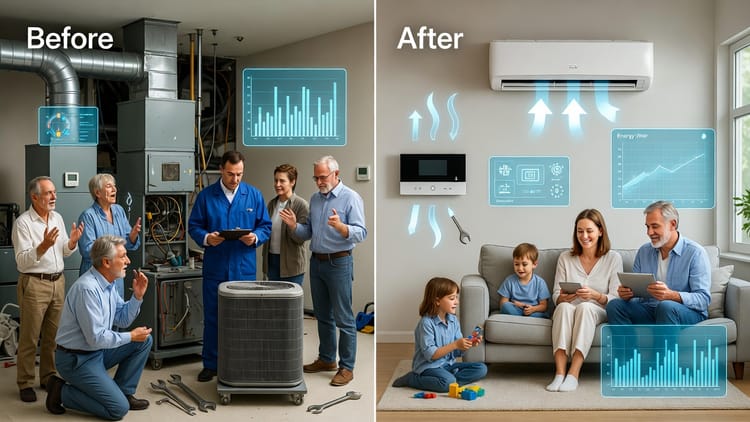
The Thermostat Calibration: Why Your Thermostat May Be Lying About the Temperature and How to Fix It
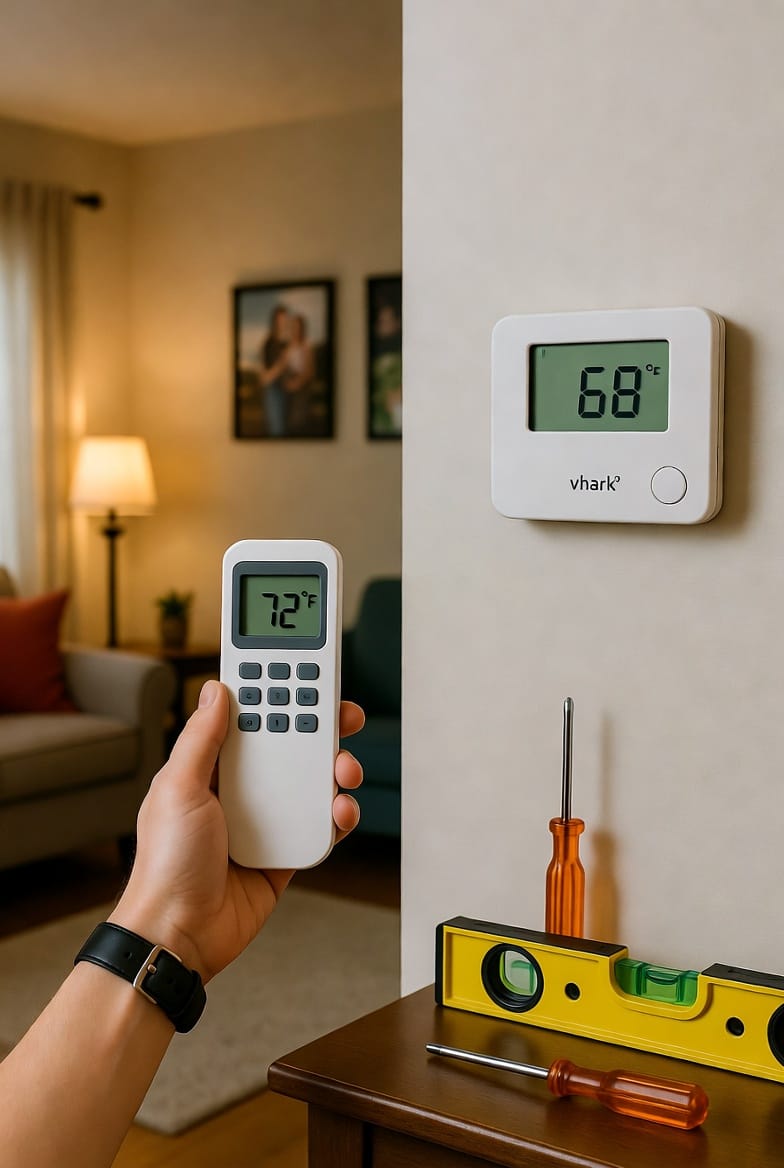
Have you ever felt like your home is too warm or too chilly, even though your thermostat insists the temperature is just right? This common comfort complaint affects countless homeowners, leading to frustration, higher energy bills, and inconsistent HVAC performance. The culprit is often thermostat inaccuracy – a silent issue where the device gradually drifts from providing true readings.
Stop Guessing Your Home’s Real Temperature – Call Now
In this comprehensive guide, we'll explore why thermostats can "lie" about the temperature, the factors that cause calibration drift, the impact of poor placement, and practical steps to restore accuracy. Whether you have an older mechanical thermostat or a modern digital model, understanding these elements empowers you to achieve reliable climate control.
Understanding Thermostat Inaccuracy: A Widespread Issue
Thermostats serve as the brain of your HVAC system, signaling when to heat or cool based on sensed temperature. When accurate, they maintain steady comfort and efficiency. But over time, many thermostats lose precision, resulting in temperature discrepancies of 3–10 degrees or more.
Homeowners frequently report:
- The house feels noticeably warmer or cooler than the displayed reading
- HVAC system cycles too frequently or runs excessively
- Uneven temperatures across rooms
- Rising utility costs without changes in usage
These symptoms point to thermostat calibration problems rather than major equipment failure. Addressing calibration early prevents unnecessary wear on your furnace or air conditioner.
Why Thermostats Drift Over Time
Calibration drift occurs gradually due to normal wear and environmental factors. Internal components expand, contract, or degrade, shifting the device's reference point.
Key causes include:
- Aging sensors – Bimetallic coils in mechanical units or electronic sensors in digital ones lose sensitivity after years of use.
- Dust accumulation – Particles settle on contacts or sensors, insulating them and skewing readings.
- Electrical fluctuations – Power surges or battery degradation in digital models can offset calibration.
- Manufacturing tolerances – Even new units may have minor inaccuracies that worsen over time.
Studies and field experience show that after 5–10 years, many thermostats drift by several degrees. This small shift compounds into big comfort and cost issues.
The Critical Role of Thermostat Placement
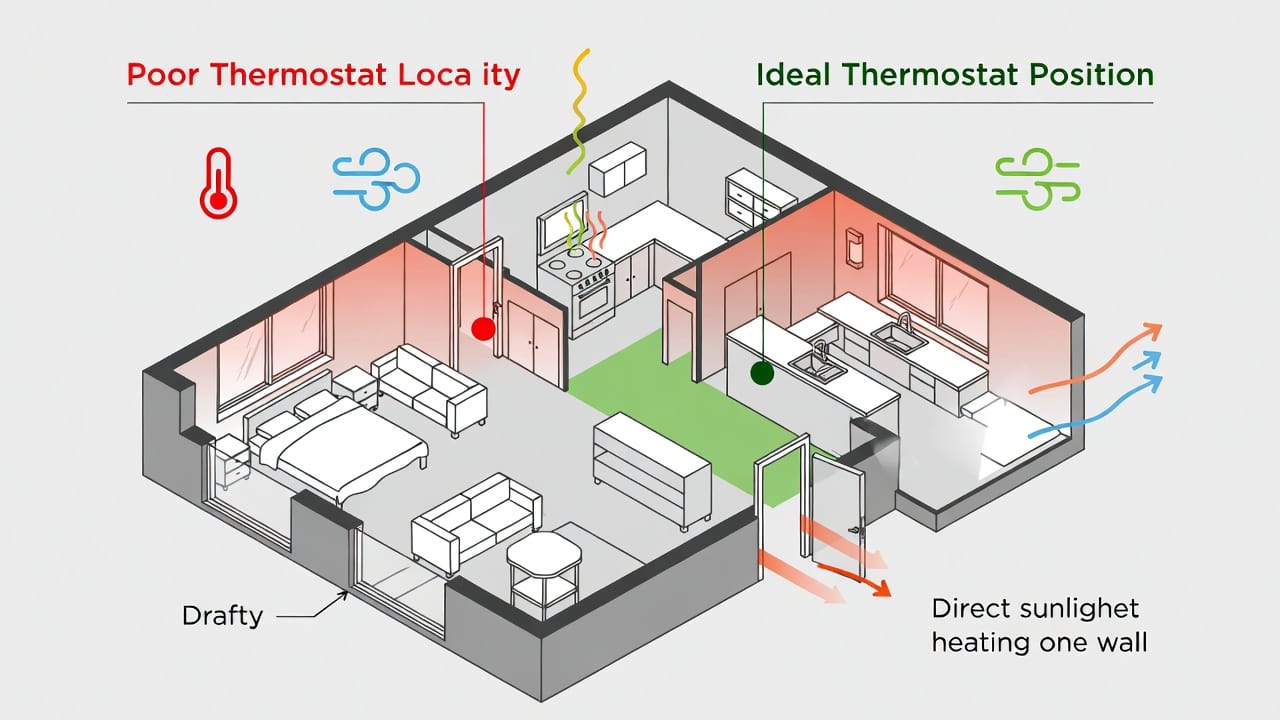
Even a perfectly calibrated thermostat fails if installed in the wrong spot. Placement near heat sources, drafts, or direct sunlight causes false readings, tricking the system into over- or under-performing.
Problematic locations include:
- Near kitchens – Cooking heat spikes readings, causing unnecessary cooling.
- Drafty hallways – Cold air infiltration makes the thermostat think the house is colder than it is.
- Sunny windows – Solar gain heats the device, leading to short-cycling.
- Exterior walls – Temperature swings from outside influence accuracy.
Ideal placement is an interior wall in a central location, about 5 feet high, away from vents, doors, and appliances. This spot reflects average home conditions for consistent performance.
Relocating a thermostat often resolves perceived inaccuracies without any calibration needed.
Mechanical vs. Digital Thermostats: Calibration Differences
Mechanical thermostats (analog, with mercury switches or coils) and digital thermostats handle calibration differently.
Mechanical calibration:
- Relies on physical adjustments to the bimetallic coil or mercury vial.
- Requires leveling the unit first, as tilt affects the switch mechanism.
- Involves small screw adjustments while comparing to a known accurate thermometer.
- More hands-on but limited in precision for modern systems.
Digital calibration:
- Often features built-in offset settings in the menu (e.g., ±5°F adjustment).
- Sensors are electronic, less prone to physical drift but sensitive to electrical issues.
- Cleaning internal components and ensuring stable power supply are key.
- Many smart models auto-calibrate or allow easy software tweaks.
Knowing your type guides the best fix. In both cases, professional service ensures safe, accurate results without risking system damage.
How to Check and Calibrate Your Thermostat
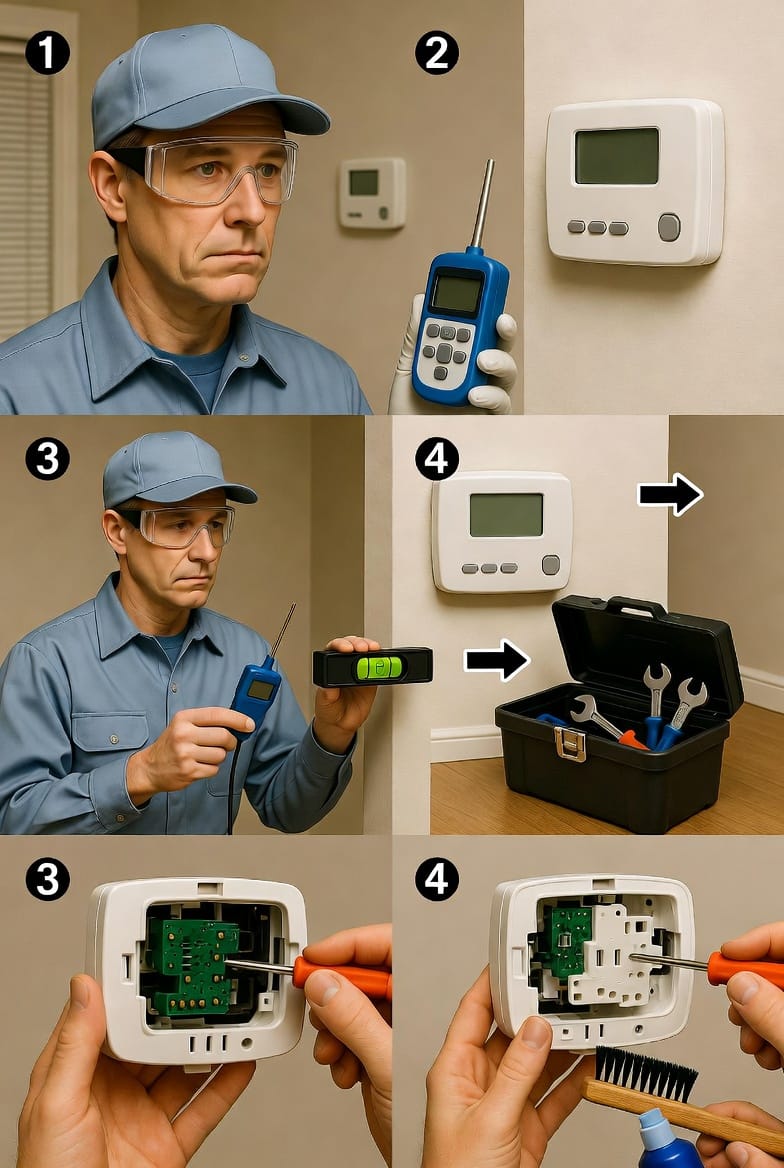
Before calling for help, perform basic checks safely.
- Obtain an accurate reference – Use a quality digital thermometer placed near the thermostat (away from heat vents).
- Compare readings – Note any consistent difference after 30 minutes of stable conditions.
- Check mounting level – Use a small level; even slight tilt affects mechanical units.
- Clean carefully – For accessible models, remove cover and gently dust sensors (power off first).
- Adjust if possible – Mechanical: Turn calibration screw per manufacturer instructions. Digital: Enter offset in settings.
If the discrepancy persists or you're unsure, avoid forcing adjustments. Improper handling can worsen issues or void warranties.
When to Seek Professional Calibration or Replacement
Some situations require expert intervention:
- Persistent large discrepancies (>5°F)
- Older mechanical units with mercury (safety concern)
- Integration with smart/home automation systems
- Suspected wiring or sensor failure
Professional technicians use calibrated tools for precise adjustments, ensuring compatibility with your entire HVAC system. They also inspect for related issues like poor ductwork or refrigerant levels.
Modern programmable or smart thermostats often provide superior accuracy and energy savings, making replacement worthwhile in many cases.
Restore Confidence in Your Home Comfort
A reliable thermostat is essential for consistent temperatures, lower energy costs, and overall HVAC longevity. By understanding calibration drift, optimizing placement, and addressing inaccuracies promptly, you can eliminate the frustration of an unreliable device.
Trust your thermostat again. For expert calibration, professional diagnostics, or seamless replacement, call today. Our experienced team delivers precise solutions tailored to your home, ensuring lasting comfort and efficiency.
End Comfort Complaints & High Bills – Call for Expert Help