The Sound of Silence: How Acoustic-Rated Windows Create a Peaceful Home Sanctuary

In today's fast-paced world, finding moments of true peace at home can feel like a luxury. Yet, with the right innovations in home design, it's entirely achievable. Acoustic-rated windows stand out as a game-changer for homeowners battling external noise pollution. Whether you're dealing with the constant hum of traffic, the roar of airplanes overhead, or the chatter from a lively neighborhood, these specialized windows act as powerful noise barriers, turning your living space into a serene sanctuary. This article dives deep into how acoustic-rated windows work, their key features like STC ratings, and the profound impact they have on your daily life and well-being.
Transform Noise into Silence – Call for Your Solution
Understanding Noise Pollution and Its Impact on Home Life
Noise pollution isn't just an annoyance—it's a silent thief of tranquility. According to health experts, prolonged exposure to unwanted sounds can lead to stress, disrupted sleep, and even long-term health issues like hypertension. In urban and suburban areas, common sources include:
- Traffic noise: The relentless drone of cars, trucks, and motorcycles on nearby roads.
- Airport proximity: Low-flying planes creating intermittent but intense disturbances.
- Neighborhood sounds: From barking dogs and lawnmowers to children's play or construction work.
But here's the reassuring truth: you don't have to move to a remote countryside to escape it. Acoustic-rated windows are engineered specifically to combat these intrusions, allowing you to enjoy the benefits of your location without the drawbacks. By installing these windows, homeowners report significant improvements in sleep quality and overall mental clarity, fostering a more harmonious household.
What Makes Acoustic-Rated Windows Effective Noise Barriers?
At the heart of acoustic-rated windows is advanced technology designed to minimize sound transmission. Unlike standard windows, which often let noise seep through, these are built with multiple layers and strategic designs that absorb and deflect sound waves. Let's break down the science behind their effectiveness.
First, consider the basic principle: sound travels as vibrations through air and materials. Regular windows might amplify these vibrations, but acoustic versions interrupt them. Key components include:
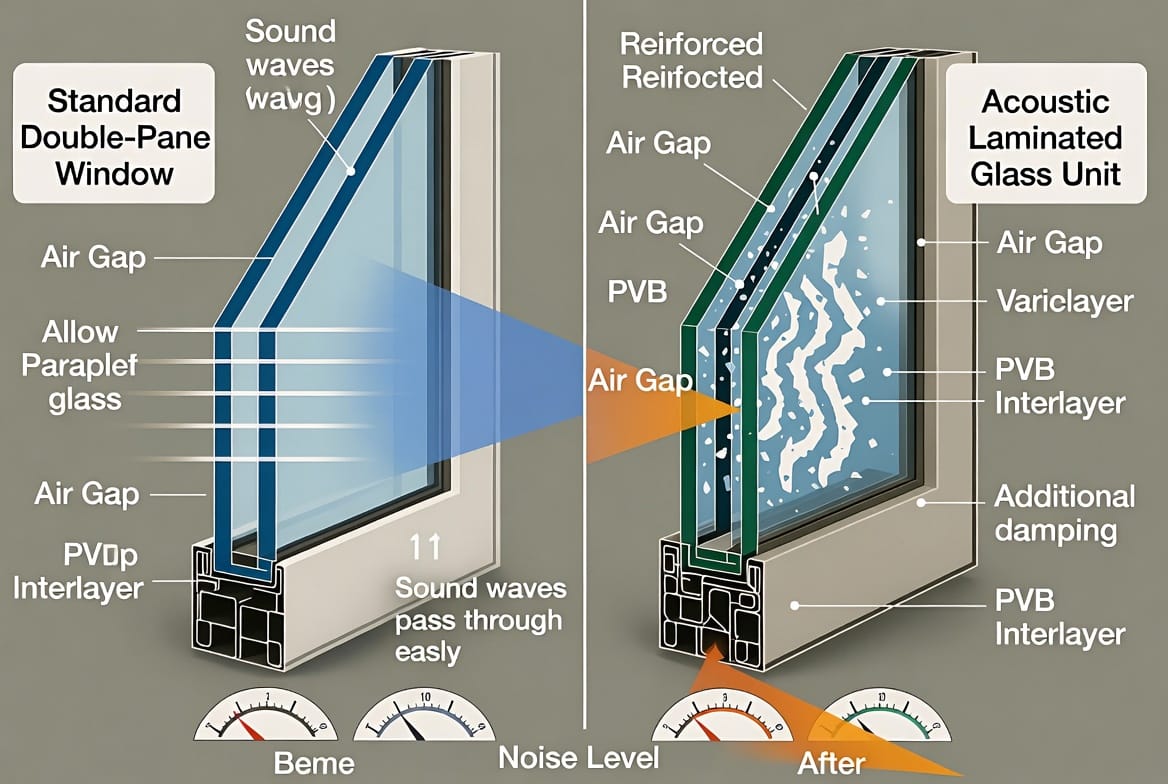
- Laminated glass: This consists of two or more glass panes bonded with a viscoelastic interlayer, typically made of polyvinyl butyral (PVB). The interlayer acts like a shock absorber, damping vibrations and preventing sound from passing through.
- Specialized air gaps: In double- or triple-pane configurations, uneven air spaces between panes create dissonance in sound waves, causing them to cancel each other out.
- Seals and frames: High-quality rubber or silicone seals, combined with sturdy frames (often vinyl or fiberglass), ensure no gaps for noise to leak in.
These elements work together to create a robust barrier, reducing noise by up to 50% or more compared to traditional windows. The result? A home where you can hear your thoughts, not the outside world.
Decoding STC Ratings: Your Guide to Window Performance
When shopping for acoustic-rated windows, one term you'll encounter frequently is STC (Sound Transmission Class). This standardized rating measures how well a window attenuates airborne sound, with higher numbers indicating better performance. Developed by the American Society for Testing and Materials (ASTM), STC ratings provide a reliable benchmark for comparing options.
Here's how STC works in practice:
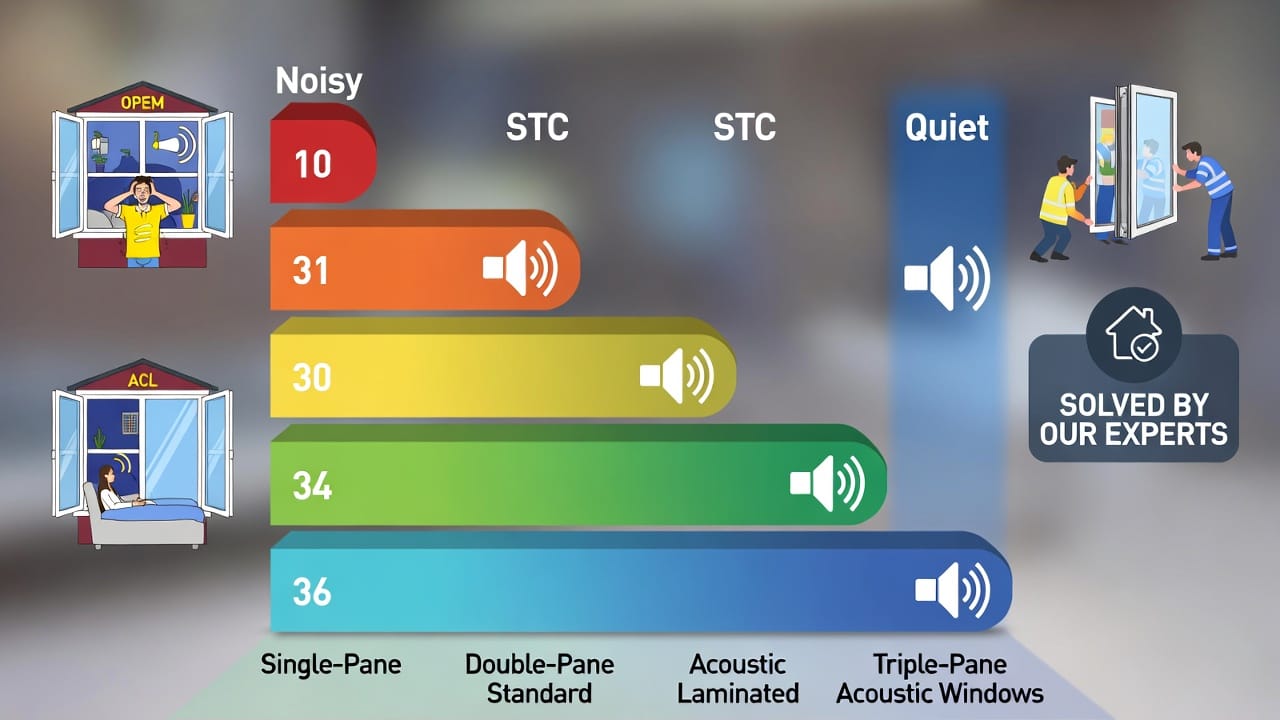
- STC 25-30: Typical for standard single-pane windows; offers minimal noise reduction, suitable only for quiet areas.
- STC 30-35: Common in basic double-pane windows; blocks some low-level sounds but struggles with traffic or aircraft noise.
- STC 35-45: Entry-level acoustic windows; effective against moderate urban noise, reducing perceived loudness by about 50%.
- STC 45+: High-performance acoustic-rated windows; ideal for high-noise environments, cutting sound by 75% or more, creating near-silence indoors.
To put it in perspective, every 10-point increase in STC roughly halves the perceived noise level. For instance, upgrading from an STC 30 to STC 40 window can transform a bedroom from a restless zone into a peaceful retreat. When selecting windows, always look for lab-tested STC ratings—don't rely on vague claims. Reputable manufacturers provide detailed specs, ensuring you get the tranquility you deserve.
The Role of Laminated Glass in Sound Dampening
Laminated glass is the unsung hero of acoustic windows. Its construction—glass layers fused with a flexible interlayer—excels at handling different frequencies of sound. Low-frequency noises like truck rumbles are particularly challenging, but the interlayer's damping properties excel here.
Benefits of laminated glass include:
- Vibration absorption: The PVB layer converts sound energy into heat, dissipating it harmlessly.
- Added safety: It holds together if broken, reducing injury risk—a bonus for family homes.
- UV protection: Blocks harmful rays, preserving interiors from fading.
In combination with specialized air gaps, laminated glass creates a multi-barrier system. These gaps aren't uniform; varying thicknesses target specific sound wavelengths, enhancing overall performance. Homeowners in noisy areas often notice immediate differences, with testimonials highlighting better concentration during work-from-home setups and deeper, uninterrupted sleep.
Air Gaps and Frame Innovations: Enhancing Acoustic Isolation
Beyond glass, the design of air spaces and frames plays a crucial role. Traditional windows use equal gaps, which can resonate like a drum. Acoustic versions employ asymmetrical gaps—say, 1/2 inch on one side and 1 inch on the other—to disrupt resonance.
Frame materials matter too:
- Vinyl frames: Excellent insulators, flexible to seal tightly.
- Fiberglass frames: Durable and low-conductive, maintaining performance in extreme weather.
- Avoid aluminum: It conducts sound readily unless thermally broken.
Proper installation is key—gaps around frames can undermine even the best windows. Professional installers ensure airtight fits, maximizing noise reduction. The outcome? A home that feels insulated from the world's chaos, promoting relaxation and productivity.
Transformative Effects on Home Tranquility and Sleep Quality
The real magic of acoustic-rated windows lies in their life-changing effects. Imagine waking up refreshed, without the jolt of morning traffic. Studies show that better sleep environments lead to improved mood, cognitive function, and even relationships. For families near airports, these windows mean children can nap undisturbed, while adults enjoy quiet evenings.
Key transformative benefits:
- Enhanced sleep quality: Reduced noise interruptions lead to deeper REM cycles.
- Increased property value: Homes with acoustic upgrades appeal to buyers seeking comfort.
- Energy efficiency: Many acoustic windows also improve insulation, lowering utility bills.
- Aesthetic appeal: Modern designs don't compromise on style—choose from casement, sliding, or picture windows.
In essence, acoustic-rated windows don't just block sound; they reclaim your space as a personal oasis. Homeowners often describe the shift as "life-altering," turning noisy abodes into sanctuaries of calm.
Choosing and Installing Acoustic-Rated Windows for Your Home
Selecting the right windows starts with assessing your noise sources. Consult experts to measure ambient levels and recommend appropriate STC ratings. Look for certifications like those from the National Fenestration Rating Council (NFRC) for verified performance.
Installation tips:
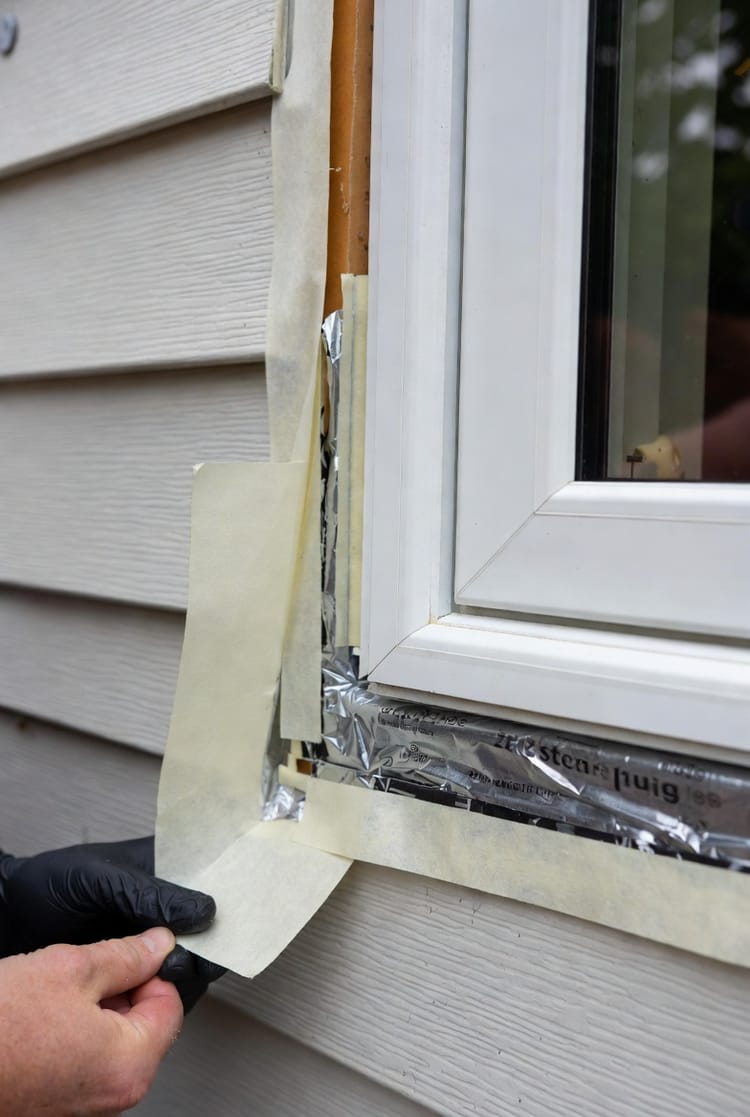
- Hire certified professionals: Ensures optimal sealing and longevity.
- Combine with other solutions: Add curtains or seals for extra layering.
- Maintenance matters: Regular cleaning keeps performance high.
With these steps, you're on your way to a quieter home. And remember, the investment pays off in health and happiness.
Real-World Success Stories: From Noise to Nirvana
Countless homeowners have experienced the difference. Take a family in a bustling city suburb: Plagued by highway noise, they installed STC 45 windows and reported a 70% drop in disturbances. Another near an airport noted improved focus during remote work. These stories underscore the authoritative role of acoustic windows in modern living.
Embracing a Quieter Future
In a world growing louder, acoustic-rated windows offer a beacon of hope. By understanding STC ratings, appreciating laminated glass and air gaps, and recognizing their impact on tranquility and sleep, you can make an informed choice. Don't let noise dictate your life—take control today.
Make Your Home a Peaceful Haven – Call Today