The Sober Living Transition: What to Expect When Moving from Treatment to a Structured Living Environment

Understanding the Step-Down Level of Care
Transitioning from intensive addiction treatment to everyday life can feel overwhelming, but that's where sober living homes come in as a crucial step-down level of care. This approach, often recommended by recovery professionals, provides a gradual reduction in the intensity of support while maintaining a safety net against relapse. Unlike the highly supervised environment of inpatient rehab, sober living offers more independence, allowing you to apply the skills you've learned in a real-world setting.
Start Your Sober Living Journey Today – Call Now
In essence, step-down care is designed to bridge the gap between full-time treatment and complete autonomy. It recognizes that recovery isn't a straight line but a progression that requires ongoing reinforcement. By moving into a sober living home, you're not jumping into the deep end; instead, you're easing into deeper waters with lifelines in place. This structured yet flexible environment helps solidify your sobriety foundation, reducing the risk of setbacks that often occur in the early months post-treatment.
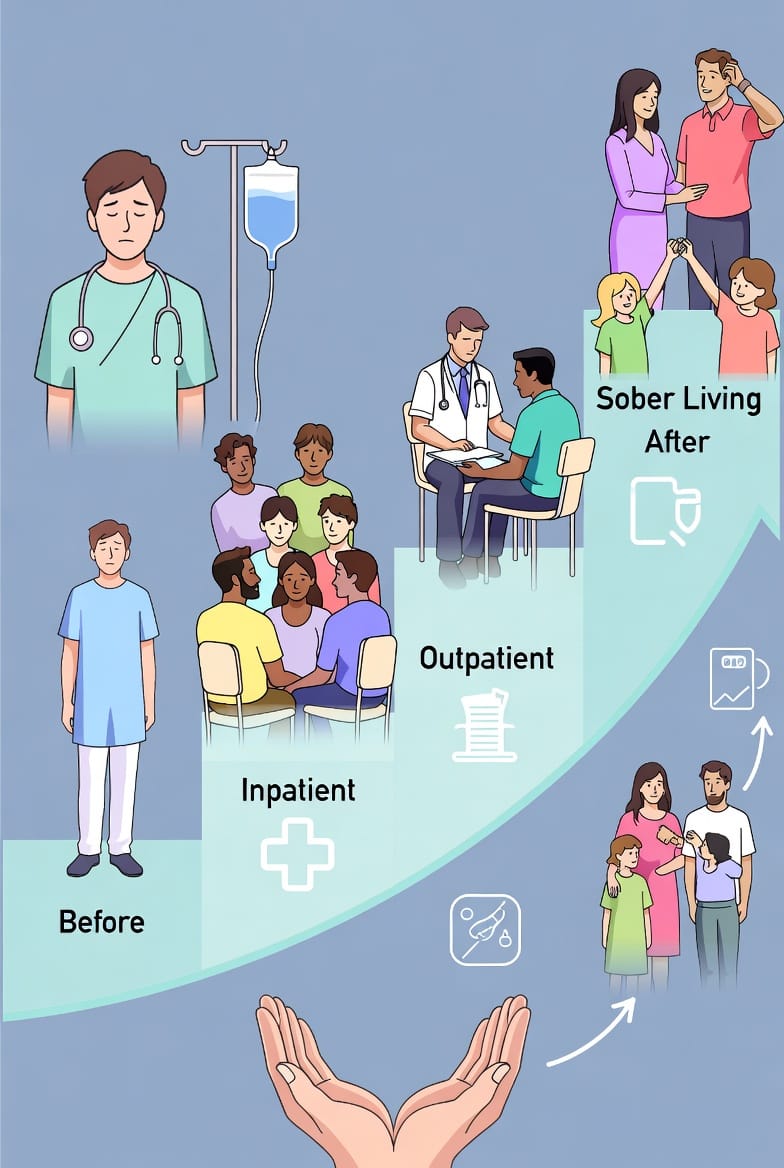
Many individuals find this phase reassuring because it mirrors the continuum of care model used in addiction recovery. Starting from detox and inpatient treatment, progressing to outpatient programs, and then to sober living, each step builds on the last. This methodical approach has been shown to improve long-term outcomes, with studies indicating higher abstinence rates for those who participate in extended care options.
As you prepare for this transition, it's normal to experience a mix of excitement and anxiety. Rest assured, sober living is tailored to support your unique journey, offering tools and community to navigate these feelings effectively.
What Sober Living Homes Offer: A Supportive Framework for Recovery
Sober living homes, also known as halfway houses or transitional living facilities, provide a structured living environment that fosters lasting recovery. These residences are typically substance-free homes where residents live together under shared guidelines, promoting mutual support and personal growth.
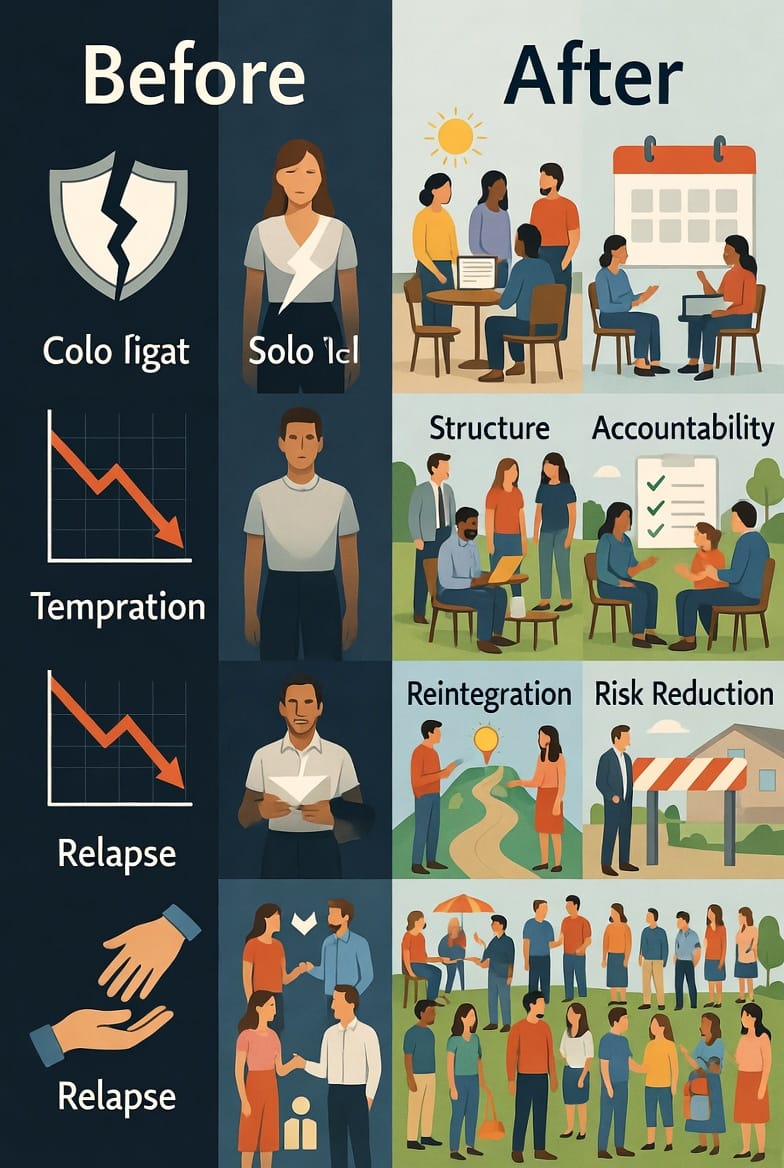
One of the primary offerings is peer support. Living with others who are on similar paths creates a sense of camaraderie that's hard to replicate elsewhere. You'll share experiences, offer encouragement during tough days, and celebrate milestones together. This built-in network acts as a buffer against isolation, a common trigger for relapse.
Structure is another cornerstone. Unlike independent living, where routines can easily slip, sober living enforces daily schedules that include work, therapy, or education. This predictability helps rebuild healthy habits, from morning meditations to evening reflections, ensuring your days are purposeful and productive.
Accountability rounds out the core benefits. House managers or senior residents often oversee compliance, providing gentle reminders and constructive feedback. Regular drug testing and check-ins keep everyone honest, creating an atmosphere where personal responsibility thrives.
Beyond these, sober living homes often facilitate access to additional resources like job placement assistance, life skills workshops, and connections to local support groups. This holistic approach addresses not just sobriety but overall well-being, preparing you for sustainable independence.
Typical Rules in Sober Living: Building Discipline and Safety
To maintain a safe and effective environment, sober living homes implement typical rules that emphasize responsibility and respect. While specifics vary by facility, common guidelines include:
- Curfews: Most homes require residents to be in by a set time, often 10 PM or 11 PM, to promote healthy sleep patterns and reduce exposure to high-risk situations.
- Mandatory Meetings: Attendance at 12-step programs like AA or NA, or in-house group sessions, is usually required—typically 3-5 times per week—to reinforce recovery principles.
- Chores and Contributions: Shared responsibilities, such as cleaning common areas or preparing meals, teach teamwork and self-sufficiency while keeping the home orderly.
- Employment or Education: Residents are often expected to pursue work, schooling, or volunteering to build financial stability and purpose.
- Zero-Tolerance for Substances: Any use of drugs or alcohol results in immediate consequences, up to eviction, to protect the community's sobriety.
- Visitor Policies: Guests may be limited to certain hours or require approval to maintain a focused recovery atmosphere.
These rules might seem strict at first, but they're designed with your success in mind. They create boundaries that help you internalize discipline, much like training wheels on a bike—temporary support leading to confident riding. Embracing them can transform potential challenges into opportunities for growth.
Bridging the Gap: How Sober Living Prepares You for Independent Living
Sober living serves as a vital bridge between treatment and independent living, allowing you to practice sobriety in a semi-autonomous setting. After the intensive focus of rehab, returning home can expose you to old triggers—stressful relationships, familiar environments, or social pressures. Sober living mitigates this by providing a neutral space to rebuild your life step by step.
Gradual reintegration is key. You might start with part-time work while attending outpatient therapy, slowly increasing responsibilities as confidence grows. This phased approach reduces overwhelm, letting you tackle challenges like budgeting or social interactions in a supportive context.
Moreover, sober living emphasizes relapse prevention strategies. Through peer discussions and professional guidance, you'll identify personal triggers and develop coping mechanisms. For instance, learning to navigate social events without substances or managing emotional lows with mindfulness techniques becomes second nature.
Many residents report that this period strengthens their resolve. By living among peers who've overcome similar hurdles, you gain real-world insights that textbooks can't provide. It's reassuring to know you're not alone; thousands have successfully transitioned through sober living, emerging stronger and more resilient.
To make the most of this bridge, approach it with an open mind. Set personal goals, like securing employment or mending family ties, and track progress. Facilities often offer tools like journals or apps to monitor your journey, turning abstract recovery into tangible achievements.
Navigating Challenges in the Sober Living Transition
While rewarding, the move to sober living isn't without hurdles. Common challenges include adjusting to new routines, dealing with interpersonal dynamics, or facing external temptations. However, with the right mindset and resources, these become surmountable.
For example, homesickness or frustration with rules might arise early on. Counter this by focusing on the bigger picture—remember, these structures are temporary safeguards for long-term freedom. Engage in house activities to build connections, turning strangers into allies.
Financial pressures can also emerge, as sober living often requires rent payments. Many homes offer sliding scales or work-study options, and exploring scholarships or grants can ease the burden. Prioritizing sobriety over immediate luxuries pays dividends in stability.
Emotionally, you might grapple with guilt or shame from past actions. Sober living's emphasis on accountability includes forgiveness—both self and others. Therapy sessions integrated into the program help process these feelings, fostering healing.
Authoritatively, know that setbacks are part of recovery, not failures. Statistics show that those in structured environments like sober living have up to 50% lower relapse rates in the first year compared to direct independent living. Lean on the community; their collective wisdom is your greatest asset.
Success Stories and Long-Term Benefits
Hearing from those who've walked this path can be incredibly motivating. Consider Alex, a fictional composite based on common experiences: After inpatient treatment for opioid addiction, Alex entered sober living feeling uncertain. Through peer support and enforced structure, he secured a job, rebuilt family relationships, and avoided relapse triggers. Six months later, he transitioned to independent living, now mentoring others.
Such stories highlight long-term benefits: enhanced self-esteem, stronger social networks, and practical skills for life. Sober living reduces relapse risk by providing ongoing accountability, with many graduates maintaining sobriety years later.
It also promotes gradual reintegration into society. You'll learn to balance work, hobbies, and recovery, creating a fulfilling routine. This foundation often leads to career advancements, healthier relationships, and a renewed sense of purpose.
Tips for a Smooth Transition to Sober Living
To optimize your experience, follow these practical tips:
- Research Options: Look for accredited homes with positive reviews, ensuring they align with your needs—gender-specific, location, or amenities.
- Pack Essentials: Bring recovery tools like journals, comfortable clothing, and any prescribed medications.
- Set Expectations: Discuss rules and goals with staff upfront to avoid surprises.
- Build a Support System: Maintain connections with therapists, sponsors, and family while forming new bonds in the home.
- Focus on Self-Care: Prioritize nutrition, exercise, and sleep to bolster physical and mental resilience.
- Track Progress: Use apps or logs to monitor achievements, celebrating small wins to stay motivated.
These steps, grounded in evidence-based practices, empower you to thrive. Remember, recovery is a marathon, and sober living is a key checkpoint.
Embracing Your Future in Recovery
As you contemplate this transition, know that sober living is more than a residence—it's a launchpad for a vibrant, substance-free life. By offering peer support, structure, and accountability, it equips you with the tools to bridge treatment and independence confidently.
If challenges arise, view them as growth opportunities. With commitment and the right environment, you'll emerge empowered, ready to embrace all that sobriety offers.
Ready for Structured Sober Living? Call Now & Get Answers