The Smoke Detector Integration: How Modern Security Systems Monitor and Alert for Fire and Carbon Monoxide
In today's fast-paced world, home security extends far beyond protecting against intruders. It encompasses life-safety integration, ensuring your family is shielded from silent threats like fire and carbon monoxide (CO). Modern security systems now seamlessly incorporate smoke and CO detectors, providing round-the-clock monitoring and rapid alerts. This article delves into how these integrations work, the technology behind them, and why they're essential for peace of mind. Whether you're upgrading your existing setup or building a new one, understanding smoke detector integration can literally save lives.
Save Lives with Smart Home Safety Upgrades – Call for Free Consultation
Understanding the Basics of Smoke and CO Detection
Smoke detectors have been a staple in homes for decades, but their evolution into integrated components of modern security systems marks a significant advancement. Traditional standalone detectors rely on audible alarms, which are effective only if someone is present and awake to hear them. However, when connected to a security panel, these devices elevate home safety to a professional level.
Carbon monoxide, often called the "silent killer," is an odorless, colorless gas produced by faulty appliances, heating systems, or even vehicles in attached garages. Without proper detection, it can lead to severe health risks, including headaches, dizziness, and in extreme cases, death. Integrating CO detectors with your security system ensures that any detection triggers immediate action, even if the home is unoccupied.
Key benefits include:
- Centralized Monitoring: Alerts are sent directly to a professional monitoring center.
- Multi-Layered Alerts: Notifications via app, phone calls, and sirens.
- Compliance with Codes: Many building codes now require interconnected detectors for enhanced safety.
By choosing hardwired options, you ensure reliability, as they draw power from your home's electrical system with battery backups for outages.
How Hardwired Smoke/CO Detectors Connect to Your Security Panel
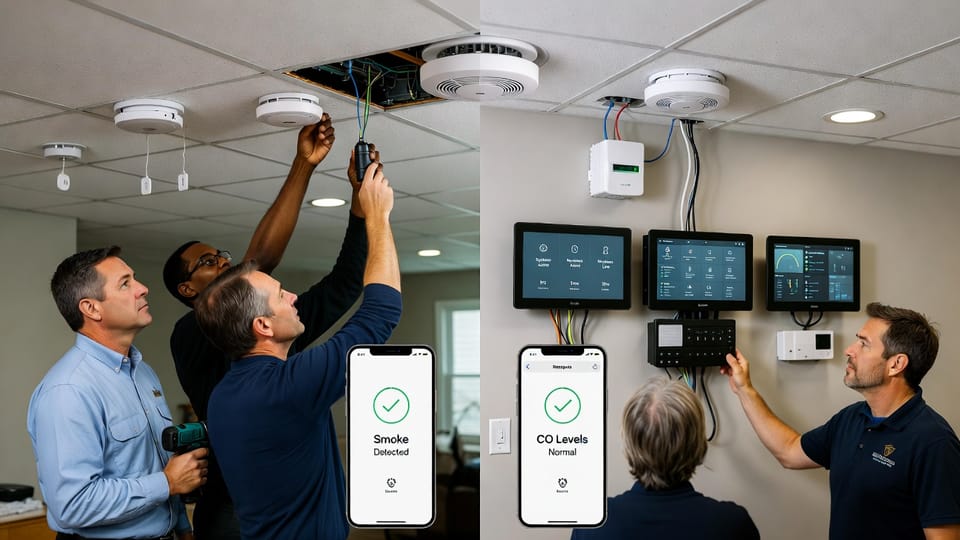
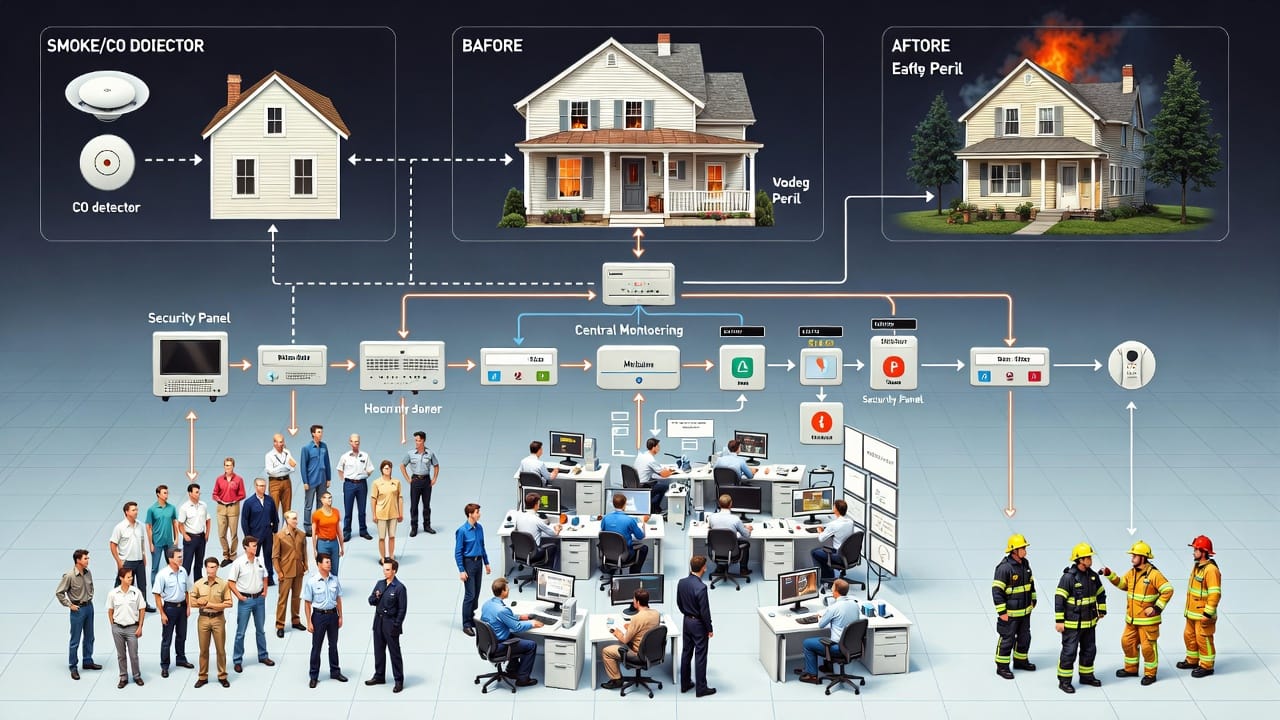
At the heart of life-safety integration is the connection between detectors and the security panel. Hardwired smoke and CO detectors are installed with low-voltage wiring that links them to the central control panel of your security system. This setup allows for real-time communication, where the detector doesn't just sound an alarm—it signals the panel to initiate a broader response protocol.
Here's how it works step by step:
- Detection Phase: The sensor identifies smoke or CO particles.
- Signal Transmission: A wired connection sends an immediate alert to the security panel.
- Panel Response: The panel verifies the signal and activates home sirens while notifying the monitoring center.
- Monitoring Center Action: Trained operators dispatch emergency services, such as the fire department, without delay.
This integration is particularly reassuring because it operates independently of human intervention. If you're away on vacation or asleep upstairs, the system ensures help is on the way. For families with elderly members or young children, this feature provides an authoritative layer of protection against unforeseen dangers.
Moreover, many systems support wireless compatibility for hybrid setups, but hardwired connections offer superior reliability in critical situations. Brands like Honeywell and ADT have pioneered these integrations, making them accessible for both new constructions and retrofits.
The Role of Central Station Monitoring in Life-Saving Alerts
One of the most powerful aspects of smoke detector integration is central station monitoring. Unlike DIY systems that might only notify your smartphone, professionally monitored setups connect to a 24/7 command center staffed by experts.
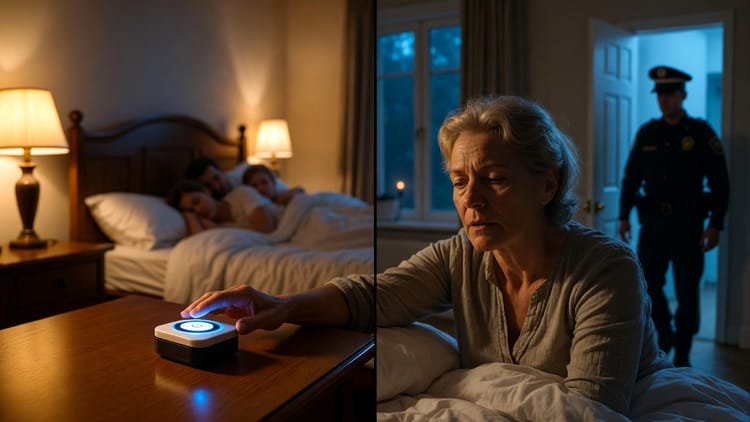
Imagine this scenario: A smoldering fire starts in your kitchen at 2 AM. The integrated detector senses it early, alerts the panel, and the monitoring center receives the signal instantly. They attempt to contact you first, but if there's no response, they dispatch firefighters immediately. This rapid response can mean the difference between minor damage and total loss—or worse.
Statistics from the National Fire Protection Association (NFPA) underscore the importance: Homes with working smoke alarms reduce the risk of fire-related deaths by 50%. When integrated with monitoring, that effectiveness skyrockets, as alerts aren't dependent on Wi-Fi or battery life alone.
Risks of non-integrated systems include:
- Delayed Response: Standalone alarms might not wake deep sleepers.
- False Alarms: Without verification, unnecessary emergency calls can occur.
- Power Failures: Battery-only units fail if not maintained.
In contrast, integrated systems mitigate these through redundant power sources and professional oversight, offering a reassuring safeguard.
Differentiating Ionization and Photoelectric Sensors
Not all smoke detectors are created equal, and understanding the differences between ionization and photoelectric sensors is crucial for optimal placement and performance.
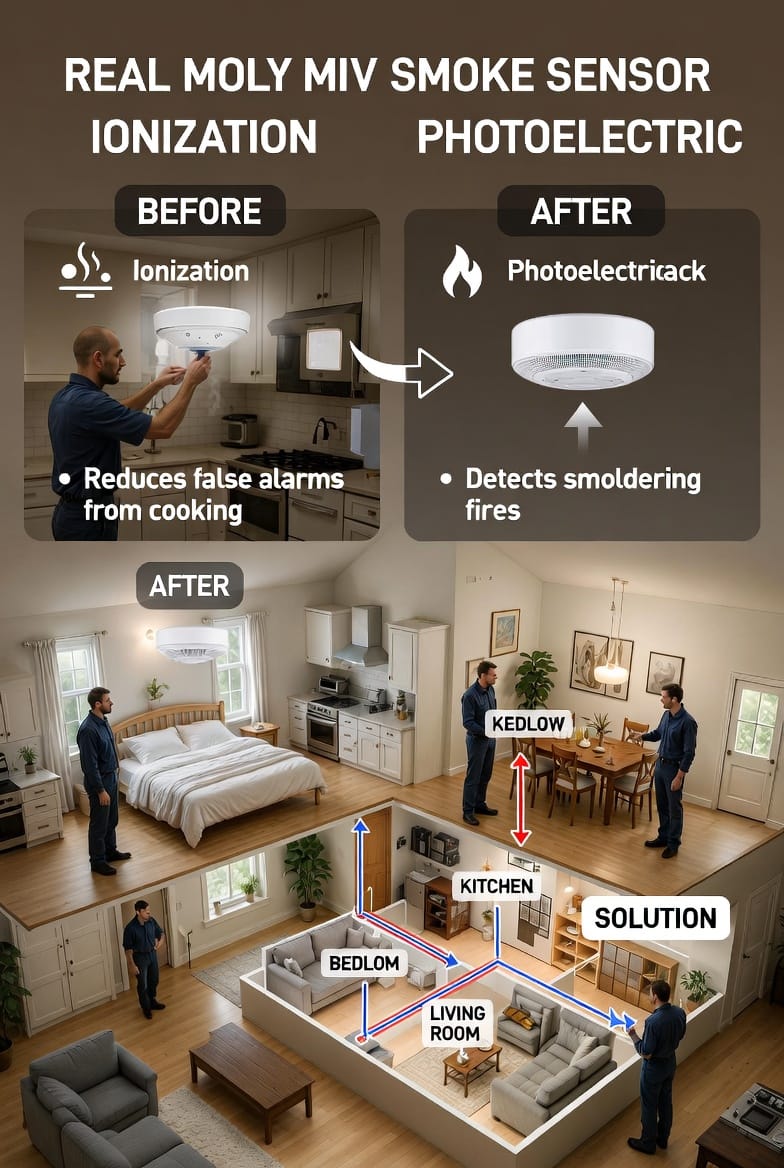
Ionization sensors use a small amount of radioactive material to ionize air within the detector. When smoke enters, it disrupts the ion flow, triggering the alarm. These are excellent for detecting fast-flaming fires, such as those from paper or flammable liquids. However, they can be prone to false alarms from cooking smoke or steam.
Photoelectric sensors, on the other hand, employ a light beam and a photocell. Smoke particles scatter the light, alerting the sensor. They're superior for smoldering fires, like those from overheating wiring or upholstery, which produce larger smoke particles.
For comprehensive protection:
- Use ionization sensors in areas like living rooms or hallways where quick flames might occur.
- Place photoelectric sensors near bedrooms and kitchens to catch slow-burning threats early.
- Opt for combination detectors that include both types, plus CO sensing, for all-around coverage.
Recommendations for placement:
- Ceilings Over Walls: Mount detectors high, as smoke rises.
- Every Level: Install on each floor, including basements.
- Near Sleeping Areas: Outside bedrooms for early warnings.
- Avoid Nuisance Zones: Keep away from bathrooms or cooking areas to reduce false triggers.
Integrating these into your security system ensures they're not just detectors but part of a smart, responsive network.
Enhancing Home Safety with Smart Features
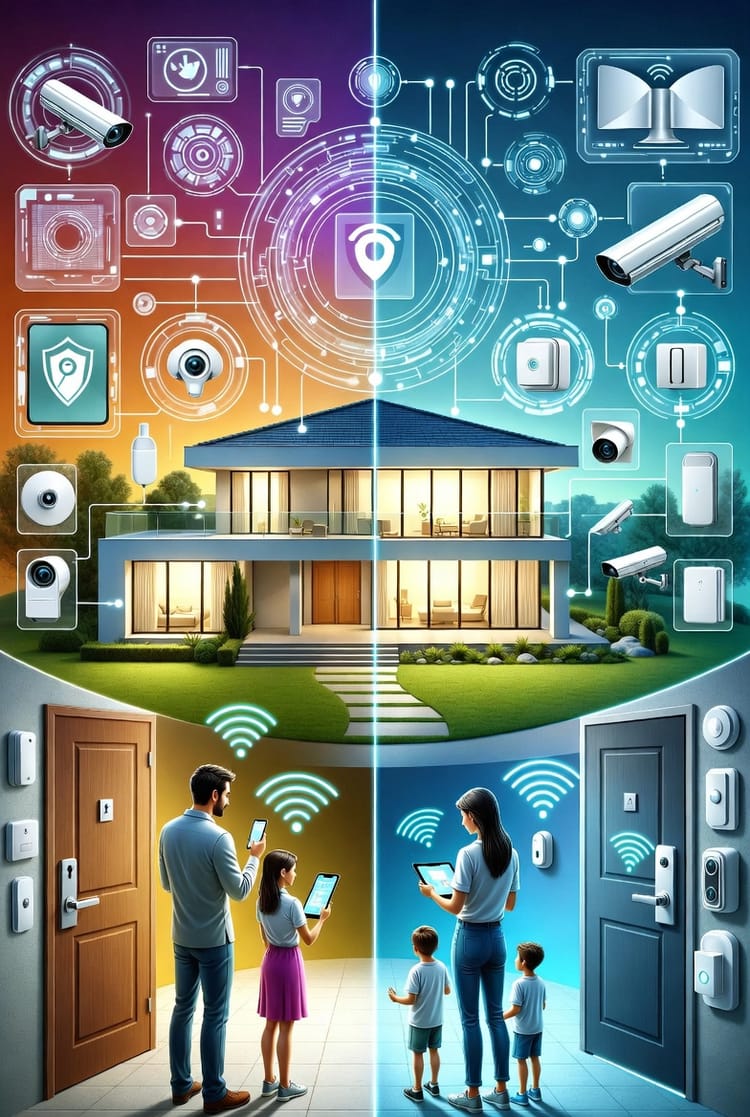
Beyond basic detection, modern integrations offer smart home compatibility. Apps allow you to receive push notifications, silence false alarms remotely, and even integrate with voice assistants like Alexa or Google Home for verbal alerts.
For instance, if CO is detected, the system can automatically shut off HVAC to prevent gas spread, or unlock doors for easier evacuation. This level of automation is authoritative in its design, built on years of engineering to prioritize safety.
Common myths debunked:
- Myth: Integration is Complicated – Professional installers handle wiring seamlessly.
- Myth: It's Expensive – Many systems offer affordable add-ons with long-term savings on insurance.
- Myth: Wireless is Always Better – Hardwired provides unmatched reliability.
By addressing these, homeowners can make informed decisions, fostering a secure environment.
Maintenance and Best Practices for Longevity
To keep your integrated system effective, regular maintenance is key. Test detectors monthly, replace batteries annually (even in hardwired units), and fully replace units every 10 years as per manufacturer guidelines.
Professional services can conduct annual inspections, ensuring connections to the security panel remain intact. This proactive approach minimizes risks and maximizes reliability.
In multi-family homes or apartments, integration ensures building-wide alerts, protecting neighbors too.
The Broader Impact on Family Well-Being
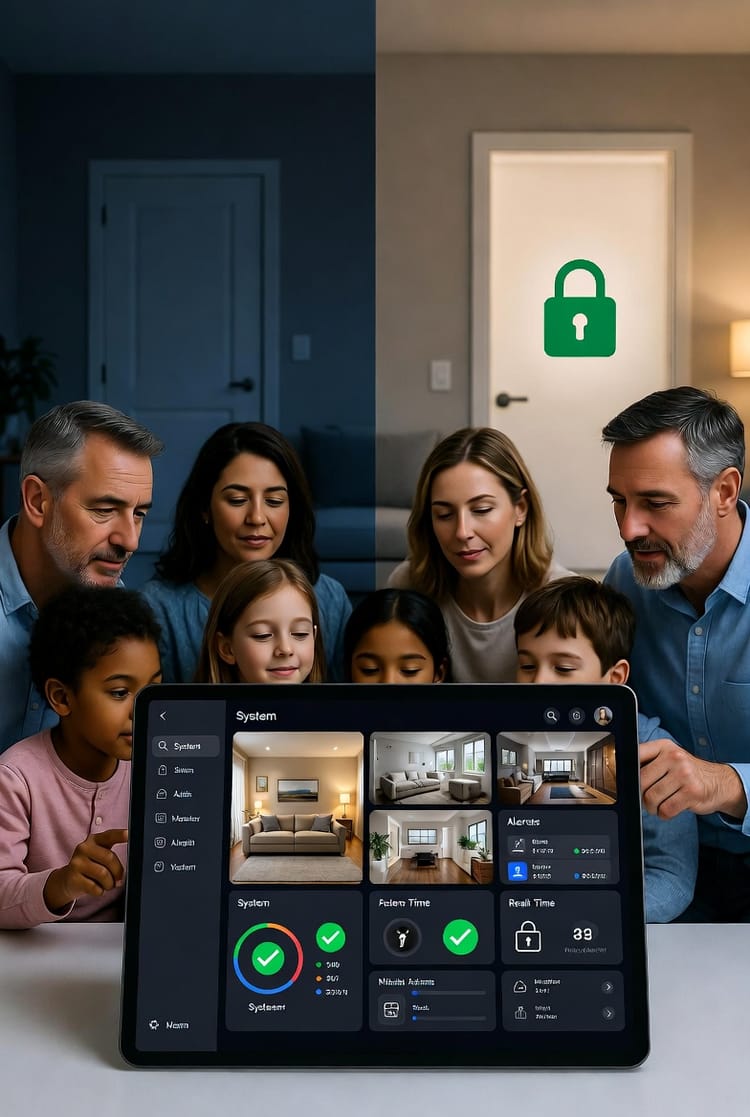
Integrating smoke and CO detectors isn't just about technology—it's about safeguarding what matters most. Families report greater peace of mind knowing their system watches over them 24/7. Insurance companies often provide discounts for such setups, recognizing the reduced risk.
In essence, modern security systems transform from burglary deterrents to comprehensive life-safety guardians.
Conclusion: Elevate Your Protection Today
Your security system can save lives beyond intrusion detection by embracing life-safety integration. Don't leave your home's safety to chance.
Secure Peace of Mind with Professional Monitoring – Call for Details