The Smart Lock Ecosystem: Keypads, Key Fobs, and Mobile Access Replacing the Traditional Keyring
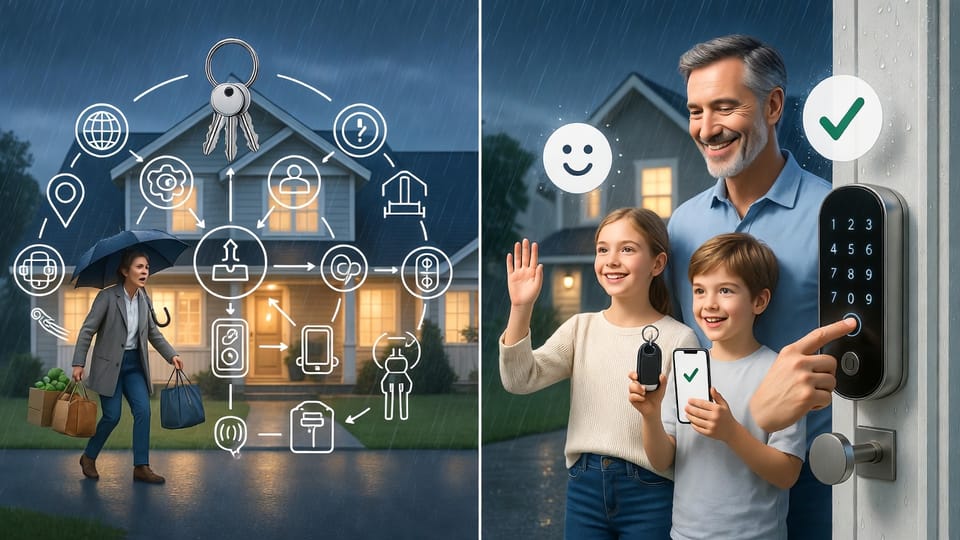
In today's fast-paced world, home security has evolved beyond the clunky metal keys that once dominated our daily routines. The rise of the smart lock ecosystem – encompassing electronic keypad deadbolts, proximity key fobs, and smartphone-based access – is revolutionizing how we secure and enter our homes. This shift not only enhances convenience but also bolsters security features, making traditional keyrings feel like relics of the past. As a leading expert in home security solutions, we're here to guide you through this transformation, assuring you that modernizing your entry points is both accessible and reliable.
Integrate Smart Locks with Your Security System – Call Now
Whether you're a busy professional forgetting keys at the office or a family managing multiple access needs, these technologies offer tailored solutions. In this comprehensive guide, we'll compare the key players in the smart lock arena, delve into their unique benefits, and address common concerns like power backups and system integrations. By the end, you'll see why upgrading to smart locks is a smart move for any homeowner.
Understanding Modern Access Control: A New Era of Home Entry
Gone are the days when losing a key meant calling a locksmith in a panic. Modern access control systems leverage digital innovation to provide seamless, secure entry without physical keys. At the heart of this ecosystem are three primary types: electronic keypad deadbolts, proximity key fobs, and smartphone-based locks. Each brings its own blend of convenience and security, catering to different lifestyles and preferences.
Electronic keypad deadbolts operate via numeric codes entered on a touchpad, eliminating the need for keys altogether. They're ideal for households with children or elderly members who might struggle with small fobs or apps. Proximity key fobs, on the other hand, use radio frequency identification (RFID) to unlock doors when brought close to the lock – think of them as high-tech versions of car keyless entry. Finally, smartphone-based locks turn your mobile device into a virtual key, allowing remote control and monitoring through dedicated apps.
What ties these together is their focus on user-centric design. No more duplicating keys for house sitters or worrying about unauthorized copies. Instead, you gain control over who enters your home and when, all while enjoying peace of mind.
Comparing Convenience: Which Smart Lock Fits Your Lifestyle?
When evaluating smart locks, convenience is often the top priority. Let's break down how each type stacks up in everyday use.
- Keypad Deadbolts: These shine in simplicity. Imagine arriving home with arms full of shopping bags – just punch in your code, and you're in. No fumbling for devices or worrying about battery life on a phone. They're weather-resistant and often feature illuminated keypads for nighttime use, making them a reassuring choice for all ages.
- Key Fobs: Proximity detection means hands-free entry. Wave the fob near the door, and it unlocks automatically. This is perfect for joggers or parents with strollers, reducing physical effort. Many models are compact enough to attach to a backpack or wallet, blending seamlessly into your routine.
- Mobile Access: The ultimate in flexibility. Lock or unlock from anywhere with an internet connection. Forgot to lock up after leaving? A quick app tap handles it. Integration with voice assistants like Alexa or Google Home adds voice-command convenience, turning your home into a truly connected space.
In terms of setup, all three are DIY-friendly for tech-savvy users, but professional installation ensures optimal performance. Rest assured, these systems are designed with backward compatibility, fitting most standard doors without major modifications.
Security Features: Fortifying Your Home Against Threats
Security isn't just about locking doors; it's about intelligent protection. Smart locks incorporate advanced features that surpass traditional keys, addressing vulnerabilities like lock picking or key theft.
- Encryption and Authentication: Keypad systems use rolling codes to prevent replay attacks, while fobs employ encrypted signals. Smartphone locks add biometric options like fingerprint or facial recognition for an extra layer.
- Audit Trails: Most models log entry attempts, notifying you via app alerts if something's amiss. This real-time monitoring deters intruders and provides evidence if needed.
- Tamper Resistance: Built-in alarms trigger on forced entry attempts, integrating with broader security systems for comprehensive coverage.
Concerns about hacking? Leading brands use bank-level encryption, and regular firmware updates keep them ahead of threats. As experts, we emphasize that the risk is minimal compared to physical key vulnerabilities – no more hiding spares under mats!
Backup Power Options: Ensuring Reliability in Any Scenario
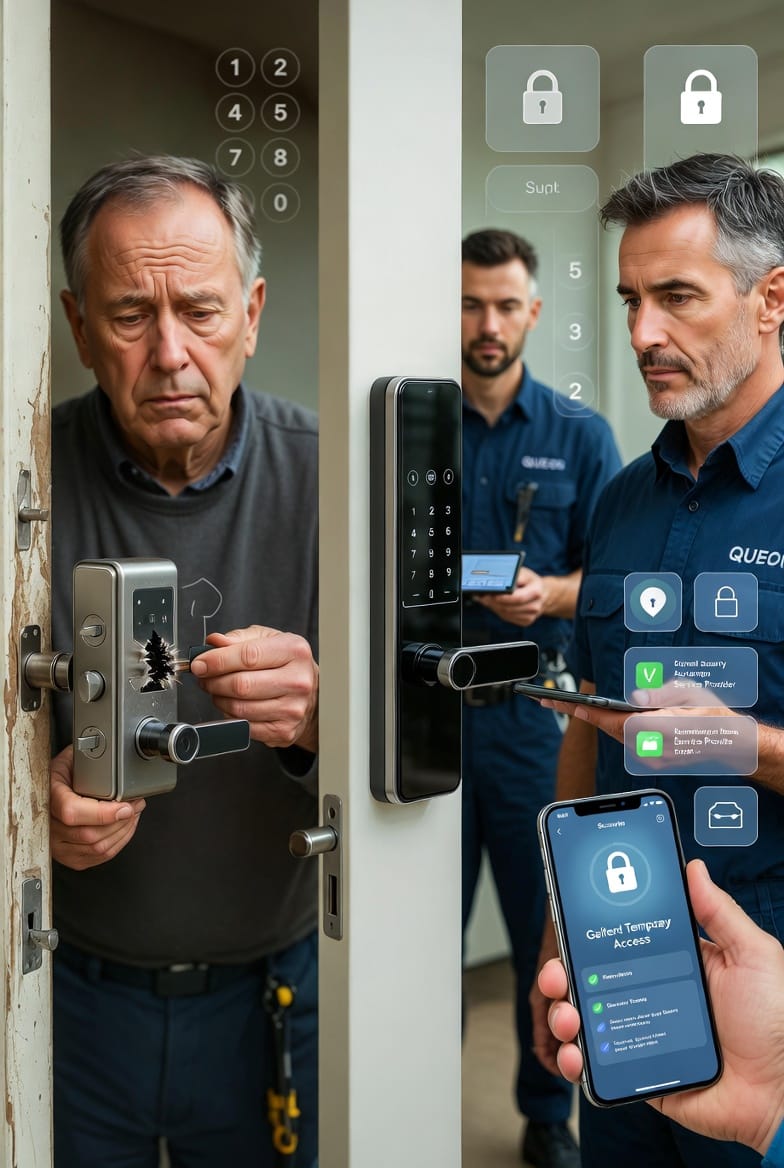
One common worry with electronic locks is power failure. But fear not – manufacturers have engineered robust backup power options to keep you secure.
- Battery Life: Most smart locks run on AA or lithium batteries lasting 6-12 months. Low-battery alerts give ample warning, and some models feature external battery jump ports for quick recharges.
- Manual Overrides: In emergencies, a physical key backup is often included, blending old-school reliability with new tech.
- Solar and Wired Alternatives: For high-traffic doors, wired options connect to your home's power, while solar-powered keypads harness sunlight for eco-friendly operation.
These redundancies ensure you're never locked out, even during outages. Our team recommends models with hybrid power for ultimate reassurance.
Temporary Virtual Keys: Guest Access Made Simple and Secure
Hosting guests or service providers? Temporary virtual keys are a game-changer, allowing controlled access without handing over physical keys.
- Customization: Set time-limited codes or app-based e-keys that expire automatically – perfect for Airbnb hosts or one-time deliveries.
- Revocation: Change or revoke access instantly if plans shift, enhancing security.
- Integration: Link with calendars or smart doorbells for automated guest greetings.
This feature streamlines life while maintaining control, turning potential hassles into hassle-free experiences.
Integration with Security Systems: Building a Cohesive Defense
The true power of the smart lock ecosystem lies in its ability to integrate with broader home security systems.
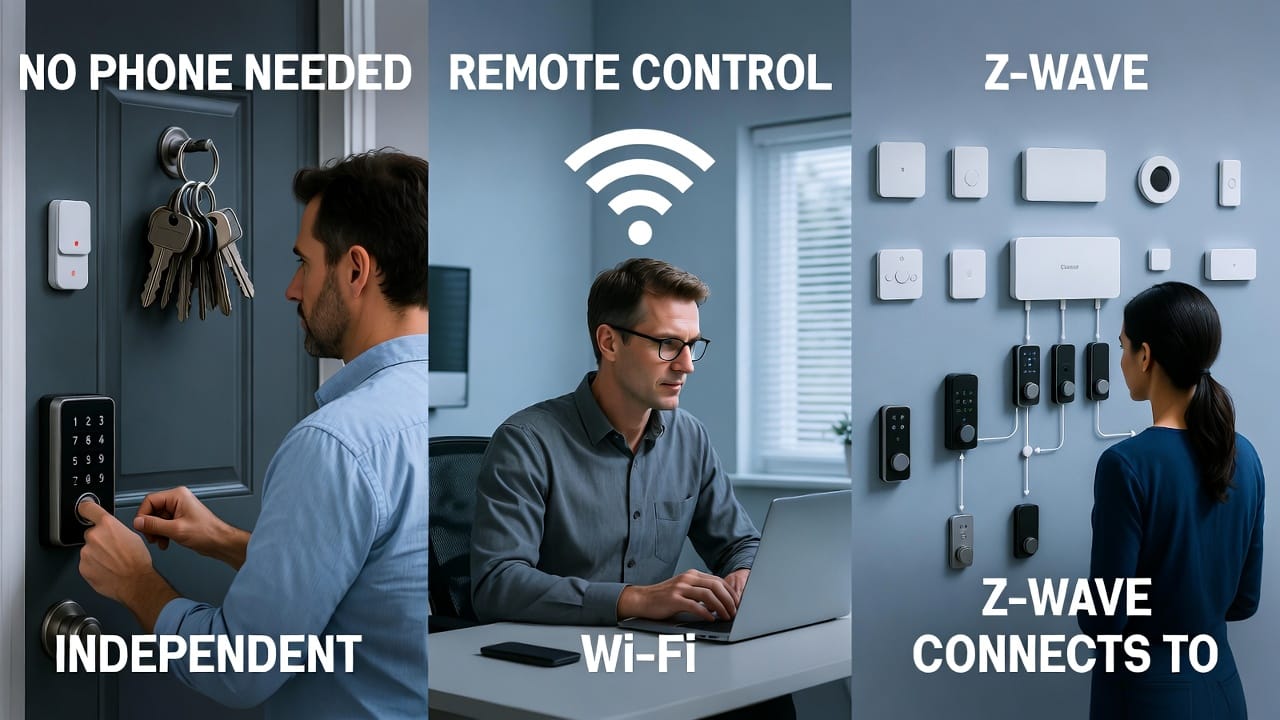
- Smart Home Hubs: Compatible with protocols like Z-Wave or Zigbee, locks sync with lights, cameras, and alarms. Door unlocks? Lights turn on automatically.
- Remote Monitoring: View live feeds and receive motion alerts, creating a layered security net.
- Scalability: Start with one lock and expand to whole-home systems, including garage doors and gates.
Such integrations not only boost security but also energy efficiency, as systems can adjust based on occupancy.
Potential Risks and How to Mitigate Them
While smart locks offer immense benefits, it's wise to address potential risks authoritatively.
- Cyber Threats: Opt for reputable brands with strong encryption. Enable two-factor authentication on apps.
- Battery Dependency: Regular checks and backups minimize issues.
- Compatibility: Professional assessments ensure seamless fits.
By choosing certified products and following best practices, these risks are easily managed, far outweighing traditional key drawbacks.
Choosing the Right Smart Lock for Your Home
Selecting from the ecosystem depends on your needs:
- Families: Prioritize keypads for ease.
- Tech Enthusiasts: Go for mobile access.
- Integrated Setups: Choose fobs with hub compatibility.
Consult experts to match features to your lifestyle.
The Future of Home Access: Trends on the Horizon
Looking ahead, biometrics and AI will further enhance smart locks, predicting user patterns for even smarter security. Stay ahead by embracing these innovations today.
In conclusion, the smart lock ecosystem – with its keypad deadbolts, key fobs, and mobile access – is poised to replace traditional keyrings entirely. This modernization not only simplifies daily life but fortifies your home against modern threats.
Secure Your Home with Mobile Access – Call Now