The Sewage Cleanup Protocol: Safety, Removal, and Disinfection After Category 3 Water Damage
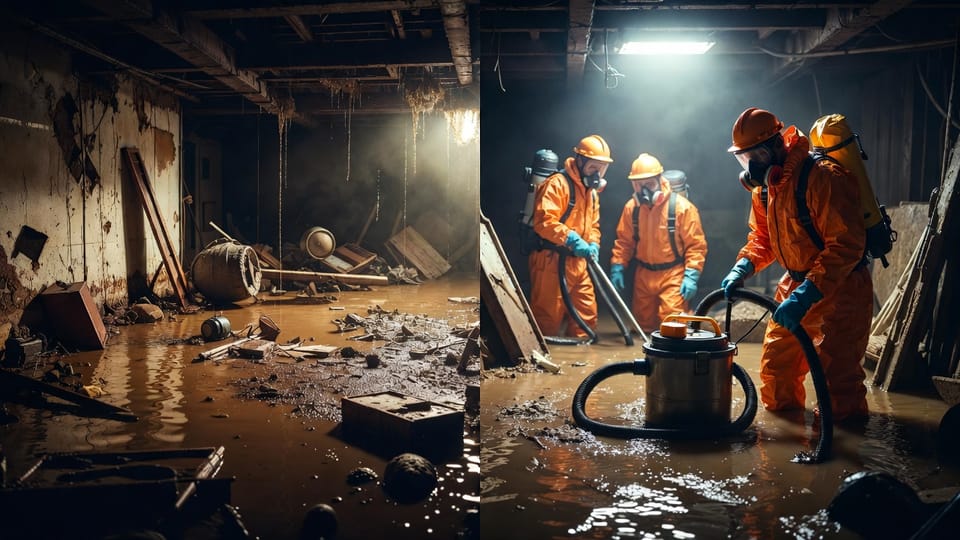
When faced with sewage backup or Category 3 water damage, it's essential to act swiftly and safely. This type of flooding, often called "black water," involves highly contaminated water from sources like toilets, sewers, or external flooding mixed with waste. As experts in biohazard remediation, we assure you that with the right protocol, your property can be restored to a safe, habitable state. This comprehensive guide outlines the sewage cleanup process, focusing on safety measures, material removal, and thorough disinfection. By following these steps, you mitigate health risks and prevent long-term damage.
Complete Sewage & Biohazard Cleanup – Call for Immediate Help
Understanding Category 3 Water Damage
Category 3 water damage is the most severe classification in water damage restoration, defined by the Institute of Inspection, Cleaning and Restoration Certification (IICRC). It includes water grossly contaminated with pathogens, toxins, and other harmful substances. Sewage backups are a prime example, where wastewater from drains or toilets overflows into living spaces.
This contamination poses immediate and long-term threats. Unlike clean water from a burst pipe (Category 1) or slightly contaminated gray water (Category 2), Category 3 water can harbor bacteria like E. coli, viruses such as hepatitis, and parasites including giardia. Exposure can lead to serious illnesses, making professional intervention crucial. Rest assured, with structured protocols, these risks are manageable.
Key characteristics of Category 3 damage include:
- High levels of biohazards from human or animal waste.
- Potential for mold growth within 24-48 hours.
- Absorption into porous surfaces, requiring complete removal rather than simple drying.
SEO tip: If you're searching for "sewage cleanup near me," prioritize certified professionals to ensure compliance with health standards.
The Specific Dangers of Sewage Exposure
Sewage isn't just unpleasant—it's a serious health hazard. The dangers stem from its composition: a mix of water, organic matter, chemicals, and microorganisms. Understanding these risks empowers you to prioritize safety.
Pathogenic Risks: Sewage contains harmful bacteria, viruses, and fungi. For instance, Salmonella and Shigella can cause gastrointestinal infections, while norovirus leads to severe vomiting and diarrhea. In vulnerable populations like children, the elderly, or immunocompromised individuals, these can escalate to life-threatening conditions.
Chemical Hazards: Household cleaners, pesticides, or industrial waste in sewage introduce toxins like heavy metals (e.g., lead or mercury) and volatile organic compounds (VOCs). Inhalation or skin contact can result in respiratory issues or chemical burns.
Secondary Complications: Untreated sewage promotes mold proliferation, exacerbating allergies and asthma. Structural weakening from absorbed moisture can also lead to collapses or electrical hazards.
Authoritatively, we emphasize that DIY attempts often worsen exposure. Professional biohazard remediation teams use EPA-approved methods to neutralize these threats, ensuring your family's safety.
Safety First: Required Personal Protective Equipment
Before any cleanup begins, equipping yourself or your team with proper personal protective equipment (PPE) is non-negotiable. This barrier protects against direct contact with contaminants, aerosols, and splashes.
Essential PPE for sewage cleanup includes:
- Full-body hazmat suits: Tyvek or similar impermeable materials to cover skin completely.
- Respirators: NIOSH-approved N95 or higher, preferably with powered air-purifying systems for prolonged exposure.
- Gloves: Heavy-duty, nitrile or rubber, extending to the elbows.
- Boots: Waterproof, steel-toed for protection against sharp debris.
- Eye protection: Goggles or full-face shields to prevent splashes.
- Head coverings: Hoods integrated into suits to avoid hair contamination.
Training in donning and doffing PPE is vital to prevent cross-contamination. Remember, PPE isn't foolproof—combine it with site isolation. If you're not certified, calling professionals at (855) 321-3350 guarantees expert handling.
Setting Up Containment Zones
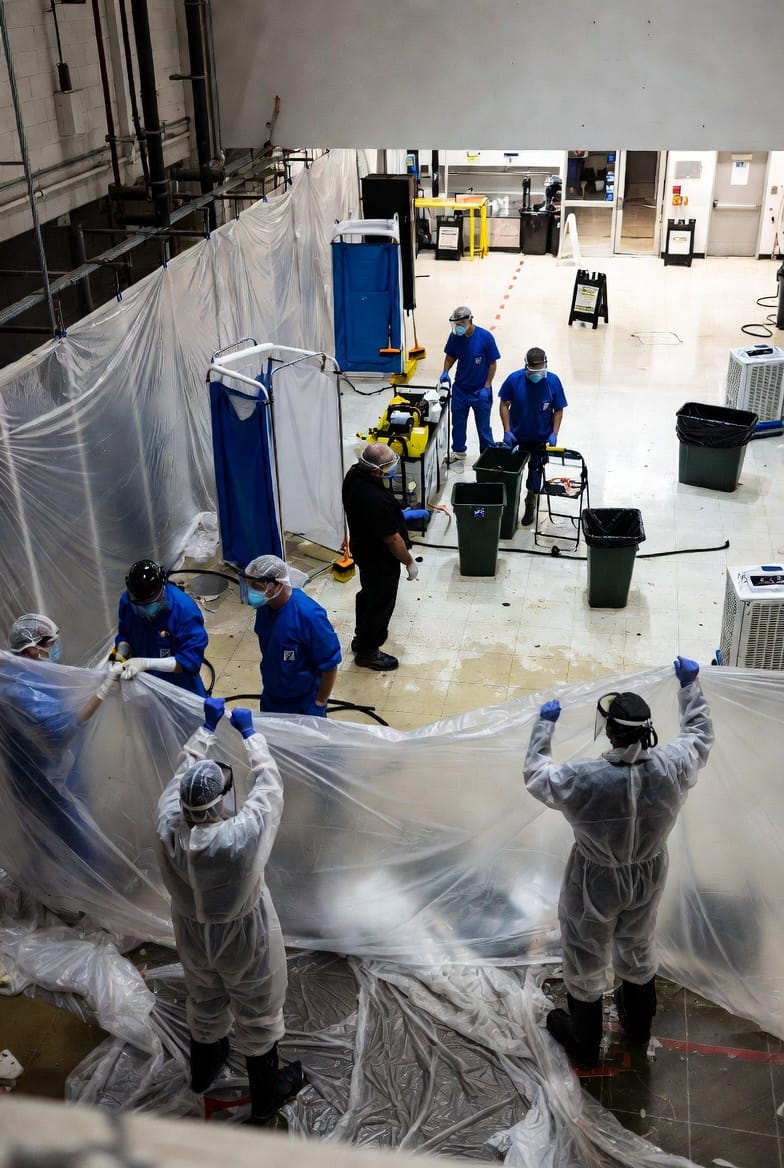
Effective sewage cleanup starts with isolating the affected area to prevent contaminant spread. This involves creating distinct zones: containment, decontamination, and clean areas.
- Containment Zone: The epicenter of damage, sealed with plastic sheeting and negative air pressure machines (HEPA-filtered) to trap airborne particles.
- Decontamination Zone: A buffer area for removing PPE and cleaning tools, equipped with wash stations and disposal bins.
- Clean Zone: Unaffected spaces kept pristine, with restricted access.
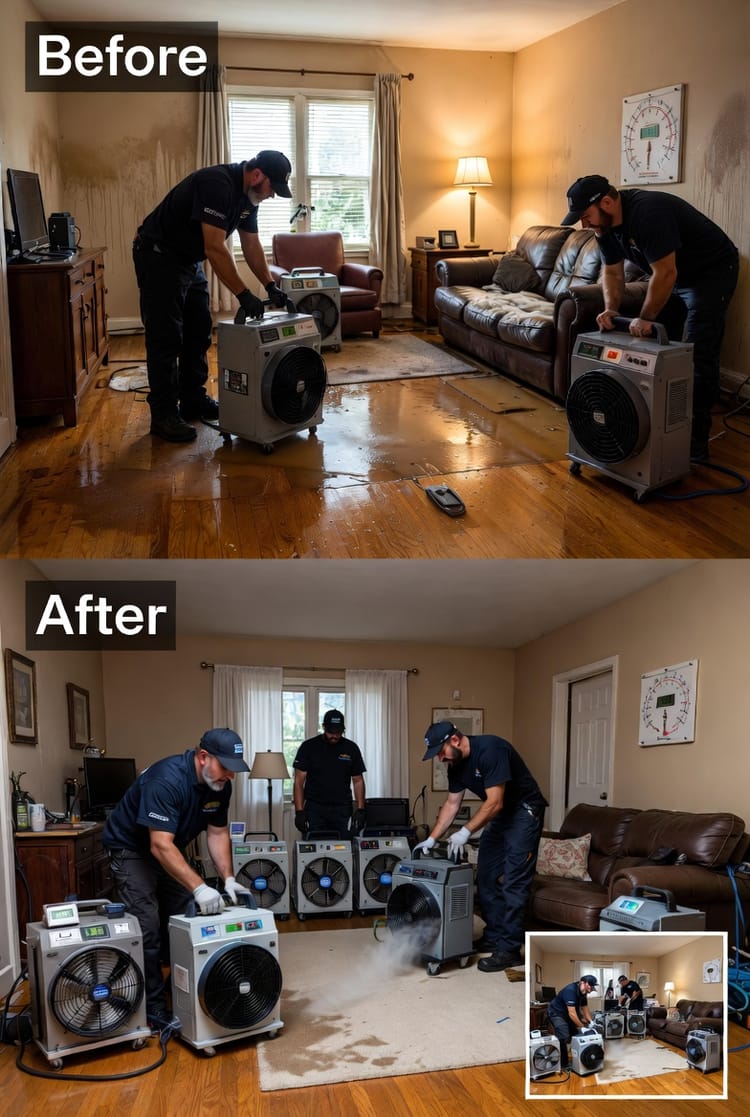
This zoning minimizes cross-contamination risks. Professionals use air scrubbers and barriers, ensuring thorough control. It's reassuring to know that these measures, when applied correctly, restore safety efficiently.
Removal of Contaminated Porous Materials
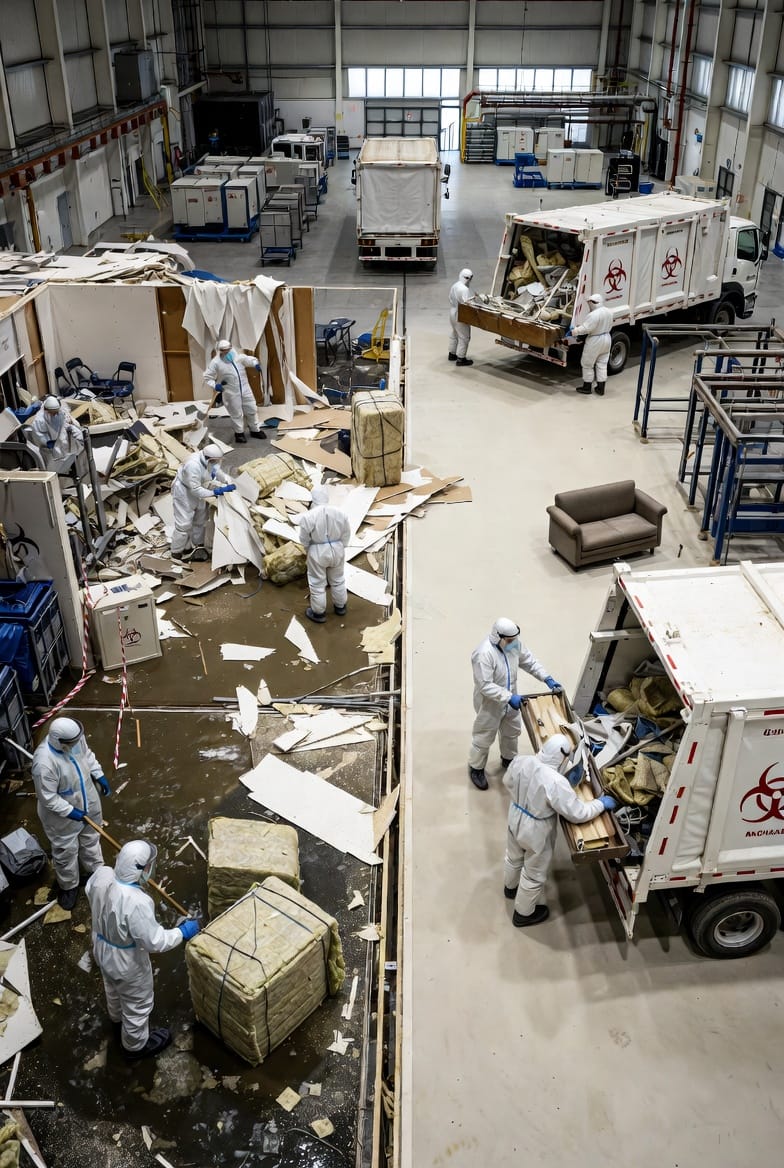
Porous materials absorb sewage rapidly, becoming breeding grounds for pathogens. The protocol mandates their complete removal—drying alone isn't sufficient.
Why Remove? Contaminants penetrate deeply, making disinfection impossible. Items like carpet, drywall, insulation, and upholstered furniture must be discarded to eliminate biohazards.
Step-by-step removal process:
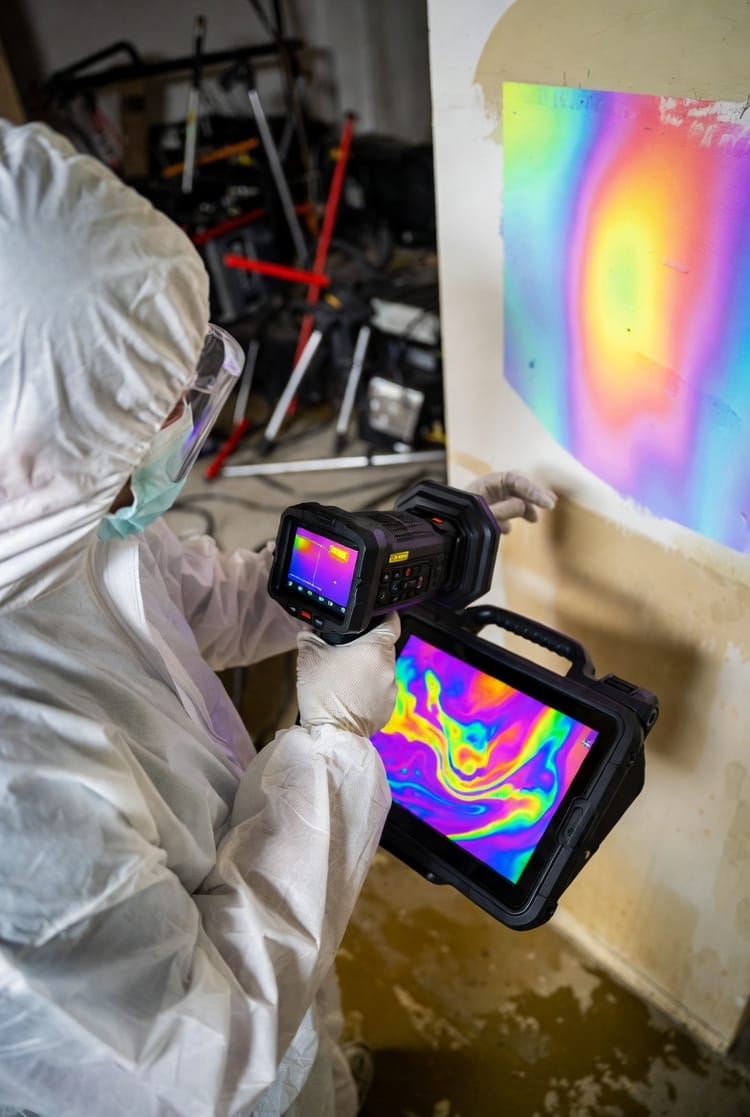
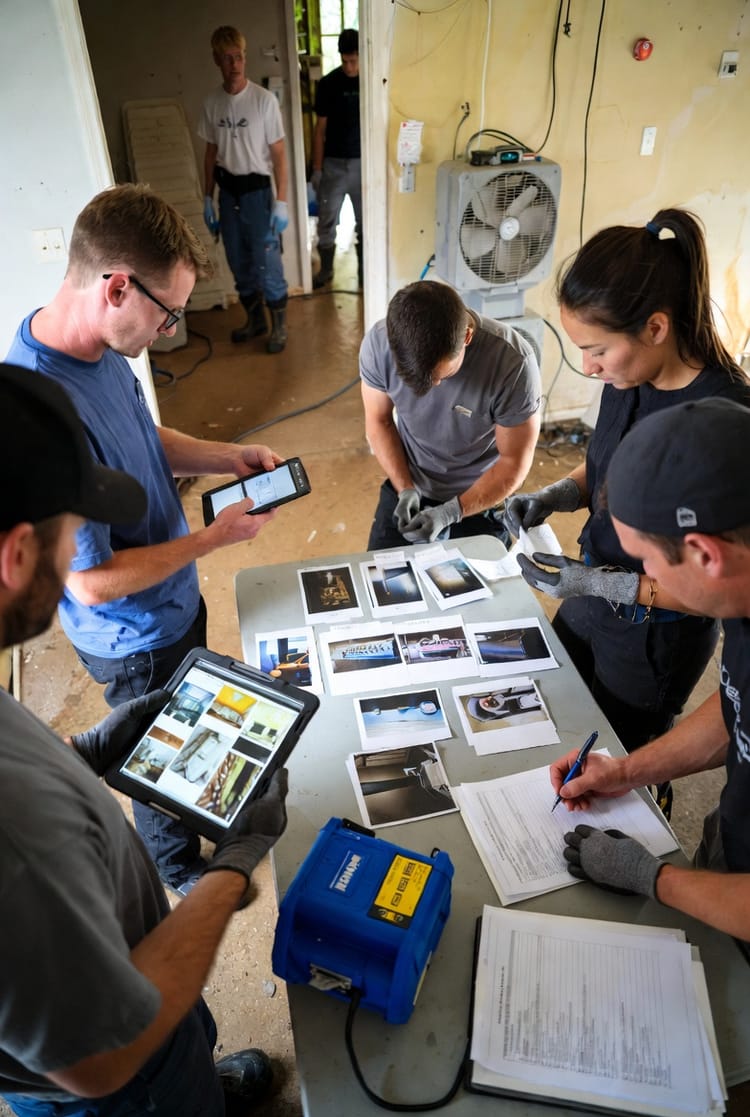
- Assessment: Inspect and document damage using moisture meters and thermal imaging.
- Extraction: Pump out standing water with submersible pumps, then use wet vacuums for residues.
- Demolition: Cut out affected drywall (typically 2-4 feet above the waterline), remove carpets and padding, and extract insulation.
- Disposal: Bag materials in biohazard containers and dispose per local regulations.
This phase is labor-intensive but critical. Authoritative advice: Attempting to salvage porous items risks recurring mold and health issues. Trust experts for precise execution.
The Disinfection Process for Salvageable Items
Not everything needs discarding—non-porous items like metal, glass, or sealed wood can often be salvaged through rigorous disinfection. This step follows removal, ensuring no residual contaminants.
Initial Cleaning: Scrub surfaces with detergents to remove visible soil, then rinse.
Disinfectant Application: Use EPA-registered antimicrobials effective against bacteria, viruses, and fungi. Common options include quaternary ammonium compounds or hydrogen peroxide-based solutions. Apply via spraying or fogging, allowing dwell time (typically 10-30 minutes).
Advanced Techniques: For thoroughness, employ:
- Ultraviolet (UV) light: To kill surface microbes.
- Ozone generators: In unoccupied spaces for gas-phase disinfection.
- HEPA vacuuming: To capture fine particles.
Verification: Test surfaces with ATP meters or microbial swabs to confirm efficacy. Multiple rounds may be needed.
Reassuringly, this process restores items safely, saving costs without compromising health. For complex cases, professional services ensure compliance with standards like those from the CDC.
When to Call Professionals
Sewage cleanup isn't a DIY project. The biohazards involved require specialized training and equipment. Signs you need help include widespread flooding, persistent odors, or health symptoms post-exposure.
Benefits of professional remediation:
- Certified technicians follow IICRC S500 standards.
- Insurance coordination for seamless claims.
- Prevention of secondary damage like structural rot.
Emergency CTA: Sewage is a biohazard. For safe, professional cleanup, call (855) 321-3350.
Long-Term Prevention and Recovery
Post-cleanup, focus on prevention: Install backflow valves, maintain drains, and schedule regular inspections. Recovery involves rebuilding with moisture-resistant materials.
In conclusion, the sewage cleanup protocol—emphasizing safety, removal, and disinfection—transforms a hazardous situation into a secure one. With authoritative guidance and professional support, your property will be resilient against future incidents.
Don’t Risk Health – Call for Expert Category 3 Water Damage Service