The Refrigerator Compressor: Signs of Failure, Warranty Considerations, and Replacement Economics

Your refrigerator is more than just an appliance—it's the silent guardian of your family's food safety and daily convenience. At its core lies the refrigerator compressor, often called the "heart" of the system. This hardworking component compresses refrigerant gas, enabling the cooling cycle that keeps your perishables fresh. When it falters, the entire fridge suffers. Understanding compressor failure signs, navigating warranty options, and weighing replacement economics can save you time, money, and frustration.
Compressor Clicking or Not Cooling? Call Us Now!
In this comprehensive guide, we'll dive deep into recognizing trouble early, decoding warranty protections, and making smart decisions about repairs versus full replacements. Whether you're dealing with a sudden warm fridge or planning for the long haul, this article empowers you with the knowledge to act confidently. Let's explore how to keep your kitchen running smoothly.
What Is the Refrigerator Compressor and Why Does It Matter?
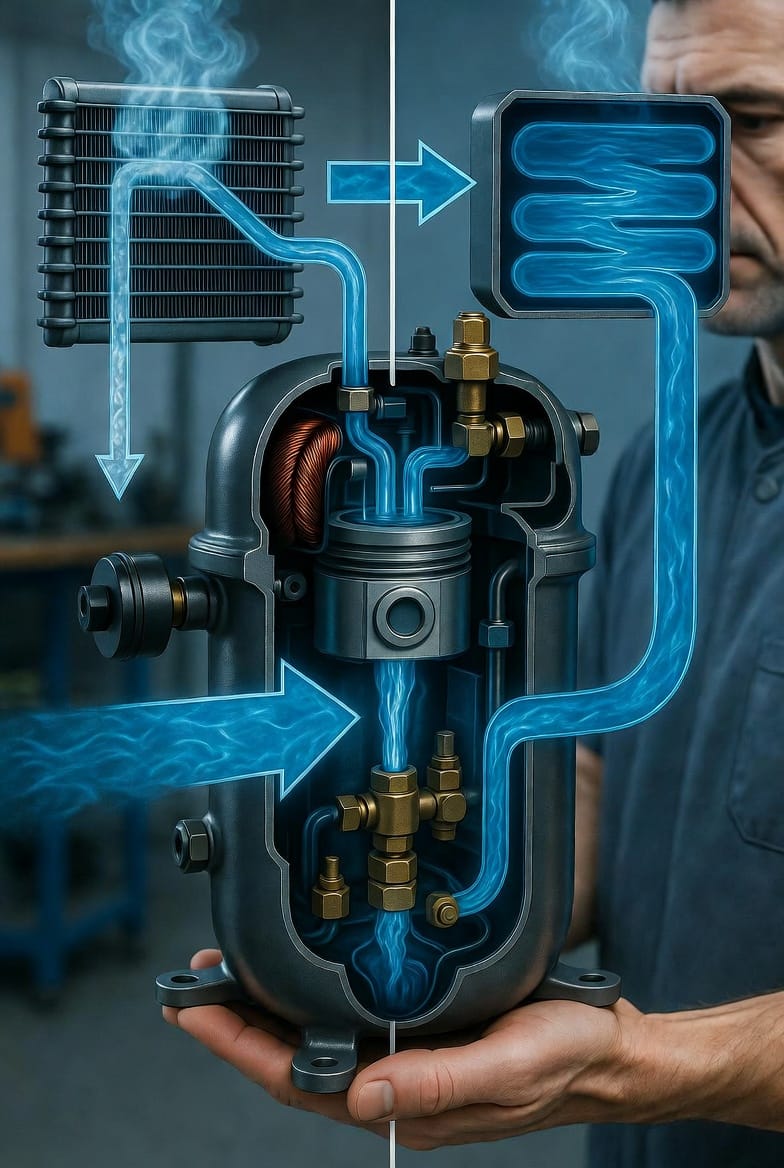
The refrigerator compressor is a sealed unit typically located at the bottom or back of your fridge. It acts like a pump, pressurizing low-pressure refrigerant vapor into a high-pressure gas. This process releases heat outside the unit via the condenser coils, allowing the refrigerant to cool and absorb heat from inside the fridge and freezer.
Without a functioning compressor, your appliance can't maintain temperatures below 40°F (4°C) in the fridge or 0°F (-18°C) in the freezer. Modern compressors are marvels of efficiency, lasting 10-15 years on average, but factors like power surges, poor maintenance, or manufacturing defects can shorten their lifespan.
Key risks include refrigerant leaks, electrical shorts, or mechanical wear from constant cycling. Regular upkeep—such as cleaning coils and ensuring proper airflow—can extend its life, but when issues arise, quick action is essential. Ignoring early warnings often leads to spoiled food, higher energy bills, and costly emergencies.
Pro tip: If your fridge is over 10 years old, monitor it closely. Newer models boast inverter compressors that run more quietly and efficiently, potentially cutting energy use by 20-30%.
Spotting the Signs of Compressor Failure
Compressor failure doesn't always announce itself dramatically, but subtle clues build over time. Recognizing them early can mean the difference between a simple fix and a total appliance overhaul. Here are the most common indicators:
- Hot Exterior Cabinet: Feel the sides or top of your fridge—if it's unusually warm or hot to the touch, the compressor may be overworking or failing to dissipate heat. This is often the first red flag, signaling inefficient operation.
- No Cooling or Freezing: Food spoils faster, ice melts in the freezer, and the interior feels room temperature. The compressor isn't circulating refrigerant effectively, halting the cooling process entirely.
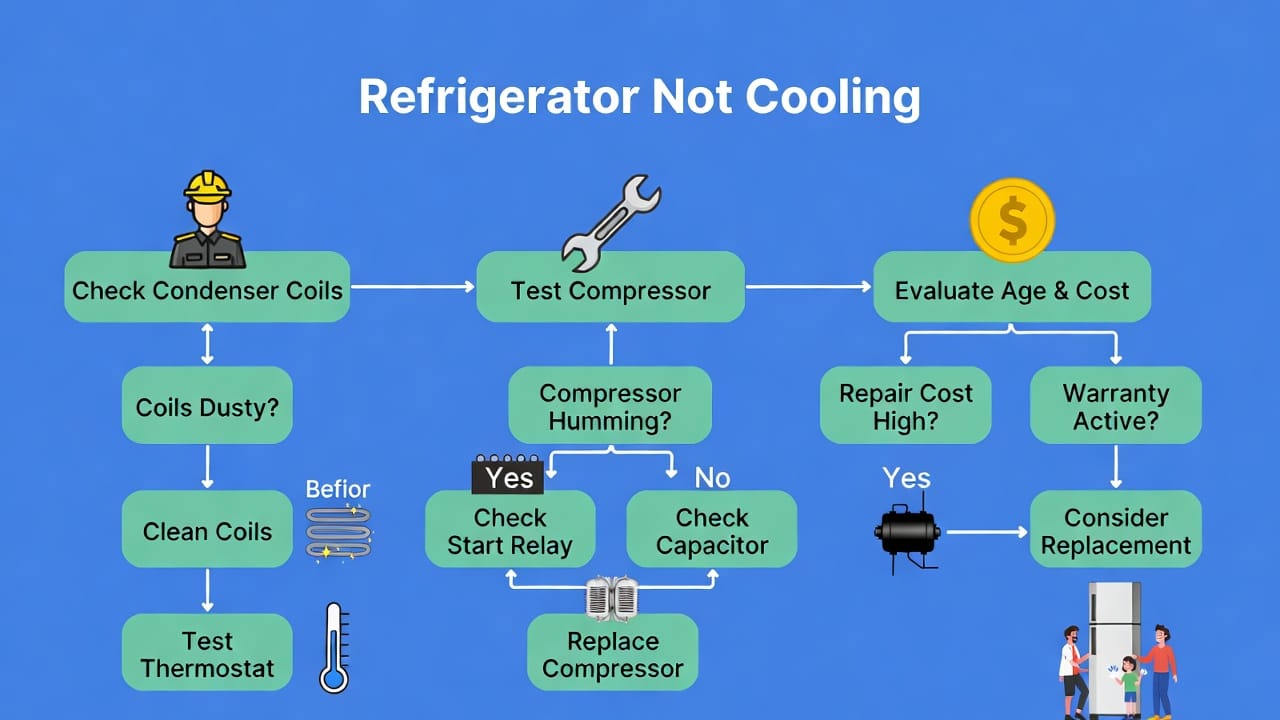
- Clicking or Buzzing Sounds: A rhythmic clicking every few minutes suggests the compressor is attempting to start but can't due to overload or a faulty start relay. Persistent humming without cooling is another telltale sign of a seized motor.
- Frequent On-Off Cycling: If the unit runs constantly or shorts cycles (turning on and off rapidly), it strains the compressor, leading to burnout. Check for dirty condenser coils or low refrigerant as culprits.
- Unusual Noises from the Back: Grinding, rattling, or high-pitched squeals indicate internal mechanical failure, like worn bearings or a damaged piston.
- Frost Buildup or Uneven Temperatures: Excessive ice on evaporator coils or warm spots in the fridge point to poor refrigerant flow, often tied to compressor issues.
These symptoms can mimic other problems, like a faulty thermostat or blocked vents, so professional diagnosis is key. A certified technician uses specialized tools to pinpoint the issue without guesswork.
In one common scenario, a homeowner notices their milk souring overnight. After ruling out power issues, the culprit? A compressor struggling with low oil levels, a silent killer in older units. Early intervention prevents cascade failures across the sealed system.
How to Diagnose Compressor Issues Safely
Before jumping to conclusions, perform basic checks at home. Unplug the fridge for 5 minutes to reset the compressor, then plug it back in and listen for a smooth startup hum. Avoid DIY refrigerant handling—it's illegal and dangerous without EPA certification.
Visual inspection tips:
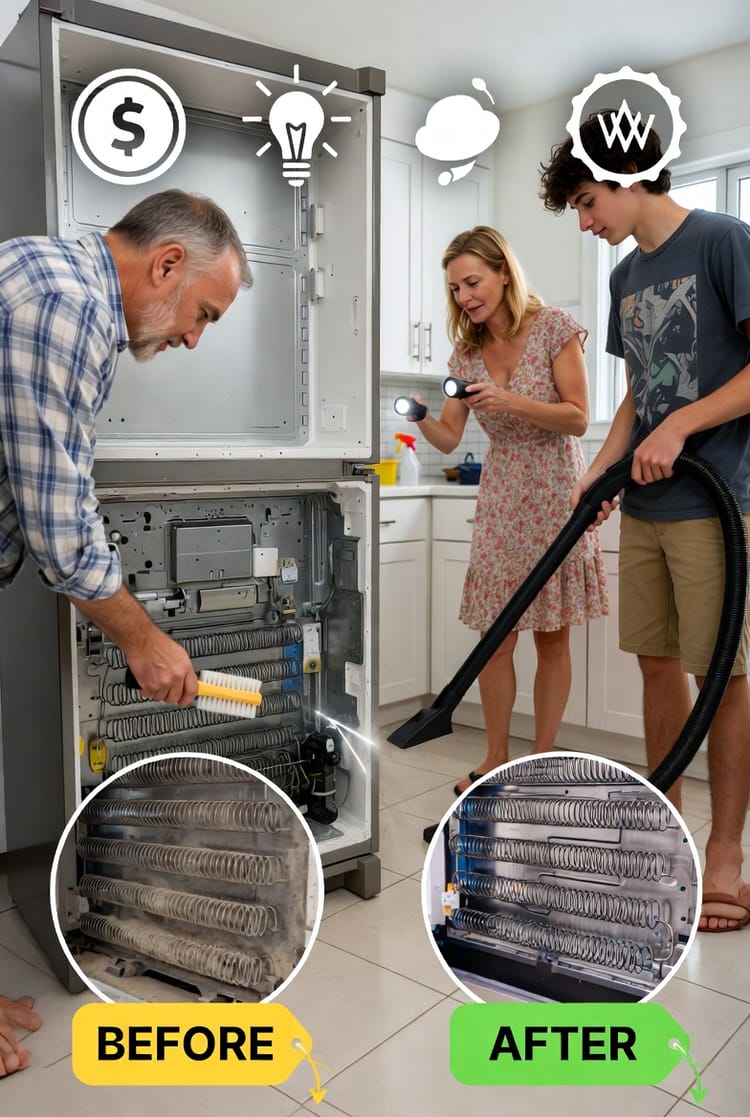
- Ensure condenser coils (back or bottom) are dust-free.
- Verify the evaporator fan spins freely.
- Check door seals for gaps causing overwork.
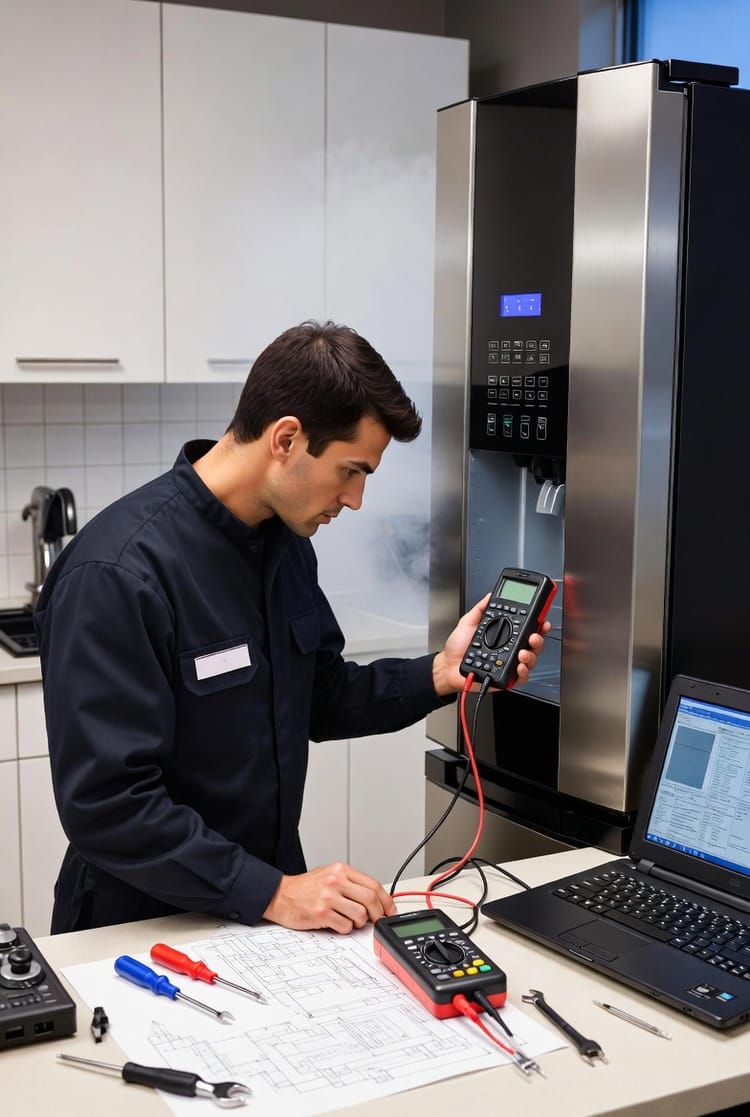
If symptoms persist, it's time for expert help. Technicians employ multimeters for electrical testing, pressure gauges for refrigerant levels, and thermal imaging to spot hotspots. This methodical approach ensures accurate identification of compressor failure versus simpler fixes.
Warranty Considerations for Your Compressor
Most manufacturers cover the refrigerator compressor under an extended sealed-system warranty, separate from the standard 1-year full coverage. Here's what to expect:
- Typical Coverage: 5-10 years on the compressor and related parts (e.g., evaporator, condenser). Brands like Samsung and LG often offer 10-year compressor warranties, while Whirlpool and GE stick to 5 years.
- What's Included: Parts replacement is usually free, but labor and refrigerant recharge may cost $150-300 out-of-pocket. Some policies cover full system repairs if the compressor fails within the window.
- Exclusions and Fine Print: Damage from power surges, improper installation, or user neglect (e.g., overloading) voids coverage. Always register your appliance online upon purchase.
- Claim Process: Contact the manufacturer first with your model number and proof of purchase. They'll dispatch an authorized tech for assessment.
If your fridge is under warranty, repairs are often the smartest path—zero parts cost keeps expenses low. However, expired warranties shift the burden to you, making economics the deciding factor.
Important note: Extended warranties from retailers like Best Buy can add 2-5 years of protection for $50-150, a worthwhile investment for high-end models.
The Economics of Compressor Repair vs. Replacement
Deciding between compressor repair and replacement boils down to cost, age, and efficiency. Let's break it down with real-world numbers.
Repair Costs:
- Diagnostic fee: $75-150.
- Compressor rebuild (rare, for accessible units): $200-400 parts + $200 labor.
- Full sealed-system repair: $500-800, including refrigerant.
Replacement Costs:
- New OEM compressor: $300-600 (varies by size and brand).
- Installation (professional only): $250-500, including evacuation and recharge.
- Total: $550-1,100.
Compare that to a new refrigerator: Entry-level models start at $500, mid-range at $1,000-1,800, and premium smart fridges exceed $2,500. For a 12-year-old unit, replacement often wins—new compressors in modern fridges use eco-friendly R-600a refrigerant, slashing energy bills by 15-25% annually.
Factors Favoring Replacement:
- Appliance Age: Over 10 years? Efficiency drops, and parts scarcity rises.
- Repair Frequency: Multiple issues in the last 2 years signal systemic decline.
- Energy Savings: A new Energy Star model could save $50-100 yearly.
- Resale Value: A functional fridge boosts home appeal.
When Repair Makes Sense:
- Under 8 years old with solid maintenance history.
- Warranty still active.
- Minor electrical fixes (e.g., relay or capacitor) under $300.
Consider total ownership cost. A $700 repair on a $1,200 fridge might seem economical short-term, but factor in rising utility rates and potential future breakdowns.
This table highlights the tipping point: When repair nears 60% of a new fridge's price, lean toward replacement.
Making the Informed Decision on Compressor Repair
Armed with this knowledge, you're equipped to tackle refrigerator compressor challenges head-on. Start by assessing symptoms, then evaluate warranties and costs. Remember, a failing compressor isn't the end—it's an opportunity to upgrade efficiency and reliability.
Final steps for peace of mind:
- Document everything: Photos, sounds, and timelines.
- Consult a trusted local expert for unbiased advice.
- Prioritize prevention: Annual coil cleaning and surge protectors.
Don't let a warm fridge disrupt your life. Our team of certified technicians is ready to diagnose, repair, or replace with speed and precision—ensuring your fridge stays cool for years to come.
Compressor Failure? Get Warranty & Repair Answers – Call Now