The Radiant Heat Companion: Choosing Flooring Materials That Maximize the Efficiency of In-Floor Heating Systems
In the world of home heating, radiant floor heating stands out as a luxurious and energy-efficient solution. Imagine stepping onto warm floors on a chilly morning – that's the magic of in-floor heating systems. But to truly harness their potential, selecting the right flooring is crucial. This guide will walk you through the essentials of choosing materials that enhance thermal efficiency, ensure dimensional stability, and avoid common pitfalls that could diminish performance. Whether you're renovating a bathroom, kitchen, or entire home, we'll help you make informed decisions with confidence.
Transform Cold Floors to Cozy Comfort – Call Today
As an authoritative voice in home improvement, we assure you that pairing the perfect flooring with your radiant heat system isn't just about aesthetics; it's about optimizing comfort and cost savings. Let's dive into the details.
Understanding Radiant Floor Heating Basics
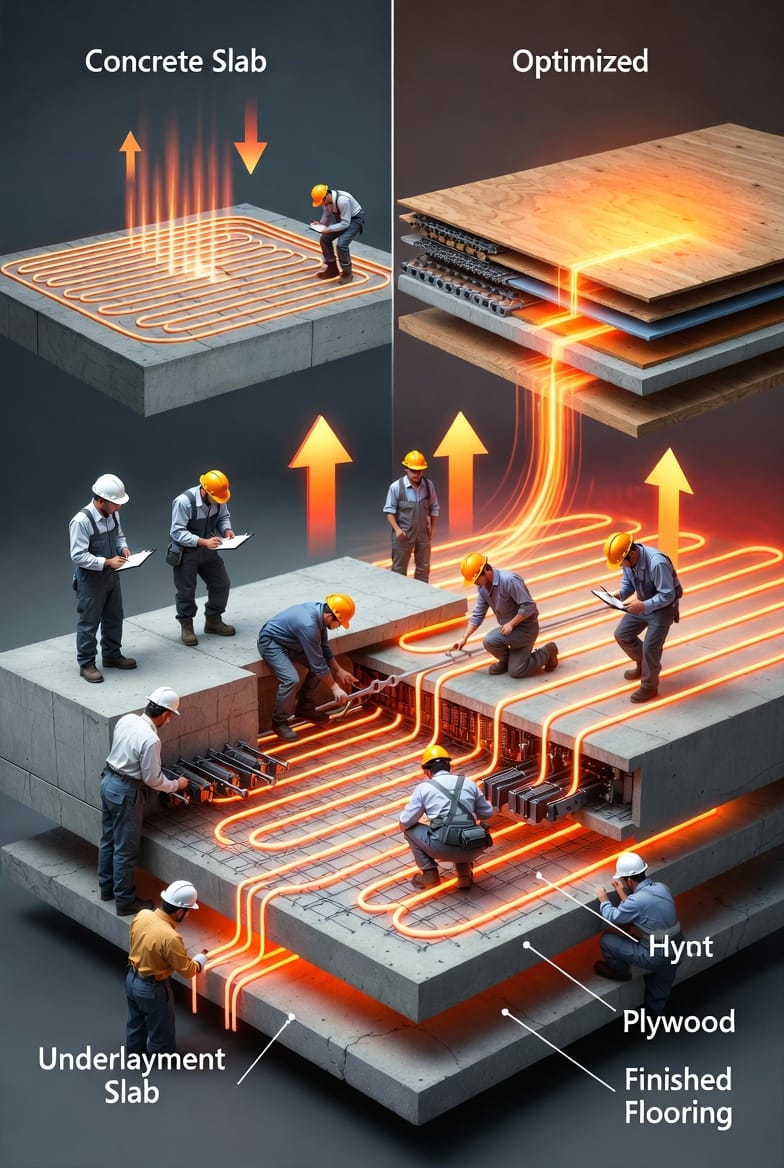
Radiant heat systems work by circulating warm water through tubes embedded in the floor or using electric mats. This method provides even, consistent warmth from the ground up, eliminating cold spots and reducing energy use compared to traditional forced-air systems. The key to maximum efficiency lies in how well heat transfers from the system to your living space.
Thermal conductivity is the star here – it's a measure of how easily heat passes through a material. Materials with high thermal conductivity allow heat to flow freely, warming your rooms quickly and evenly. On the flip side, poor conductors act like insulators, trapping heat below the surface and forcing your system to work harder, which spikes energy bills.
Dimensional stability is equally important. Flooring must withstand temperature fluctuations without warping, expanding, or contracting excessively. Radiant systems can heat floors to 80-85°F, so materials need to handle this without compromising integrity.
Why does this matter? Inefficient flooring can lead to uneven heating, higher operational costs, and even system failures over time. But don't worry – with the right choices, your investment will pay off in comfort and longevity.
Key Factors in Flooring Selection for Radiant Heat
When evaluating flooring options, focus on these core attributes:
- Thermal Conductivity Ratings: Look for materials with a high R-value inverse (low resistance to heat flow). Tile, for instance, has excellent ratings, often below 1.0 R-value per inch.
- Dimensional Stability Requirements: Opt for materials engineered to resist moisture and temperature changes. Engineered products often outperform natural ones in this regard.
- Installation Compatibility: Ensure the flooring can be installed directly over the heating elements without voids or air pockets that hinder heat transfer.
- Thickness Considerations: Thinner materials (under 1/2 inch) generally perform better, as heat doesn't have to travel far.
- Moisture Resistance: Radiant systems in slabs or with hydronic tubing require flooring that won't trap humidity, preventing mold or degradation.
By prioritizing these, you'll avoid risks like reduced system efficiency or premature wear. Rest assured, many modern flooring options are designed specifically for this purpose.
Ideal Flooring Materials for Optimal Performance
Certain materials excel with radiant heat, offering both functionality and style. Here's why they're top choices:
Ceramic and Porcelain Tile: The Gold Standard
Tile is a radiant heat superstar due to its superior thermal conductivity. With R-values as low as 0.5, it conducts heat efficiently, allowing your floors to warm up in minutes. Its dense composition ensures heat spreads evenly, creating that spa-like feel in bathrooms or kitchens.
Dimensional stability is another win – tile doesn't expand much with heat, maintaining flatness over time. It's also highly durable, resisting scratches and moisture, which is perfect for high-traffic areas.
Pros:
- Quick heat-up times
- Wide variety of designs (from sleek modern to rustic)
- Easy to clean and maintain
- Compatible with both hydronic and electric systems
For example, in a cozy bathroom setup, tile transforms cold mornings into welcoming experiences. Homeowners often report 20-30% energy savings when paired correctly.
Luxury Vinyl Tile (LVT) and Plank: Modern Efficiency
LVT offers impressive conductivity, with thin profiles that minimize heat resistance. Its synthetic makeup provides excellent dimensional stability, resisting warping even in fluctuating temperatures.
This material mimics wood or stone looks without the drawbacks, making it versatile for any room. It's softer underfoot than tile, adding comfort while still allowing heat to shine through.
Benefits include:
- Waterproof options for wet areas
- Click-lock installation for DIY-friendly setups
- Budget-friendly compared to natural stone
- Low maintenance with no need for refinishing
LVT's flexibility makes it ideal for retrofits over existing radiant systems.
Engineered Wood: Warmth with Natural Appeal
Engineered wood balances aesthetics and performance. Constructed with a real wood veneer over stable plywood layers, it offers better dimensional stability than solid wood, handling temperature swings without buckling.
Its thermal conductivity is good (R-value around 0.5-1.0), allowing sufficient heat transfer. Thinner options (3/8 inch) maximize efficiency.
Advantages:
- Authentic wood grain and feel
- Easier installation over subfloors
- Less prone to humidity issues
- Eco-friendly with sustainable sourcing
Many brands now certify their engineered wood for radiant heat, ensuring peace of mind.
These materials not only boost efficiency but also enhance your home's value. Studies show homes with radiant heat and compatible flooring sell faster and at higher prices.
Materials to Approach with Caution
While some flooring works wonders, others can hinder your system's potential. Understanding why helps you steer clear.
Solid Hardwood: Beauty with Boundaries
Solid hardwood has moderate thermal conductivity but poor dimensional stability. It expands and contracts with temperature changes, risking gaps or cupping over radiant heat.
Thicker boards (3/4 inch) insulate too much, reducing efficiency by up to 50%. If you love wood, opt for narrower planks (under 3 inches) and maintain strict humidity control.
Risks:
- Potential for warping and cracking
- Slower heat response times
- Higher installation costs due to acclimation needs
It's not impossible, but requires expert installation to mitigate issues.
Carpet and Padding: Comfort vs. Insulation
Thick carpets and underpadding act as insulators, trapping heat below and forcing systems to overwork. With high R-values (2.0+), they can cut efficiency dramatically.
Thin, low-pile carpets might work in low-heat areas, but generally, they're poor choices for full radiant benefits.
Drawbacks:
- Uneven heating and hot spots
- Increased energy consumption
- Potential for moisture buildup under padding
For cozy rooms, consider area rugs over better conductors like tile.
Laminate Flooring: Mixed Results
Laminate offers decent conductivity but varies by brand. Some foam underlays insulate, while others are designed for heat transfer.
Stability is good, but always check manufacturer guidelines for radiant compatibility to avoid warranty voids.
By avoiding these, you'll ensure your system runs at peak performance, saving money and extending lifespan.
Comparing Flooring Compatibility
To make selection easier, consider this rating system based on expert assessments:
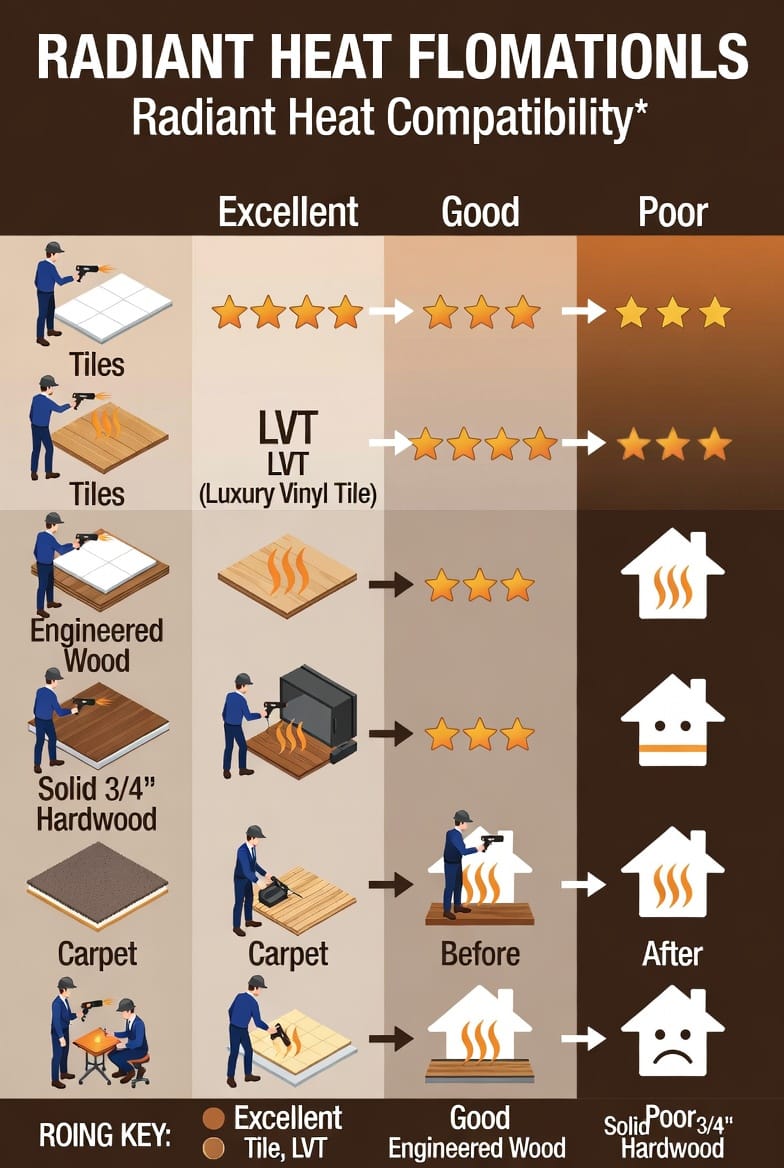
This table underscores why tile and LVT lead the pack.
Installation Tips for Success
Proper installation maximizes benefits:
- Subfloor Preparation: Ensure a flat, clean surface. For slabs, verify moisture levels below 3%.
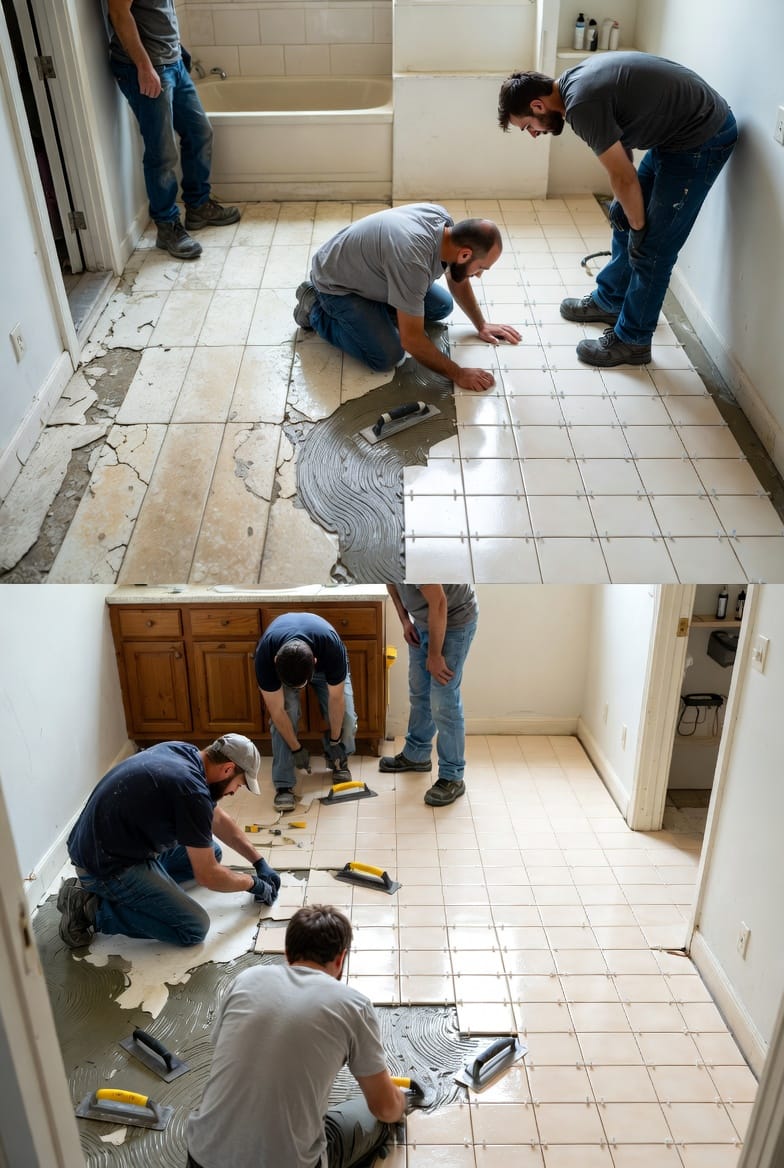
- Heating System Integration: Use thin-set mortars for tile over tubes; avoid thick adhesives that insulate.
- Temperature Controls: Install thermostats to prevent overheating (max 85°F for wood).
- Professional Help: Engage certified installers to avoid voids or damage.
- Testing Phase: Run the system before final flooring to check for leaks.
Following these steps ensures seamless performance.
Maintenance and Long-Term Efficiency
Once installed, maintain your setup:
- Regular cleaning to prevent dust buildup.
- Annual system checks for hydronic setups.
- Humidity control between 30-50% to protect wood-based floors.
With care, your radiant heat and flooring duo can last 20-30 years.
Environmental and Cost Benefits
Choosing efficient flooring aligns with sustainability. Radiant systems use 15-30% less energy than baseboards, and conductive materials amplify this. Initial costs vary – tile at $5-15/sq ft, engineered wood $6-12 – but ROI comes via lower bills.
Case Studies: Real-World Success
Homeowners in cold climates report transformative results. One family in Minnesota switched to tile over radiant, cutting heating costs by 25%. Another in Colorado used engineered wood, enjoying even warmth without drafts.
These stories highlight the reliability of smart choices.
FAQs on Radiant Heat Flooring
- Can I use radiant heat under any floor? Not ideally; stick to conductive, stable materials.
- Is it safe for pets and kids? Yes, gentle warmth is comfortable and safe.
- How much does it cost to install? $10-20/sq ft for the system, plus flooring.
Conclusion: Elevate Your Home Comfort
Selecting the right flooring for your in-floor heating system is a game-changer. By focusing on high thermal conductivity and strong dimensional stability, materials like tile and engineered wood deliver unparalleled efficiency. Avoid insulators like solid hardwood or carpets to keep your system humming.
Expert Radiant Floor Heating + Flooring Advice – Call Us